
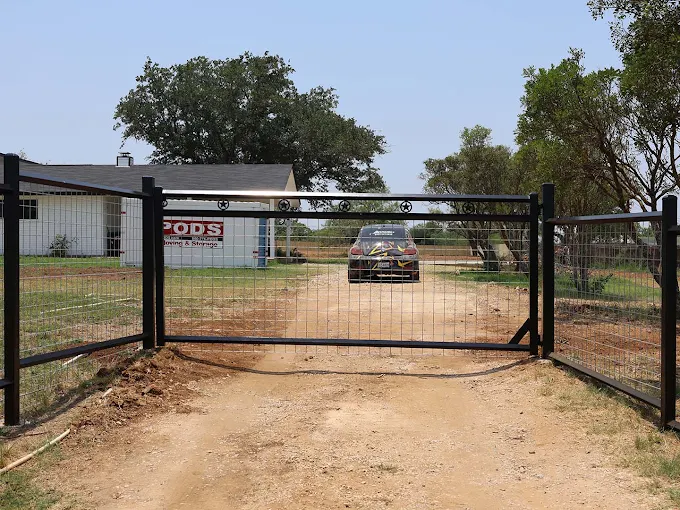
Understanding the Cost of Residential Fencing
On any given street in Plano, you’ll see just about every type of fence you can imagine: classic wood privacy fences, sleek modern metal panels, and decorative iron around pools and patios. Homeowners across North Texas are investing in fencing not just for looks, but for security, privacy, and property value. According to recent real estate data, a well-maintained fence can boost curb appeal enough to add 3–5% to a home’s perceived value—sometimes more in competitive markets like Collin County.
But once you decide you want a new fence, the next question hits fast: What is this really going to cost me? And why does one neighbor pay one price while another pays something completely different?
This guide walks you through the real factors behind residential fencing costs in and around Plano, TX. You’ll learn how materials, design, terrain, and long-term maintenance all affect your budget, plus how to avoid common surprises and plan a project that makes sense for your home and your wallet.
Key Insight: The “price per foot” you hear tossed around is only part of the story. The true cost of a fence in Plano depends on material choice, design complexity, site conditions, and long-term upkeep—not just the length of your property line.
The Real Factors That Drive Fence Pricing in Plano
Most homeowners start with a simple question: “What’s the cost per foot?” While that’s a good starting point, it’s rarely the full picture. In the Plano area, we see a wide range of pricing even for similar-looking fences because several key factors stack up behind that final number.
1. Material choice
Materials are the single biggest cost driver. For example:
- Pressure-treated or cedar Wood Fences are popular in Plano neighborhoods for privacy and warmth, but lumber prices can fluctuate.
- Aluminum Fences and Wrought Iron Fences cost more up front but offer a long lifespan and low maintenance.
- Vinyl Fences resist rot and fading, which is helpful in our Texas sun, but panels and posts can be more expensive than basic wood.
- Specialty options like Corrugated Metal Fences, Mixed Material Fences, or even Glass Fences create a striking modern look and typically sit at the higher end of the cost spectrum.
2. Height and total linear footage
A 6-foot privacy fence around a corner lot is going to cost more than a 4-foot decorative fence across a small backyard, even in the same subdivision. The longer and taller the fence, the more material and labor are required.
3. Terrain and site conditions
Plano is relatively flat, but we still see:
- Sloped yards that require stepped or racked installation
- Rocky or compacted soil that makes post-setting more labor-intensive
- Existing concrete, tree roots, or old footings that need removal
These conditions can add time and specialized equipment costs.
4. Access and layout
Tight side yards, pool equipment in the way, or limited truck access can all increase labor time. A straightforward rectangle is cheaper to fence than a yard with multiple corners, curves, or level changes.
“Two fences can look similar from the street, but the conditions behind the scenes can make one cost 20–30% more.” — Local Fence Estimator, Collin County
CALLOUT: Before comparing quotes, make sure each contractor is bidding on the same height, material, layout, and gate configuration. That’s the only way to compare apples to apples.
Comparing Fence Materials: Cost, Durability, and Maintenance
Choosing the right material is where many Plano homeowners feel stuck. You’re balancing upfront cost with appearance, maintenance, and how long you plan to stay in your home. Below is a simplified comparison of common residential materials in North Texas.
Material comparison overview
| Material | Typical Use | Upfront Cost (Relative) | Maintenance Needs | Lifespan (Approx.) | Look & Style Notes |
|---|---|---|---|---|---|
| Wood (cedar/pine) | Privacy, backyard boundaries | $ | High (stain/seal) | 10–20 years | Warm, traditional, great for privacy |
| Vinyl | Privacy, decorative residential | $$–$$$ | Very low | 20–30 years | Clean, uniform, many colors/styles |
| Aluminum | Pools, decorative, perimeter | $$–$$$ | Low | 20+ years | Sleek, open, HOA-friendly |
| Wrought iron / steel | Security, decorative, estates | $$$–$$$$ | Low–medium | 20+ years | High-end, strong, classic appearance |
| Chain link | Side yards, pets, utility areas | $ | Low | 15–20 years | Functional, economical, less privacy |
| Corrugated/metal panels | Modern privacy, mixed material | $$–$$$ | Low | 20+ years | Modern, bold, pairs well with wood |
| Glass (panels/rails) | Pools, patios, view fencing | $$$$ | Low–medium (cleaning) | 20+ years | Premium, unobstructed views |
Real-world example: Two Plano neighbors, two different choices
In a West Plano subdivision, two neighboring homes needed to replace aging builder-grade Wood Fence Installation.
- Home A chose a new 6-foot cedar privacy fence with upgraded posts and a professional Fence Maintenance plan that included staining every few years. Their upfront cost was moderate, but they prioritized warmth and privacy.
- Home B opted for Metal Fence Installation with a mix of horizontal metal panels and cedar accents. The upfront cost was higher, but the homeowners wanted a modern aesthetic and minimal upkeep.
Both made smart choices—just with different priorities. That’s why it’s so important to be honest about what matters most to you: budget, privacy, style, or low maintenance.
Hidden and Long-Term Costs Many Homeowners Overlook
The sticker price of a fence is only part of the story. In Plano, where heat, sun, and storms can be tough on outdoor structures, long-term costs can be just as important as the initial quote.
1. Maintenance and finishing
Wood fences are the best example. A new cedar fence looks fantastic on day one, but:
- It should be stained or sealed within the first few weeks to protect against UV and moisture.
- It may need re-staining every 3–5 years, depending on exposure and product used.
Many homeowners choose professional Fence Maintenance to extend the life and beauty of their investment. That’s an added cost, but it can easily add 5–10 years of usable life to the fence.
Vinyl, aluminum, and steel need far less care but may eventually require:
- Hardware replacement
- Minor Fence Repair after storms
- Cleaning to remove dust and mildew
2. Gates and hardware
Gates are often the most-used and most-stressed part of a fence. Upgraded hinges, latches, and posts cost more up front, but they hold up better under daily use and Texas weather.
A basic walk gate is relatively affordable, but if you add:
- Double-drive gates for vehicle access
- Security Fence Installation with access control
- Decorative or Residential Gates with custom design
…the price can rise quickly.
3. Future replacement and property value
A low-cost fence that needs full Fence Replacement in 8–10 years might end up costing more than a sturdier fence that lasts 20+ years. This matters if you:
- Plan to stay in your home long-term
- May sell in a few years and want to avoid last-minute big-ticket repairs
- Live in an HOA community with strict fencing standards
“Think of your fence like a roof or HVAC system—cheapest isn’t always most economical over its full life.” — Project Manager, Fence Pros of Texas
CALLOUT: Ask your contractor about expected lifespan, recommended maintenance schedule, and what typical repairs cost over time. That context helps you see beyond the initial bid.
Design Choices That Impact Cost: Privacy, Security, and Style
Two fences made from the same material can have very different prices based on design choices. In Plano’s mix of master-planned communities and established neighborhoods, design also has to fit HOA rules and neighborhood character.
Privacy vs. openness
- Privacy Fence Installation: Solid wood, vinyl, or metal panel fences are taller and use more material, increasing cost but maximizing privacy and noise reduction.
- Decorative Fence Installation: Open designs like Aluminum Fence Installation or Wrought Iron Fence Installation require less material per linear foot but can use higher-end components and finishes.
Security and access control
If security is a priority—around a side yard, alley, or commercial-adjacent property—you may want:
- Taller fence heights
- Heavier-duty posts and footings
- Access control systems for driveways or side gates
- Integrated Commercial Gates for multi-use properties
These upgrades add cost but can significantly improve safety and peace of mind.
Special applications: Pools, gardens, and views
Plano homes with pools or greenbelt views often need specialized solutions:
- Pool Fence Installation must meet safety and code requirements for height, latch style, and spacing.
- Garden Fence Installation might use decorative materials or shorter heights that cost less but still require durable construction.
- View fencing, including Glass Fences or open aluminum, can cost more per foot but preserves sightlines to greenbelts, ponds, or parks.
Case study: Upgrading from basic to custom design
A homeowner near Legacy West had a standard wood privacy fence but wanted a modern look to match their updated exterior. They chose:
- Horizontal cedar boards
- Powder-coated steel posts
- Integrated Railings around a raised patio
- A matching Estate Gates style entry gate
This custom fence cost more than a standard install, but it transformed the entire backyard experience and aligned with the home’s high-end finishes.
How Local Regulations, HOAs, and Property Layout Affect Your Budget
Beyond materials and design, Plano homeowners need to consider rules and regulations that can impact cost and feasibility.
City codes and safety requirements
In Plano and surrounding cities, there are regulations about:
- Maximum fence height in front and back yards
- Setbacks from property lines and easements
- Special requirements for corner lots and visibility triangles
- Pool barrier standards for any Pool Fence Installation
Permits may be required, and non-compliant fences can result in costly modifications later. A professional contractor will factor permit and compliance costs into your estimate.
HOA guidelines
Many Plano neighborhoods have active HOAs that specify:
- Approved materials and colors
- Standard heights and styles
- Whether Mixed Material Fences are allowed
- Rules for backing to greenbelts, alleys, or shared fences
A fence that doesn’t meet HOA guidelines can lead to fines or forced changes. Getting approval before installation saves money and headaches.
Property layout and shared fences
Costs can change based on:
- Whether you share fence lines with neighbors (and if they’ll share costs)
- Greenbelt or alley-facing sides that may need upgraded materials
- Existing structures (sheds, patios, pools) that affect layout
In older Plano neighborhoods, we often see original fences that no longer meet current standards. Replacing them can be a chance to upgrade, but it may also mean more work to correct non-compliant layouts.
“Good planning with your HOA and neighbors can reduce your share of the cost and prevent disputes later.” — Senior Project Coordinator, Fence Pros of Texas
CALLOUT: Before you request bids, gather your survey, HOA guidelines, and any previous fence agreements with neighbors. The more information your contractor has, the more accurate your estimate will be.
Budgeting Smart: Getting Accurate Estimates and Avoiding Surprises
Sticker shock usually happens when homeowners don’t have a clear picture of scope or when estimates leave out key details. A thoughtful approach at the start can keep your project on budget and on schedule.
Steps to build a realistic budget
- Measure your yard or use your property survey to estimate total linear footage.
- Decide your priorities: privacy, aesthetics, low maintenance, or all three.
- Identify must-haves vs. nice-to-haves: extra gates, decorative caps, custom stains.
- Get multiple quotes for the same scope of work and materials.
What a detailed estimate should include
A professional quote for Residential Fence Installation in Plano should clearly outline:
- Material type, grade, and height
- Post type and spacing
- Gate count, size, and hardware type
- Demolition and haul-off (if replacing an old fence)
- Permits and inspection fees if applicable
- Any rock excavation or special site conditions
- Optional add-ons like staining or Fence Replacement of adjacent sections
Traditional vs. modern approach to fence budgeting
| Approach | Traditional (“Ballpark”) | Modern (Detailed Planning) |
|---|---|---|
| Estimate style | Rough price per foot | Line-item breakdown |
| Scope clarity | Limited; surprises more likely | Clear; fewer change orders |
| Long-term costs | Rarely discussed | Includes maintenance and lifespan considerations |
| HOA and permits | Handled by homeowner | Often assisted or guided by contractor |
| Outcome | Higher risk of overruns or regrets | More accurate budget and better value over time |
Real example: Avoiding a mid-project surprise
A homeowner off Spring Creek Parkway initially requested a basic quote for a new wood fence. During the site visit, the estimator noticed:
- Significant grade changes
- Old concrete footings that needed removal
- HOA requirements for upgraded materials on the alley side
Because these were identified early, they were included in the estimate. The final price was higher than the homeowner’s initial “ballpark” expectation, but there were no surprise change orders mid-project—and the HOA approved the fence on the first review.
What This Means for Homeowners in Plano, TX
Plano’s mix of established neighborhoods, new developments, and active HOAs makes fencing a bit more complex than simply “cheapest per foot.” The climate, local regulations, and property values here all play a role in what makes sense for your home.
- The Texas sun is hard on materials, so thinking about Fence Maintenance and long-term durability is crucial.
- Many Plano HOAs have clear architectural standards, which can limit or guide your choices—but also protect your investment by keeping neighborhood quality high.
- With property values strong across Collin County, a well-designed fence can be a smart improvement that pays off in curb appeal, privacy, and resale value.
For some homeowners, that means choosing a higher-end material like aluminum or decorative iron for visible areas, and a more economical but well-built wood fence for side yards. Others may prioritize a high-quality Residential Gates system or even Estate Gates for security and presence at the front of the property.
The key is aligning your fence project with:
- How long you plan to live in the home
- How you use your yard (kids, pets, entertaining, pool)
- Your appetite for ongoing maintenance
- Your budget today and your expected cost over the next 10–20 years
When you understand these factors, the cost of residential fencing becomes much clearer—and the decisions feel more confident.
Frequently Asked Questions
Q: Why are wood fence prices in Plano so different from one quote to another?
A: Wood fence pricing varies widely because not all wood and construction methods are the same. One contractor might quote basic pine pickets with lighter posts and nails, while another uses cedar pickets, steel posts, and screws, plus offers optional Fence Maintenance services. Soil conditions, haul-off of old materials, and the number of gates also impact cost. In Plano, where fences face intense sun and occasional storms, higher-quality lumber and hardware can significantly extend the life of your fence. Always compare quotes line by line—material type, post spacing, height, and gate details—rather than just looking at the total price.
Q: Is an aluminum or wrought iron fence worth the higher cost compared to wood?
A: For many Plano homeowners, the answer is yes—especially in front yards, around pools, or along greenbelts. Aluminum Fence Installation offers a clean, upscale look with minimal maintenance and no risk of rot or insect damage. Wrought Iron Fence Installation or steel provides even more strength and security. While the upfront cost is higher than wood, these fences can last decades with minimal upkeep, making them cost-effective over time. They’re also often preferred by HOAs for visible areas and Security Fence Installation around pools and side yards.
Q: How much does it add to the cost to include gates, and what type should I choose?
A: Gates can range from a few hundred dollars for a simple walk gate to several thousand for large, automated Commercial Gates or custom Estate Gates. In most Plano backyards, you’ll want at least one walk gate and possibly a wider drive gate for lawn equipment or vehicles. The cost depends on width, material, hardware quality, and any Access Control like keypads or openers. It’s smart to invest in sturdy posts and quality hinges, since gates see the most wear and tear. A well-built gate can prevent sagging, sticking, and premature Fence Repair costs.
Q: How can I reduce the cost of a new fence without sacrificing quality?
A: There are several ways to manage costs while still getting a durable fence. You might choose a high-quality but simpler design—standard height, fewer decorative elements, and a limited number of gates. In some Plano neighborhoods, neighbors share the cost of replacing common fence lines, which can significantly reduce your out-of-pocket expense. You can also mix materials: for example, use decorative Metal Fence Installation in front and more economical wood along less visible sides. Finally, planning for professional staining shortly after Wood Fence Installation can extend its life and reduce long-term replacement costs.
Q: Do I need a permit for my fence in Plano, and does that add to the cost?
A: Whether you need a permit depends on fence height, location, and any special conditions like pools or corner lots. In Plano, certain heights and placements do require permits, and pool enclosures must meet specific safety codes. Permit fees are usually a small portion of the overall budget, but they’re important for ensuring your fence is legal and safe. A professional contractor familiar with local rules will help you navigate permitting and factor any fees into your estimate. Skipping this step can lead to fines or costly modifications if the city or HOA flags an issue later.
Q: How do I estimate the cost if I’m not sure about my property lines or measurements?
A: Start with your property survey if you have one—it shows boundary lines and can help a contractor estimate linear footage more accurately. If you’re unsure or don’t have a survey, a site visit is essential. A reputable installer will measure, identify grade changes, and discuss options for Residential Fence Installation, Commercial Fence Installation, or even Farm Fencing if you’re on acreage. They’ll also look for obstacles like trees, old concrete, or utilities that might affect cost. Trying to guess measurements can lead to inaccurate quotes and unexpected changes later, so a professional assessment is well worth the time.
Q: How long will my new fence last in Plano’s climate?
A: Lifespan depends heavily on material, installation quality, and maintenance. A properly installed, well-maintained cedar fence can last 15–20 years or more with regular staining and minor Fence Repair. Vinyl, aluminum, and steel fences often last 20+ years with minimal upkeep, especially when installed by experienced professionals who understand local soil and weather conditions. High winds, intense sun, and occasional storms in North Texas all play a role, which is why material selection and professional installation are so important. Investing in quality now typically means fewer headaches and lower costs down the road.
Ready to Get Started?
Fencing projects tend to move quickly once you make a decision—but the best results come from a little planning up front. In Plano, spring and fall are especially busy seasons for Residential Fence Installation, and schedules can fill up fast. If your current fence is leaning, rotting, or no longer meeting HOA standards, addressing it before peak season can save you time and help you avoid rush decisions.
Now is a good moment to:
- Walk your property and note problem areas
- Decide what matters most: privacy, security, style, or low maintenance
- Gather your survey and any HOA guidelines
- Talk with a local expert about materials, design, and realistic budget ranges
Fence Pros of Texas has been serving Plano and the surrounding communities for years, helping homeowners choose fences that fit both their properties and their budgets. Whether you’re replacing a tired wood fence, adding a secure pool enclosure, or exploring modern mixed-material designs, you don’t have to figure it out alone.
About Fence Pros of Texas
Fence Pros of Texas is a locally focused fencing contractor serving Plano, TX and the greater North Texas area. Our team specializes in Residential Fence Installation, Commercial Fence Installation, custom gates, railings, and staining services. With years of experience in North Texas soils, HOAs, and city codes, we design and build fences that look great, perform well, and stand up to our climate. From classic wood privacy to modern metal and glass, we help you choose the right solution for your property and budget.