
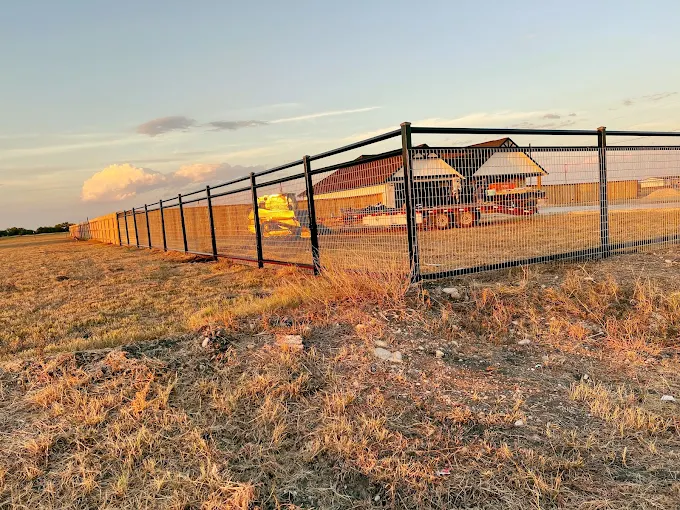
Enhancing Aesthetics through Quality Fence Staining
Hot Texas summers, sudden storms, and strong UV exposure are hard on every exterior surface—but especially on your fence. In Plano, where the average summer high hovers in the mid-90s and we see more than 230 sunny days a year, unstained wood can start to gray, crack, and warp in as little as 12–18 months. That tired, faded fence doesn’t just affect your curb appeal; it can drag down the overall look and value of your property.
Quality fence staining changes that story. Done right, staining protects your investment, elevates the overall design of your outdoor spaces, and helps your fence—whether it’s surrounding a home, business, or acreage—look sharp for years instead of seasons.
In this guide, you’ll see how professional staining enhances aesthetics, extends the life of your fence, and ties into the broader design of your property. You’ll also find local examples from around Plano, practical tips, and answers to common questions so you can make confident decisions about caring for your fence.
Key Insight: Thoughtful, professional fence staining is one of the most cost-effective ways to transform the look of your property while dramatically extending the life of your fence in the harsh North Texas climate.
Why Staining Matters So Much in North Texas Weather
If you’ve ever seen a once-beautiful wood fence turn gray and splintered in just a few years, you’ve seen what our climate can do. Between intense UV rays, rapid temperature swings, and periodic heavy rain, Plano puts serious stress on exterior wood.
Unprotected wood fences—especially budget builder-grade installations—tend to show damage quickly:
- Color fading and graying from UV exposure
- Surface checking (small cracks) that become larger splits
- Warping or cupping of pickets and rails
- Mildew and water staining near the ground line
Staining creates a protective barrier that slows all of this down. A high-quality, oil-based stain penetrates the wood fibers, helping repel water and resist UV breakdown, while also adding rich color and depth.
A recent job off Preston Road is a good example. A homeowner with a five-year-old privacy fence thought they needed a full replacement. The boards were gray and rough, with some mildew at the bottom. Instead, we cleaned, repaired a few damaged sections, and applied a deep walnut stain. The fence looked almost new, and neighbors assumed it had been replaced. That homeowner postponed a costly new fence by several years with a relatively small investment in staining.
“In our climate, stain isn’t just cosmetic—it’s a first line of defense that can easily double the usable life of a wood fence.” — Fence Pros of Texas Team Lead
CALLOUT: If your fence is less than 10 years old but looks tired, professional cleaning and staining can often restore it instead of replacing it.
How Stain Transforms Different Fence Styles and Materials
Not every fence is wood, and not every wood fence benefits from the same stain color or product. The right approach depends on style, material, and how your fence fits into the overall design of your property.
For example, a traditional cedar privacy fence in a Plano subdivision looks fantastic with warm, medium-brown tones that complement brick and stone homes. By contrast, a modern property near Legacy West might feature Mixed Material Fences—combining metal and wood—where a cooler, darker stain pairs well with black steel or aluminum.
Here’s how stain can enhance several common fence types:
- Cedar and Pine Wood Fences
Rich, penetrating stains bring out the grain, deepen color, and create a uniform look across older and newer sections. On one project near Oak Point Park, we blended a new section of cedar with a five-year-old section by carefully choosing a semi-solid stain that unified the color.
- Fences Near Metal or Glass Features
Properties with Wrought Iron Fences, Aluminum Fences, or even glass railings benefit from contrast. A dark espresso stain against black iron gives a high-end, estate feel, while a lighter tone near glass elements keeps the look airy and modern.
- Farm and Acreage Fencing
On larger properties, such as those using Wood Fences along pastures, stain helps keep long fence lines visually consistent and reduces the “patchwork” look that can happen as boards age at different rates.
Stain is also a powerful tool for visually tying together different elements: a wood privacy fence, a metal pool enclosure, and a stained railing on your patio can all share complementary tones, giving your property a cohesive, intentional look rather than a collection of separate parts.
Choosing Colors and Finishes That Elevate Your Property
Color is where aesthetics really come to life. The right stain shade can make your landscaping pop, highlight architectural details, and even make your yard feel larger or more intimate depending on your goals.
In Plano, we often see three main approaches:
- Natural/Light Tones
Great for newer cedar fences and homes with lighter brick or stone. These stains maintain a fresh, clean look and pair well with modern or farmhouse styles. A homeowner near Plano Senior High used a honey-toned stain on a new fence to keep their backyard bright, balancing shade from mature trees.
- Medium, Warm Browns
These are some of the most popular choices for established neighborhoods. They hide minor imperfections, blend beautifully with red or tan brick, and work with a variety of roof colors. A small office off Coit Road used a medium brown stain on its perimeter fence to complement existing landscaping and signage, making the property feel more welcoming to clients.
- Dark, Contemporary Shades
Deep browns and near-black stains create a dramatic backdrop for greenery and modern architecture. They are especially striking when paired with black Metal Fence Installation or dark window frames. A townhome community near CityLine chose a dark espresso stain for all shared fences, instantly upgrading the overall appearance of the development.
You’ll also choose between transparent, semi-transparent, and solid/semi-solid finishes:
- Transparent: Showcases grain but provides less UV protection
- Semi-transparent: A balance of visible grain and color coverage
- Semi-solid/solid: Strong color, excellent UV protection, ideal for older or mismatched boards
“Think of stain as both sunscreen and makeup for your fence—it protects while enhancing what’s already there.” — Design Consultant, Fence Pros of Texas
A professional eye can make a big difference. We often bring sample boards to your property, hold them against your existing fence and brick, and review how they’ll look in both sun and shade. That on-site comparison is essential, because colors can read very differently in real North Texas light versus on a screen.
Professional Staining vs. DIY: A Clear Side-by-Side
Many homeowners and even small business owners ask whether they should tackle staining themselves or hire a professional crew. On paper, DIY looks cheaper. In reality—especially for larger projects in Plano’s heat—the difference in results and long-term cost can be significant.
Here’s a simple comparison:
| Aspect | DIY Staining | Professional Staining (Fence Pros of Texas) |
|---|---|---|
| Upfront Cost | Lower material-only cost | Higher upfront, includes labor & pro-grade materials |
| Time Investment | Weekends/evenings over several days or weeks | Typically 1–2 days for an average residential project |
| Surface Prep Quality | Varies; often minimal cleaning/sanding | Thorough cleaning, repairs, mildew treatment |
| Application Consistency | Risk of lap marks, uneven coverage | Even, consistent finish with pro equipment |
| Product Selection | Limited to retail products | Contractor-grade stains suited for local climate |
| Longevity Between Recoats | Often 1–2 years | Typically 3–5 years depending on exposure |
| Warranty/Accountability | None beyond product label | Workmanship guarantees and clear follow-up |
| Safety & Comfort | Working in heat, on slopes, near streets | Trained crew, insured, accustomed to conditions |
A Plano business park off 75 tried DIY staining on part of their perimeter fence one year, then hired us for the remaining stretch the next. Within 18 months, the DIY side had already begun to fade and show streaking, while the professionally stained section still looked rich and uniform. They ended up having us redo the first side, paying twice for that segment.
For properties with Commercial Fence Installation or high-visibility residential gates, the professional difference is even more important. Those are the first things clients and guests see.
Integrating Stain with Fences, Gates, and Access Control
Your fence rarely stands alone. It’s part of a system that can include gates, railings, and sometimes security or access control equipment. When you think about aesthetics, it pays to consider all of these elements together.
For example, a Plano homeowner with a new estate gate in black steel wanted their wood privacy fence to “match” without everything feeling too heavy. We selected a medium-dark stain for the fence that tied into the gate’s color but still allowed the wood grain to show. The result was a coordinated, upscale look that framed the home beautifully.
On commercial properties, we often see a mix of Chain Link Fences in back-of-house areas and wood or decorative metal along the front. While chain link isn’t stained, the visible wood sections and any access control gate structures can be stained or painted in complementary colors to present a unified brand image from the street.
Some practical ways to integrate stain and structure:
- Match or complement the color of your fence stain with your metal gate frame or railings
- Use darker stains at entries for a sense of formality, and lighter tones in backyards for a relaxed feel
- Coordinate with existing Residential Fence Installation styles in your neighborhood for HOA harmony
“A well-stained fence and thoughtfully chosen gate can do as much for your curb appeal as new landscaping—often for less money.” — Project Manager, Fence Pros of Texas
If you’re considering new commercial gates or a custom residential gate, planning your stain and finish choices at the same time ensures everything looks like a single, cohesive design instead of a series of add-ons.
Cost, Value, and Long-Term Savings in Plano
Staining is one of those projects where the value becomes clear when you compare it to the cost of replacement. A full fence replacement in Plano—especially for taller privacy fences or custom designs—can run into the thousands or tens of thousands of dollars, depending on length and material.
By contrast, professional staining typically costs a fraction of that and can extend the life of your fence significantly. Consider this simplified comparison over a 15-year period for a typical suburban backyard fence:
| Scenario | Approximate 15-Year Path | Estimated Impact |
|---|---|---|
| No Stain / Minimal Maintenance | Replace fence around years 7–9 | Higher total cost, frequent eyesore years |
| DIY Stain Every 2–3 Years | Frequent weekend projects, uneven results | Moderate cost, inconsistent appearance |
| Professional Stain Every 3–5 Years | Initial stain + 2–3 maintenance coats over 15 years | Lower total cost vs. early replacement, consistent look |
A homeowner in West Plano who installed a quality cedar fence and kept it on a professional staining schedule has had the same fence for over 16 years. It has needed occasional repairs, but it still looks attractive from the street. Their neighbor, with a similar fence but no stain, replaced theirs twice in that same time frame.
Staining also supports property value. Real estate agents regularly note that well-maintained fencing and gates make listings more appealing and can reduce time on market. For commercial properties, a clean, well-finished perimeter can influence tenant satisfaction and brand perception, especially along busy corridors like Spring Creek Parkway or Parker Road.
What This Means for Businesses in Plano, TX
For businesses, multi-family communities, and commercial properties across Plano, fence aesthetics aren’t just about looking nice—they’re directly tied to perception, security, and even compliance.
A faded, splintering fence around a retail center or office complex can send the wrong message to customers and tenants. It may suggest deferred maintenance or lack of attention to detail. On the other hand, a clean, evenly stained fence projects professionalism and care, reinforcing your brand before a customer even walks through the door.
Plano’s competitive business environment, especially in areas like Legacy, Granite Park, and along the 75 corridor, means visual first impressions matter. Companies invest heavily in landscaping, signage, and building finishes; your perimeter fencing should be part of that same strategy.
Some specific local benefits of quality fence staining for businesses include:
- Stronger Brand Image: Coordinated stain colors that complement your logo, building colors, and signage
- Better Tenant and Customer Experience: Apartment communities and retail centers with well-maintained fencing feel safer and more inviting
- Asset Protection: Staining extends the life of perimeter Security Fence Installation and reduces long-term capital expenditures
- Consistency Across Properties: For owners with multiple sites in Plano and nearby cities, a standardized stain color and maintenance schedule can create a recognizable, professional look
A local daycare facility off Independence Parkway is a good example. They had a functional but weathered wood fence around their play area. Parents commented on its condition during tours. After professional cleaning and staining in a warm, family-friendly tone, the feedback shifted immediately—parents described the outdoor area as “cozy,” “safe-looking,” and “well cared for.” Enrollment inquiries increased, and the director credits that fence refresh as part of the change.
For any business or property manager in Plano, integrating fence staining into your regular maintenance plan is a strategic move: it preserves your investment, supports your brand, and keeps your property competitive in a visually conscious market.
Frequently Asked Questions
Q: How often should I have my fence stained in Plano’s climate?
A: In North Texas, most wood fences benefit from professional staining every 3–5 years, depending on the product used, the color, and how much sun your fence gets. South- and west-facing fences along open areas or greenbelts tend to fade faster than shaded sections. Darker stains and higher-quality, oil-based products typically last longer than lighter, transparent finishes. If your fence is part of a larger system—such as a Privacy Fence Installation with matching gates and railings—it’s wise to keep everything on the same maintenance schedule so the appearance stays consistent across the property.
Q: My fence is already gray and weathered—can staining still improve its appearance?
A: In many cases, yes. A gray, aged fence can often be revived with proper cleaning, mildew treatment, and a carefully chosen stain. We frequently work on fences in established Plano neighborhoods where the wood looks “too far gone,” but after prep and a semi-solid stain, the transformation is dramatic. There are limits—severely rotted or structurally compromised boards may need replacement—but you’d be surprised how much we can improve. This approach can delay a full Fence Replacement by several years, stretching your budget while still giving your property a substantial visual upgrade.
Q: Is staining worth it if I have other fence materials like metal or vinyl on my property?
A: Absolutely. Even if parts of your perimeter use Vinyl Fences, Chain Link Fences, or metal systems, any wood components—privacy sections, trim, or accent panels—set the tone visually. Staining those wood elements thoughtfully can tie together different materials and elevate the entire property’s look. For example, a site might combine Aluminum Fence Installation at the front with wood screening at service areas; using a coordinated stain on the wood helps the whole design feel intentional and cohesive instead of piecemeal.
Q: How does professional staining interact with future fence repairs or additions?
A: When repairs or additions are planned, having a record of the stain product and color used is a big advantage. We can often match or blend new sections into the existing fence so everything looks unified. For instance, if you later add a new residential gate or expand your Garden Fence Installation, we can stain those additions to match. With DIY or unknown products, color matching becomes more challenging. Working with a professional from the start means future repairs and expansions integrate seamlessly, maintaining your property’s polished appearance.
Q: Will staining help with privacy and security, or is it purely cosmetic?
A: Staining is primarily protective and cosmetic, but it indirectly supports privacy and security by helping your fence stay strong and intact longer. A well-maintained, solid wood fence around a Residential Fence Installation or Commercial Fence Installation is less likely to develop weak spots, gaps, or warped boards that compromise privacy or create access points. Combined with good hardware and, where appropriate, access control systems, staining is an important part of an overall strategy to keep your perimeter both attractive and effective.
Q: How disruptive is the staining process for homes or businesses?
A: Professional crews work efficiently to minimize disruption. For a typical Plano backyard, the process usually takes one to two days, depending on prep needs and weather. We coordinate access, protect adjacent landscaping as much as possible, and schedule work to avoid peak business hours for commercial clients. With proper planning, even properties with commercial gates or busy customer areas can be stained with minimal impact on operations. We communicate clearly about drying times and when you can safely use gates, walkways, or outdoor spaces again.
Q: I’m planning a new fence—should I stain immediately or wait?
A: For new wood fences, timing matters. In our climate, most new cedar or pine fences benefit from a brief “seasoning” period to allow excess moisture to escape, but waiting too long leaves them vulnerable to UV damage. Typically, staining within a few weeks to a few months—depending on the wood and conditions—is ideal. When we handle both the Wood Fence Installation and the staining, we schedule that window for you. This approach ensures your new investment is protected early, looks finished from the start, and doesn’t go through a “gray and tired” phase before it ever gets stained.
Ready to Get Started?
Plano’s weather isn’t gentle on fences, but with the right staining plan, your fence can be an asset—not an eyesore—for many years. If your fence is already showing its age, or you’re installing a new one and want to protect it from day one, now is the time to act. The longer raw wood sits exposed to our sun and storms, the more it fades, cracks, and becomes costly to restore.
Fence Pros of Texas offers professional staining tailored to local conditions, whether you have a simple backyard fence, a complex perimeter around a business, or a mix of gates, railings, and specialty fencing. We can evaluate your existing fence, recommend colors and products that fit your property and budget, and schedule the work around your life or business operations.
You don’t have to guess what will look best. Our team brings samples, local experience, and a clear process so you know exactly what to expect—from prep to final walkthrough.
About Fence Pros of Texas
Fence Pros of Texas has been serving homeowners, businesses, and property managers in Plano and the surrounding North Texas area for years, providing expert fence installation, repair, staining, and gate solutions. Our team understands the unique demands of the local climate and the high standards of Plano’s neighborhoods and commercial districts. From residential privacy fences to large-scale commercial projects, we focus on craftsmanship, durability, and design. Learn more about our services and history at our website.