
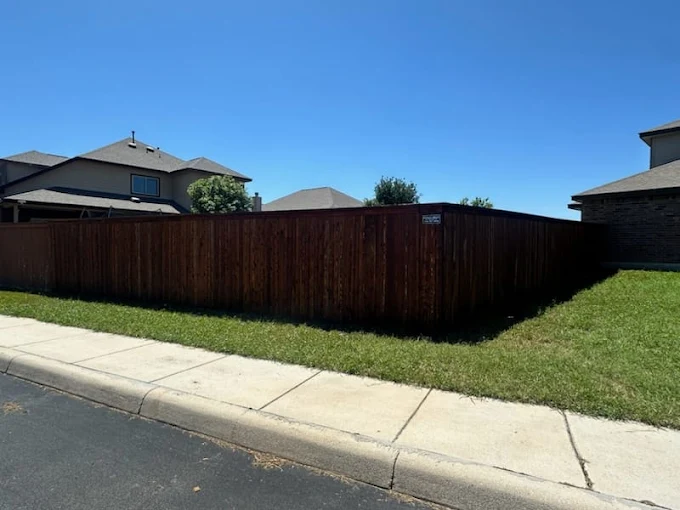
Commercial Fence Installation for Loading Dock Safety
Loading docks are high-traffic areas where foot traffic, trucks, and equipment overlap. A well-designed fence and gate setup helps define safe routes, reduce unauthorized access, and support day-to-day operations. This guide explains what to plan for before installation in Plano, TX.
A Plano business owner recently told us they were seeing “almost-misses” near their loading dock. Drivers are focused on backing in, employees are moving pallets, and visitors sometimes wander into areas they should not be accessing. The fence line was there at one point, but gaps and gate placement made it easy to bypass.
Another common concern we hear is maintenance. A fence that looks fine on day one can become a safety issue if it starts leaning, opens up at the bottom, or gets damaged around the gate where trucks and carts pass. This guide helps you understand what to check first, what design factors matter most, and how to avoid common mistakes when planning Commercial Fence Installation for loading dock safety in Plano, TX.
- Quick answer
- What to check first
- Main things customers should understand
- Why this matters in Plano, TX
- Common mistakes to avoid
- Customer checklist
- Frequently asked questions
Quick Answer
For loading dock safety, focus on controlled access first: the fence should match your property line needs, and the gate should be positioned to manage where trucks, employees, and visitors can move. Then confirm the “human” details, like whether the fence layout supports clear sight lines and reduces bypass routes. Finally, plan for durability at impact points near the dock and gate, since that is where damage tends to start. If you want a practical next step, review your current fence and gate locations against your loading workflow, then talk with a fence contractor about a layout that fits your site in Plano, TX.
What to Check First
Before you choose fence materials or styles, walk the loading dock area and map where people and vehicles actually travel. Start with the points of conflict: corners where pedestrians cut through, areas where trucks swing wide, and any spots where a gate is left propped open. These are the places a fence line and gate placement must address.
1) Identify access points
List every door, gate, and “informal entry” path that connects to the loading dock. If you do not control those paths, the fence will be less effective.
2) Measure for safe clearance
Check how much space you need for turning, backing, and daily movement. A fence that crowds the workflow can increase risky behavior.
3) Note damage-prone areas
Pay attention to the bottom edges, gate hinges, and any section that gets hit by carts or equipment. Those are the first areas to reinforce in your plan.
Main Things Customers Should Understand
Loading dock safety is not only about “keeping people out.” It is about shaping movement so employees can work efficiently, drivers can maneuver with fewer surprises, and visitors do not drift into restricted zones. A commercial fence system typically includes the fence sections plus the gate hardware and access approach, so design decisions should be made together.
Professional observation: The safest layouts usually reduce the need for people to “figure it out” on busy days. When the fence and gate clearly define routes, there are fewer shortcuts and fewer moments where someone is unsure where they are allowed to be.
Fence style choices that match operational needs
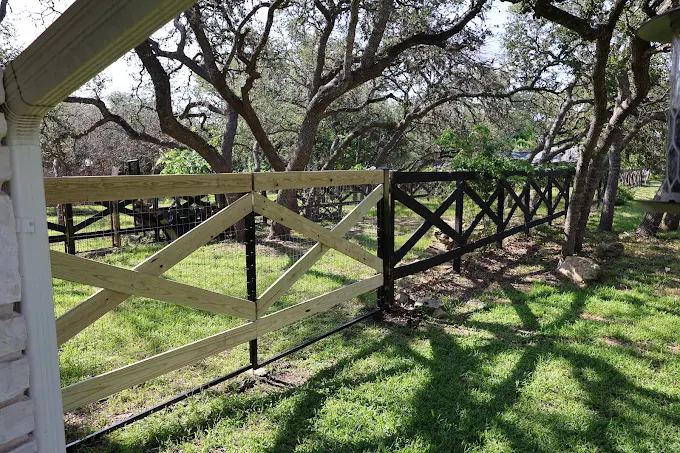
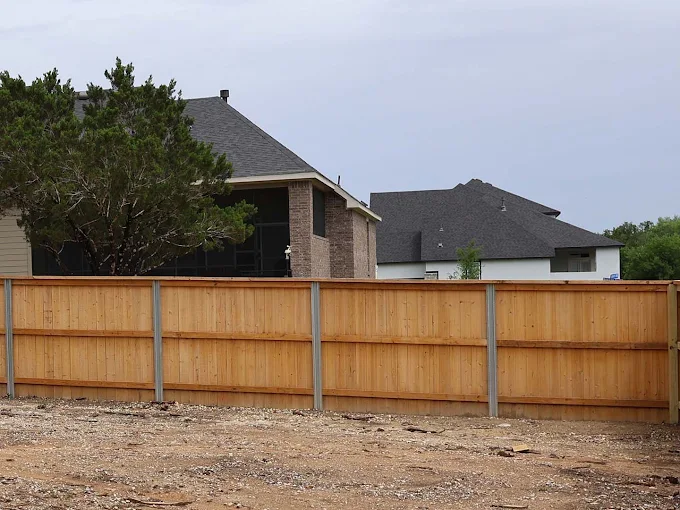
Different fence types offer different tradeoffs for visibility, privacy, and security. For many commercial properties, options like Chain Link Fences or Aluminum Fences can work well where you need visibility around the dock perimeter. If privacy or concealment is part of your safety plan, Vinyl Fences or Wood Fences may be considered for certain areas. For a more rigid, security-focused perimeter in select zones, Wrought Iron Fences or Corrugated Metal Fences can also be part of the mix.
| Site goal near the loading dock | Common fence direction | What to plan for |
|---|---|---|
| Control access without blocking sight lines | Chain link or aluminum fence sections | Gate locations that align with employee routes and visitor flow |
| Reduce visibility into restricted areas | Vinyl or wood privacy fence sections | Make sure you still maintain safe internal circulation and clear signage |
| More rigid security emphasis | Wrought iron or metal fence sections | Reinforce impact points and confirm gate hardware durability |
| Blend security and aesthetics | Mixed material fences | Use a consistent line of sight where employees need orientation |
Gates are the safety “switch”
Even a strong fence line can underperform if the gate is not designed for how people use it. For loading dock safety, focus on where the gate connects to walkways and how it is handled during peak activity. If you manage access for contractors, deliveries, or staff, you may also want to explore access control options. For related guidance, review access control gate options.
Durability at the dock edge
In practice, the fence will take repeated contact from daily operations. That can mean cart traffic, equipment bumping, or the stress of frequent opening and closing. Planning for reinforcement at gate posts and consistently protecting the lower fence sections helps keep the safety benefits intact over time.
Quick local tip: In Plano, TX, many commercial properties operate year-round. Planning for impact points and gate wear upfront helps reduce the chance of fence gaps developing when activity is at its highest.
Why This Matters in Plano, TX
Loading dock areas in Plano often sit beside active parking, truck routes, and employee entrances. That layout makes controlled access more than a security feature. It becomes part of safe traffic management: reducing the chance that a visitor walks into a backing zone, helping employees stay on intended paths, and keeping gate usage consistent during delivery schedules.
Fence material selection can also affect day-to-day maintenance. If you are considering a full perimeter approach or replacing sections that no longer align with your workflow, it can help to review the broader commercial fencing plan. Fence Pros of Texas provides commercial fencing solutions that can be tailored to how your loading dock is used.
Common Mistakes to Avoid
These are the issues we see most often when companies try to improve loading dock safety without reworking the full fence-and-gate setup.
- Putting the gate where it “seems convenient” instead of where routes actually need it. Convenience creates bypass behavior when people are busy.
- Choosing a fence type without considering durability at impact points. The dock edge and gate area are where damage starts.
- Leaving clearance gaps at the bottom or around the gate. Small openings can become easy shortcuts during deliveries.
- Ignoring gate hardware wear and alignment. When gates sag or misalign, access control becomes inconsistent.
- Thinking only about the fence, not the full access plan. If visitors still have an easy route to the dock area, the fence alone may not solve the issue.
Customer Checklist
Use this checklist to organize your loading dock safety planning. It is designed to help you communicate clearly with your fence contractor and avoid last-minute changes.
- Walk the dock perimeter and mark every place people and vehicles cross or linger.
- Identify the restricted areas that require controlled access during deliveries.
- Confirm where your main gate should connect to walkways and employee routes.
- List any existing fence sections that are leaning, damaged, or no longer aligned.
- Check for bypass paths near corners, along the bottom fence line, and around the gate.
- Decide whether you need visibility, privacy, or a mixed-material approach by zone.
- Plan for maintenance needs by selecting a fence system that fits your usage intensity.
- Review whether you want residential-style appearances or a more security-forward commercial look for the dock perimeter.
A representative scenario (what this looks like in real life)
Imagine a Plano warehouse that receives deliveries several times per day. Employees move pallets from a receiving line to internal storage, and contractors occasionally enter to service equipment. Over time, the old perimeter fencing became inconsistent due to gate misuse and minor damage at the dock edge. The business decides to improve loading dock safety by aligning the fence line with the actual restricted boundary, repositioning the primary gate so it matches employee routes, and addressing the most worn sections near the gate hardware.
As part of the plan, they consider a fence approach that supports visibility so employees can stay aware of truck movement while still limiting unauthorized access. After the new fence-and-gate layout is installed, daily movement becomes more predictable, and the dock perimeter is easier to manage during peak delivery hours.
Get a loading dock safety layout review
Share how your deliveries and employee routes work at your Plano, TX facility. Fence Pros of Texas can help you think through fence and gate placement for safer, clearer access control.
Contact Fence Pros of TexasFrequently Asked Questions
What fence type is best for loading dock safety?
There is not one single “best” fence type for every loading dock. The best choice depends on how you want people to move and what you need near the perimeter. Many facilities prioritize access control and visibility, so chain link or aluminum fence sections may fit well. If privacy is part of your safety plan, vinyl or wood privacy fencing can be considered for certain zones. A practical approach is to match the fence direction to each area: dock perimeter, employee routes, and visitor control points.
How do gate placement and access control affect safety?
Gate placement is where safety plans either work consistently or break down under real-world pressure. If the gate is positioned away from actual routes, people will create bypass behavior, especially during busy deliveries. If the gate is easy to misuse or does not align well with pedestrian traffic, you may see inconsistent access control. For facilities that manage contractor or delivery entry, exploring access control options can help keep the loading dock boundary more reliable.
Can fence repairs improve loading dock safety?
Yes, in some cases. If your existing fence line is mostly intact but has leaning sections, damaged areas, or gate misalignment, repairs may address immediate safety concerns. However, when fence placement no longer matches how your dock is used, replacing or reconfiguring portions may be the better long-term fix. A helpful first step is to identify where gaps exist, where damage started, and which areas allow bypass routes during deliveries. Fence Pros of Texas can support both fencing work and gate-focused improvements.
What should we expect during a commercial fence installation?
Commercial installation typically starts with reviewing the site layout and how the loading dock is used. Next, the fence line and gate positions are planned so they match employee movement and controlled access needs. During installation, the contractor builds the fence sections and installs gate components with attention to alignment and durability at impact points. Afterward, you should be able to use the new layout for daily operations with clearer boundaries and fewer “workarounds.”
Do you also handle gates and gate systems for commercial properties?
Yes. Gates are a core part of a functional commercial fence system, especially around loading docks where access needs to be controlled. Depending on your facility, a gate solution may include standard commercial gate installation or options designed to help manage access. If you want to explore gate approaches, you can review commercial gates and related access control considerations.
Ready to improve loading dock safety at your Plano site?
Fence Pros of Texas can help you plan a fence-and-gate layout that supports safe movement and consistent access control for your loading dock area. Call or contact us to discuss your project details.
(210) 707-1616
Fence Pros of Texas
Fence Pros of Texas provides fence and gate solutions for residential and commercial properties across Plano, TX and surrounding areas. If you are planning Commercial Fence Installation for loading dock safety, access control, or perimeter updates, our team focuses on practical layouts and durable results so your property’s boundaries work the way your operation does.
For additional options, you can explore residential fencing and other related services, or review estate gate approaches for design inspiration.