
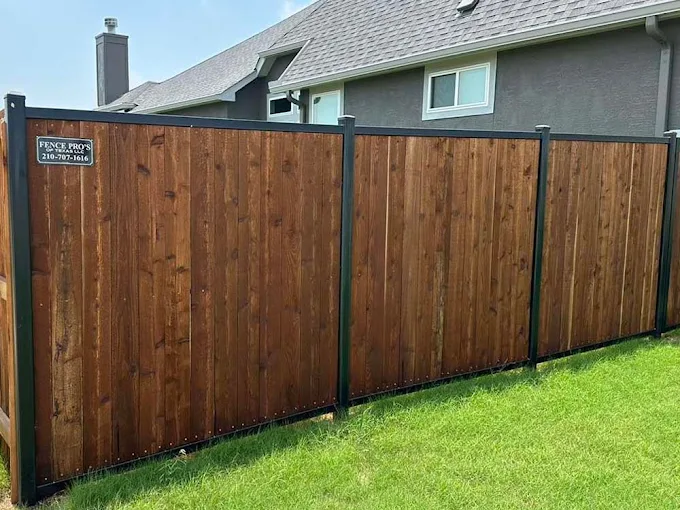
If a storm in Plano, TX left your fence leaning, sagging, or damaged around a gate, you are not alone. This guide helps you spot what typically needs repair versus replacement, what to document before you call, and what decisions matter most for common fence types like wood, chain link, vinyl, aluminum, and wrought iron.
A few days after a wind event, you might notice the fence line looks “off” at a glance. A panel is missing, a post is leaning, or your gate does not latch the way it used to. In Plano, TX, storms can be rough on fence systems because wind load and flying debris often do the most damage at corners, gate openings, and fence sections with multiple fasteners.
This guide will help you understand what to check first, how to think through repair versus replacement, and what practical steps you can take before the next rainfall. You will also see common mistakes homeowners make when trying to “fix it later,” plus a local checklist you can use right away.
- Quick answer
- What to check first
- Main things customers should understand
- Why this matters in Plano, TX
- Common mistakes to avoid
- Customer checklist
- Frequently asked questions
Quick Answer
If your fence or gate was hit by storm wind or debris, start by checking the posts and the gate hardware first. Bent posts, pulled footings, or a gate that no longer swings level usually means the issue is structural, not just a loose board or bent latch. Take a few photos and measure the damaged section so a contractor can determine whether fence repair or fence replacement makes the most sense. If the gate will not secure properly, address it promptly for safety and property access.
What to Check First
Before you buy parts or start swapping pieces, focus on the points that determine whether a fence system can be restored or must be rebuilt. Storm damage often travels through the structure: one weakened post can throw off alignment for several panels.
Post condition
Look for leaning posts, posts that shifted at the base, or hardware that looks loose. If the post moves when you gently push near the panel, repairs may require re-setting or replacing the post.
Gate alignment
Check whether the gate closes flush and latches without force. A sagging gate typically indicates hinge or frame issues, and sometimes a shifted support that affects the entire opening.
Panel and fasteners
Assess missing pickets, torn mesh, cracked rails, or broken brackets. Even when only a section looks damaged, broken fasteners can mean the surrounding area took stress too.
Professional observation: Storm damage is often most severe at corners and gate openings. If those areas are out of alignment, “straightening” panels usually does not hold for long.
Main Things Customers Should Understand
Fence repair after storm damage usually comes down to a few repeatable decisions: what material you have, how the frame and posts were affected, and whether the original components can be matched. Material matters because repair approaches differ between wood fences, chain link fences, vinyl fences, aluminum fences, and wrought iron fences.
| Fence situation after the storm | What it often means | Typical next step |
|---|---|---|
| One panel damaged but all posts are straight | Localized impact, less structural movement | Fence repair to replace panels, rails, or fasteners |
| Leaning post(s) near the damaged section | Structural shift at the support | Post correction or replacement, then panel re-alignment |
| Gate sags, drags, or will not latch | Hinge/frame alignment or support movement | Gate hardware adjustment or replacement, plus alignment check |
| Multiple sections out of line across several feet | Stress transferred along the fence line | Fence replacement or partial rebuild for a clean, consistent line |
| Material is brittle, cracked, or severely bent | Components may not hold after repair | Replace affected sections to restore strength and function |
If you are trying to decide what to ask for, start with whether the problem is limited to panels or whether the system’s “skeleton” was affected. For homeowners with aluminum fence installation needs, the repair conversation often centers on straightening or replacing rails and posts. For chain link fence installation and chain link fence repair, it is common to replace damaged fabric and re-tension where the frame has shifted. For privacy fence installation and wood fence installation, the focus is usually on post integrity and whether rails and pickets can be reattached securely.
For a closer look at residential options, you can review Fence Pros of Texas’ residential fencing services to see how different materials are handled. If your property has a gate system that needs more than panel work, exploring residential gates can help you frame the repair as a hardware and alignment task, not only a cosmetic fix.
Get a clear repair plan for your storm-damaged fence
Tell us what happened to your fence line and gate. We can help you sort out what should be repaired versus replaced, based on the actual damage you see in Plano, TX.
Contact Fence Pros of TexasWhy This Matters in Plano, TX
After a storm, fences in Plano, TX often face more than wind. Heavy rain can worsen weak spots at the base of posts, and repeated wet and dry cycles can expose fasteners that were already under stress. That is why a fence that “looks okay” at first can loosen over the following weeks. Gate openings also tend to take a beating because they are narrower and more likely to experience misalignment when supports shift.
Local insight: If your fence borders a driveway, walkway, or backyard access point, a gate that does not latch can quickly become a daily hassle. Fixing the gate alignment early often prevents ongoing wear on hinges and latch points.
Common Mistakes to Avoid
Homeowners usually want the fastest fix, but storm-damaged fences can punish shortcuts. The biggest risks are weak structural connections and trying to force alignment instead of addressing the underlying issue.
- Replacing panels without checking posts: If the support shifted, the same section may fail again after a few weeks.
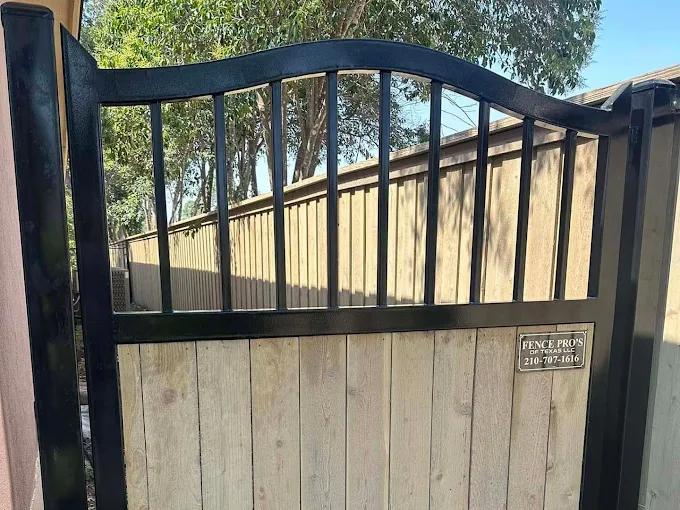
- Ignoring gate sag: A dragging gate can bend hinges and stretch latch hardware over time.
- Only “straightening” visible sections: Hidden stress along rails and brackets can keep pulling the fence out of square.
- Forgetting to document the damage: Photos and measurements help match components and clarify what needs repair versus replacement.
- Assuming all fence materials repair the same way: Wood, vinyl, aluminum, chain link, and wrought iron each have different repair limits.
Customer Checklist
Use this checklist to prepare for a fence repair visit in Plano, TX. It helps you communicate clearly and speeds up the decision-making process.
- Take photos: Close-ups of broken posts, bent rails, and gate hinge/latch areas, plus wider shots of the affected section.
- Measure the affected area: Note the length (in feet) and which fence section or gate opening is involved.
- Check for movement: Gently test whether posts or gate frames shift when pressed near the problem area.
- Note how the gate behaves: Does it sag, drag, swing unevenly, or fail to latch?
- Confirm the fence material: Identify whether it is wood fences, chain link fences, vinyl fences, aluminum fences, wrought iron fences, or mixed material fences.
- List any ongoing symptoms: For example, loose sections, rattling, or gaps that developed after the storm.
A representative storm-damage scenario
A homeowner in Plano, TX reports that a wind-driven storm snapped a couple of fence panels and left one gate that would not close properly. When the team inspects the area, the panels are not the only issue. One gate support is slightly out of position, and the hinge area shows stress from the gate being forced shut. Instead of swapping only the visible boards and calling it done, the repair focuses on correcting the gate alignment and then restoring the surrounding fence line so the latch works smoothly again.
Frequently Asked Questions
Should I repair a storm-damaged fence or replace it?
Most of the time, the decision depends on whether the fence system’s supports were affected. If posts are still straight and only panels or fasteners were damaged, repairs can often restore the section. If posts are leaning, multiple sections are out of alignment, or the gate opening cannot latch correctly, replacement or a partial rebuild may be the better long-term fix. A fence inspection in Plano, TX helps confirm what is structural versus cosmetic.
Can I just fix the broken part of the fence line?
You can sometimes repair only the visible broken area, but storm forces often travel beyond the damaged panel. If the nearby rails, brackets, or post bases took stress, the fence may loosen again even after a quick patch. A good repair plan checks the surrounding sections for alignment and secure attachment points. That approach helps ensure the fence line stays straight and the gate continues to function properly.
What should I do if my gate will not latch after the storm?
Start by avoiding repeated force. If the gate drags, sags, or swings unevenly, it usually indicates hinge or frame alignment issues, sometimes tied to a shifted support. Take a few photos of the latch area and hinge side, and note whether the gate closes flush. Then schedule an inspection so the repair can correct alignment and restore reliable latching, not just swap the latch hardware.
Will matching fence material be an issue?
It can be, especially for wood fence components, where boards may vary by thickness and age, or for mixed material fences where multiple products meet at corners and gate openings. When you have clear photos and measurements, it is easier to identify the best match and determine whether replacement sections should blend in visually and functionally. During the inspection, the team can also advise on whether maintenance like staining or rail work will help the repaired section integrate with the rest of the line.
Do you also help with fence maintenance after repairs?
Yes. After storm repairs, routine fence maintenance helps the fence stay secure and look its best. Depending on your fence material, maintenance can include wood staining and protective coatings, as well as checks on gates, hinges, and fasteners. If your fence line includes railings or other connected systems, you may also want to review railings services to keep the full access system functioning smoothly.
Ready to restore your fence line in Plano?
If your fence or gate was damaged by storm wind or debris, Fence Pros of Texas can help you choose the right repair path based on what is actually affected. Start with a conversation and we will guide you toward a plan for your residential fencing repair needs.
Call (210) 707-1616
Fence Pros of Texas
Fence Pros of Texas provides fence and gate services for homeowners and property owners across Plano, TX and surrounding areas, including residential fencing repair and solutions for common styles like aluminum fences, chain link fences, vinyl fences, wood fences, wrought iron fences, and mixed material fences.
If your property needs fence repair, fence replacement, or maintenance after storm damage, reach out to discuss your fence type, gate condition, and what you have observed since the weather event.