
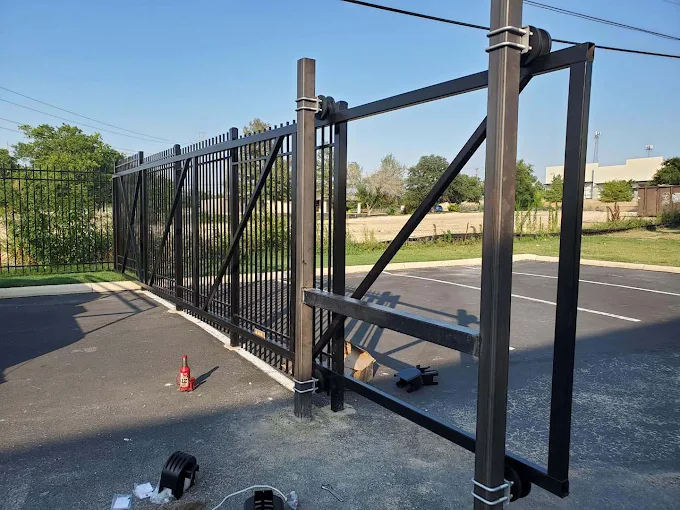
The Process of Choosing Commercial Fencing Styles
In Plano and across North Texas, commercial properties are under more pressure than ever to balance security, appearance, and cost. Local police data shows that well‑lit, clearly defined properties with visible perimeter barriers experience fewer opportunistic intrusions and vandalism incidents. At the same time, your fence is often the first thing clients, tenants, or patients see when they arrive.
Whether you manage a medical office off Preston Road, a light industrial facility near US‑75, or a retail center in West Plano, the style of fence you choose affects safety, maintenance costs, and curb appeal for years. With material options ranging from classic Wrought Iron Fences to low‑maintenance Vinyl Fences and sleek glass or mixed metal systems, the choices can feel overwhelming.
This guide walks you through a clear, practical process for choosing the right commercial fencing style. You’ll see how to define your goals, compare materials, understand local regulations, and avoid common design and installation mistakes—so your fence works hard for your business, not the other way around.
Key Insight: The best commercial fence is the one that aligns with your security needs, brand image, local codes, and long‑term maintenance budget—not just the lowest bid or the trendiest look.
Step 1: Clarify What Your Fence Needs to Do
Before you think about colors or styles, you need to define the job your fence must perform. Most commercial projects in Plano fall into one of three primary categories—often overlapping: security, privacy, and aesthetics.
- Security: Warehouses, auto lots, schools, and utility yards usually prioritize access control and deterrence.
- Privacy: Medical offices, daycares, multi‑family communities, and corporate campuses often want visual screening from roads and neighbors.
- Aesthetics/Branding: Retail centers, restaurants, and professional offices need a fence that enhances curb appeal and supports their brand.
A property manager on the east side of Plano recently contacted us about replacing an aging, rusted barrier around a service yard. After a site walk, it turned out they needed more than a simple Fence Replacement. Delivery trucks were damaging the fence, and employees felt unsafe at night. By clarifying their goals, we designed a taller security fence with reinforced posts and an integrated access control gate, plus better lighting. The result: fewer incidents and fewer repair calls.
“Defining the purpose of your fence up front can cut costly change orders and redesigns later.” — Commercial Project Consultant, Fence Pros of Texas
Ask yourself (and your stakeholders):
- Do we need to keep people out, keep people in, or both?
- Is blocking visibility a priority, or is visibility a benefit?
- How important is appearance compared to cost and durability?
- Will the fence need to support signage, lighting, or cameras?
Once your priorities are clear, it becomes much easier to decide whether you’re leaning toward a strong steel perimeter, a full Privacy Fence Installation, or a more open, decorative boundary around your property.
Step 2: Match Fence Materials to Your Property’s Demands
After you understand what your fence must do, you can evaluate the materials. Each option—wood, chain link, aluminum, ornamental iron, vinyl, corrugated metal, glass, or Mixed Material Fences—has trade‑offs in cost, lifespan, and appearance.
Here’s a comparison that reflects typical choices and conditions in Plano’s climate:
Common Commercial Fence Materials in Plano
| Material | Typical Use Cases | Pros | Considerations in Plano Climate |
|---|---|---|---|
| Chain Link Fences | Industrial yards, schools, sports fields | Affordable, durable, fast install | May need privacy slats; aesthetics are basic |
| Aluminum Fences | Offices, retail, pools, HOA edges | Rust‑resistant, clean look, low maintenance | Not for high‑impact security on its own |
| Wrought Iron Fences | Executive offices, estates, churches | High security, premium look, customizable | Needs protective coatings and occasional care |
| Wood Fences | Service yards, restaurants, mixed use | Warm appearance, great privacy | Requires staining and ongoing maintenance |
| Vinyl Fences | Medical, daycare, office courtyards | Low maintenance, privacy, clean aesthetic | Upfront cost higher than basic chain link |
| Corrugated Metal Fences | Urban/modern retail, creative offices | Strong privacy, industrial/modern style | Heat buildup; needs professional design |
| Glass Fences | High‑end retail, hospitality, pools | Premium modern look, visibility preserved | Higher cost; requires expert installation |
A Plano office complex off Park Boulevard recently chose an ornamental metal system after comparing Aluminum Fence Installation against heavier steel. They wanted the classic look of iron but with reduced maintenance. Powder‑coated aluminum offered the right balance—strong enough for their security needs, but resistant to rust in North Texas weather.
“Metal fence systems can last 20+ years with proper coatings and periodic inspection, making them a strong long‑term value for commercial properties.” — Industry Data, American Fence Association
When comparing materials, think beyond the initial price per foot:
- How often will you need Fence Maintenance like staining, repainting, or hardware replacement?
- How visible is the fence to your customers or tenants?
- Will it need upgrades later, such as integrated access control or matching Railings?
Step 3: Balance Security, Visibility, and Privacy
Security and privacy often overlap but aren’t identical. Some Plano businesses need a fence that stops intruders but still allows visibility across the property line. Others need to fully block views for regulatory or business reasons.
Consider three common scenarios:
1. Vehicle storage or light industrial:
- Needs strong, climb‑resistant Security Fence Installation
- Often benefits from visibility for patrols and cameras
- A popular solution: tall Chain Link Fence Installation with optional barbed wire and secure Commercial Gates
2. Medical or professional offices:
- Need privacy for patients or clients
- Still want a professional, non‑fortress appearance
- Solutions range from decorative Wood Fence Installation with horizontal boards to privacy‑style vinyl with integrated landscaping
3. Retail and restaurant fronts:
- Need protection after hours, but openness during business hours
- Curb appeal is critical, especially along major corridors like Coit Road or Spring Creek Parkway
- Mixed systems—ornamental metal facing the street, privacy panels at service areas—often work best
A Plano restaurant near Legacy West struggled with wind‑blown trash and noise from a nearby roadway. They initially asked about a traditional wood screen, but after reviewing maintenance and wind‑load concerns, we designed a combination of masonry columns with metal panels and limited wood accents. The result provided privacy and noise reduction while standing up better to storms than a full wood wall.
“Security is not just about height and strength; it’s also about how visible your property is to the right people—like staff, neighbors, and law enforcement.” — Security Design Principle
Step 4: Align Fencing Style With Your Brand and Architecture
Your fence is part of your overall image. In Plano’s competitive business environment—where clients can choose between multiple office parks, medical centers, or retail plazas—details matter. A dated or poorly matched fence can make an otherwise modern building look tired.
Here’s how local businesses often align style and structure:
- Class A office buildings:
- Often choose ornamental metal or glass systems that mirror the building’s lines
- Pair with automated Access Control for parking and entry points
- Medical and dental offices:
- Favor clean, low‑maintenance vinyl or powder‑coated metal around courtyards and parking
- Use privacy sections strategically near patient entrances or outdoor waiting areas
- Light industrial and flex spaces:
- Prioritize function but still benefit from upgraded finishes at front‑facing areas
- Combine utilitarian fencing at the rear with more decorative elements near public entries
A technology firm in Plano’s business corridor along the Dallas North Tollway wanted to refresh its image without a major building renovation. By replacing an old, leaning wood fence with a modern horizontal metal system and matching Estate Gates, they dramatically improved the property’s curb appeal. Prospective tenants commented on the updated look before even stepping inside.
Traditional vs. Modern Commercial Fence Aesthetics
| Aspect | Traditional Approach | Modern Approach |
|---|---|---|
| Materials | Wood, chain link, basic iron | Aluminum, mixed metals, glass, composite |
| Layout | Straight runs, uniform height | Varying heights, integrated columns, screens |
| Color Palette | Natural wood, black or galvanized metal | Charcoal, bronze, custom powder coat colors |
| Integration | Fence separate from branding and lighting | Fence integrated with signage and lighting |
| Perception | Functional, familiar | Design‑forward, premium, contemporary |
“Your perimeter is an extension of your lobby—it sets expectations before anyone walks through the door.” — Commercial Property Designer
Step 5: Understand Codes, HOA Rules, and Practical Constraints
Even the best design can hit a wall if it doesn’t meet local requirements. In Plano, fencing for commercial properties must comply with city zoning codes, visibility triangles near driveways, and sometimes subdivision or property association rules. Certain uses—like pool enclosures, daycare playgrounds, or medical facilities—also have specific safety standards.
Key considerations for Plano properties include:
- Height limits: Different zoning districts have different maximum fence heights, especially near streets and corners.
- Setbacks and easements: Utility easements may restrict where you can place posts or solid structures.
- Pool and playground safety: Pool Fence Installation must meet specific height and latch requirements; daycare and school fences may need particular spacing and climb‑resistant designs.
- Sight lines: Fences near driveways and intersections must maintain visibility for vehicles and pedestrians.
A Plano daycare center off Independence Parkway nearly ordered a fence that would have failed inspection because the picket spacing didn’t meet childcare safety standards. By reviewing regulations early, we adjusted the design to meet both state childcare rules and local code—avoiding delays and expensive rework.
“Bringing your contractor in early to review site plans and codes can save weeks of back‑and‑forth with the city.” — Project Manager, Fence Pros of Texas
Practical constraints also matter:
- Underground utilities can affect post locations.
- Tight access areas may require different installation methods.
- Existing landscaping, retaining walls, or drainage patterns may influence the best fence style.
A seasoned commercial fence team will factor all of this into your design so that Commercial Fence Installation goes smoothly and passes inspection the first time.
Step 6: Plan for the Full Life Cycle—From Installation to Maintenance
A commercial fence is a long‑term investment. Focusing only on the installation cost can lead to higher expenses later in Fence Repair, maintenance, or premature replacement. Plano’s hot summers, occasional ice storms, and high winds can be tough on poorly built fences.
When planning your project, think in terms of total life‑cycle cost:
- Installation quality: Proper post depth, concrete footings, and hardware selection affect how your fence handles wind and shifting soils.
- Finishes and coatings: Powder coating, galvanization, and quality stains extend the life of metal and wood systems.
- Scheduled care: Periodic inspections, cleaning, and re‑staining (for wood) keep the fence looking professional and structurally sound.
A multi‑building complex in West Plano once chose the lowest bid for a large wood privacy system around its service yards. Posts were set too shallow, and the wood was never sealed. Within five years, they faced widespread leaning, rot, and discoloration—and ended up paying for a second Fence Replacement much sooner than expected.
“Spending 10–15% more up front on proper materials and finishes can add 5–10 years to the life of a commercial fence.” — Long‑Term Facilities Study
For wood systems, professional Staining within the first few weeks of installation and then on a regular schedule is critical. For metal systems, inspections of welds, connections, and coatings help catch small problems before they lead to major Fence Repair.
Finally, consider how your fence integrates with:
- Commercial Gates and operators
- Access Control systems (keypads, card readers, cameras)
- Matching Residential Gates or Estate Gates if your property includes executive residences or shared entries
A well‑planned system ensures that gates operate smoothly, safety devices are correctly installed, and your security plan works as intended from day one.
What This Means for Businesses in Plano, TX
Plano’s mix of corporate campuses, medical facilities, retail centers, and light industrial parks creates a unique set of fencing needs. Property owners are balancing Class A expectations with Texas weather, city regulations, and rising security concerns.
Choosing the right commercial fencing style is not just an aesthetic decision—it’s a strategic one. A carefully designed combination of perimeter fencing, access control, and well‑planned gate systems can:
- Reduce liability by clearly defining property boundaries
- Lower the risk of theft, vandalism, and trespassing
- Enhance the perceived value of your property for tenants and customers
- Support your brand image in a competitive local market
From Legacy West to downtown Plano and the industrial corridors along US‑75, businesses that treat fencing as part of their overall property strategy see better long‑term results. They spend less time dealing with emergency Fence Repair and more time focused on their operations.
Working with a local team that understands Plano’s codes, soil conditions, and business climate helps you cut through guesswork. You get a fence that not only looks right on day one, but continues to perform—through summer heat, spring storms, and years of daily use.
Frequently Asked Questions
Q: How do I decide between chain link and ornamental metal for my commercial property in Plano?
A: Start with your priorities. If budget and basic security are your main concerns—such as for equipment yards or service areas—Chain Link Fences often provide excellent value. They’re durable, fast to install, and easy to repair. If your fence will be highly visible to clients or tenants, ornamental metal or Aluminum Fences deliver a cleaner, more professional look while still providing security. Many Plano properties combine both: ornamental metal along the street frontage and chain link at the rear. A site visit from a fence professional can help you compare costs, appearance, and how each option will integrate with Commercial Gates or access control systems.
Q: Are wood fences a good idea for commercial use in North Texas, or should I avoid them?
A: Wood can work very well for commercial properties when used thoughtfully and maintained properly. It’s especially popular for Privacy Fence Installation around service yards, restaurants, and multi‑family communities because it offers warmth and complete visual screening. However, Plano’s sun and storms are tough on unprotected wood. If you choose a Wood Fence Installation, plan on professional Staining shortly after installation and regular maintenance. If you prefer lower maintenance, consider vinyl or metal privacy systems, which offer a similar level of screening with less ongoing care.
Q: What fencing options work best around commercial pools or water features?
A: For pools, safety and code compliance come first. Pool Fence Installation must meet specific height, gate, and latch requirements. Many Plano properties choose ornamental metal or Aluminum Fence Installation because these materials resist rust and allow visibility for supervision. In hospitality or high‑end office settings, glass fences are also popular for their modern aesthetic and unobstructed views. Whatever style you select, ensure gates self‑close and self‑latch, and that the fence integrates with any Access Control systems to prevent unauthorized entry after hours.
Q: How do I coordinate my commercial fence with existing railings, stairs, or balconies?
A: Consistency in materials and finishes makes a big difference in how cohesive your property looks. If you already have metal stair or balcony Railings, you’ll usually want your perimeter fence to match or complement those profiles and colors. A contractor who offers both fencing and railing services can design a unified system, including Decorative Fence Installation that echoes details from your building. This is especially important for multi‑story office or mixed‑use projects in Plano, where railings and fences are visible together from the street and parking areas.
Q: My property includes both commercial buildings and agricultural or open land. Can one contractor handle everything?
A: Yes, many properties on the outskirts of Plano and in surrounding areas mix commercial structures with open fields or livestock. In these cases, you may need a combination of Commercial Fence Installation near buildings and Farm Fencing along the outer boundaries. Working with a team experienced in both lets you design transitions that look intentional and function properly. For example, a secure commercial yard might connect to pasture fencing through shared gates, while still maintaining appropriate separation between public and agricultural areas.
Q: How often should a commercial fence be inspected or serviced in Plano’s climate?
A: As a rule of thumb, plan on a visual inspection at least once a year, plus after major storms with high winds or hail. Look for loose posts, damaged panels, worn hardware, and any signs of rust or rot. For wood systems, schedule Fence Maintenance such as cleaning and re‑staining every few years, depending on exposure. Metal systems generally require less frequent care but benefit from occasional cleaning and spot‑treatment of any damage to coatings. Proactive maintenance reduces the risk of sudden failures that can compromise security or require urgent Fence Repair.
Q: Can I integrate automated gates and access control with my new fence from the start?
A: Absolutely—and planning this upfront is the best approach. Automated Commercial Gates, Access Control systems, and even matching Residential Gates for executive or shared entries can all be designed as part of a unified perimeter plan. This ensures that gate operators have the right clearances, power supply, safety devices, and structural support. It also allows you to coordinate aesthetics, so the gate looks like a natural extension of your fence rather than an afterthought. Businesses in Plano that plan gates and fencing together typically experience fewer operational issues and lower long‑term service costs.
Ready to Get Started?
Commercial fencing projects in Plano move fastest—and deliver the best results—when you start with a clear plan and a knowledgeable local partner. Material lead times, permitting, and weather windows can all affect your schedule, especially during peak building seasons in spring and fall. If you’re considering a new fence or major Fence Replacement this year, now is the time to start the conversation.
By walking your property, clarifying your goals, and reviewing options for materials, gates, and access control, Fence Pros of Texas can help you design a system that fits your budget and supports your long‑term property strategy. Whether you need secure Metal Fence Installation for an industrial site, a refined Decorative Fence Installation for an office or retail center, or integrated solutions that include Residential Fence Installation on the same grounds, you’ll get straightforward guidance and professional workmanship.
Reach out today to schedule a site visit, review design ideas, and receive a detailed proposal tailored to your Plano property.
About Fence Pros of Texas
Fence Pros of Texas is a locally focused fencing contractor serving Plano and the surrounding North Texas communities. Our team brings years of experience in Commercial Fence Installation, Residential Fence Installation, Farm Fencing, gates, railings, and custom fence design. We understand local codes, soil conditions, and the expectations of Plano property owners—from small businesses to large corporate campuses. Whether you need security, privacy, or a fence that elevates your curb appeal, we provide professional guidance and quality craftsmanship on every project.