
Caring for Your Residential Fence: Essential Tips
On a hot July afternoon in Plano, a homeowner called us in a panic. Overnight, a storm had pushed over several sections of their wood fence, leaving their backyard exposed to the alley. The fence was only seven years old—but it had never been sealed, and posts were set directly into soil that stayed damp after every rain. What should have been a 20-year fence turned into a full replacement.
Stories like this are common across North Texas. Our intense sun, clay soil that shifts with every dry spell and downpour, and the occasional windstorm are tough on any residential fence. In Collin County, more than 70% of homes rely on backyard fencing for privacy, security, and curb appeal—and when that fence fails, it’s more than just a cosmetic problem.
This guide walks you through how to care for your fence in Plano’s unique climate, whether you have wood, vinyl, metal, or a mixed design. You’ll learn how to spot early warning signs, extend your fence’s lifespan, and know when it’s time to call a professional for repair or replacement.
Key Insight: A well-maintained fence can last 2–3 times longer than a neglected one—saving you thousands of dollars while keeping your property secure, attractive, and code-compliant.
Understanding How North Texas Weather Affects Your Fence
Your fence lives outside 24/7, and in Plano, that means it has to handle big temperature swings, intense UV exposure, and expanding and contracting clay soil. Knowing what your fence is up against helps you maintain it the right way.
Heat, Sun, and UV Damage
Summer days in Plano frequently climb above 95°F. That heat and direct sunlight dry out wood quickly and can cause vinyl and some plastics to warp or fade.
- Wood fences lose natural oils and can crack or split.
- Darker wood fences and stained fences absorb more heat, increasing stress on boards.
- Vinyl fences can discolor over time if they’re lower-quality or not UV-stabilized.
“UV exposure is one of the most underestimated fence killers we see in Texas.” — Local Fence Technician
Moisture, Soil Movement, and Rot
North Texas clay expands with moisture and contracts when dry. That constant movement can shift posts and create leaning sections or gaps under the fence. At the same time, sprinklers, heavy rains, and poor drainage can keep the base of posts wet, especially for wood.
Common issues we see in Plano neighborhoods like Deerfield or Kings Ridge include:
- Posts rotting at ground level where moisture lingers
- Concrete footings cracking due to soil movement
- Fences leaning after a wet winter followed by a dry summer
Real-World Example
A client in West Plano had a beautiful cedar fence installed 10 years ago. It was never stained, and sprinklers hit the boards daily. By year eight, the boards along the back property line were soft at the bottom and posts started to lean. With regular sealing and adjusted sprinkler coverage, that fence could have lasted another decade.
CALLOUT: Your fence doesn’t fail overnight. Weather and soil conditions slowly weaken it—maintenance is how you fight back.
Maintenance Basics by Fence Type: What Your Fence Really Needs
Different fences have different needs. A one-size-fits-all approach can leave you with unnecessary repairs—or premature fence replacement. Here’s how to care for the most common residential fence types in Plano.
Wood Fences
Cedar and pine are popular here for privacy and warm curb appeal. To keep them strong:
- Seal or stain every 2–4 years with a quality product
- Keep soil and landscaping 2–3 inches below the bottom rail
- Avoid constant sprinkler spray on boards and posts
- Replace damaged pickets and rails promptly
Professional wood fence installation combined with routine staining easily doubles the lifespan compared to untreated wood.
Vinyl Fences
Vinyl is low-maintenance, not no-maintenance:
- Wash annually with mild soap and water
- Avoid leaning heavy objects against panels
- Inspect posts for movement after storms
- Trim nearby trees and shrubs to prevent scratching
Quality vinyl fences resist rot and insects, but they still need basic care in our intense sun.
Metal and Wrought Iron Fences
Whether you have wrought iron fences, aluminum fences, or other metal designs, focus on rust prevention and joint stability:
- Touch up chipped paint promptly
- Clear soil and mulch away from the base of posts
- Lubricate hinges on gates annually
- Look for rust bubbles or flaking paint at welds
Comparison: Maintenance Needs by Fence Type
| Fence Type | Typical Lifespan (Well-Maintained) | Maintenance Level | Common Issues in Plano |
|---|---|---|---|
| Wood Privacy | 15–25 years | High | Rot, warping, discoloration |
| Vinyl | 20–30 years | Low | Fading, cracking if low quality |
| Wrought Iron / Steel | 20–30+ years | Medium | Rust at welds, paint failure |
| Aluminum | 25–30+ years | Low | Loose posts, gate misalignment |
| Corrugated Metal / Mixed | 20–30 years | Medium | Rust at edges, fastener issues |
In many Plano neighborhoods, a blend of privacy wood fencing with decorative metal or mixed material fences is becoming more common. Each material needs slightly different care, so inspect them separately.
Seasonal Fence Care Checklist for Plano Homeowners
Fence maintenance feels manageable when you break it into seasonal tasks. Aligning your routine with Plano’s weather patterns helps you catch small problems before they turn into big ones.
Spring: Inspection and Cleaning
After winter rains and occasional freezes:
- Walk the entire fence line and note leaning sections
- Check for rot at the base of wood posts
- Tighten loose screws or replace missing nails
- Clean off mildew, dirt, and algae with a gentle wash
A homeowner in East Plano called us after noticing green streaks on their north-facing fence. It turned out to be algae and mildew building up due to shade and poor air circulation. A thorough cleaning and sealing kept it from becoming a structural problem.
“A 30-minute spring walk-around can save you thousands in future repairs.” — Senior Fence Installer
Summer: UV Protection and Sprinkler Adjustments
During peak heat:
- Inspect stain or paint for fading or peeling
- Adjust sprinkler heads to avoid constant spray on boards
- Trim back vegetation touching the fence
- Consider scheduling a professional staining service
This is often the best time to refresh a finish. Professional staining creates a barrier against UV and moisture that is crucial in North Texas summers.
Fall: Storm Readiness
Before fall storms and winter rains:
- Check gate latches and hinges for secure function
- Ensure posts feel solid and don’t move when pushed
- Clear debris and soil buildup at the base of the fence
- Plan any needed fence repair before winter
Winter: Monitor Moisture and Movement
Our winters are mild, but wet:
- Watch for standing water along the fence line
- Re-check posts and panels after heavy rains
- Avoid stacking firewood or heavy items against the fence
By following this seasonal rhythm, Plano homeowners can keep fences safer, straighter, and better looking year-round.
Recognizing Early Warning Signs: Repair Now or Replace Later?
Most fence failures start small. If you know what to look for, you can often fix issues with targeted fence repair instead of full replacement.
Structural Red Flags
Pay close attention to:
- Leaning posts or panels
- Gates that drag, stick, or won’t latch
- Large cracks in concrete footings
- Sections that move when pushed lightly
In a Plano cul-de-sac near Preston Road, a homeowner ignored a slightly leaning section of their fence for two years. By the time we inspected it, three posts had rotted through at ground level. Because the problem spread, they needed a full section replaced instead of just a couple of posts.
Material-Specific Issues
For wood fences:
- Soft spots at the bottom of boards
- Splitting or cupping boards
- Loose or missing pickets
- Black or gray discoloration that doesn’t wash off
For vinyl fences:
- Cracks, especially near fasteners
- Panels popping out of rails
- Warped or bowed sections
For metal or wrought iron fences:
- Rust spots, especially at welds
- Flaking or bubbling paint
- Loose rails or decorative elements
CALLOUT: If more than 20–25% of your fence is damaged, it’s often more cost-effective to consider fence replacement rather than piecemeal repairs.
Repair vs. Replacement: A Quick Comparison for Plano Homes
| Situation | Best Option | Why It Makes Sense |
|---|---|---|
| Isolated damage (1–3 posts or small area) | Targeted Repair | Lower cost, preserves most of your investment |
| Fence 5–10 years old with scattered issues | Repair + Maintenance | Extend lifespan with strategic fixes |
| Fence 15+ years old with widespread problems | Replacement | New fence often cheaper long-term |
| Major storm damage with insurance coverage | Replacement | Opportunity to upgrade materials and design |
If you’re unsure, a professional inspection can help you decide whether residential fence installation or repair is the smarter move for your Plano property.
Enhancing Security, Privacy, and Curb Appeal with the Right Upgrades
Fence care isn’t just about avoiding problems—it’s also about making your property more comfortable, secure, and attractive over time.
Privacy and Noise Control
As Plano grows and traffic increases, many homeowners want better privacy and quieter yards. Options include:
- Taller privacy fence installation where allowed by code
- Board-on-board styles that eliminate gaps
- Adding trim, caps, or lattice for both function and style
We recently worked with a family off Custer Road whose backyard backed up to a busy street. Upgrading from a standard 6-foot to a 8-foot board-on-board fence (within local regulations) dramatically reduced road noise and improved their outdoor living experience.
Security and Access Control
Even in generally safe areas like Plano, a secure fence and gate system provides peace of mind:
- Stronger latches and deadbolts on residential gates
- Reinforced posts and frames for gates that see frequent use
- Integrated access control for driveways and side entries
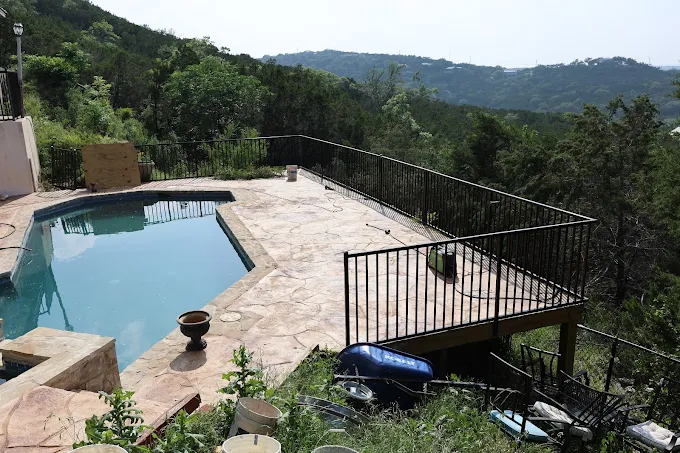
For homeowners with pools, proper pool fence installation is both a safety essential and often an insurance requirement.
Curb Appeal and Property Value
Thoughtful design upgrades can boost your home’s value and neighborhood appeal:
- Decorative tops, post caps, or integrated railings
- Mixed-material designs combining wood with metal or masonry
- Coordinated decorative fence installation at the front with privacy in the back
Special Considerations: Pools, Pets, and HOA Requirements in Plano
Not every fence is just a simple boundary line. Some have jobs that come with special rules and responsibilities.
Pool Safety and Compliance
If you have a pool, your fence must meet specific safety standards for height, gate operation, and climb resistance. Proper pool fence installation and maintenance help ensure:
- Self-closing, self-latching gates
- No large gaps a child could slip through
- Sturdy construction that resists climbing
We helped a homeowner near Legacy West whose aging pool fence no longer met code. By upgrading to a combination of aluminum fences and tempered glass fences, they gained better safety and an unobstructed view of their pool from the patio.
Pet Containment and Durability
For families with dogs, fence care is about more than looks:
- Reinforce bottom rails and ensure no digging gaps
- Choose materials that resist scratching and chewing
- Inspect frequently if you have large, active breeds
Chain link and properly designed metal fence installation can be ideal for dog runs or side yards, while solid wood or vinyl works well for backyards where privacy is also a priority.
HOA and Neighborhood Standards
Many Plano subdivisions have HOA guidelines for fence height, color, and materials. Neglecting maintenance can lead to:
- Violation notices
- Required repairs or replacements
- Friction with neighbors
“Keeping your fence in good condition isn’t just about your property—it helps maintain the overall look and value of your neighborhood.” — Community Association Manager
Before making major changes, check your HOA documents or talk with your association to ensure your plans for custom fence design fit local standards.
What This Means for Businesses in Plano, TX
While this guide focuses on residential fences, many of the same principles apply to Plano’s businesses, offices, and commercial properties.
Retail centers, office parks, and industrial sites rely on fencing for security, access control, and brand image. Faded, leaning, or damaged fences can send the wrong message to customers and tenants—and may even create liability issues.
For commercial properties, proactive commercial fence installation and maintenance are especially important because:
- Higher traffic means more wear on gates and hardware
- Larger perimeters magnify small problems over time
- Insurance and safety requirements may demand secure perimeters
Many local businesses along the Dallas North Tollway or in the Legacy business district choose durable chain link fences with privacy slats, or ornamental steel options that balance security with appearance. Regular inspections and timely repairs keep these systems reliable.
Commercial properties also benefit from integrated solutions such as:
- Commercial gates with automated openers
- Access control systems with keypads, card readers, or remote management
- Specialized farm fencing or perimeter fencing for larger tracts and corporate campuses
For any Plano property—residential or commercial—the message is the same: consistent fence maintenance protects your investment, enhances safety, and supports the image you want to project.
Frequently Asked Questions
Q: How often should I stain or seal my wood fence in Plano’s climate?
A: In North Texas, most wood fences benefit from staining or sealing every 2–4 years, depending on the product used and how much direct sun your fence receives. South- and west-facing sections fade faster and may need more frequent attention. A high-quality, professionally applied finish creates a protective barrier against UV, moisture, and mildew. Many homeowners pair new wood fence installation with initial staining within 30–60 days, then follow a regular maintenance schedule. If water no longer beads on your fence when you spray it with a hose, it’s a good sign it’s time to recoat.
Q: My fence is leaning in several places. Can it be repaired, or do I need a full replacement?
A: It depends on what’s causing the lean and how widespread the damage is. If only a few posts have rotted or shifted, targeted fence repair—replacing posts, resetting concrete, and reinforcing rails—may restore stability. However, if your fence is older (15+ years), has multiple rotten posts, or many boards are deteriorating, a full fence replacement is often more cost-effective long term. In Plano’s shifting clay soil, addressing underlying issues like drainage and post depth is key, whether you choose repair or new residential fence installation.
Q: Are metal or vinyl fences better than wood for Plano homes?
A: Each material has pros and cons. Wood offers classic privacy and warmth but needs more ongoing fence maintenance. Vinyl is low-maintenance and resists rot and insects, though it can be more expensive upfront. Aluminum fences and wrought iron fences are excellent for security and open views, especially around pools or greenbelts, but they don’t provide full privacy. In Plano’s climate, higher-quality materials and professional fence installation make the biggest difference, regardless of type. Many homeowners choose mixed-material solutions to balance privacy, durability, and aesthetics.
Q: How can I tell if my fence posts are failing?
A: Start at the base, where posts meet the ground. Gently push each post from different directions—if it moves significantly or feels spongy, that’s a red flag. Look for signs of rot, such as darkened wood, soft spots you can press with a screwdriver, or separation between the post and concrete footing. In metal or metal fence installation, check for rust at the base and where posts meet rails. In Plano’s soil, posts often fail at or just below ground level due to moisture and movement. Addressing failing posts early can prevent entire sections from collapsing during a storm.
Q: What kind of fence is best for pool safety in Plano?
A: For pools, safety and code compliance come first. Many homeowners choose aluminum fences or ornamental steel because they’re strong, low-maintenance, and difficult to climb. Proper pool fence installation typically includes self-closing, self-latching gates and specific height and spacing requirements. Some properties opt for glass fences to preserve sightlines from the house to the pool. Whatever material you choose, pairing it with secure residential gates and, where appropriate, access control ensures both safety and convenience.
Q: Do I need a different type of fence for pets or larger properties?
A: For pets, especially large or active dogs, durability and containment are key. Sturdy chain link fences, reinforced wood, or well-designed farm fencing can all work, depending on your yard and your pet’s behavior. For larger properties on the outskirts of Plano or semi-rural areas, farm fencing options like welded wire, pipe, or rail systems offer cost-effective perimeter control. Pairing these with durable estate gates or commercial gates (for ranch-style entrances) provides secure, attractive access that stands up to daily use.
Q: How much maintenance do mixed-material or corrugated metal fences need?
A: Corrugated metal fences and mixed material fences—such as combinations of wood and metal—are popular in modern Plano neighborhoods. They’re generally durable but need balanced care: protect metal panels from standing water and inspect fasteners for corrosion, while still staining or sealing any wood components regularly. Because these designs often feature custom fence design elements, professional inspections every few years help ensure that joints, fasteners, and transitions between materials remain strong and weather-tight.
Ready to Get Started?
North Texas weather won’t wait, and neither will wear and tear on your fence. Each season that passes without attention can shorten your fence’s lifespan—and increase the likelihood of sudden failures after a storm or heavy rain. Whether your fence just needs a little TLC, or you’re ready for a new, more durable design, this is the ideal time to act.
Start with a simple walk around your property. Note any leaning sections, soft spots, or gate issues. Then, reach out to schedule a professional assessment and discuss options—from repair and staining to complete residential fence installation or upgraded residential gates and access control.
Fence Pros of Texas understands Plano’s soil, weather, and neighborhood standards. Our team has years of experience helping local homeowners and businesses protect and enhance their properties with well-built, well-maintained fences that last.
Take the next step today—your fence, your privacy, and your peace of mind are worth it.
About Fence Pros of Texas
Fence Pros of Texas is a locally focused fencing contractor serving Plano and surrounding North Texas communities. Our team specializes in residential fence installation, commercial fencing, farm fencing, custom gates, and professional staining services. With a commitment to quality materials, precise workmanship, and honest guidance, we help Plano property owners build and maintain fences that are as reliable as they are attractive. Learn more about our services at Fence Pros of Texas.