
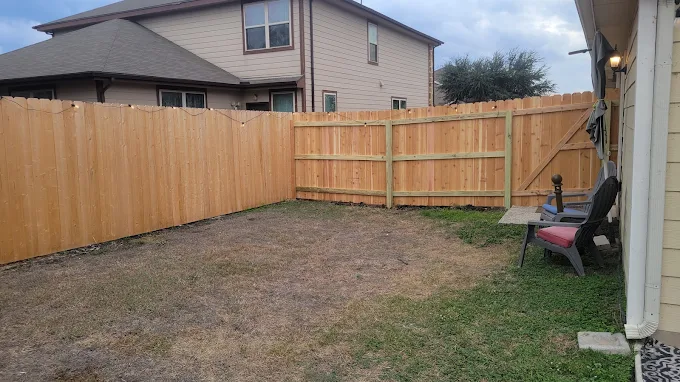
Expert Tips for Choosing Fence Staining Colors
In a place like Plano, where the sun beats down more than 230 days a year and summer temps routinely climb past 95°F, the color you choose for your fence stain does more than affect curb appeal. It changes how often you’ll maintain your fence, how hot your backyard feels, and even how your property looks on listing photos if you decide to sell. According to local real estate data, homes with well-maintained, coordinated fencing can see up to a 5–10% boost in perceived value compared to similar homes with faded or mismatched fences.
Yet many homeowners and property managers pick stain colors in a five‑minute rush at the paint aisle—then regret it for years.
This guide walks you through how to choose fence staining colors with confidence, using real‑world examples from Plano and North Texas. You’ll learn how sunlight, architecture, landscaping, and long‑term maintenance all factor into your color choice, plus how to coordinate stain with existing Wood Fences, metal accents, and gates for a polished, professional look.
Key Insight: The best fence stain color isn’t just “what you like”—it’s the shade that works with your property’s style, Plano’s climate, and your long‑term maintenance goals.
Start with Your Property Style, Not the Stain Chart
Before you fall in love with a stain chip, step back and look at your property as a whole. The most successful fence projects in Plano start by matching the stain color to the home’s architecture, roofing, trim, and existing outdoor structures.
Match the Mood of Your Home
Different home styles call for different stain approaches:
- Traditional brick homes (common in Plano suburbs):
Warm medium browns and chestnut tones tend to complement red or tan brick. Dark espresso stains can look sharp with lighter brick but may feel too heavy with darker brick.
- Modern or contemporary homes:
Cooler tones, such as weathered gray or neutral brown, pair well with sleek lines, metal accents, and large windows. If you have Mixed Material Fences that combine wood with metal, a more muted stain keeps the look cohesive.
- Ranch and acreage properties:
Lighter, natural stains often fit best with open spaces and larger runs of fencing, especially around pastures or where you’re complementing Farm Fencing and barns.
A Plano client near Oak Point Park had a light‑brick home with a dark charcoal roof. They initially wanted a very dark walnut stain because they’d seen it online. Once we held stain samples next to their brick and fascia, it was clear a medium, warm brown tied everything together better—and didn’t overpower their smaller backyard.
“The fence should frame your property, not steal the show.” — Senior Project Manager, Fence Pros of Texas
Consider Existing Materials and Features
Look at:
- Roof color and material
- Window trim and shutters
- Decks, pergolas, or railings (especially if you’re planning new railings)
- Stonework, pavers, or concrete
If you already have a stained deck or pergola, matching or coordinating those tones will make your whole outdoor space feel intentional rather than pieced together over time.
How Sun, Shade, and Plano Weather Change Fence Colors
The stain swatch you see indoors can look completely different once it’s on a 6‑foot fence under the Texas sun. Plano’s UV exposure and heat are some of the biggest reasons stain color and product choice matter.
UV Exposure and Fading
The stronger the sun, the faster pigments break down. That means:
- Lighter stains fade more gently but show wood grain and imperfections more clearly.
- Darker stains offer better UV protection but may show fading lines more dramatically over time, especially on south‑ and west‑facing fences.
In a West Plano neighborhood, two neighbors chose similar dark brown stains. One used a high‑quality oil‑based product; the other chose a bargain water‑based stain. After two summers, the lower‑quality stain had turned patchy and dull, while the premium stain still looked rich, only slightly mellowed by the sun.
“In North Texas, UV resistance is just as important as color. A good product keeps your chosen color looking like itself for years.” — Fence Pros of Texas Staining Specialist
Heat, Glare, and Backyard Comfort
Color also affects how your yard feels:
- Dark stains can absorb more heat, which might matter if your fence is close to seating areas.
- Very light stains or natural finishes can reflect more light, sometimes creating glare in open, treeless yards.
If your backyard faces west and you already struggle with late‑day heat, a mid‑tone stain often strikes the right balance—rich color without becoming a heat magnet.
Moisture and Wood Movement
Plano gets its share of spring storms and humidity. Stains with enough pigment and penetration help protect against:
- Warping and cracking
- Mildew and water marks
- Uneven weathering
That protection keeps your chosen color more uniform over time—which is especially important for Fence Maintenance and long‑term curb appeal.
CALLOUT: Always test stain samples on the actual fence, in an area that gets both sun and shade. Check them at different times of day for at least 24–48 hours before committing.
Coordinating Stain with Different Fence Types and Materials
Not every fence on your property needs to be the same color, but they should feel related. Many Plano properties mix materials—wood privacy fencing along the back, decorative metal along the front, or a combination of wood and steel posts.
Wood Fences and Privacy Fences
For full Privacy Fence Installation, the stain color sets the tone of your entire backyard. Common directions:
- Natural cedar tones: Great for new cedar fences; they highlight grain and knots.
- Warm browns: Timeless, forgiving of minor dust or pollen, and work with most home colors.
- Grays and taupes: Popular with modern homes and those with cool‑toned exterior palettes.
In a neighborhood near Legacy West, a homeowner with a modern stucco home chose a cool gray stain on their horizontal wood fence. Paired with black metal accents and clean landscaping, the fence looked like an extension of the home’s architecture rather than an afterthought.
Metal and Mixed Material Fences
If you have or are considering Wrought Iron Fences, Aluminum Fences, or Corrugated Metal Fences, your stain choice should complement metal finishes:
- Black or bronze metal pairs well with medium to dark stains.
- Galvanized or silver metal looks sharp with cooler browns and grays.
- Rustic or weathered metal can work beautifully with lighter, natural stains for a farmhouse or industrial look.
For example, a small Plano office park used Decorative Fence Installation along its frontage: black metal panels with horizontal stained cedar inserts. A rich walnut stain on the wood pulled in the building’s dark window frames and signage, creating a cohesive, high‑end appearance for clients.
Gates and Access Control
If you have Security Fence Installation or automated gates, match stain colors to gate frames and posts so the entire system looks integrated. With Residential Gates and Estate Gates, a coordinated palette between wood infill and metal framing is one of the quickest ways to elevate curb appeal.
Balancing Color, Maintenance, and Long‑Term Costs
Color choice isn’t just aesthetic—it affects how often you’ll need to restain, how quickly wear shows, and what your long‑term costs look like. For Plano homeowners and businesses, thinking ahead can save thousands over the life of a fence.
How Color Affects Maintenance
In general:
- Lighter stains
- Pros: Hide dust and water spots better; fading is less noticeable.
- Cons: Offer slightly less UV protection; may need more frequent touch‑ups in full sun.
- Darker stains
- Pros: Strong UV protection; can mask older or mismatched boards.
- Cons: Show scratches, sprinklers marks, and uneven fading more clearly.
- Gray and specialty tones
- Pros: On‑trend; pair well with modern design.
- Cons: Can be harder to match perfectly for spot Fence Repair or future Fence Replacement.
In one Plano HOA, half the homeowners chose a rich dark brown, while the other half went with a medium cedar tone. After five years, the cedar‑tone fences still looked reasonably even with one maintenance coat, while the dark fences showed more visible banding where sprinkler overspray hit. Both looked good—but the darker fences required more precise application and prep.
Local Cost and Longevity Comparison
Here’s a simplified look at how stain tone can affect long‑term upkeep in the Plano climate, assuming professional application and typical sun exposure:
| Stain Tone | Approx. Recoat Interval (Plano) | Visibility of Wear | Typical Long‑Term Cost (15 yrs) |
|---|---|---|---|
| Light / Natural | 3–4 years | Low to Moderate | $$ |
| Medium Brown | 4–5 years | Moderate | $$–$$$ |
| Dark Brown / Espresso | 4–6 years | Higher | $$$ |
| Gray / Specialty | 3–4 years | Moderate to High | $$$ |
\Relative comparison only; actual costs depend on fence size, product, and prep.
“A well‑chosen stain can stretch your maintenance cycle by a year or two, especially when combined with proper prep and quality products.” — Fence Pros of Texas Estimator
If you’re managing multiple properties—say a small commercial center plus a rental home—choosing a forgiving, medium‑tone stain can simplify Commercial Fence Installation maintenance and keep your properties looking consistently cared for.
Color Strategies for Different Property Types in Plano
The “right” stain color can vary depending on whether you’re staining a family home, a small business, or acreage outside the city center. Each has different priorities: privacy, branding, visibility, or blending into the landscape.
Single‑Family Homes and Neighborhood Properties
Most Plano homeowners want:
- Privacy without feeling boxed in
- A backyard that feels inviting
- Good resale appeal
Common winning strategies:
- Match or slightly complement neighboring fences if you share property lines. A wildly different stain can make your yard stand out for the wrong reasons in a tight subdivision.
- Choose a mid‑tone brown if you’re unsure; it’s the most universally appealing and easiest to sell later.
- If your home’s exterior is busy (multiple brick colors, stone, shutters), a simpler, neutral stain keeps the yard from feeling visually crowded.
In a subdivision near Preston Road, a homeowner with three different adjoining neighbors opted for a classic medium cedar stain. While each neighbor had slightly different shades, the overall effect from the street was cohesive, and their real estate agent later credited the “clean, uniform fencing” as a selling point.
Commercial Properties and Offices
For businesses, the fence is part of your brand image. Consider:
- Matching stain tone to building trim or signage colors.
- Using darker stains for a more formal, upscale feel on Security Fence Installation or Commercial Gates.
- Choosing colors that won’t show dirt quickly if your property sits near busy roads like US‑75 or the Dallas North Tollway.
A Plano medical office on a high‑traffic corner used a dark walnut stain on its perimeter Metal Fence Installation with wood infill. The darker tone helped the fence recede visually behind landscaping, keeping the building and sign as the focal points.
Acreage, Farm, and Equestrian Properties
For larger properties around the outskirts of Plano and Collin County:
- Lighter, natural stains help long fence lines blend into fields and pastures.
- Consistent color across Farm Fencing, drive entries, and outbuildings creates a unified, professional appearance.
- If you’re housing animals, consider how dark colors might absorb heat along runs where animals rest.
Practical Steps to Choose the Right Stain Color (Without Stress)
Choosing a stain color doesn’t have to be overwhelming. A simple step‑by‑step process can give you clarity and confidence.
Step 1: Define Your Priorities
Ask yourself:
- Is your top priority appearance, low maintenance, or resale value?
- Do you want the fence to stand out or blend in?
- How long do you plan to stay in this property?
If you’re planning to sell within 3–5 years, it often makes sense to choose a classic, broadly appealing color rather than something highly unique.
Step 2: Narrow to a Color Family
Based on your home and priorities, decide whether you’re aiming for:
- Light/natural
- Medium warm brown
- Dark brown/espresso
- Gray or cool neutral
From there, you’re not picking from dozens of options—just a few in that family.
Step 3: Test in Real Conditions
Have your contractor apply sample swatches directly to your fence (or to sample boards of the same wood species). View them:
- Morning and afternoon
- In full sun and shade
- From inside the house and from the street
One Plano homeowner thought they wanted a dark espresso stain. After seeing a test swatch in afternoon sun, they realized it made their narrow backyard feel smaller and more enclosed. They shifted to a slightly lighter tone that preserved the richness without closing in the space.
Step 4: Think Ahead to Maintenance
Discuss with your contractor:
- Expected recoat intervals for each color option
- How easily the color can be refreshed or darkened later
- Whether your fence will require any Fence Repair or prep before staining
CALLOUT: It’s easier to go darker on future coats than lighter. If you’re torn between two shades, many Plano homeowners are happier long‑term choosing the slightly lighter option and darkening later if desired.
What This Means for Businesses in Plano, TX
For property owners and managers in Plano, fence stain color isn’t just a design choice—it’s part of your overall asset strategy.
- Curb Appeal and Tenant Attraction:
Whether you manage a small office park, a retail strip, or a multi‑tenant residential property, consistent, well‑chosen stain colors signal care and professionalism. Prospective tenants notice faded, mismatched fencing just as quickly as they notice peeling paint on a front door.
- Brand and Perception:
A law office near Downtown Plano might opt for darker, formal tones that convey stability and privacy. A childcare center may prefer warmer, lighter tones that feel friendly and open. The stain color becomes part of how people feel as they approach your building.
- Operational Efficiency:
Coordinating stain colors and products across multiple properties can simplify your Fence Maintenance schedule. Using a small palette of proven colors that weather well in Plano’s climate lets you plan maintenance, budgeting, and Fence Replacement in a predictable way.
- Security and Privacy:
For properties that rely on Access Control or perimeter security, color can help fences and gates blend into landscaping so security is present but not visually harsh. Darker stains and coordinated metal finishes can make high‑security Commercial Gates feel intentional and upscale rather than industrial.
With Plano’s competitive real estate and business environment, details like fence stain color can quietly influence how customers, tenants, and buyers experience your property. Thoughtful choices now can support property values, brand image, and long‑term maintenance budgets.
Frequently Asked Questions
Q: How do I know which stain colors will look good with my specific Plano neighborhood?
A: Start by walking or driving through your immediate area. Notice what stain colors your neighbors are using and how they look in full Texas sun. In many Plano subdivisions, HOAs have guidelines or preferred color ranges for Residential Fence Installation and staining, so it’s smart to check those documents first. From there, aim for a color that coordinates rather than clashes—usually a medium brown or natural tone. A professional fencing contractor familiar with Plano neighborhoods can also suggest colors that have worked well for similar homes and local associations.
Q: Will a darker stain protect my fence better in the Plano sun?
A: Generally, yes. Darker stains contain more pigment, which acts like sunscreen for your wood, helping shield it from UV rays that cause graying and breakdown. In Plano’s high‑UV environment, that extra pigment can extend the life of your stain and slow down fading, especially on south‑ and west‑facing fences. However, darker stains can show wear and water marks more clearly and may make smaller yards feel more enclosed. The key is to balance UV protection with the look and feel you want. A high‑quality, mid‑tone stain often offers an excellent compromise.
Q: How often will I need to re‑stain my fence in Plano?
A: Most fences in Plano benefit from restaining every 3–6 years, depending on exposure, product quality, and color. Full‑sun fences with lighter stains may need attention closer to the 3–4‑year mark, while fences with darker stains or more shade can sometimes go 5–6 years between full coats. Regular inspections help—if you see noticeable fading, dry wood, or water no longer beading on the surface, it’s time to plan for maintenance. Building Fence Maintenance into your property schedule can prevent more expensive issues like warping or premature Fence Replacement.
Q: Can I change my stain color later if I don’t like it?
A: You can usually go darker or richer later, but going significantly lighter is challenging without sanding or more extensive prep. If your fence currently has a light or medium stain, you can often shift to a deeper tone or slightly different hue with proper cleaning and prep. If it’s already very dark and you want a lighter look, your contractor may need to strip or sand the surface, which increases labor and cost. That’s why testing colors on your actual fence and viewing them at different times of day is so valuable before the first full application.
Q: Should my gates and metal fences match my wood fence stain?
A: They don’t need to match exactly, but they should coordinate. For example, black metal Residential Gates look great with nearly any stain, from natural cedar to dark walnut. Bronze or brown metal can pair especially well with warmer wood tones. If you have Metal Fence Installation with wood infill, choosing a stain that echoes the warmth or coolness of the metal finish creates a cohesive look. On commercial properties, tying gate and fence colors into your building’s trim or branding colors helps your perimeter feel like part of the overall design rather than an add‑on.
Q: Does stain color affect fence performance around pools or high‑moisture areas?
A: The color itself doesn’t directly change performance, but the type of stain and coverage do. Around pools and other high‑moisture areas, a quality penetrating stain with sufficient pigment is crucial to protect against splashing, chemicals, and humidity. Many Plano pool owners choose medium to darker stains for Pool Fence Installation because they tend to hide water spots and minor discoloration better than very light tones. Whatever color you choose, proper prep, product selection, and regular maintenance are the biggest factors in long‑term performance around pools.
Q: How does stain choice differ for commercial vs. residential properties in Plano?
A: Commercial properties often prioritize branding, consistency, and durability across larger areas. For Commercial Fence Installation, darker, more formal stains are common along frontages, while more neutral tones may be used around service areas or parking lots. Businesses on high‑visibility roads may want colors that don’t show road dust quickly. Residential properties, on the other hand, lean more toward personal preference, backyard comfort, and neighborhood fit. In both cases, Plano’s sun and weather demand high‑quality products and a realistic maintenance plan, but color choices are often more conservative and brand‑driven for commercial sites.
Ready to Get Started?
Plano’s weather won’t wait, and neither will UV damage. If your fence is starting to gray, fade, or look patchy, you’re at the ideal point to choose a fresh stain color and protect your investment before the wood deteriorates. Early spring and fall are especially popular seasons for staining in North Texas, which means schedules can fill quickly—planning now helps you secure preferred timing and avoid working in the peak summer heat.
The next step is simple: take a look at your home or property from the street and from the backyard, note any existing colors you love, and think about the mood you want your outdoor space to have. From there, a professional team can walk you through color families, product options, and sample applications tailored to Plano’s climate and your specific fence type—whether it’s a classic wood privacy fence, mixed‑material design, or a property with Access Control and gates.
A thoughtfully chosen stain color today can mean a better‑looking fence, lower maintenance surprises, and a more welcoming property for years to come.
About Fence Pros of Texas
Fence Pros of Texas proudly serves homeowners, businesses, and acreage properties throughout Plano and the North Texas area with expert fencing, gate, and staining services. Our team brings years of hands‑on experience with local soils, weather, and architectural styles, delivering solutions that look great and hold up under Texas conditions. From custom Custom Fence Design to precision staining and Fence Maintenance, we focus on craftsmanship, honest guidance, and long‑term value for our clients. Learn more about our services and local projects on our website.