
Upgrade Safety with Durable Commercial Fencing Solutions
A lot of Plano businesses upgrade their storefronts before they look at the perimeter. Then one afternoon a delivery driver tells them, “I can’t tell where the boundary is,” or a manager notices a small gap where the fence line used to be tight. What starts as a convenience issue quickly becomes a safety and security problem—especially for warehouses, outdoor storage areas, and properties with controlled access.
Durable commercial fencing isn’t just about looks. It’s about controlling movement, preventing unauthorized entry, and keeping the system standing through North Texas weather swings, heavy sun exposure, and occasional high-wind events. If you’re planning a perimeter upgrade, the details of materials, post installation, and gate operation matter as much as the fence style.
Quick Answer
For commercial properties in Plano and North Texas, the most reliable fencing upgrades typically combine strong framing, proper post depth and bracing, and site-aware gate planning. Chain link fences, metal systems, and certain privacy fence installations can all work well—when they’re installed with correct drainage, tensioning, and hardware choices. If your goal is safety and controlled access, pairing your perimeter with commercial gates and a well-designed access control approach is usually the biggest improvement you can make.
Commercial Fencing That Works in Real Life (Not Just on Paper)
From what we see on North Texas sites, successful commercial fencing upgrades usually come down to three priorities:
1. A perimeter that stays aligned
- Fence lines fail when posts shift, concrete is inadequate, or braces are undersized.
- Chain link and metal fences especially need correct tensioning and end/terminal post strength.
2. Gates that function safely every day
- A fence can be strong, but an unreliable gate creates the weak link.
- Swing gates need correct clearances, reinforced hinge posts, and hardware that matches wind and traffic patterns.
- If you handle frequent deliveries, automated operation should be planned around the real flow of vehicles and pedestrians.
3. A layout that supports access control
- Even the best fence is less effective if doors, openings, or unclear boundaries allow easy bypass.
- We often recommend aligning gates with walkways, loading areas, and signage so controlled movement is natural—not optional.
If you’re comparing options, you may also find it helpful to review how different materials perform in real settings. For example, commercial fencing solutions are designed around heavier-use requirements than typical residential installs.
A realistic commercial scenario we commonly run into
A Plano-area light industrial property had an aging fence that “looked fine” from the street. Inside the yard, however, employees were forced to prop open sections during shift changes because the gate latch was unreliable and the fence line had started to sag. Over time, the sag created new clearance spots that made unauthorized entry easier—especially after rain softened the ground temporarily.
When we inspect systems like this, we’re not just checking the fence panels. We’re checking the post conditions, the gate hinge/receiver alignment, and whether the fence line was installed with the right foundation depth for the soil movement common across North Texas.
What Property Owners Often Overlook
Most perimeter problems aren’t caused by the fence material alone. They’re caused by what happens around the fence.
1) Post depth and foundation planning
A common contractor observation: even when the fence style looks correct, the system can fail early if posts weren’t set deep enough or if the concrete placement didn’t properly stabilize the post. In North Texas, soil moisture changes can create movement over time—especially near drainage paths, downspouts, or areas where water collects.
2) Drainage and water behavior
If water runs toward the fence line, it undermines stability. We frequently see fences leaning because water was redirected during landscaping or because grading wasn’t addressed when the fence was installed.
3) Hardware mismatches on gates
Gate hardware is not “one size fits all.” Using the wrong hinge setup, undersized reinforcement, or mismatched latches can lead to sag, misalignment, and unsafe operation. The fence may hold, but the gate becomes the failure point.
Common Mistakes That Reduce Fence Lifespan
Here are the mistakes we see most often when businesses try to manage perimeter upgrades without detailed planning:
Common Mistake #1: Choosing style first, structure second
Decorative or “good-looking” fencing can still fail if it’s not built for wind load, impact risk, and site conditions. For commercial properties, the structural frame and installation method should lead.
Common Mistake #2: Ignoring fence line transitions
Corner transitions, changes in grade, and interfaces with existing structures (walls, columns, loading docks) are where reinforcement matters most. If the transition isn’t engineered, the whole run can gradually drift.
Common Mistake #3: Underestimating gate traffic
A gate used for deliveries, maintenance vehicles, or daily pedestrian traffic experiences more stress than a gate that’s rarely opened. That affects how you size the opening, choose hardware, and decide whether automation is appropriate.
Common Mistake #4: Delaying fence repair until it’s “obviously broken”
Small issues—like a loose hinge, a shifting post, or a fence section that’s slightly out of line—often get worse quickly. The earlier you address it, the less likely you’ll need a full replacement.
If your current perimeter is aging, you may want to explore options for fence replacement planning or repair strategy depending on the condition of posts and bracing.
Installation, Repair, and Maintenance Checklist (Commercial Edition)
A commercial perimeter should be built for long-term performance. Use the checklist below during planning and after installation.
Pre-Installation Planning Checklist
- Confirm property line and easements (especially near shared utilities and loading zones).
- Map water flow: downspouts, irrigation runoff, and low spots that collect water.
- Identify impact risks: vehicle bump zones, dumpsters, forklift paths, and maintenance traffic.
- Measure gate usage: frequency, vehicle types, and whether pedestrians use the gate.
- Plan for access control: decide whether you need controlled entry points now or in the near future.
Post-Installation Maintenance Checklist
- Inspect gate operation monthly:
- check smooth opening/closing
- confirm latch alignment
- look for hinge looseness or sag
- Check fence line alignment quarterly:
- look for leaning sections
- watch for fence tension changes (chain link) or loosened rails (metal systems)
- After storms:
- do a quick visual scan for bent posts, loose hardware, and damage at corners/ends
- Keep vegetation controlled:
- trim plants that rub fence posts or trap moisture
Why Some Fence Systems Fail Early
Even solid materials can fail if the installation doesn’t account for Texas conditions.
North Texas weather reality
In Plano and the surrounding area, you’ll typically see intense sun exposure and periodic high-wind events. Over time, heat can stress materials, and wind can apply force to fence lines—especially tall runs or areas with open exposure. If the system doesn’t have proper bracing and end-post strength, it can slowly loosen or misalign.
Soil movement and moisture cycles
North Texas soils can shift with moisture changes. If posts aren’t installed with correct depth and foundation practices—or if water is allowed to pool near the fence base—movement becomes more likely.
Contractor insight from the field
One firsthand observation from our crews: many “mystery” fence lean issues come from a foundation that didn’t fully stabilize the post (or from drainage that changed after installation). When we correct the post setting and address water flow, the fence line often stops moving—because the real cause wasn’t the visible fence panels.
Fence Material Options for Commercial Properties (What Fits Best)
Commercial fencing doesn’t have to mean one material type. The best choice depends on security needs, visibility requirements, and maintenance tolerance.
| Material Type | Best For | Strengths | Key Consideration |
|---|---|---|---|
| Chain Link Fences | Warehouses, yards, perimeter security | Strong coverage, adaptable | Tensioning, terminal post strength, gate hardware |
| Aluminum Fences | Low-to-medium security with visibility | Corrosion resistance, clean look | Wind planning and post reinforcement |
| Wrought Iron Fences | Decorative security and defined boundaries | Durable appearance | Hardware maintenance and coating care |
| Metal Fence Installation (mixed systems) | High-traffic areas | Robust framing options | Match hardware and foundation to usage |
| Privacy Fence Installation (certain designs) | Screened yards/offices | Visual privacy and controlled sightlines | Wind load and panel/frame strength |
If you’re trying to decide between security-focused visibility and privacy screening, it can help to think about how people and vehicles actually move through your site. For example, a perimeter that blocks sightlines can be great for privacy, but you’ll still need clear, controlled entry points.
And if you’re considering a perimeter upgrade that pairs fence sections with safer, more controlled access, start by reviewing commercial gate installation support.
Plano / North Texas Relevance: What Changes on Local Properties?
On many Plano commercial sites, perimeter upgrades are influenced by the same few local realities:
- Fast-paced development and expanding business lots often create new traffic patterns and new “shortcut” behavior that fences must prevent.
- Heat exposure can accelerate wear on coatings and hardware if materials and installation quality aren’t matched.
- Storm events can reveal weak points—especially around gates and fence corners where forces concentrate.
This is why we recommend designing the fence line and gate system as one safety solution, not separate projects.
A Real (Anonymized) Perimeter Upgrade Case Example
A multi-tenant commercial property had an older chain link perimeter around outdoor storage. Tenants complained about three issues: loose sections, a gate that didn’t latch consistently, and unclear pedestrian access near the entry.
Our crew evaluated the terminal posts, gate reinforcement, and the ground conditions around the gate area. The biggest contributing factors weren’t just wear—they were uneven stability at the gate hinge side and a drainage pattern that pushed water toward the base of key posts.
The solution included:
- replacing critical terminal posts and reinforcing the gate hinge side
- upgrading gate hardware for smoother, safer daily operation
- re-checking alignment so the gate closes fully without “helping it”
After the upgrade, tenants stopped using makeshift workarounds (like leaving sections unsecured). That’s the real win: the system became safer and easier to use correctly.
Quick Recommendation: Prioritize the Gate + Access Control First
If you’re upgrading for safety, begin with the most vulnerable point: controlled entry. A perimeter fence is only as secure as the openings in it.
For many commercial properties, the most effective next step is pairing fencing with a gate solution built for your access routine. If you’re exploring access control options, review automatic access control systems to understand how gate operation can reduce unauthorized entry and improve day-to-day compliance.
FAQ
What’s the safest commercial fencing approach for a warehouse?
For warehouses and outdoor storage yards, safety comes from combining a secure perimeter with gates designed for the actual traffic pattern. Chain link systems are common because they provide strong coverage and can be engineered with robust terminal posts, tensioning, and reinforced gate hardware. If you also need controlled entry for vehicles and pedestrians, integrating the right gate setup (and planning for access control) is often the difference between “a fence that looks secure” and a fence that performs as intended.
How do I know if my commercial fence needs repair or replacement?
Look for movement at posts, repeated gate misalignment, and loose structural components. If end posts are shifting or the gate hardware has been repeatedly adjusted, replacement of key structural elements is often the more reliable fix. We generally recommend evaluating foundation stability and bracing before assuming it’s only cosmetic damage, because structural problems tend to return if the root cause isn’t addressed.
Are chain link fences good for Texas weather?
Yes—when installed correctly. Chain link can perform well in North Texas because it handles sun exposure and wind forces better than poorly reinforced systems. The key is proper installation: correct post depth, strong terminal posts, correct tensioning, and gate reinforcement. Without those, even chain link can sag or loosen early, especially near gates and corners.
Is automatic gate installation worth it for commercial properties?
If your site has frequent deliveries or you need consistent controlled entry, automation can be worth it. It reduces manual handling and helps ensure the gate is operated correctly every time. The tradeoff is planning: the automation setup should match gate size, traffic flow, and the safety requirements of your entry area. That’s why we recommend designing the gate hardware and reinforcement together, not as an afterthought.
Ready to Improve Your Property’s Security and Appearance?
If your commercial perimeter is showing early signs of weakness—sagging sections, unreliable gates, or gaps that shouldn’t exist—the best time to address it is now. Proper installation details (post depth, drainage planning, reinforcement, and gate hardware) are what keep fencing systems standing and performing under Texas conditions.
About Fence Pros of Texas
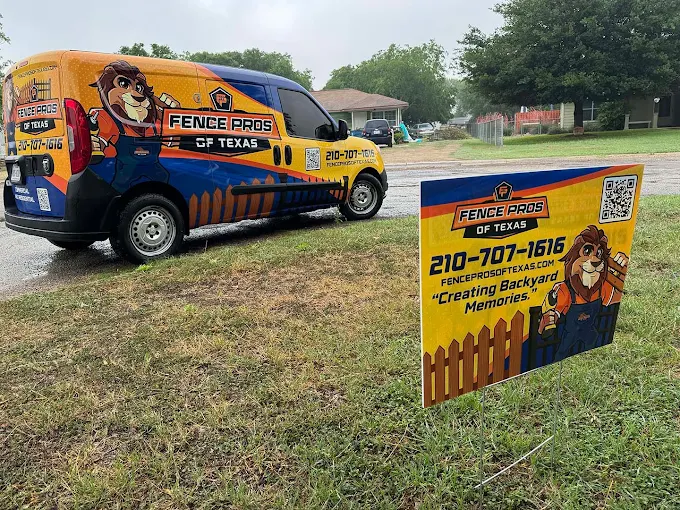
Fence Pros of Texas provides residential fencing, commercial fencing, automatic gates, access control systems, railings, staining, and custom fence installations throughout Plano, TX and surrounding North Texas communities. We focus on durable craftsmanship, long-term property security, curb appeal, and practical guidance that helps homeowners and businesses make smart fencing and gate decisions for the way they actually use their property.