
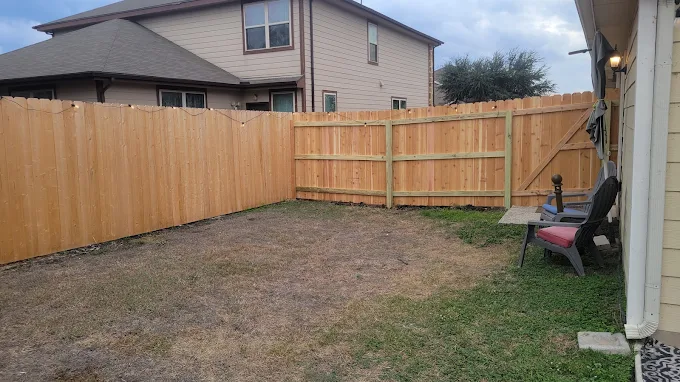
Residential Fencing for Backyards: Wind and Weather Control
On a typical spring afternoon in Plano, the wind can jump from a light breeze to 25–30 mph gusts in minutes. Add in sudden thunderstorms, intense summer sun, and the occasional hailstorm, and your backyard can feel more exposed than relaxing. Many homeowners call Fence Pros of Texas after a single bad storm, frustrated that their old fence leaned, rattled apart, or did nothing to block dust and wind-driven rain.
Across North Texas, wind-related damage is one of the most common reasons for Fence Repair and fence replacement. Insurance data shows that in Texas, wind and hail account for more than half of all homeowners’ insurance claims in many years. Yet most residential fencing is still designed primarily for appearance and privacy—not for wind and weather performance.
This guide explains how to choose and design backyard fencing that actively helps control wind, protects outdoor living spaces, and stands up to Plano’s unpredictable weather. You’ll learn which fence materials handle wind best, how design details affect performance, and what installation practices matter most. You’ll also see real examples from local properties and get practical tips you can use before you build, upgrade, or repair your fence.
Key Insight: The right fence doesn’t just mark your property line—it shapes your microclimate, protects your investment, and makes your backyard usable in more weather, more often.
How North Texas Weather Really Affects Your Backyard Fence
Plano sits in an open, wind-prone region where cold fronts and storm systems roll across relatively flat terrain. That means your fence must handle both frequent moderate winds and occasional severe gusts. It’s not just about “strong storms”; ongoing weather patterns slowly wear down a poorly built fence.
How Wind Interacts With Fences
Solid fences act like a wall. In strong wind, they catch the full force of the gusts. If the fence isn’t engineered correctly, that pressure transfers into posts and footings, leading to:
- Leaning or bowing sections
- Cracked or heaving concrete footings
- Broken rails or fasteners
- Uplift in saturated soil during storms
Semi-privacy or open designs, like some Aluminum Fences or Wrought Iron Fences, allow air to pass through, reducing pressure and stress.
“Wind doesn’t just hit your fence; it tries to push your entire fence line over. Good design turns that force into something your posts and footings can handle for decades.” — Senior Installer, Fence Pros of Texas
Local Case Example: East Plano Corner Lot
A homeowner near Oak Point Park had a 6-foot stockade wood fence installed by the builder. After a few storm seasons, it leaned badly on the west side where it took the full brunt of prevailing winds. The posts were shallow, the panels completely solid, and there was no gap at the bottom for drainage.
We replaced it with a reinforced Wood Fence Installation using taller posts, deeper footings, and a board-on-board design with slightly staggered boards. That small design change, along with better structure, cut wind load and has kept the fence straight through multiple spring storm seasons.
As we look at materials and design options, keep in mind that Plano’s clay soils and storm patterns demand more than a basic builder-grade fence.
Choosing Fence Materials That Work With the Wind, Not Against It
Different fence materials behave very differently in wind, moisture, and extreme temperatures. The “best” choice for your backyard depends on whether your top priority is privacy, durability, or low maintenance—and how exposed your property is.
Comparing Common Backyard Materials
Here’s how popular materials perform in Plano’s wind and weather:
| Material | Wind Performance | Weather Resistance in Plano | Maintenance Level | Typical Use Case in Plano |
|---|---|---|---|---|
| Wood Fences | Good if designed correctly | Can warp/rot without care | Medium–High | Privacy, classic look, subdivision backyards |
| Vinyl Fences | Good in moderate wind | Excellent moisture resistance | Low | Clean look, low-maintenance privacy |
| Aluminum Fences | Excellent (airflow-friendly) | Very good, rust-resistant | Low | Pools, open views, perimeter fencing |
| Wrought Iron Fences | Excellent (airflow-friendly) | Very good with coating | Medium | Decorative, estate-style, security |
| Chain Link Fences | Very good (wind passes through) | Good with coated options | Low | Side yards, dogs, utility areas |
| Corrugated Metal Fences | Very good if properly braced | Excellent if coated | Low–Medium | Modern privacy, wind protection zones |
| Mixed Material Fences | Varies by design | Varies by material | Medium | Custom design, wind + style balance |
Local Example: West-Facing Backyard in Plano
A homeowner near the Dallas North Tollway wanted strong wind control and privacy from a busy street. A full solid wood fence would have taken a beating from crosswinds. Instead, we designed a Mixed Material Fences solution: steel posts, corrugated metal panels facing the street, and horizontal cedar accents toward the patio side.
The metal panels deflect wind and noise, while the wood softens the look. Because the structure was engineered for higher wind load, it’s held up beautifully through several wind events.
Choosing the right material is step one. The next step is designing how that material is used so your fence shapes, rather than suffers from, the wind.
Fence Design: Using Layout and Style to Control Wind and Weather
Fence design determines how wind moves across your property and how comfortable your outdoor spaces feel. A well-planned fence can reduce gusts on your patio, keep debris out of your pool, and even protect landscaping.
Solid vs. Semi-Private vs. Open
- Solid privacy designs (traditional wood privacy or vinyl panels) block wind but take the full force of each gust. Best for smaller spans or when heavily reinforced.
- Semi-private designs (board-on-board wood, shadowbox styles, louvered panels) let some air pass through, reducing pressure while maintaining privacy.
- Open designs (ornamental Metal Fence Installation, Glass Fences around pools, or rail-style fences) do the best in high wind but provide less privacy.
“Think of your fence like a sail: the more solid it is, the more wind it catches. Sometimes the safest, longest-lasting fence is one that lets the wind share the backyard with you.” — Project Designer, Fence Pros of Texas
Strategic Layout for Weather Control
We often adjust layout to work with Plano’s typical winds:
- Windward side reinforcement: West and northwest fence lines usually need stronger posts or a semi-private design.
- Staggered sections: Breaking long runs with short returns or step-backs helps disrupt wind flow.
- Microclimate zones: Creating a more enclosed area around the patio or pool, while leaving other areas more open.
Case Study: Backyard Patio Near Legacy West
A couple in west Plano had a beautiful covered patio, but spring winds funneled straight through, making it unusable on gusty days. Replacing their aging fence with a tall, solid wall would have increased wind pressure and risk.
We designed a board-on-board Privacy Fence Installation with small gaps and staggered boards along the windward side, plus a slightly lower, more open section near the back to allow air to escape. The result: noticeably calmer conditions on the patio, less dust, and a fence that doesn’t flex and rattle in every storm.
Once the design is right, the quality of installation determines how well your fence actually handles those forces.
Installation Quality: The Hidden Factor in Wind-Resistant Fencing
Two fences can look identical on day one—but behave completely differently after a Plano thunderstorm. The difference is usually hidden below ground and inside the structure.
Why Posts and Footings Matter Most
Posts are the backbone of any fence. For wind and weather control, we focus on:
- Depth: In North Texas clay, posts typically need to be set deeper than in sandy soils to resist heaving and leaning.
- Diameter of concrete footings: Larger footings spread wind loads better and anchor the structure.
- Post material: Steel posts outperform wood posts for long-term wind and moisture resistance.
For taller or solid-panel fences, we often upgrade post size or spacing to match the increased surface area.
“Most of the fence failures we repair aren’t because the wind was ‘too strong’—they’re because the fence was never built for the wind we know Plano gets every year.” — Installation Manager, Fence Pros of Texas
Example: Builder-Grade vs. Upgraded Installation
In a newer subdivision, we were called to repair multiple leaning sections of a standard 6-foot wood fence. The builder had used shallow posts and minimal concrete. We replaced several runs with:
- Deeper posts set below the typical frost line
- Larger concrete footings with proper bell shape
- Heavier steel posts on long wind-facing spans
After a particularly strong spring front, the upgraded sections stayed true while many original builder-grade sections on neighboring lots showed new leaning.
High-quality installation also sets the stage for easier Fence Maintenance and repair down the road, instead of full replacement after just a few storm cycles.
Protecting Your Fence from Rain, Sun, and Seasonal Swings
Wind is only part of the story. Plano’s fences also face intense UV exposure, heavy rain events, and wide temperature swings. Over time, these conditions weaken materials and connections, making fences more vulnerable in storms.
Weathering and Material Performance
- Wood: Without protection, wood absorbs moisture, then dries repeatedly, leading to warping, cracking, and rot at the base of posts and pickets.
- Metal: Unprotected steel can rust, especially at welds and fasteners. Powder-coated Wrought Iron Fence Installation and aluminum systems resist this well.
- Vinyl: Generally handles moisture and sun well, but cheap products can become brittle over time.
Regular maintenance and protective treatments dramatically extend fence life and maintain structural strength.
Staining and Sealing for Weather Defense
Professional Fence Maintenance through staining and sealing:
- Reduces water absorption and swelling in wood
- Protects color and finish from UV fading
- Helps prevent surface cracking that wind can exploit
We recommend staining new wood fences after the initial drying period, then re-staining every few years depending on exposure.
Local Story: Saving a Fence in Central Plano
A homeowner off Coit Road had a solid cedar fence that was structurally sound but severely weathered after years without maintenance. The boards had started to cup and crack, and a few storms had already loosened several pickets.
Instead of full fence replacement, we repaired damaged sections, reinforced key posts, and applied a high-quality stain and seal. By the next storm season, the fence handled wind much better, and the homeowner avoided a far more expensive rebuild.
By combining good materials, smart design, and proactive care, your fence becomes a reliable part of your weather protection strategy—not another thing to worry about after every thunderstorm warning.
Special Considerations: Pools, Gardens, and Multi-Use Backyards
Not every backyard in Plano has the same needs. Some homeowners need strict safety and code compliance around pools, while others want to protect vegetable beds or small livestock from wind and weather.
Pool Areas and Wind
For pools, safety codes and visibility requirements often lead to more open designs like Pool Fence Installation with aluminum or wrought iron. These allow wind to pass through, which:
- Reduces fence stress
- Limits wind-driven water spray
- Keeps pool chemicals from evaporating as quickly as fully exposed setups
We’ve installed many aluminum pool fences in Plano that balance code compliance, wind performance, and aesthetics, especially in neighborhoods with HOA guidelines.
Gardens, Pets, and Outdoor Living Zones
For gardens and pets, wind and weather control can be just as important as security:
- Garden beds: Semi-solid Garden Fence Installation can shield delicate plants from harsh winds without shading them too much.
- Dog runs: Chain link or mixed wood-and-metal solutions can protect pets while allowing airflow to keep the area cooler.
- Multi-zone yards: Using Railings, low separators, and different fence styles within one yard can create sheltered patios, open play spaces, and secure side yards.
Example: Wind-Sensitive Garden in North Plano
A homeowner with raised beds near Independence Parkway struggled with plants breaking in gusty spring winds. Instead of enclosing the entire yard with a taller, heavier fence, we created a dedicated garden enclosure using a semi-private wood design about 5 feet tall.
The modified layout blocks the worst gusts, reduces soil drying, and still allows plenty of sun. The main property line fence remains a more open metal style that handles wind easily.
For larger properties around the outskirts of Plano, including small acreage and hobby farms, we often design Farm Fencing that balances animal safety, wind exposure, and long sightlines.
Traditional vs. Modern Approaches to Wind and Weather Control
Many fences in Plano were built using “standard” practices that didn’t fully account for wind loads or long-term weathering. Modern design and installation approaches are much more intentional.
| Aspect | Traditional Approach | Modern, Weather-Focused Approach |
|---|---|---|
| Design Priority | Privacy and basic security | Privacy, wind load, microclimate, longevity |
| Post Depth & Footings | Minimal code or builder standard | Engineered to soil and wind exposure |
| Material Choice | Default wood or chain link | Material matched to exposure, use, and maintenance |
| Panel Style | Solid, uniform 6-ft panels | Mix of solid, semi-private, and open where appropriate |
| Maintenance Planning | Reactive repairs after damage | Scheduled staining, inspections, and minor fixes |
| Integration with Other Systems | Fence as standalone element | Coordinated with Residential Gates, drainage, and landscaping |
By treating your fence as part of an overall outdoor environment—rather than a simple border—you gain more usable days outside, fewer storm surprises, and better long-term value.
What This Means for Homeowners in Plano, TX
Plano homeowners invest heavily in outdoor living spaces: covered patios, outdoor kitchens, pools, and play areas. All of these improvements depend on a fence that can handle our wind and weather while making your yard more comfortable.
Because Plano’s housing stock includes everything from older neighborhoods with aging wood fences to new subdivisions with basic builder installations, many properties have fences that are overdue for an upgrade. The combination of clay soils, storm fronts, and intense sun means a “good enough” fence somewhere else may not be good enough here.
For you, that means:
- Better planning pays off. Spending a little more effort up front on design and installation can prevent multiple repair cycles and premature replacement.
- Material and style choice matter. Whether you choose Vinyl Fence Installation, wood, metal, or mixed materials, tailoring the design to your specific lot orientation and exposure is key.
- Maintenance is part of weather control. Regular staining, inspections, and small repairs keep your fence strong enough to withstand seasonal storms.
If you own a business property or manage a community space, the same principles apply—just on a larger scale. Many of our Commercial Fence Installation projects in Plano incorporate wind considerations, especially near open parking lots and large buildings that can create wind tunnels.
Ultimately, a weather-smart fence gives you:
- More days each year when your backyard feels calm and comfortable
- Fewer worries about every forecasted storm front
- A longer-lasting investment that supports your home’s value
Frequently Asked Questions
Q: How tall should my backyard fence be to help with wind control in Plano?
A: For most Plano backyards, a 6-foot fence is common and can significantly reduce wind at ground level, especially when designed thoughtfully. However, height alone doesn’t guarantee better wind performance. A very tall, completely solid fence can act like a sail, taking heavy wind loads and potentially failing if posts and footings aren’t engineered correctly. Sometimes, a 6-foot semi-private design or a mix of 6-foot and 8-foot sections offers better control than a uniform 8-foot wall. During a Custom Fence Design consultation, we’ll look at your yard’s exposure, nearby structures, and HOA rules to recommend a height and style combination that balances privacy, wind load, and long-term durability.
Q: Which fence material holds up best to Plano’s wind and storms?
A: No single material is “best” for every yard, but some perform especially well in our climate. Ornamental metal options like Aluminum Fence Installation and Wrought Iron Fence Installation allow wind to pass through, reducing stress on the structure. For privacy, quality cedar or treated wood with proper design and reinforcement still performs very well, especially when sealed and maintained. Vinyl can work in many Plano neighborhoods too, provided it’s a high-grade product installed with strong posts. The key is matching material to your specific wind exposure and goals; we often recommend mixed-material solutions for west-facing or highly exposed properties.
Q: My current wood fence leans after every storm. Do I need a full replacement?
A: Not always. Leaning often comes from shallow posts, undersized footings, or rotted post bases. In some cases, we can straighten the fence by replacing only the posts and footings while reusing much of the existing framework and pickets. We may also add bracing or adjust panel design to reduce wind load. However, if the wood is severely deteriorated or the fence has multiple structural failures, full Fence Replacement may be more cost-effective long term. During an on-site evaluation, we’ll check post condition, soil stability, and panel integrity, then give you clear options with honest cost comparisons for repair versus replacement.
Q: Will a solid privacy fence make my patio too hot in summer?
A: It can, depending on orientation and color. In Plano’s hot summers, a dark, solid fence that blocks all airflow can trap heat around a patio or pool. That’s why we often recommend semi-private designs, mixed materials, or strategic openings to encourage controlled airflow. For example, a board-on-board wood fence near the patio with a slightly more open section farther out can block harsh winds while still letting breezes move through. Incorporating lighter stain colors and pairing the fence with shade structures or landscaping also helps. During Residential Fence Installation, we can walk your yard and point out where minor design tweaks will improve comfort without sacrificing privacy.
Q: Are metal fences safe in storms with lightning and hail?
A: Properly installed metal fences, including Metal Fence Installation for aluminum or steel, are designed to withstand typical North Texas storms. Lightning can technically strike any tall object, but fences are rarely the primary target, and metal construction doesn’t inherently make them more dangerous to people nearby. Hail tends to cause more cosmetic than structural damage, especially to high-quality coated metal systems. In fact, metal fences often outlast wood in repeated hail and heavy rain events because they resist rot and splitting. We ensure all metal systems are securely grounded and anchored, and we can advise on hail-resistant profiles and coatings that maintain appearance over time.
Q: How can I integrate gates and access control without weakening wind resistance?
A: Gates are often the weakest points in a fence line if not designed correctly. For larger driveways or side yards, we use reinforced frames, heavier hinges, and proper latch systems to handle wind forces. Adding Access Control to Estate Gates or Residential Gates doesn’t have to compromise strength; in many cases, automated systems require a more robust structure, which actually improves wind performance. We also design gate placement to avoid funneling wind through narrow openings where it can slam gates or strain hinges. For commercial sites, our Commercial Gates are engineered specifically with both security and wind loads in mind.
Q: How often should I maintain or inspect my fence for weather damage?
A: In Plano’s climate, an annual inspection is a smart habit. Walk the fence line, look for leaning posts, loose pickets, soft wood at the base, rusted fasteners, or cracked panels. After major wind or hail events, do a quick follow-up check. For wood systems, plan regular Fence Maintenance with staining or sealing every 2–4 years, depending on sun exposure and product used. Metal and vinyl fences need less frequent care but still benefit from occasional cleaning and touch-ups on any scratched or worn finishes. Catching small issues early keeps your fence structurally sound so it can continue to perform when the next storm rolls through.
Ready to Get Started?
Plano’s weather isn’t getting any calmer, and each storm season adds stress to an already tired fence. If your backyard fence is leaning, rattling, or failing to block wind the way you need, now is the ideal time to plan an upgrade—before the next round of spring fronts or summer storms hits.
Fence Pros of Texas has extensive experience designing and installing fences specifically for North Texas conditions, from neighborhood backyards to larger properties. We’ll walk your site, listen to how you use your outdoor space, and recommend materials and designs that balance privacy, wind control, and long-term durability. Whether you need a full Residential Fence Installation, targeted repairs, or a smarter gate solution, you’ll get clear options, not pressure.
Start by scheduling a consultation and fence assessment. We’ll help you understand the condition of your current fence, what’s at risk in the next big storm, and how a weather-smart design can make your backyard more comfortable and secure year-round.
About Fence Pros of Texas
Fence Pros of Texas is a locally focused fence contractor serving Plano and surrounding North Texas communities. Our team brings years of hands-on experience with residential, commercial, and Farm Fencing projects, with a special emphasis on structures that stand up to regional wind, soil, and weather conditions. From Decorative Fence Installation to high-security commercial systems, we design and build fences to industry best practices and local expectations. Visit our website to learn more about our services, view completed projects, and schedule a consultation for your property in Plano, TX.