
Eco-Friendly Options for Your Fencing Needs
North Texans are paying more attention to how their homes and businesses impact the environment—without giving up privacy, security, or curb appeal. In Collin County alone, population has surged more than 35% over the past decade, which means more development, more hardscape, and more pressure on local resources. That includes the materials you choose for something as “simple” as a fence.
A recent NAHB study found that over 80% of buyers prefer environmentally responsible building products when the cost is comparable. Fencing is one of those areas where greener choices are now practical, durable, and surprisingly stylish—especially in a growing city like Plano, TX.
In this guide, you’ll see how eco-friendly fencing can work for your home, business, or acreage. You’ll learn which materials truly last, which options are easiest to maintain, and how thoughtful design can reduce waste and energy use over time. We’ll walk through real examples from right here in North Texas and give you concrete steps to make your next fence project both sustainable and smart.
Key Insight: You don’t have to sacrifice strength, security, or beauty to go green—modern fencing options let you do all three while lowering long-term costs and environmental impact.
Rethinking “Green” Fencing: What Really Makes a Fence Eco-Friendly?
Before choosing materials, it helps to unpack what “eco-friendly” actually means for a fence in the Plano climate. It’s not just about recycled content or a buzzword on a brochure. A truly sustainable fence should perform well over its full life cycle—from installation to eventual replacement.
A fence can be considered eco-friendlier if it:
- Uses recycled or rapidly renewable materials
- Requires less frequent replacement or repair
- Reduces the need for harsh chemicals or frequent staining
- Can be recycled or reused at the end of its life
- Helps with energy efficiency or heat reduction around your property
For example, a durable Aluminum Fence Installation around a Plano office park may use recycled aluminum and last 30+ years with minimal upkeep. Compare that to a low-grade untreated wood fence that needs replacement every 8–10 years—plus regular chemical treatments to keep it from rotting in our hot, humid summers.
“Sustainability isn’t just what a fence is made of—it’s how long it lasts and how little it asks of you over time.” — Local Construction Consultant
In Plano, you also have to factor in:
- Intense UV exposure
- Occasional hail and high winds
- Soil movement from drought-and-rain cycles
Eco-friendly fencing here must be tough enough to survive the Texas elements. That’s why we’ll look not only at material choices, but also at smart installation practices, like deeper posts, proper drainage, and strategic design that reduces waste.
CALLOUT: A longer-lasting fence is almost always the greener fence—even if the upfront material isn’t the “greenest” on paper.
Sustainable Material Choices: From Wood Alternatives to Long-Life Metals
Choosing the right material is the backbone of an eco-conscious fence project. In Plano, certain materials stand out because they balance durability, maintenance, and environmental footprint especially well.
Long-Life Metal Options
Modern Metal Fence Installation has come a long way from the days of rusty, industrial-looking barriers. Powder-coated Aluminum Fences and Wrought Iron Fences are now staples across Plano neighborhoods, business parks, and HOA communities.
Why they’re eco-friendly:
- High recycled content, especially in aluminum
- Extremely long lifespan with minimal repairs
- Powder-coating reduces the need for frequent repainting
- Fully recyclable at end of life
We recently worked with a Plano medical office that wanted a secure perimeter without a “heavy” environmental footprint. They chose a black aluminum system for their Security Fence Installation. By using pre-fabricated panels and recycled aluminum, we reduced site waste and gave them a fence that should last 30–40 years with light rinsing and occasional hardware checks.
Wood and Wood Alternatives
Wood will always be popular, especially for Privacy Fence Installation in Plano’s residential neighborhoods. But not all wood is equally sustainable.
Greener wood strategies include:
- Choosing longer-lasting species (like cedar) so you replace less often
- Using responsible staining and sealing to extend life
- Designing for airflow to reduce warping and rot
On the alternative side, Vinyl Fences and composite products offer:
- Very low maintenance (no painting or staining)
- Long service life, even under strong Texas sun
- Smooth surfaces that clean easily, reducing chemical use
A Plano homeowner in the Deerfield area opted for Vinyl Fence Installation after replacing a rotted wood fence twice in 15 years. Their new vinyl privacy fence means no more annual staining, less water used for cleaning, and fewer materials heading to the landfill over the next few decades.
Mixed Materials, Corrugated Metal, and Glass: Modern Design with a Smaller Footprint
Eco-friendly doesn’t have to mean “rustic” or “natural only.” Modern Plano properties—especially newer builds near Legacy West or along Preston Road—often combine materials for a custom look and better performance.
Mixed Material Fences
Mixed Material Fences pair wood, metal, and sometimes masonry to:
- Use less lumber overall
- Increase airflow and reduce wind load
- Add strength in key areas while keeping a warm appearance
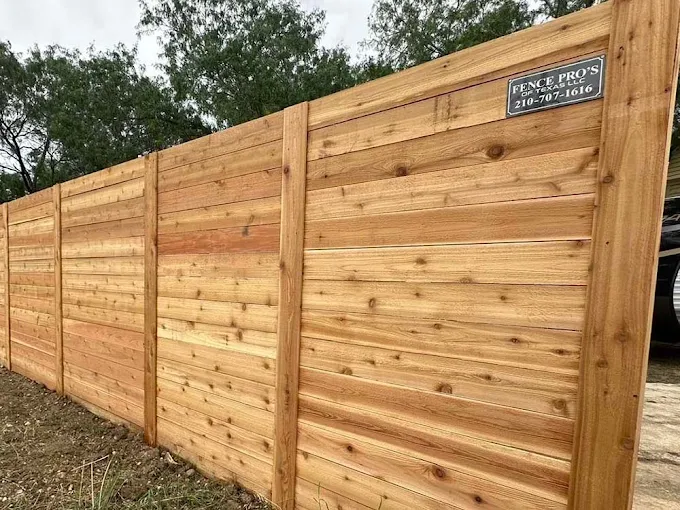
A common design we install in Plano combines horizontal cedar with black steel posts and top rails. This style uses fewer wood posts (which are more prone to rot) and relies on steel for structure. The result? A longer-lasting fence with fewer full replacements over time.
“Mixed material systems let you put the ‘right’ material in the ‘right’ place—wood where you see it, steel where you need strength.” — Fence Design Specialist
Corrugated Metal Fences
Corrugated Metal Fences are gaining traction for both homes and light commercial properties in Plano:
- Often made with recycled steel
- Excellent longevity and wind resistance
- Minimal maintenance beyond occasional rinsing
- Can be paired with wood framing for a softer look
One local restaurant off Park Blvd replaced an aging wooden enclosure with a wood-and-corrugated metal design. The structure now resists weather and trash impact far better, and the owner expects to avoid multiple repainting cycles and board replacements—less waste, fewer materials, and lower long-term cost.
Glass and View-Friendly Options
In higher-end neighborhoods and around pools, Glass Fences or glass-and-metal hybrids:
- Preserve views and natural light
- Work beautifully for modern architecture
- Use tempered, durable panels that last many years
While glass has an energy-intensive manufacturing process, its long life and low maintenance can make it a smart choice for certain projects, especially when combined with recycled metal framing.
CALLOUT: Thoughtful design can cut material use by 10–30% without sacrificing privacy or style—ask about mixed-material options when planning your project.
Smarter Installations: How Technique and Design Reduce Environmental Impact
Material choice is only half the story. How your fence is designed and installed can significantly affect its environmental footprint, especially in Plano’s shifting clay soils.
Designing for Longevity
A sustainable Residential Fence Installation or Commercial Fence Installation should be engineered for local conditions:
- Proper post depth and diameter to handle soil movement
- Adequate drainage around posts to reduce rot and heaving
- Structural bracing for long runs and corners
A Plano distribution facility near US-75 had repeated issues with leaning chain link due to shallow posts and poor soil prep from a previous contractor. During their new Chain Link Fence Installation, we increased post depth, improved gravel backfill, and added bracing at gates. The result: a sturdier system that should last many additional years, reducing the need for early replacement.
Reducing Waste During Installation
Eco-conscious installation practices include:
- Precise material takeoffs to avoid over-ordering
- Reusing existing posts or footings where structurally sound
- Recycling metal offcuts and old panels
- Minimizing heavy equipment damage to landscaping
For a recent Plano backyard upgrade, we replaced an old wood fence with a new Wood Fence Installation using higher-quality cedar and metal posts. By carefully removing the old fence, we were able to recycle the metal hardware and posts, and repurpose some of the better boards for garden projects at the homeowner’s request.
Smart Gate and Access Choices
Gate systems can also play a role in sustainability. Well-designed Access Control systems reduce unnecessary vehicle idling at entrances, and durable Commercial Gates and Residential Gates mean fewer replacements over time. In some cases, solar-powered gate operators can cut electrical demand, especially for rural driveways and Estate Gates.
Maintenance, Staining, and Repair: Extending the Life of What You Already Have
Often, the most eco-friendly fence is the one you don’t have to replace. Careful maintenance and timely repairs can add years to your existing system, which keeps materials out of landfills and reduces demand for new production.
Thoughtful Staining and Sealing
In Plano’s climate, unstained wood fences can gray, crack, and fail in just a few years. Professional Fence Maintenance with high-quality, low-VOC stains can:
- Protect wood from UV and moisture damage
- Reduce the frequency of full Fence Replacement
- Limit the need for harsh chemical treatments later
A North Plano homeowner with a 6-year-old cedar fence assumed replacement was the only option. Instead, we replaced a few damaged pickets, straightened posts, and applied a penetrating oil-based stain. The fence gained another 5–7 years of life, saving thousands of dollars and a full truckload of debris.
“Every extra year you get from your current fence is a year’s worth of material that doesn’t have to be manufactured, shipped, and installed.” — Sustainability-Oriented Builder
Strategic Fence Repair
Targeted Fence Repair makes environmental and financial sense when:
- The majority of the structure is still sound
- Damage is limited to certain sections or posts
- Upgrades (like metal posts) can extend life significantly
We see this all the time after North Texas windstorms. Instead of replacing an entire line of fencing, we’ll often:
- Replace only the broken posts with stronger steel posts
- Reinforce corners and gates
- Reuse undamaged boards in less visible areas, like side yards
This approach reduces waste while still improving performance.
Maintenance for Non-Wood Fences
Eco-friendly upkeep isn’t just for wood. For Chain Link Fences, Wrought Iron Fences, and Aluminum Fences:
- Regular inspections catch small issues before they spread
- Touch-up coatings protect from rust and corrosion
- Gate adjustments prevent premature hardware failure
Comparing Eco-Friendly Options: Cost, Durability, and Impact in Plano
To make these choices easier, it helps to see how common fence types compare on cost, lifespan, and eco-impact in our local market.
Traditional vs. Modern Eco-Conscious Options
| Fence Type | Approx. Initial Cost (per linear ft, Plano) | Typical Lifespan | Maintenance Level | Eco-Friendliness Notes |
|---|---|---|---|---|
| Basic Pine Wood | $22–$30 | 8–12 years | High | Low-cost but shorter life, frequent replacement |
| Cedar Wood (Stained) | $28–$40 | 15–20 years | Medium | Longer life with proper Fence Maintenance |
| Vinyl Fences | $35–$50 | 25+ years | Low | Long life, minimal chemicals, recyclable |
| Aluminum Fences | $40–$60 | 30–40 years | Very Low | High recycled content, fully recyclable |
| Wrought Iron Fences | $45–$70 | 30–50 years | Medium | Extremely durable, repairable, recyclable |
| Mixed Wood/Metal | $35–$55 | 20–30 years | Medium-Low | Less wood use, stronger structure |
| Corrugated Metal | $32–$50 | 25–35 years | Low | High durability, recycled steel content |
Costs are broad local estimates and can vary with design, height, and site conditions.
Long-Term Value in Plano’s Climate
When you look at 20–30 years of ownership, the greener options often become the more affordable ones:
- Fewer replacements = less labor, hauling, and disposal
- Less maintenance = fewer chemicals and fewer weekend projects
- Better durability = fewer emergency repairs after storms
For a Plano family planning to stay in their home for the long haul, investing in a higher-quality Wood Fence Installation with metal posts and professional staining may be more sustainable and cost-effective than installing the cheapest pine fence every 8–10 years.
CALLOUT: Look beyond the upfront price—total cost of ownership over 20+ years is where eco-friendly fences usually win.
What This Means for Businesses in Plano, TX
Businesses in Plano face a unique set of pressures: rapid growth, competitive markets, and increasing expectations from customers and tenants around sustainability. Your fence may not be the first thing you think of when it comes to “going green,” but it sends a clear message about how you manage your property.
For office parks near Legacy and the Tollway, choosing durable Commercial Fence Installation in aluminum or steel can:
- Reduce long-term operating costs
- Minimize disruptions from frequent repairs
- Support corporate sustainability initiatives
Retail centers along Spring Creek or Preston benefit from attractive, low-maintenance Decorative Fence Installation and railings that don’t require regular repainting or replacement. That means fewer closures, less waste, and a consistently polished look that attracts customers.
Industrial and logistics facilities near US-75 or President George Bush Turnpike often need robust Security Fence Installation and Commercial Gates. Choosing long-life materials and smart Access Control systems reduces both security risk and environmental impact. Fewer replacements mean fewer heavy trucks on-site, fewer materials shipped, and less metal or concrete headed to the landfill.
For agricultural and equestrian properties on the edges of Plano, thoughtful Farm Fencing design protects animals, reduces the need for chemical treatments, and uses materials that can be repaired section by section instead of torn out entirely.
In a city that regularly ranks among the best places to live and work in the country, small sustainability decisions add up. Eco-friendly fencing helps Plano businesses:
- Align with ESG goals and reporting
- Appeal to eco-conscious customers and tenants
- Reduce lifecycle costs of property improvements
When you treat fencing as part of your long-term sustainability plan—not just a line item—you get more value out of every foot you install.
Frequently Asked Questions
Q: Are eco-friendly fences more expensive in Plano than traditional options?
A: Upfront, some eco-friendly materials can cost more per foot—especially higher-grade metals or premium composites. However, in Plano’s climate, long-term durability often flips the equation. A well-installed Aluminum Fence Installation or Vinyl Fence Installation may last two to three times longer than a basic pine fence, with far less maintenance. That means you avoid multiple replacement cycles, additional labor, disposal fees, and repeated disruptions. When you spread the cost over 20–30 years, greener options frequently end up being the more economical choice, especially for businesses and homeowners planning to stay put.
Q: What’s the most eco-friendly fence material for North Texas weather?
A: There’s no single “best” material, but a few stand out in Plano: powder-coated Aluminum Fences and Wrought Iron Fences for their high recycled content and long life; well-maintained cedar for a natural look with reduced replacement frequency; and quality Vinyl Fences for low maintenance and durability. Mixed-material designs also perform well because they put stronger materials where they’re needed most and reduce overall lumber use. The “greenest” choice is usually the one that fits your site, budget, and aesthetic while lasting the longest with the least intervention.
Q: Can my existing wood fence be made more eco-friendly, or do I have to replace it?
A: Many Plano fences can be given a second life with targeted Fence Repair and professional staining rather than full replacement. If your rails and most pickets are structurally sound, we can often straighten leaning sections, replace rotted posts with steel, and apply a high-quality stain from our Fence Maintenance services. This approach significantly reduces waste and costs. When replacement is unavoidable, we can still salvage usable lumber for garden projects or non-structural uses and recycle metal components wherever possible.
Q: How do eco-friendly fences handle Plano’s clay soil and shifting ground?
A: Proper installation is critical on our expansive clay soils. An eco-conscious fence isn’t just about the material—it’s about how it’s set. For both Residential Fence Installation and Commercial Fence Installation in Plano, we design for deeper posts, appropriate concrete footings, and improved drainage. This reduces movement, leaning, and premature failure, which in turn means fewer repairs and replacements. By combining strong materials like steel posts with smart engineering, you get a system that stands up to soil movement and severe weather, extending the life of your investment.
Q: Are chain link fences considered eco-friendly?
A: They can be, especially when you consider their long life and recyclability. Chain Link Fences made from galvanized or coated steel are durable, require minimal maintenance, and are fully recyclable at the end of their service life. For properties in Plano that prioritize security and budget—like storage yards, industrial facilities, or sports fields—chain link is often a smart, sustainable choice. You can enhance privacy and aesthetics by adding slats or screening in key areas, while still benefiting from the fence’s durability and relatively low material use compared to solid walls.
Q: How do gates and access control systems fit into eco-friendly fencing?
A: Gates and operators are an important part of the picture. High-quality Commercial Gates, Residential Gates, and Estate Gates that are properly sized and installed will last much longer, reducing the need for early replacement. Smart Access Control can prevent vehicles from idling unnecessarily at busy entries, and in some rural or large-lot applications, solar-powered gate operators can cut down on electrical usage. As with fencing, long-term durability and low maintenance are the biggest sustainability wins: fewer repairs, fewer parts to replace, and fewer service trips all reduce your overall environmental footprint.
Q: Do decorative fences and railings offer any sustainability benefits?
A: Yes, especially when they’re designed for durability and installed correctly. Architectural railings and Decorative Fence Installation around patios, balconies, and walkways in Plano often use powder-coated aluminum or steel, which hold up very well in our climate. By choosing high-quality materials and finishes, you avoid frequent repainting and replacement. That means fewer solvents, less scrap metal, and less disruption to your property. Decorative elements can also be integrated into mixed-material fences, allowing you to use smaller amounts of high-impact materials for visual appeal while relying on more durable structural components behind the scenes.
Ready to Get Started?
Sustainable fencing isn’t a future trend—it’s already the smart choice for many Plano homeowners, businesses, and property managers. With material technology improving and industry best practices evolving, you have more options than ever to build a fence that looks great, performs well, and respects your budget and the environment.
Right now is an ideal time to plan your project. Spring and fall in North Texas offer favorable installation conditions, and addressing leaning or failing fences before severe weather arrives can prevent more extensive damage. Whether you’re considering a new Garden Fence Installation, upgrading a perimeter with Security Fence Installation, or exploring a full Fence Replacement, a brief on-site consultation can clarify your best eco-friendly options.
Fence Pros of Texas can walk you through materials, designs, and long-term cost comparisons tailored specifically to your property. You’ll get clear recommendations—not pressure—and a plan that balances sustainability with security, privacy, and style.
About Fence Pros of Texas
Fence Pros of Texas is a locally focused fencing contractor serving Plano, TX and surrounding communities. Our team brings years of hands-on experience in Residential Fence Installation, Commercial Fence Installation, Farm Fencing, gates, railings, and staining services. We prioritize durable, code-compliant, and environmentally conscious solutions that stand up to North Texas weather. From custom fence design to long-term maintenance plans, we help property owners make smart, sustainable choices that protect their investments and enhance their curb appeal. Learn more about our services and values at Fence Pros of Texas.