
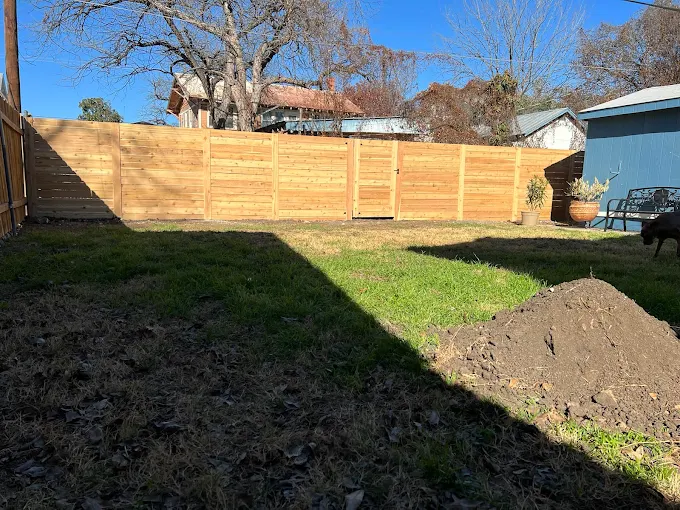
If your fence looks dull, uneven, or worn after a season, the next step is usually more than a cosmetic touch-up. This guide walks Plano, TX property owners through what to check before staining, how to plan the work for commercial sites, and how to avoid common mistakes that can shorten the life of your finish.
You manage a commercial property in Plano, TX and the fence is doing its job, but it is starting to show it. Maybe the wood near gates looks rougher than the rest, or the color has faded in sun-exposed sections. In other cases, the stain looks patchy where rain runs, or it is peeling in small areas.
When that happens, you want a finish that looks consistent and keeps working, not something that forces you back into repairs too soon. This guide helps you understand the key steps behind commercial fence staining, what to inspect on-site, and how to plan the work so the investment you already have stays protected.
- Quick answer
- What to check first
- Main considerations
- Why this matters in Plano, TX
- Common mistakes to avoid
- Customer checklist
- Frequently asked questions
Quick Answer
Commercial fence staining holds up best when the fence is cleaned, assessed for damage, and finished with a coating that matches the wood condition. Start by checking for loose boards, peeling, and areas that stay wet from sprinkler overspray or drainage. If the surface is dirty, chalky, or unevenly weathered, prep work usually matters more than the stain color. For a clean, consistent result, plan the project around site access and drying time, and consider professional help if the fence includes gates, high-traffic sections, or mixed materials.
What to Check First
Before you pick a stain color or schedule a day to “just apply something,” walk the fence line and look for the specific conditions that affect how stain bonds. In commercial settings, the fence often sees more impact from equipment movement, deliveries, and frequent gate use, so surface condition can vary dramatically from one section to the next.
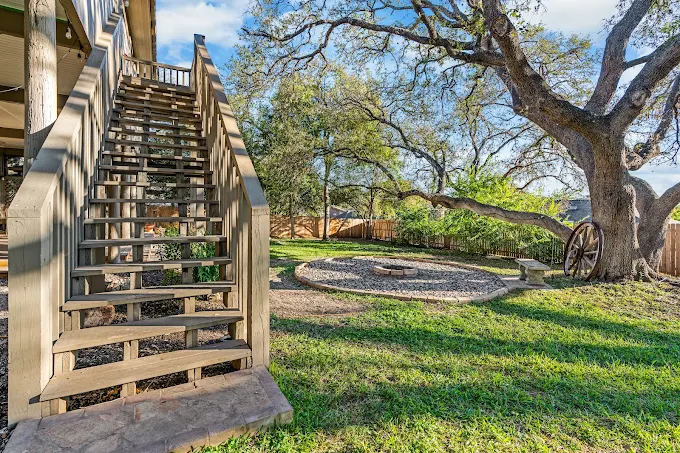
Professional observation: If stain is failing, it is usually because the fence surface was not ready for coating, or the wood has underlying issues like loose boards or trapped moisture. The fix starts with the inspection, not the color choice.
1) Surface condition (not just appearance)
Look for chalking, peeling, mildew, or darkened areas that suggest moisture is lingering. Stain can only perform as well as the surface it is applied to. If the finish is already flaking, simply adding another layer tends to make the problem spread.
2) Structural and “gate zone” wear
Gates are high-wear areas. Check hinges, latch points, and the wood around the gate frame for soft spots, splintering, or rubbing damage. Even a fence that looks fine elsewhere can show early problems near gates because of constant movement and contact.
3) Moisture sources on the property
Identify where water collects or repeatedly wets the boards. Common causes include sprinkler overspray, downspouts that discharge near the fence, and low spots where rain cannot drain quickly. Staining over recurring moisture almost always leads to early discoloration.
4) Compatibility with your existing finish
If your fence has been previously stained, the current coating can influence how the new stain lays out. A professional assessment helps determine whether the goal is to restore color, even out tone, or address areas that need more prep before coating.
Main Things Customers Should Understand
Commercial fence staining is not only about applying a product. It is a controlled process that includes preparation, timing, and careful attention to consistency across long runs. Below are the main factors that typically determine how the finished fence looks and how long it lasts on a commercial property in Plano.
Prep determines the finish
Cleaning and surface prep affect adhesion and color uniformity. When prep is skipped, stains can look uneven or fail sooner.
Traffic and access planning
Commercial sites require scheduling around deliveries, foot traffic, and gate operation. Staining often means controlling access until the surface is ready.
Consistency across sections
Long fence lines can show different wood ages and sun exposure. A steady approach helps keep color and sheen uniform.
Decision table: staining vs. other fence actions
| What you notice on the fence | Likely next step | Why it matters for commercial sites |
|---|---|---|
| Color is faded, but boards are stable and not peeling | Stain restoration with proper surface prep | Improves appearance while protecting the wood in high-visibility areas |
| Peeling or flaking finish in patches | Assess prep needs before recoating | Recoating without addressing adhesion issues often leads to faster re-failure |
| Soft or damaged boards near gates | Repair or replace affected boards before staining | Gate zones take the most abuse and show wear quickly |
| Recurring wet spots from drainage or sprinklers | Address moisture source and then stain | Moisture drives discoloration and shortens coating life |
| Mixed materials along the run | Plan coating approach by material type | Some fences are best maintained differently depending on material |
Firsthand-style industry observation
In many commercial jobs, the “worst-looking” areas are not always the ones that need the most work. Often, the fence sections that look only slightly dull are the ones with the poorest surface readiness, especially where dirt buildup and moisture hang around. When prep is handled correctly, you get a more consistent color and a finish that stays looking uniform across the entire property line.
Why This Matters in Plano, TX
Commercial properties in Plano deal with outdoor wear that can build up over time: sun exposure that fades color, rain that drives moisture into the wood surface, and gate use that concentrates stress. On many sites, fences also sit close to landscaping and sprinkler systems, which can create recurring wetting along the lower portions of boards.
That is why planning matters. The goal is to stain when the surface can be properly prepared and allowed to dry under the site’s conditions, while still keeping operations moving. If you are coordinating with maintenance staff, deliveries, or tenants, it helps to have a practical schedule that protects the finish during the critical early period.
Keep your commercial fence looking consistent
Fence Pros of Texas can help you plan commercial fence staining for a cleaner, more uniform finish on your Plano property. Review your options and get guidance on prep and coating approach.
Talk to Fence Pros of Texas about stainingCommon Mistakes to Avoid
Most staining problems show up because of predictable shortcuts. If you recognize the issues below early, you can avoid spending money twice and keep the fence line looking intentional instead of patchy.
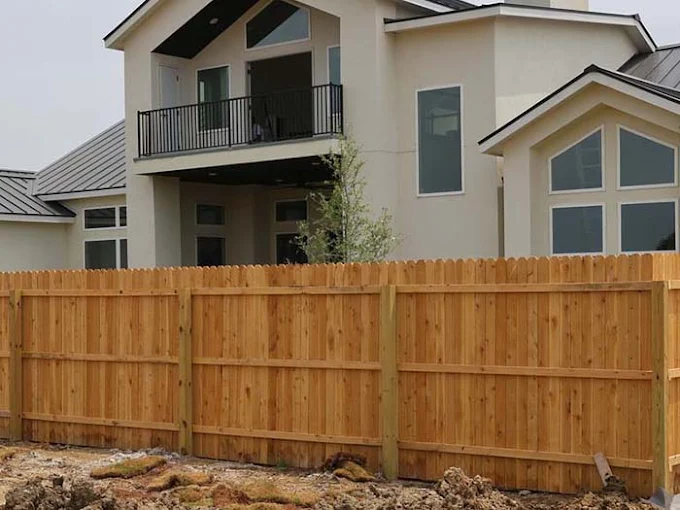
- Staining over loose or damaged boards. The finish cannot hide movement or structural issues, especially at gate zones.
- Recoating without addressing peeling or chalky surfaces. Poor adhesion can cause uneven tone and faster wear.
- Ignoring moisture sources. Sprinkler overspray and drainage problems often lead to early discoloration.
- Skipping consistent prep across the whole run. Different sections can be at different stages of weathering, and prep gaps show up in the final color.
- Not planning around site access. Rushed scheduling can lead to the fence being disturbed while the finish is still curing.
Customer Checklist
Use this quick checklist to prepare for a staining project on your commercial fence in Plano, TX. It is designed to help you communicate clearly with your contractor and make sure the site is ready for a consistent outcome.
- Walk the full fence line and note peeling, chalking, mildew, or dark wet areas.
- Check gate zones for rubbing damage, loose boards, and soft spots.
- Identify moisture sources like sprinkler overspray and drainage runoff toward the fence.
- Confirm what type of fence you have before staining planning (wood is the usual focus).
- Plan site access so the area can stay undisturbed until the finish is ready.
- Set expectations for color consistency across sun-exposed and shaded sections.
Representative scenario (anonymized)
A commercial property manager in Plano had a fence line that looked faded, with a darker band near the bottom boards. The top rails appeared “okay,” but the lower section stayed damp after rain and looked uneven where the previous stain had been applied. The team focused on identifying the wetting source and prioritizing prep consistency across the affected run. After the wood was properly prepared and finished, the fence looked more uniform and the appearance held up better against the property’s seasonal moisture patterns.
Frequently Asked Questions
How do I know whether staining will fix my fence or if it needs repairs?
Start with the areas that show peeling, soft spots, or loose boards. If boards are moving, splintering, or clearly damaged, staining alone usually will not solve the root issue. For commercial fences, gate zones often need special attention because constant contact can create wear that shows up quickly. A site inspection helps confirm whether the wood is stable and whether the surface is ready for coating. When the problem is mostly appearance and weather fade, staining with proper prep is often the right path.
Will fence staining work on all fence materials?
Staining is primarily associated with wood fence maintenance. If your property includes different fence types along the same boundary, the best approach can vary by material. For example, some fences are maintained differently than wood, and mixed material runs often need a plan that accounts for each section. If you are unsure what you have, you can share photos or describe the material type when contacting a fencing contractor. That helps prevent choosing a product meant for wood when your fence includes other materials.
How should I prepare my commercial site for staining?
Because commercial properties have ongoing activity, planning access is key. Identify where foot traffic, deliveries, or equipment movement will occur and protect the fence line while the finish is drying. If your fence includes gates, coordinate so gates can be managed without rubbing the new finish. It also helps to clear landscaping debris and ensure the area is ready for cleaning and coating steps. A contractor can guide the timing based on the surface condition and the work plan.
Why does my fence look patchy after staining?
Patchiness often comes from uneven surface readiness. Dirt buildup, chalking, mildew, or moisture differences between sections can change how the stain absorbs. Another common factor is inconsistent prep across the fence run, especially on long boundaries where some boards are more weathered than others. If the previous finish was peeling, recoating without addressing adhesion issues can also lead to mottled color. The best approach is to correct the underlying surface conditions so the stain can lay out consistently.
Can staining help with privacy fence appearance and security goals?
Staining is mainly an appearance and protection step for wood fences. If your goal includes maintaining a neat, professional look and helping protect the wood from outdoor wear, staining can support that. For security and privacy, the fence’s structure matters just as much as the finish. If boards are damaged, gaps have formed, or gate zones are loose, address those issues first. Once the fence is stable, staining can help it look clean and consistent across your commercial property line.
Get professional guidance for your Plano commercial fence
If you are deciding between maintenance and a refresh, Fence Pros of Texas can help you evaluate the fence condition and plan staining that fits your property. Reach out to discuss your fence line and next steps.
(210) 707-1616
Fence Pros of Texas
Fence Pros of Texas provides fence and gate services for commercial and residential properties across Plano, TX and surrounding areas. Whether you are maintaining a wood fence appearance or planning updates with new fencing and gates, our goal is to help you protect your investment with practical, site-ready solutions. Explore more options like commercial fencing, commercial gates, or railing services when your property needs more than staining.