
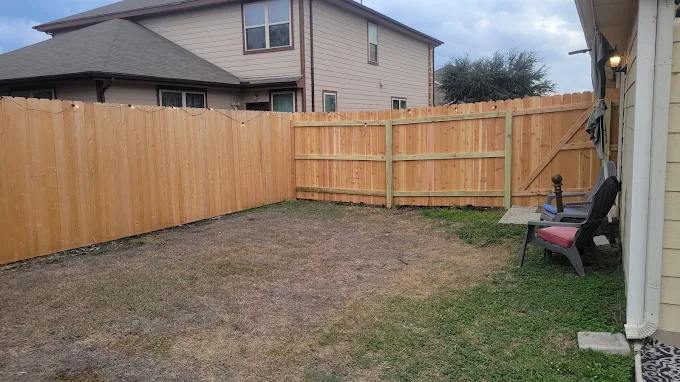
A practical year-round plan for keeping your wood fences, vinyl fences, chain link fences, and wrought iron fences looking solid in Plano, TX. You will know what to inspect, what to clean, and when to repair so small issues do not turn into costly replacements.
One afternoon in Plano, you notice a gate that does not latch as easily as it used to. A few boards on the fence look slightly lifted after a windy stretch, and the bottom rail has started to look a little darker than the rest. If you have ever dealt with that “it is probably fine” feeling, you already know how fences can change quietly over time.
Different materials respond differently to sun, moisture, and seasonal temperature swings. This schedule helps you track the most common wear points for residential fence maintenance, so you can keep your fence system dependable for privacy, curb appeal, and everyday security.
- Quick answer
- What to check first
- Main things customers should understand
- Why this matters in Plano, TX
- Common mistakes to avoid
- Customer checklist
- Frequently asked questions
Quick Answer
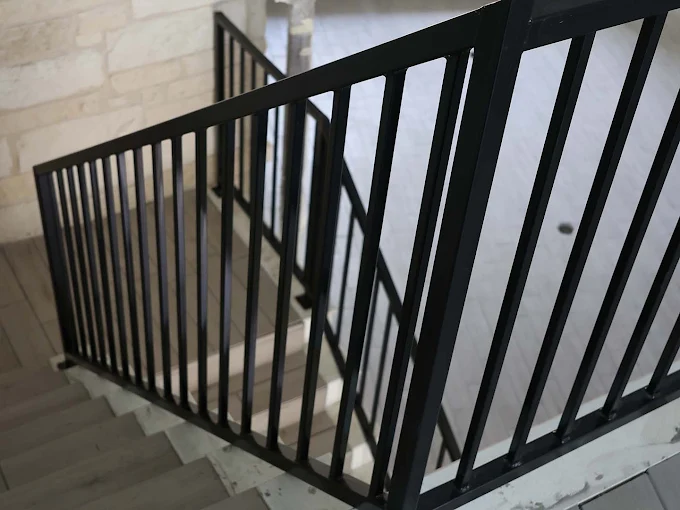
A good residential fence maintenance schedule is simple: inspect after storms, clean seasonal buildup, and tighten or repair before damage spreads. Start with the basics every month: look for loose posts, sagging sections, gate alignment, and rust or missing fasteners. Then follow a seasonal rhythm: spring cleaning and hardware checks, summer spot-cleaning and weed control, fall debris removal and protective touch-ups, and winter post checks and moisture management. If you see structural movement (posts shifting, leaning, or gates dragging), plan a repair rather than waiting.
What to Check First
When you are trying to extend the lifespan of a fence system, begin with the parts that take the most stress. Focus on posts, rails, and gate hardware before you worry about surface appearance. Even a beautiful coat of stain or paint will not fix a fence that is out of alignment.

Posts and bottom gaps
Walk the perimeter and check for leaning, wobbling, or widening gaps near the ground. If you see soil erosion or a growing space under the fence, moisture and pests can move in.
Rails, pickets, and panels
Look for loose screws, cracked boards, warped sections, or sections that look “pulled” to one side. Pay attention to areas that face prevailing wind.
Gate operation
Check latch alignment, hinge movement, and whether the gate drags on the ground. A gate that cannot close smoothly often signals alignment issues at the posts.
Professional observation: Most fence failures start as small mechanical problems at connection points. Tightening hardware, correcting alignment, and addressing rust early usually costs less than replacing full sections later.
Main Things Customers Should Understand
Residential fences last longer when maintenance matches the material. In Plano, your biggest day-to-day variables are sun exposure, humidity swings, and the way wind and debris can batter fence lines. Use this section to understand what to do differently for common fence types.
| Fence type | What to watch | Maintenance focus | When to consider repair |
|---|---|---|---|
| Wood fences | Soft spots, lifting boards, cracked pickets, and mildew staining | Gentle cleaning, checking fasteners, and planning periodic staining for protection | When boards loosen, posts shift, or you see spreading rot at joints |
| Vinyl fences | Warping, loose rails, and discoloration around fasteners | Rinsing off buildup, checking rail connections, and clearing weeds at the base | When panels sag, sections pull away, or hardware is no longer secure |
| Chain link fences | Rust at connection points, sagging fabric, and damaged ties | Debris removal, inspecting tension and ties, and addressing rust early | When fabric sags, ties fail, or posts show movement |
| Wrought iron fences | Surface rust blooms, worn coatings, and loose brackets | Cleaning and spot-protection, checking bracing and attachment points | When rust spreads beyond small spots or sections loosen |
| Aluminum fences | Oxidation spots and loose clamps | Rinsing, keeping hardware tight, and removing buildup from corners | When rails wobble, gaps widen, or fasteners keep backing out |
Why This Matters in Plano, TX
In Plano, fence lines often run alongside properties that see full sun exposure and periodic stormy weather. Seasonal temperature shifts can tighten and loosen fasteners, while wind-driven debris can chip protective coatings and stress gate hinges. That is why a schedule matters: it turns “we will look at it later” into small, predictable checks that protect the structure.
Local tip: After strong wind or heavy rain, do a quick perimeter walk. Check gate latching and rail connections first. If you are dealing with a staining or protective finish, address issues soon so water does not sit in problem areas.
If your fence includes wooden elements or you are considering refinishing, you can pair this schedule with the right maintenance approach. For example, staining services can help restore protection on wood fence surfaces when they start to show wear.
Common Mistakes to Avoid
Homeowners often do the right things for appearance but miss the mechanical issues that actually shorten fence lifespan. Avoid these common patterns, especially when you notice gate problems or posts that seem to be shifting.
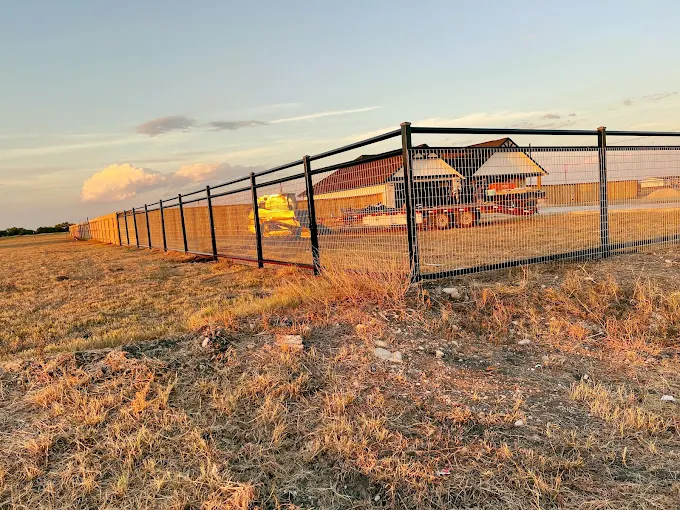
- Waiting for full failure before checking posts, rails, and gate hardware.
- Cleaning without checking connections, which can leave loose brackets and fasteners to worsen.
- Using harsh methods on finishes, which can damage protective layers and make rust or mildew show up sooner.
- Ignoring gate drag, since misalignment usually points to post or hinge movement.
- Letting weeds and debris collect at the base, which traps moisture against panels and rails.
- Assuming all fence materials need the same care, even within the same property.
Customer Checklist
Use this schedule as your year-round rhythm. It is designed for homeowners who want a consistent plan without overthinking it. If you find a structural issue, treat the repair step as the priority, then return to cleaning and finishing.
| Season | What to do | What to look for |
|---|---|---|
| Monthly (any season) | Quick walk-through of posts, rails, and gate operation. Remove debris at the base. | Loose hardware, new gaps, sagging sections, and gates that drag or fail to latch |
| Spring | Clean fence surfaces and check fasteners. Inspect for rust or mildew spots. | Widening gaps, cracking boards, and connection points that look stressed |
| Summer | Spot-clean and keep weeds trimmed near the fence line. Rinse off buildup after dusty periods. | Discoloration around hardware, panel movement, and areas that collect moisture |
| Fall | Clear leaves and debris. Check gates and hinge alignment again before colder weather. | Debris trapped at corners, protective coating wear, and loose brackets |
| Winter | Do post and gate checks. Focus on moisture management near the base. | Visible movement, water pooling spots, and any early signs of corrosion |
Frequently Asked Questions
These are the questions homeowners in Plano typically ask when they want a fence that stays functional and looks good for years.
How often should I inspect my residential fence and gate?
A practical routine is a monthly walk-through plus extra checks after storms. Each inspection should focus on structural points: posts, rails, and gate hardware. If you notice a gate that drags, a latch that no longer lines up, or sections that look slightly pulled, inspect sooner and address the cause. Surface cleaning is helpful, but mechanical issues at connection points usually determine how long the fence stays reliable. Keeping weeds and debris away from the base also reduces moisture buildup that can accelerate wear.
Does chain link maintenance differ from wood or vinyl?
Yes. Chain link fences often need attention at connection points such as ties, tension areas, and post attachments. Wood fences typically require protection of the surface finish and checking for loose boards or compromised sections. Vinyl maintenance is more about keeping rails secure and clearing buildup and weeds near the base to prevent moisture trapping. For any material, the quickest way to extend lifespan is to catch movement early. If you see sagging fabric, rust spreading, or gates that shift out of alignment, it is time to plan repair rather than only cleaning.
What is the first sign my fence needs repair?
The first sign is usually functional, not cosmetic. For many homeowners, it is a gate that stops latching smoothly, hinges that feel loose, or a section that begins to sag. Another early indicator is expanding gaps near the ground or posts that look like they are leaning or wobbling. If you can gently move a panel or hear new creaking from connection points, that is a strong signal the fence needs attention. Repairing early helps prevent the same issue from spreading across rails and adjacent sections.
Can I follow this schedule if I have mixed materials on my property?
Absolutely. The schedule is still useful because it is built around inspection and maintenance priorities, not just appearance. You can clean and inspect each section based on its material: wood for finish protection, vinyl for rail security and buildup removal, chain link for tension and ties, and metal fences for rust and coating wear at joints. The key is to treat the highest-stress areas first. If a gate is part of the system, prioritize gate hardware and alignment regardless of the fence material around it.
When should I consider a custom design or replacement instead of maintaining?
Consider replacement or a custom fence design when maintenance can no longer correct structural movement. If posts are shifting repeatedly, gates cannot be aligned reliably, or multiple sections show advanced wear at connection points, the underlying issue may be more than routine upkeep. If you are thinking about a new layout, you may also want to evaluate what type of residential fence installation best fits your property needs. Fence Pros of Texas can help you compare options that support privacy, security, and long-term usability.
Want help planning your fence maintenance?
If you are seeing early signs of movement, rust, or gate alignment issues at your Plano home, Fence Pros of Texas can help you map the right next step for fence repair and upkeep.
(210) 707-1616A representative scenario from a Plano homeowner
A homeowner in Plano noticed their privacy fence had a section that looked slightly bowed after a windy weekend. The gate also started to drag, and the latch needed a firm push to close. They cleaned the fence and tightened a few visible screws, but the problem returned during the next rain. On inspection, the issue was not the surface finish. The connection points near the affected posts were loosening, causing the gate to misalign and the fence section to carry extra stress. Addressing the hardware and alignment first restored smooth gate operation and reduced ongoing strain on the panels.
Practical recommendation: If you are maintaining a residential fence and you notice the gate acting up, treat that as a priority signal. Gate alignment issues often point to post or hardware movement that surface cleaning cannot fix.
Ready to keep your fence system in top shape?
Whether you need help with fence maintenance, fence repair, or planning a new residential fence installation, Fence Pros of Texas serves Plano, TX and the surrounding areas.
Explore residential fencing options
Fence Pros of Texas
Fence Pros of Texas provides residential fence and gate services for homeowners in Plano, TX and nearby areas. Their team helps with fence and gate solutions across common materials, including wood fences, vinyl fences, chain link fences, wrought iron fences, and aluminum fences, with support for fence maintenance, fence repair, and custom fence design.
If you are evaluating a gate system, you can also review options such as residential gates for your property.