
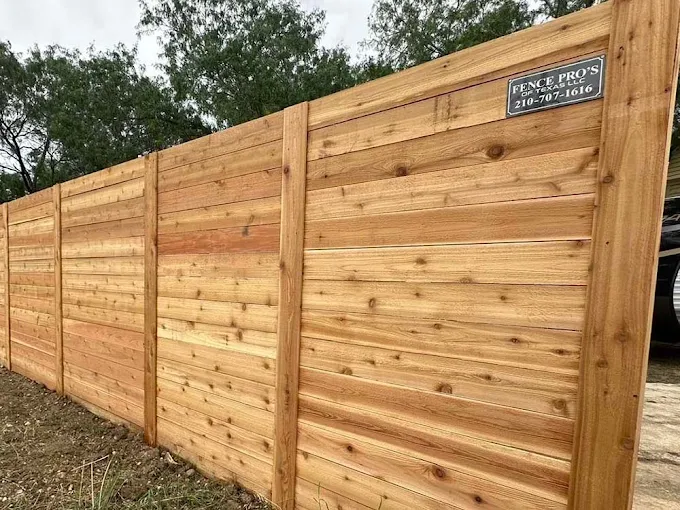
Protective Fence Staining Methods for Harsh Conditions
If you’ve got a wood fence in Plano, you already know the frustration: the boards look great in spring, then Texas heat dries them out, then storms and heavy humidity push water into the grain. A lot of homeowners eventually notice loose posts, faded color, and spots where the stain seems to “wash out” faster than the rest. At that point, it’s not just appearance—it’s the fence’s ability to stay stable and protect your property.
We see this cycle often in North Texas neighborhoods where privacy fences are expected to last through sun, rain, and seasonal soil movement. The good news is that protective staining (done at the right time, with the right prep and system) can dramatically slow weather damage and extend the life of your wood fence.
Quick Answer
For harsh North Texas conditions, the best protective fence staining method is a full system: proper cleaning, correct moisture timing, spot repairs, and a stain matched to your wood type and exposure level. Plan to stain only when the fence can stay dry for several days, use a primer or sealer when needed, and make sure posts are installed with drainage in mind so water doesn’t sit around the bottom of the fence. Done correctly, staining helps resist UV fading, water absorption, and mildew—while improving curb appeal.
What We Commonly See in North Texas Fence Installations
A realistic scenario we deal with: a homeowner in a growing Plano-area subdivision had a pine privacy fence installed a few years back. After a summer of intense sun, they called because the boards looked uneven—some sections were darker, others had a “patchy” gray tone. When we inspect fences like this, the cause usually isn’t the stain brand. It’s the conditions and the prep:
- Moisture trapped behind old coatings or grime leads to poor stain penetration.
- Bottom-edge exposure (especially where sprinklers or runoff hit) causes faster deterioration.
- Inconsistent surface dryness during staining creates uneven absorption.
- Board damage hidden under “pretty” color means the stain is covering failing wood rather than protecting healthy wood.
A firsthand contractor observation: many fences that look “stained badly” are actually stained over wood that wasn’t uniformly cleaned and dried. When the surface isn’t ready, stain sits on top instead of soaking in, and it breaks down sooner under UV and rain.
Recommended Protective Staining Methods (Contractor-Grade Approach)
Staining wood fencing for harsh weather isn’t just “apply stain.” It’s a process designed to protect both the wood surface and the way water behaves on the fence.
1) Start with the right assessment (before any product touches the wood)
Before staining, we check:
- Is the wood sound or soft in high-wear areas?
- Are there failed boards or loose rails that will keep moving?
- Is the fence getting hit by sprinklers or concentrated runoff?
- Does the fence have old peeling stain or paint that needs removal?
If wood is already compromised, staining alone won’t fix the underlying issue. In those cases, we recommend fence repair or replacement of weak sections before staining so the new coating bonds correctly.
2) Clean thoroughly—then let the fence dry completely
For North Texas, cleaning is critical because pollen, dust, and mildew build up over time. Our typical method includes:
- Gentle pressure washing (not aggressive blasting) to avoid gouging the wood
- Removing mildew and contaminants with a cleaner suited for exterior wood
- Letting the fence dry until the surface is ready to accept stain
3) Use the correct product system for your wood and exposure
Wood fencing in Texas typically faces two main threats: UV light and water intrusion. Your stain choice should reflect that.
Common outcomes we see when the wrong product is used:
- Clear/low-protection finishes fade quickly under sun
- Some “one-step” stains don’t penetrate deeply enough on older, weathered wood
- When a fence has heavy mildew, applying stain without proper treatment leads to recurring gray spots
In practice, we match the approach to what we find:
- Newer wood may only need a stain designed for penetration and UV resistance.
- Weathered wood often benefits from a stronger prep and sometimes an appropriate primer/sealer system before topcoat stain.
4) Apply stain in a way that supports even penetration
Application method matters. Options include brush, roller, or sprayer—but brush application often helps with:
- Work the stain into the grain
- Reduce missed grooves and edge gaps
- Better coverage along rails and picket edges
We also pay attention to the fence’s orientation and wind exposure. Wind can skin the stain too quickly before it penetrates, especially in open yards.
5) Manage timing—don’t stain into the next rain cycle
North Texas weather can change quickly. Even when it hasn’t rained yet, high humidity can keep the wood damp enough to ruin adhesion.
A practical rule: stain only when you can reasonably keep the fence dry for the recommended cure window listed by the product. If rain is likely, wait. Recoating too early can trap moisture and cause uneven wear.
Mistakes That Reduce Fence Lifespan
Homeowners usually don’t do these on purpose. They just don’t realize how much installation and site conditions affect staining results.
Common mistake property owners make
Staining too soon after cleaning or after rain, without confirming the wood is dry and ready.
Here’s what happens: the stain looks fine initially, but it doesn’t bond properly. Later, you’ll see:
- early fading
- peeling or flaking in patches
- mildew returning faster than expected
Other frequent issues we see:
- Skipping damaged board repairs (stain won’t “seal in” failure)
- Using a stain that’s not suited to the wood condition (new wood vs. weathered wood needs different prep)
- Ignoring fence movement (if posts or rails are loose, the coating cracks where the structure flexes)
Fence Maintenance Checklist (Before and After Staining)
Use this planning checklist to protect your investment and avoid repeat work.
Before staining
- [ ] Inspect for soft spots, rot, or cracked boards
- [ ] Check for loose posts/rails and tighten or repair as needed
- [ ] Remove old peeling stain/paint (as required)
- [ ] Clean with an exterior wood cleaner and rinse thoroughly
- [ ] Allow full drying time before application
- [ ] Confirm your staining day has stable weather (no immediate rain)
After staining
- [ ] Keep sprinklers and runoff away from the fence face and bottom rails
- [ ] Walk the fence monthly for loose hardware, wobble, or gaps
- [ ] Watch for early mildew spots in shaded areas
- [ ] Touch up small worn sections rather than waiting for widespread failure
- [ ] Reassess coating performance seasonally (Texas sun changes things quickly)
If you’re also dealing with gates, remember that hinges, latches, and gate frames take abuse from weather and frequent use. A protective finish should be part of the whole system, not just the fence panels.
Related service options
If your fence needs more than staining—like hardware, rail alignment, or panel replacement—our team can help with contractor staining services and the prep work that makes the coating last.
Plano and North Texas Weather Relevance: Why Staining Needs a Strategy Here
Plano’s mix of intense sun, periodic heavy rain, and seasonal soil movement creates a “stress cycle” for wood fencing. Even when you stain correctly, a fence still needs structural stability to keep water from pooling and to prevent coating cracks caused by movement.
We often see faster deterioration in areas where:
- water from storms runs along fences
- trees cast long periods of shade (mildew pressure)
- irrigation hits the lower rails
- the ground shifts near post bases after wet/dry cycles
That’s why we don’t treat staining as a standalone cosmetic step. It’s one part of a durability plan that starts at the post and drainage level.
Example Project Case (Anonymized, Realistic)
A few years back, a North Texas homeowner had a stained privacy fence that looked “mostly okay” but started to gray out in streaks along the west-facing side. They wanted a quick refresh rather than repairs.
On inspection, we found:
- a handful of boards with surface breakdown that would’ve continued progressing under the new stain
- uneven surface dryness due to partial shading and inconsistent drying after cleaning
- a section where runoff collected after rain because the fence line sat slightly lower than adjacent landscaping
We repaired the failing boards, cleaned and prepared the entire section, and applied a stain system designed for UV and water resistance. Afterward, they adjusted landscaping drainage away from the fence face. The result wasn’t just a uniform color—it was slower fading and fewer mildew returns because water behavior was addressed alongside the finish.
Quick Comparison: Stain vs. Sealer vs. Paint (Why It Matters in Texas)
| Option | What it does well | What can go wrong in harsh conditions |
|---|---|---|
| Stain (penetrating) | Helps protect from UV and water while allowing wood to breathe | Needs correct prep and drying; uneven absorption can show if the surface isn’t ready |
| Sealer (surface protection) | Adds a protective layer | Can peel or fail faster if applied over imperfect/aged wood surfaces |
| Paint | Maximum color uniformity | Traps moisture if the underlying wood is not properly prepped; can crack as the fence moves |
For most residential wood fencing exposed to Texas sun and rain, a penetrating stain system is typically the practical balance of protection and long-term performance—when prep and timing are done right.
Fencing and Gate Recommendation for Better Long-Term Protection
If you want the fence to stay protected longer, treat the wood coating and the hardware as one system. In our experience, gate areas wear faster because they move and get used daily. That means:
- apply protective finish around latch points and edges
- ensure gates swing freely without dragging (dragging scrapes coating)
- verify alignment so the gate doesn’t rack and crack the finish over time
If you’re working on a perimeter upgrade, you may also want to review your fencing layout and material choice. For example, if you’re planning a privacy upgrade, browse residential fencing solutions to compare materials and durability expectations.
Or, for properties where security and visual deterrence matter, many owners combine privacy fencing with a stronger front-end access setup. We can support that planning through access control systems and properly matched gate hardware.
Signs Your Fence Needs Repair (Not Just Re-Staining)
Re-staining is a good next step when the structure is still solid. But if you see any of these, it’s usually repair time first:
- boards that feel soft or spongy when pressed
- loose posts or rails that move when you push gently
- gaps widening at joints (water gets in and coating fails faster)
- staining that flakes or peels repeatedly in the same areas
- persistent mildew in spots that don’t improve after cleaning
What Property Owners Should Know
A stain can’t stop water from pooling at the base, and it can’t compensate for structural movement. If your fence has early leaning, loosened posts, or drainage problems, staining will only buy you limited time. In Plano and North Texas, the best results come from addressing:
- wood condition
- surface prep and drying
- application timing
- site water behavior
- structural stability
That’s also why we often recommend pairing finishing work with targeted fence repair—so the new coating isn’t protecting a problem underneath.
FAQ
How often should I stain a wood fence in Plano?
Many wood fences in North Texas need attention every few years, but the exact timing depends on sun exposure, shading, and how much water the fence receives. West- and south-facing fences often fade faster. If you see early graying, mildew returning quickly after cleaning, or uneven color that keeps widening, it’s usually time to inspect and recoat—often after repairs.
Can I stain over old stain?
Sometimes, but only if the existing finish is well-adhered and the surface is properly prepared. If the old stain is peeling, flaking, or trapped moisture is present, you’ll need more thorough cleaning and potentially removal before any new product goes on. The “looks okay” test can be misleading—bonding is what matters.
What’s the best time of year to stain in North Texas?
Aim for a window where the wood can dry fully and you can keep it dry during the product’s cure period. Humidity swings and storm timing matter. If you stain right before rain or when the wood is still damp from cleaning, you’ll often get uneven penetration and faster failure.
Does staining help with privacy and security?
Staining improves curb appeal and protects the wood from weathering, which helps the fence maintain its appearance and usable barrier function. For security, stability is key—loose rails or leaning sections reduce deterrence. If your fence is aging structurally, repair or replacement may be more effective than re-staining alone.
Ready to Improve Your Property’s Security and Appearance?
Protective staining works best when it’s part of a complete plan—sound wood, correct prep, right timing, and drainage-aware installation details. If your fence is fading, mildewing, or showing early movement, let’s get ahead of the damage so you don’t end up replacing more than you need later.
About Fence Pros of Texas
Fence Pros of Texas provides residential fencing, commercial fencing, automatic gates, access control systems, railings, staining, and custom fence installations throughout Plano, TX and surrounding North Texas communities. We focus on durable craftsmanship, long-term property security, and practical guidance—so homeowners and businesses can protect privacy and curb appeal through every season.