
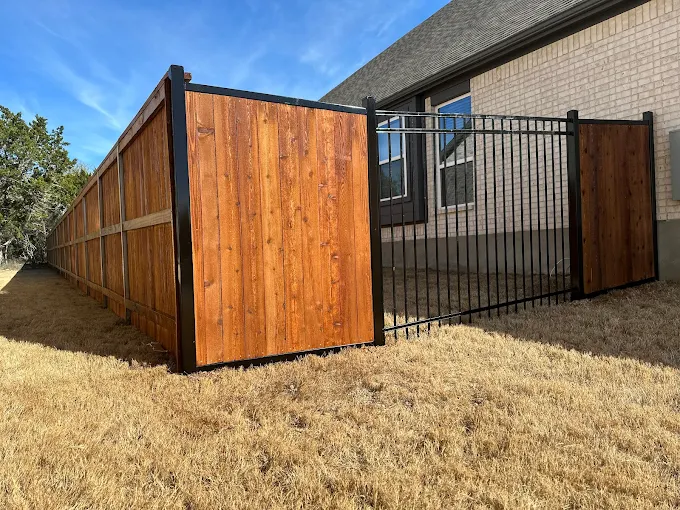
Comprehensive Guide to Fence Staining Options
North Texas sun is no joke. In Plano, we average over 230 sunny days a year, and that UV exposure, combined with heat, wind, and the occasional hailstorm, can turn a brand-new wood fence gray, cracked, and warped in just a few seasons. Many homeowners and businesses are surprised to learn that an unstained fence can lose up to half its expected lifespan compared to one that’s properly protected and maintained.
Fence staining isn’t just about color—it’s about preserving your investment, protecting your privacy, and keeping your property looking sharp in a competitive market like Plano and the greater DFW area. Whether you have a simple backyard boundary, a commercial perimeter, or a multi-acre agricultural property, the right stain choice matters.
In this guide, you’ll learn how different staining options perform in our North Texas climate, what to expect in terms of cost and maintenance, and how to choose a solution that fits your specific fence type and long-term goals.
Key Insight: The right stain, applied the right way, can easily double the life of your wood fence in Plano while cutting long-term maintenance costs and dramatically improving curb appeal.
Understanding Your Fence: Why Stain Matters More in North Texas
Before you choose a stain, you need to understand what your fence is up against in Plano. Our climate puts wood under constant stress: intense UV rays, high summer temperatures, soil movement, and periodic storms all accelerate wear and tear.
What Stain Actually Does
A quality stain does three critical jobs:
- Blocks UV damage that causes graying, drying, and splitting
- Repels water to reduce warping, rot, and mold growth
- Enhances appearance by bringing out the grain and giving a consistent color
For new Wood Fence Installation, staining is often the difference between a fence that looks tired in 3–4 years and one that still looks sharp at the 10-year mark with proper care.
“Stain is not just a color choice; it’s a protective system designed around your specific wood and climate.” — Senior Project Manager, Fence Pros of Texas
Local Example: Two Identical Fences, Two Very Different Outcomes
A Plano homeowner in the Kings Ridge area installed a cedar privacy fence along with their neighbor. One chose to stain within 60 days; the other held off to “save money.”
- After 3 years, the stained fence still had rich color and minimal cracking.
- The unstained fence had turned gray, with noticeable cupping and early rot at the bottom rails.
The neighbor who skipped staining ended up budgeting for early Fence Replacement—a far more expensive fix than proactive staining and maintenance.
CALLOUT: In Plano’s climate, staining is not a luxury finish—it’s a protective necessity if you want your fence to last and look good.
Types of Fence Stains: Clear, Semi-Transparent, and Solid
Choosing a stain type is the first big decision. Each option offers a different balance of color, wood visibility, and protection.
Clear and Natural Stains
Clear or “natural” stains are lightly tinted or fully transparent. They’re ideal if you love the look of fresh cedar or pine and want to highlight the grain.
Pros:
- Showcases the natural beauty of the wood
- Great for upscale Decorative Fence Installation and backyard focal points
- Easy to recoat without heavy prep
Cons:
- Least UV protection
- Requires more frequent reapplication (often every 1–2 years in Plano)
Semi-Transparent Stains
Semi-transparent stains are the most popular choice for Fence Maintenance in North Texas.
Pros:
- Good balance of color and visible wood grain
- Strong UV protection
- Longer maintenance cycle (typically 3–5 years depending on exposure)
Cons:
- Color is harder to fully change later without stripping
- Imperfections in older wood may still show through
Solid (Opaque) Stains
Solid stains act more like a paint, fully covering the wood while still penetrating deeper than paint does.
Pros:
- Maximum UV protection
- Excellent for older fences that need a “reset”
- Hides mismatched boards and past repairs
Cons:
- Grain is mostly hidden
- More prep work required for future color changes
Matching Stain Choices to Different Fence Types
Not all fences are created equal, and not every fence even needs stain. Matching your staining plan to your fence material is key.
Wood Fences
Wood is where staining matters most. Whether it’s cedar or pressure-treated pine, stain helps reduce cracking, warping, and discoloration.
- Privacy fences: Semi-transparent stains in medium tones (walnut, chestnut) work well to hide dust and minor wear.
- Decorative or accent fences: Clear or light semi-transparent tones show off the grain for a more custom look.
Many Plano homeowners pair a stained wood perimeter with Garden Fence Installation or short accent panels around flower beds for a cohesive design.
Mixed Material and Metal Fences
While you don’t stain metal or vinyl, stain choices still matter for properties with:
- Mixed Material Fences that combine wood with steel or masonry
- Metal Fence Installation using steel posts with wood infill
- Railings on decks or balconies tied into wood fencing
The stain color you choose should complement existing Wrought Iron Fences, Aluminum Fences, or even Corrugated Metal Fences so the overall look feels intentional rather than pieced together.
Local Example: Blending Old and New
A Plano business along Preston Road had an older stained wood fence at the rear of the property and new Commercial Fence Installation along the side. By color-matching a semi-transparent stain to the existing boards, we unified the look and boosted curb appeal for passing traffic—without replacing the entire fence.
“The right stain choice can visually tie together different fence materials, making the whole property look more custom and higher-end.” — Design Consultant, Fence Pros of Texas
Professional vs. DIY Staining in Plano: Cost, Time, and Quality
Many property owners start by asking, “Can I just stain this myself?” You can—but whether you should depends on your goals, schedule, and tolerance for risk.
Comparing Approaches
Here’s a side-by-side look at typical differences in Plano:
| Factor | DIY Staining | Professional Staining |
|---|---|---|
| Upfront Cost | Lower materials-only cost | Higher upfront, includes labor & equipment |
| Time Investment | 1–3 weekends for average yard | 1–2 days for most residential projects |
| Finish Consistency | Varies; lap marks more likely | Even application, pro sprayers & technique |
| Product Selection | Big-box retail stains | Contractor-grade, longer-lasting products |
| Surface Prep | Often minimal or skipped | Cleaning, repairs, and proper drying times |
| Long-Term Durability | 1–3 years typical | 3–7 years depending on product and exposure |
| Warranty | None | Often available on product and labor |
Where DIY Makes Sense
- Small sections of fencing
- Touch-ups on low-visibility areas
- Homeowners with experience in staining and proper equipment
When Professional Staining Pays Off
- Large properties or long Privacy Fence Installation runs
- Commercial or HOA properties that must maintain a consistent appearance
- Fences combined with Residential Gates or Commercial Gates where finish quality is highly visible
- Properties preparing for sale or tenant turnover
How Staining Fits into a Complete Fence Strategy
Stain works best as part of a broader plan for fence performance, not as a last-minute cosmetic fix.
Integrating Stain with New Fence Installations
If you’re planning a new Residential Fence Installation or Commercial Fence Installation, talk about staining upfront. This lets you:
- Choose wood species that respond best to your preferred stain type
- Plan timing correctly (usually after the wood has had time to dry to the right moisture level)
- Coordinate stain color with Estate Gates, trim, or exterior paint
Pairing Stain with Repairs and Upgrades
Staining is an excellent time to handle:
- Fence Repair of loose or warped pickets
- Replacement of rotted posts or damaged rails
- Upgrades to hardware on Access Control gates
- Adding or updating Railings on decks and stairs for a cohesive look
Plano HOAs often require uniform fence color and condition. Coordinating stain with repairs helps you stay compliant and avoid notices or fines.
“Treat stain as part of a maintenance plan, not a one-time project. That mindset will save you real money over the life of your fence.” — Operations Director, Fence Pros of Texas
Long-Term Maintenance: Keeping Your Stain Working for You
Even the best stain isn’t “set it and forget it.” North Texas weather will eventually wear everything down, but a simple maintenance plan goes a long way.
Basic Inspection Checklist
Once or twice a year, walk your fence line and look for:
- Faded color or uneven patches
- Exposed raw wood at the bottoms of boards
- Splitting, cupping, or loose pickets
- Soil or mulch piled against the fence trapping moisture
- Sprinklers hitting the same sections repeatedly
Addressing small issues early often prevents larger Fence Repair needs later.
Typical Re-Stain Timelines in Plano
- Clear or light transparent stains: every 1–2 years
- Semi-transparent stains: every 3–5 years
- Solid stains: every 4–7 years, depending on preparation and product quality
Sun-facing sides and areas near irrigation or pools may need attention sooner, especially around Pool Fence Installation where chlorine and constant moisture can accelerate wear.
Local Example: Extending Fence Life for a Plano HOA
A West Plano HOA with miles of perimeter fencing adopted a scheduled re-stain program instead of waiting for failures. By re-staining on a 4–5 year cycle and handling minor repairs along the way, they’ve pushed full Fence Replacement back by nearly a decade—saving tens of thousands of dollars and keeping the neighborhood’s entrances looking consistently maintained.
What This Means for Properties in Plano, TX
Plano is a competitive market—whether you’re a homeowner in Legacy West, a business along the Dallas North Tollway, or a landowner on the outskirts with Farm Fencing. Fences are one of the first things people see, and in our climate, they’re also one of the first exterior features to show age if they’re not protected.
Thoughtful stain selection and a proactive maintenance plan can:
- Preserve the value of your fence investment
- Support property values and curb appeal in HOA communities
- Help businesses present a professional, secure image
- Reduce long-term costs by delaying major replacements
While materials like Vinyl Fences, Aluminum Fences, and Chain Link Fences have their place, stained wood remains a favorite across Plano for privacy, warmth, and flexibility in design. When paired with quality Residential Gates, Security Fence Installation, or custom entry features, the right stain can make your entire perimeter feel intentional and high-end.
For Plano property owners, the takeaway is simple: staining isn’t just a final “nice-to-have” step. It’s a strategic decision that affects how your fence performs, how long it lasts, and how your property is perceived—year after year, season after season.
Frequently Asked Questions
Q: How soon after a new fence installation in Plano should I stain it?
A: Timing depends on the type of wood and how wet it was at installation. In Plano, most new cedar fences are ready for stain within 4–8 weeks, while pressure-treated pine may need several months to dry to the right moisture level. Staining too early can trap moisture; waiting too long exposes the wood to unnecessary UV and water damage. A professional evaluation with a moisture meter is the best way to decide. If you’re planning Wood Fence Installation, it’s smart to schedule staining as part of the overall project timeline.
Q: Will stain help with privacy and security, or is it just cosmetic?
A: Stain itself doesn’t change the structure of your fence, but it supports the performance of your overall Privacy Fence Installation or Security Fence Installation by keeping the boards stronger, straighter, and less prone to warping or gaps. That means fewer weak spots over time and better long-term privacy. For properties with Access Control or automated gates, a well-maintained, stained fence also complements the professional look of your security system.
Q: How does staining compare to painting a fence in Plano’s climate?
A: Paint sits on top of the wood, while stain penetrates into it. In our hot, sunny Plano environment, paint is more likely to peel and blister as the wood expands and contracts. Once that happens, repairs get labor-intensive. Stain ages more gracefully, wearing down instead of peeling off, and is usually easier to recoat. For most Residential Fence Installation and Commercial Fence Installation projects, a high-quality stain is the better long-term choice.
Q: Can I stain an older fence, or do I need to replace it first?
A: Many older fences in Plano can be revived with cleaning, repairs, and a solid or semi-transparent stain—especially if the structure (posts and rails) is still sound. We often see 10–15-year-old fences that look “too far gone” to the owner but clean up beautifully with professional prep. However, if there’s significant rot, leaning, or post failure, Fence Replacement or targeted Fence Repair may be more cost-effective than trying to stain over structural issues.
Q: How do stain colors work with other fence materials like aluminum or wrought iron?
A: Stain color is a powerful design tool when you’re combining wood with Aluminum Fences, Wrought Iron Fences, or Metal Fence Installation. Warm, medium-toned stains pair well with black or bronze metal, creating a modern but welcoming look. For properties with Estate Gates or decorative Decorative Fence Installation, we often recommend test sections so you can see how the stain reads against your existing metal, masonry, and landscaping.
Q: Is there a difference between stains used for residential and commercial fences?
A: The core chemistry can be similar, but commercial projects often call for higher-solids, heavier-duty products and colors that align with branding or property standards. Durability and consistency are crucial for Commercial Fence Installation, multi-building complexes, and retail centers along major Plano corridors. We also factor in traffic patterns, exposure to vehicles, and integration with Commercial Gates and access systems when specifying stains for businesses.
Q: How does staining affect future repairs or modifications to my fence?
A: Staining actually makes future work easier in many cases. Boards stay straighter and stronger, so they’re less likely to need frequent replacement. When you do need to repair a section, a matching or slightly darker semi-transparent or solid stain can blend new boards into the existing fence. This is helpful for properties with Garden Fence Installation or Farm Fencing where sections may be added or adjusted over time.
Ready to Get Started?
North Texas weather won’t wait, and every season your wood fence sits unprotected is a season of UV and moisture damage you can’t get back. If your fence is new and unstained, now is the ideal window to lock in its color and strength. If it’s older and faded, a professional cleaning and staining can dramatically extend its life and refresh your entire property’s appearance.
Fence Pros of Texas can evaluate your existing fence, recommend stain types and colors tailored to Plano’s climate, and integrate staining with any needed Fence Repair, gate adjustments, or upgrades to Access Control systems. Our crews work efficiently and cleanly, minimizing disruption to your home or business.
Schedule a consultation, walk your property with a staining expert, and get a clear plan and quote—no guesswork, no surprises. Protect your fence investment now so it can protect your privacy, security, and curb appeal for years to come.
About Fence Pros of Texas
Fence Pros of Texas is a locally focused fence contractor serving Plano and the greater North Texas area. Our team specializes in Residential Fence Installation, Commercial Fence Installation, custom gates, and professional Fence Maintenance and staining services designed for our demanding climate. With years of hands-on experience, industry-best practices, and a commitment to craftsmanship, we help Plano property owners protect and enhance their investments with smart, long-lasting fence solutions.