
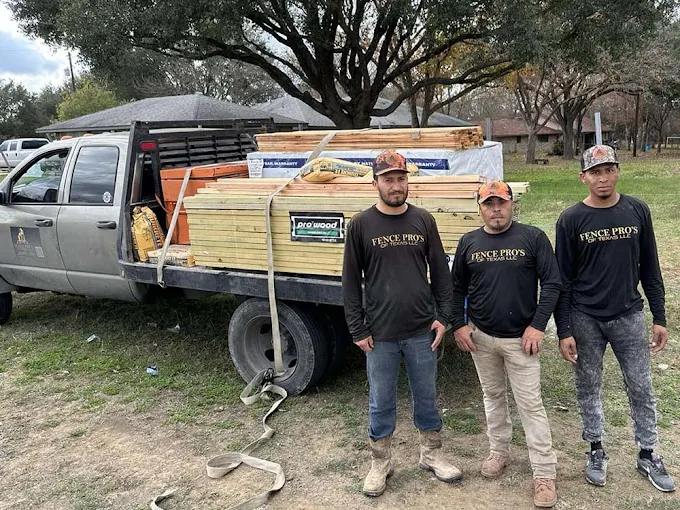
A damaged commercial fence can create security gaps, safety concerns, and costly property exposure. This guide helps you spot replacement signs early, understand what to check, and decide what to address first for your Plano, TX site.
Your commercial property fence does more than “look like a boundary.” If you are noticing leaning sections, widening gaps, or gates that do not close smoothly, it usually means the fence system is losing its ability to keep people and materials where they belong.
In Plano, TX, commercial sites often face steady wear from daily access, weather swings, and landscaping activity. When a fence starts to fail, the safest move is to identify whether parts can be repaired or if replacement is the faster path to restoring security.
This guide walks you through the most common replacement signs, what to inspect first, and how to prioritize the issues that matter most for safety and security.
- Quick answer
- What to check first
- Main things customers should understand
- Why this matters in Plano, TX
- Common mistakes to avoid
- Customer checklist
- Frequently asked questions

Quick Answer
If your commercial fence has loose or missing hardware, leaning or sagging fence lines, gaps larger than a few inches, rust-through sections, or gates that do not latch properly, replacement is often the fastest way to restore security and reduce ongoing repairs. Start by checking posts, the bottom rail line, and gate operation. If the damage is widespread or the fence system is shifting, plan for replacement rather than patching. A practical next step is to have a fence professional inspect the full run and gate area so you can prioritize what must be rebuilt first.
What to Check First
When you are trying to decide if a fence needs replacement fast, begin with the components that control strength and access. Walk the perimeter slowly and look for signs that the fence system has shifted or stopped doing its job.
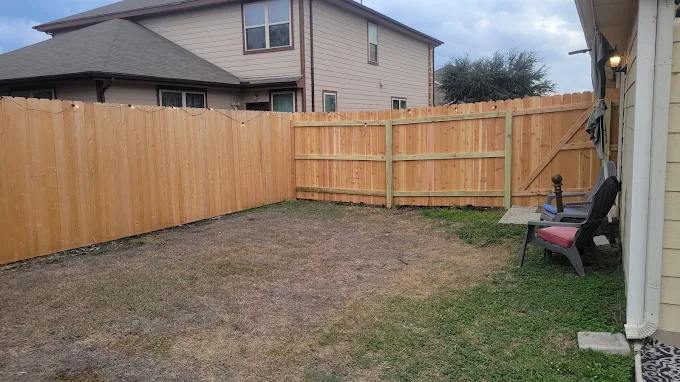
Fence line stability
Look for leaning posts, bowed rails, and fence sections that no longer sit straight. Movement often means the structure is failing, even if the panels still look “mostly intact.”
Bottom clearance and gaps
Check how much space is between the fence and the ground. Growing gaps can reduce security and allow access where you least want it.
Gate latch and swing
Test gate closure and latching. If the gate drags, sags, or will not stay closed, the problem is usually structural and can worsen quickly.
Main Things Customers Should Understand
Commercial fences are under constant use. Replacement becomes more likely when the underlying system is no longer straight, level, and properly aligned. Here are the most common indicators that your fence is beyond simple patching.
Professional observation: When posts shift or gate hardware misaligns, fixes that only replace a panel often do not last. The structure still moves, and the next failure usually shows up at the closest connection point.
1) Posts are loose, leaning, or shifting
Fence posts are the foundation of a chain link fence, wood fences, wrought iron fences, and metal fence installation systems. If you see a consistent lean or notice that a section feels “wobbly,” the anchoring and alignment may be compromised.
2) Rust-through or corrosion is spreading
For metal fence components, surface rust can be managed, but rust-through indicates material loss. If you are seeing pitting, holes, or weakened areas along rails and post sections, replacement can prevent recurring failures.
3) Rails and panels are sagging or bowed
When rails are no longer straight, tension and alignment are off. This is often what leads to uneven gaps, gate misalignment, and faster wear on connectors and hinges.
4) Gates are dragging, sagging, or not latching
Commercial gates take repeated daily action. If latches do not meet, hinges bind, or the gate swings differently than it used to, it can indicate structural movement. For access control, even small alignment issues can become a security problem.
If you are looking at an access-control upgrade path, you may also want to review access control gate options for your site.
5) Security gaps are increasing
Widening gaps along the perimeter, damaged mesh or slats, or missing sections can make your fence less effective. Even if the fence still “runs” around the property, the weak points are where access tends to happen.
Material-specific signals to watch
Different fence types fail in different ways, so the replacement signs can look slightly different depending on what you have installed.
| Fence system | Signs replacement may be the faster fix | What to check on-site |
|---|---|---|
| Chain Link Fences | Multiple loose sections, sagging fence line, or rust-through at connection points | Posts, bottom clearance, tension at rails, and gate alignment |
| Aluminum Fences | Frequent panel shifting, loose framing, or corrosion at critical joints | Post stability and joint condition where sections meet |
| Wood Fences | Rot at posts or rails, widespread loose pickets, or repeated board replacement needs | Post condition and rail alignment across multiple sections |
| Wrought Iron Fences | Structural warping, repeated bent sections, or corrosion that weakens key components | Post/base stability and gate hinge alignment |
| Corrugated Metal Fences / Mixed Material Fences | Panel separation, misalignment at transitions, or failing connections between materials | Where panels meet posts and how gates connect to the frame |
Why this matters in Plano, TX
In Plano, TX, many commercial properties rely on fences for perimeter control, storage area separation, and controlled access through gates. When the fence system starts to shift, the problem often compounds: misalignment makes gates harder to latch, gaps become easier to notice, and repairs keep getting pulled into the next weak spot.
Another local reality is that commercial sites often have active landscaping, frequent deliveries, and consistent foot and vehicle traffic. Those day-to-day movements can stress fence lines and gates, especially along areas that get the most use. Addressing replacement signs early helps you avoid prolonged exposure and reduces the risk of security gaps during peak business hours.
Customer-focused takeaway: If your fence is failing at more than one “system” area (posts plus gate, or rails plus bottom gaps), replacement is usually the most reliable way to restore the full perimeter.
Get a practical replacement check for your commercial fence
If you are seeing leaning sections, increasing gaps, or gate latch problems, Fence Pros of Texas can help you evaluate what needs to be rebuilt first.
Contact Fence Pros of TexasCommon Mistakes to Avoid
When a fence starts to fail, it is tempting to patch it quickly. The issue is that replacement decisions are often about the underlying structure, not just the visible damage.
Only replacing panels
If posts have shifted, new panels can still go out of alignment. You end up doing the same work again, just in a different spot.
Ignoring gate operation
A gate that does not latch correctly is a security and safety concern. Gate problems often point to structural movement that replacement should address.
Waiting until damage spreads
Small issues tend to grow. If you notice multiple weak points, planning replacement sooner can reduce downtime and perimeter exposure.
Customer Checklist
Use this quick checklist to document what you are seeing and decide whether replacement should be prioritized for your Plano, TX commercial property.
- Fence sections look crooked, bowed, or noticeably out of alignment.
- One or more posts are loose, leaning, or you can feel movement in the fence line.
- The bottom gap along the fence is increasing or you can see light passing at ground level.
- Hardware is missing, loose, or repeatedly failing at connections.
- Gates drag, sag, or do not latch securely every time.
- Rust-through, corrosion holes, or rot is present on key fence components.
- Damage is present across multiple areas, not just a single localized spot.
Representative Scenario
A Plano business manager calls after noticing that the fence around a storage area has begun to lean near the corner. At first, they replace a few damaged sections, but within weeks the fence line looks uneven again. The gate then starts to swing lower and will not latch without being pushed. After inspection, the team finds that the posts and alignment are shifting, not just the fence panels. In this situation, replacement becomes the faster route to restoring a secure perimeter and preventing repeated repairs.
Frequently Asked Questions
How can I tell if my commercial fence needs replacement or just repair?
Start by checking the structure, not only the surface. If posts are leaning or shifting, rails are bowed, or gates do not latch properly, the underlying alignment is likely compromised. Repairs may help for a single localized issue, but if you see multiple weak points across the perimeter, replacement is often the more reliable option. A site inspection can confirm whether the fence system is still stable or whether it is moving in a way that will cause repeated failures.
What fence issues are most urgent for security?
Gaps that increase along the bottom line and gate latch problems are usually the most urgent. Even small openings can reduce perimeter control, and a gate that will not latch can make access easier than intended. Also watch for missing hardware or loosened connections, because those can turn a “small” defect into a security gap quickly. If several of these issues are happening together, prioritize addressing the gate area and the sections with the largest movement first.
Do different materials require different replacement decisions?
Yes. Chain link fences often fail when posts shift, tension changes, or corrosion weakens connection points. Wood fences may need replacement when rot affects posts or rails. Wrought iron and aluminum fences can require replacement when corrosion or structural warping compromises critical joints. The best approach is to evaluate the condition of posts, rails, and gates for your specific material system, since those components determine whether repairs will hold.
Can you help with commercial fence installation or replacement?
Fence Pros of Texas works with commercial fence needs across Plano, TX and surrounding areas. If you are evaluating replacement, it helps to share the type of fence you have today and what issues you are seeing with the fence line and gates. For commercial-specific guidance, you can also review commercial fencing to understand common options and considerations.
What should I do before calling for an inspection?
Walk the perimeter and note where you see leaning sections, increasing gaps, rust-through, or gate latch problems. If possible, record which gates are affected and whether the fence issue is limited to one spot or spread across multiple runs. Use the checklist above to keep your observations organized. This makes the inspection more efficient because it focuses attention on the components that usually determine whether replacement is the right next step.
Ready to restore perimeter security?
If your commercial fence is showing replacement signs, Fence Pros of Texas can help you evaluate the fence line and gate areas so you can prioritize the most important rebuilds.
(210) 707-1616
Fence Pros of Texas
Fence Pros of Texas provides fence and gate services for customers in Plano, TX and surrounding areas, with a focus on commercial fencing and functional gate systems. Whether you are assessing chain link fences, aluminum fences, vinyl fences, wood fences, wrought iron fences, corrugated metal fences, mixed material fences, or glass fences, we help you identify what is failing and what should be replaced to restore security and performance.
Explore related services like commercial gates or commercial fencing, or discuss repair versus replacement after your on-site inspection.