
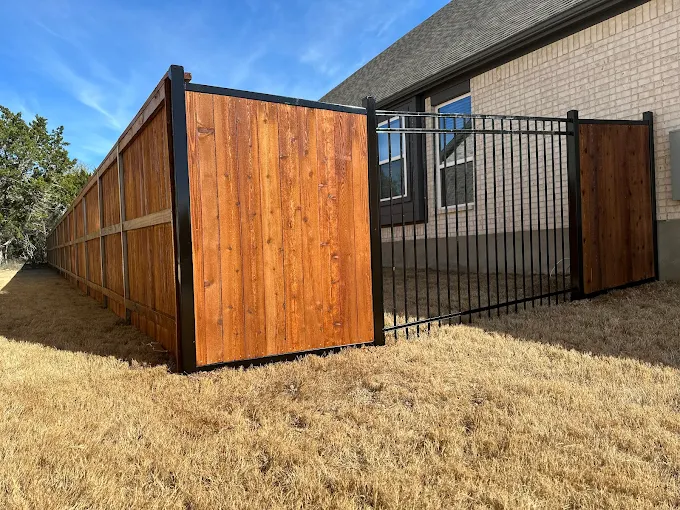
Signs You Need New Residential Fencing Now
If your fence in Plano is sagging, failing to latch, or no longer keeps pets and kids where they belong, it may be time to plan a replacement. This guide walks you through the most common warning signs, what they usually mean, and what to check so you can make a confident decision.
Over the past few months, you might have noticed your residential fence is not behaving the way it used to. A gate that used to swing smoothly now drags, a section looks slightly off-line, and the bottom gap seems to be getting bigger after storms.
Those small changes can turn into bigger problems fast, especially when the fence is meant to protect a backyard, pets, or a pool area. Below, you will learn how to spot replacement signals early, how to compare common fence materials, and when fence repair is likely to be the right move versus when a full replacement makes more sense.
- Quick answer
- What to check first
- Main things customers should understand
- Why this matters in Plano
- Common mistakes to avoid
- Customer checklist
- Frequently asked questions
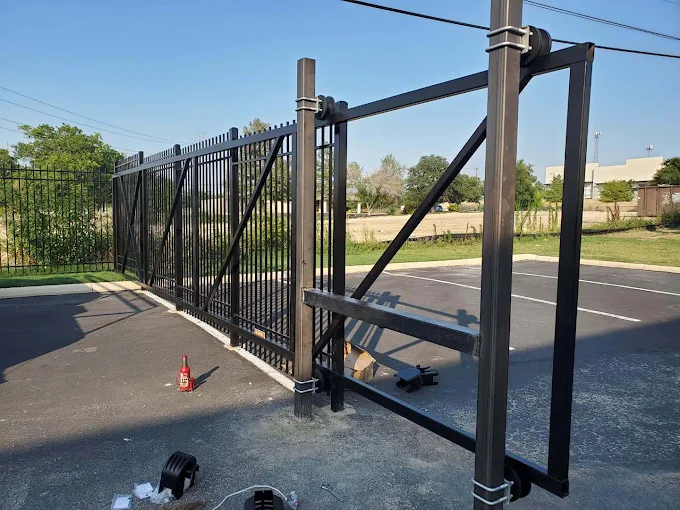
Quick Answer
If your residential fence has structural issues like leaning posts, persistent sagging, or a gate that will not close securely, replacement is often the safest long-term option. If the damage is limited to a few boards or panels and posts are solid, fence repair may be enough to restore function. A practical next step is to inspect the posts at ground level and test the gate latch alignment. If the fence cannot hold line, closing gaps keep widening, or rot and corrosion are spreading, plan for replacement and choose the material that fits your privacy and security goals.
What to Check First
Start with the areas that usually fail first: fence posts, gate hardware, and the bottom edge. Walk the perimeter and look for leaning, loose bases, and sections that pull away from the posts. For gates, check whether the latch lines up without extra force and whether hinges feel loose or uneven.

Next, test the fence in a simple way: gently push on a mid-panel area and watch how much it moves. If the movement comes from the posts shifting, the problem is structural, not just cosmetic. If movement is mostly from individual pickets or rails, repair may be possible. When you see repeated failures in multiple spots, it is a sign the overall system is under stress.
Post stability
Check for wobble, ground-level rot, and posts that look out of plumb.
Gate operation
Look for sagging, misalignment, and latches that do not catch cleanly.
Bottom gaps
Growing gaps can affect privacy, safety, and pet containment.
Main Things Customers Should Understand
Residential fencing is a system, not just a surface. Even if the panels look “mostly fine,” the fence can still be nearing the end of its service life if the posts, rails, or gate frame have lost strength. In Plano, where properties are often built with outdoor living spaces in mind, a failing fence tends to show up as usability issues first: gates that do not close, privacy that is no longer consistent, and areas that do not feel secure.
Professional observation: When customers ask whether they need fence replacement, the biggest clues are usually at the post-to-ground connection and around the gate. If those areas are compromised, new panels alone rarely fix the root problem.
Material-specific warning signs
Your fence material affects what “replacement time” looks like. Here are common indicators by type, so you can narrow down what you are seeing.
| Fence or gate material | Typical replacement signals | When repair is sometimes enough |
|---|---|---|
| Wood fences | Rot at post bases, sagging rails, and sections that keep loosening after fasteners are tightened. | Damage limited to a few boards with stable posts and straight alignment. |
| Vinyl fences | Warping, persistent looseness at connection points, and gate frames that no longer hold alignment. | Isolated panel damage with solid posts and rails. |
| Aluminum fences | Loose components that keep shifting, bent sections that affect gate function, and corrosion at connection points. | Small localized panel damage with properly secured posts. |
| Chain link fences | Stretched fabric, repeated tension issues, and posts that are leaning or failing at ground level. | Limited fabric tears with stable posts and tension hardware. |
| Wrought iron fences | Rust that has spread significantly, structural movement, and gate hardware that cannot be aligned. | Surface-level rust or minor damage where structure remains tight. |
| Corrugated metal fences | Loose mounting points, warping that affects privacy panels, and unstable gate frames. | Single-panel issues with secure rails and posts. |
| Mixed material fences | One failing material component is dragging down the rest, especially around gates and transitions. | Damage isolated to one section with compatible, stable connections. |
| Glass fences | Framing instability or repeated alignment problems that impact gate or panel function. | Minor panel issues with stable frame and secure mounting. |
Why gates often reveal problems first
Residential gates take repeated stress every day. If the latch does not catch, the gate drags, or it closes only when you lift it, the frame is likely shifting. That is one reason many homeowners decide on replacement rather than continuous adjustments, especially when multiple hinge points show looseness.
Privacy and security decline
Even when a fence still stands, it can stop doing its job. If you can see through areas that used to block sightlines, or if gaps along the bottom are wide enough for small pets, replacement may be the most practical path. Decorative fences should still provide functional boundaries, not just curb appeal.
Privacy fence installation
If your current fence no longer blocks views, new panels and correct spacing can restore privacy.
Security fence installation
A secure gate and properly set posts are often the difference between “looks fine” and “feels secure.”
Custom fence design
If the layout changed over time, a custom plan can reduce weak transitions and awkward gaps.
Why This Matters in Plano
In Plano, many yards are used year-round for outdoor living, play areas, and pool access. When a fence starts to fail, it is not just an appearance issue. A gate that will not close fully can affect how safe the backyard feels, and a bottom gap can undermine containment goals.
Another local reality is that residential fences often share the workload of weather and landscape conditions. When soil movement or repeated dampness has worked on fence posts, you may see leaning or loosening that slowly spreads across the line. That is why it is smart to inspect not just the panels, but also the post condition and how the fence aligns from corner to corner.
If you are comparing material options for your next build, you can explore different approaches through residential fencing from Fence Pros of Texas and review what fits your property’s layout and goals.
Common Mistakes to Avoid
Homeowners often try to “patch and hope,” but fencing problems tend to return when the underlying structure is failing. A few common missteps can turn a manageable repair into a faster replacement decision.
- Replacing panels while keeping failing posts: If posts are shifting, new boards will not stay aligned.
- Only tightening hardware: If the frame is sagging, tightening hinges may temporarily help but does not correct the root cause.
- Ignoring gate alignment: When a latch does not catch easily, forced closing can worsen misalignment.
- Waiting for “worst-case” damage: A fence that is leaning or has widening gaps is more likely to need replacement than spot repairs.
- Choosing the same material without addressing performance needs: If your goal is privacy, security, or pool containment, the next fence should match that purpose.
If you are still deciding between repair and replacement, it can help to understand how different projects are handled. For example, if your property includes a gate system, reviewing residential gates can clarify what “secure operation” should look like.
Customer Checklist
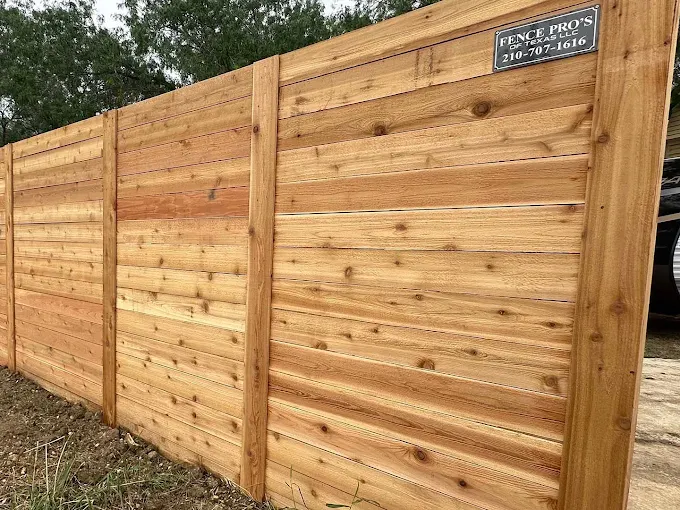
Use this checklist during your walk-around. It is designed to help you identify whether you are likely looking at repairable panel damage or a structural issue that calls for new installation.
- Fence posts look straight and solid at ground level.
- Gaps have not widened along the bottom edge over time.
- Gate hinges feel tight and the gate closes without lifting or forcing.
- Latches align cleanly and catch without repeated adjustments.
- Rails are not sagging or pulling away from posts.
- Damage is not spreading across multiple sections of the fence line.
- Corrosion, rot, or warping is not increasing after minor fixes.
- You can clearly identify the problem source (panel vs. post vs. frame).
A representative Plano homeowner scenario
Imagine a Plano family who noticed their backyard gate started to drag. At first, they adjusted the latch and tightened the hinges. After a few weeks, the gate still would not close smoothly, and one fence section near the gate began to lean slightly. When they inspected the post base, they found the connection area was compromised. In that situation, replacing only the gate hardware and a few panels did not address the shifting frame, so a full replacement plan became the practical way to restore secure operation and consistent privacy.
Want help determining repair vs. replacement?
If you are seeing leaning posts, a gate that will not latch cleanly, or privacy gaps that keep widening, Fence Pros of Texas can walk you through what to address first for your residential fencing needs in Plano, TX.
Contact Fence Pros of TexasFrequently Asked Questions
How can I tell if I need fence replacement or just fence repair?
Start by checking the posts and gate frame. If the fence is leaning, posts feel loose, or the gate does not close without lifting or forcing, the issue is usually structural. If only a few panels or pickets are damaged and the posts and rails are straight and tight, repair may be enough. A practical approach is to test movement on a panel and observe whether it comes from the post-to-ground connection or just the surface section.
What are the biggest warning signs for a failing residential gate?
The gate is often the first part of the fence system to show problems. Look for sagging, hinges that feel loose, and a latch that does not line up cleanly. If the gate drags across the ground, or if it closes only when you lift it, the frame is likely shifting. These symptoms usually mean the gate structure needs more than minor adjustments, especially when multiple connection points show uneven alignment.
Do aluminum fences, vinyl fences, and wood fences fail differently?
Yes. Wood fences commonly show rot and loosening at post bases, while vinyl fences may warp or loosen at connections. Aluminum fences often reveal issues through bent sections or corrosion at connection points. Chain link fences can fail through stretched fabric or tension problems, and wrought iron fences may show rust that spreads beyond the surface. The key is whether the posts and rails are stable. If the structure is moving, replacement is usually the better long-term fix.
Can mixed material fences be repaired, or should I replace them?
Mixed material fences can sometimes be repaired if the failing component is isolated and the supporting posts and rails are still solid. However, mixed systems can also fail unevenly, especially around transitions and gates. If one material component is pulling the structure out of alignment, spot repairs may not hold. The best next step is to identify whether the problem is limited to panels or whether the gate frame or posts are shifting.
What should I do before deciding on new fencing?
Before you decide, do a short perimeter inspection and write down what you see: which posts look loose, where gaps have widened, and how the gate behaves. Check alignment and latch function, then note whether damage is happening in multiple sections. If you are unsure whether the issue is repairable, a professional walkthrough can help you prioritize the real source of the problem. That way, you avoid replacing panels while leaving failing structural elements in place.
Ready to restore secure, good-looking residential fencing?
Fence Pros of Texas helps homeowners in Plano, TX and surrounding areas plan the right next step for residential fence installation, fence replacement, and fence repair based on what your property is actually showing.
(210) 707-1616
Fence Pros of Texas provides fence and gate solutions for homes and properties across Plano, TX & surrounding areas.
From commercial fencing and farm fencing to residential projects, we focus on practical, customer-first recommendations for fences and gates that work the way you need them to.