
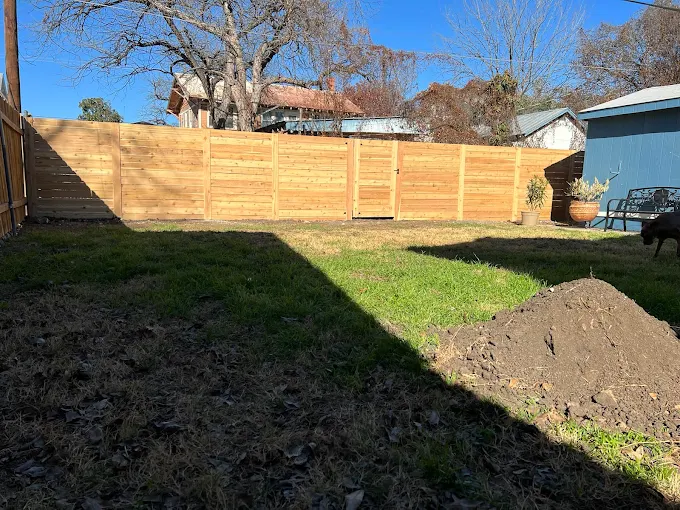
What to Know About Fence Staining Benefits
North Texas sun is no joke. If you’ve lived in Plano for more than one summer, you’ve seen what UV, heat, and sudden storms can do to an unprotected wood fence: boards turn gray, warp, crack, and start leaning long before their time. Many homeowners and property managers are surprised to learn that, in our climate, an unstained wood fence can lose up to half its expected lifespan.
At the same time, your fence is one of the first things people see when they pull up to your home, business, or ranch. It frames your property, affects curb appeal, and, in many cases, plays a major role in privacy and security.
Fence staining is one of the most cost‑effective ways to protect that investment. Done right, it doesn’t just make a fence look better—it helps it last longer, perform better, and require less maintenance over the years.
In this guide, you’ll learn how professional fence staining works, what benefits you can realistically expect in Plano’s climate, how it impacts different types of properties, and how to decide when it’s time to stain or re‑stain your fence.
Key Insight: Quality fence staining is a protective system, not just a color choice. In North Texas conditions, it can add years of life to your fence, reduce repairs, and keep your property looking sharp.
Why Fence Staining Matters So Much in North Texas
Our local weather is the main reason staining is more than a “nice to have” in Plano. We sit in a zone that sees intense UV exposure, wide temperature swings, and sudden storms—everything wood hates.
On a typical July afternoon, an unprotected wood fence can reach surface temperatures well over 140°F. UV breaks down lignin (the “glue” in wood fibers), causing graying and surface erosion. Add in heavy rains, sprinklers, and morning dew, and you have the perfect recipe for swelling, shrinking, and warping.
“Most wood fences fail from neglect long before they fail from age.” — Regional Fence & Deck Association
A properly applied stain and sealant system creates a barrier against:
- UV damage that causes fading and brittleness
- Moisture absorption that leads to rot and mildew
- Cracking and splitting from repeated wet/dry cycles
One Plano homeowner near Legacy West had a six‑foot privacy fence installed about seven years ago. The portion they stained within the first month still has rich color and straight pickets. The side they “planned to get to later” is now gray, checked, and starting to lean, with several boards needing replacement.
If your property also includes Wood Fences, Aluminum Fences, or Mixed Material Fences, keeping your wood components stained helps the entire layout look intentional and cohesive instead of patchy and worn.
CALLOUT: In Plano’s climate, an unstained wood fence may start showing serious degradation in as little as 3–5 years. A well‑stained fence can stay structurally sound and attractive for 10–15+ years with proper care.
How Staining Extends Fence Lifespan and Cuts Long‑Term Costs
Think of staining as preventive maintenance for your fence—similar to changing oil in a vehicle. You’re spending a little now to avoid a much larger bill later.
Protection That Pays Off
A professional stain and seal system:
- Reduces the risk of rot at the base of posts and pickets
- Slows down warping and cupping of boards
- Helps fasteners (nails, screws) stay tight longer
- Makes the surface more resistant to mildew and surface checking
Consider a typical six‑foot privacy fence around a Plano home. Fence replacement might run several thousand dollars, depending on length and design. Regular staining, on the other hand, is a fraction of that cost and can delay full replacement by many years.
One commercial client off US‑75 had an aging perimeter fence around their service yard. Instead of replacing everything, they replaced only the structurally compromised sections and had the entire fence stained. The stain unified old and new boards and added a protective layer that gave them another 5–7 years of reliable use before a planned full upgrade.
Local Cost & Benefit Comparison
Here’s a simplified look at how staining affects long‑term cost for a typical Plano wood fence over 15 years:
| Approach | Approx. Upfront Cost | Major Work Over 15 Years (Plano) | Est. Total 15‑Year Cost | Notes |
|---|---|---|---|---|
| No staining / minimal care | Lowest | 1 full fence replacement + frequent repairs | Highest | Fence often fails early |
| DIY staining every few years | Low–Moderate | Spot repairs + 2–3 restain cycles | Moderate | Results vary widely |
| Professional staining & maintenance | Moderate | Minimal repairs + 2 restain cycles | Lowest overall | Best balance of life & appearance |
Those numbers shift depending on the size and complexity of your fence, but the pattern is consistent: proactive staining lowers lifetime ownership costs.
If you have a larger property with Commercial Fence Installation or Farm Fencing, the savings multiply. Protecting hundreds of feet of fencing with stain can postpone a major capital expense and free up budget for other improvements.
CALLOUT: A single avoided fence replacement often pays for multiple professional staining cycles—especially on long runs of privacy or perimeter fencing.
Curb Appeal, Branding, and First Impressions
A fence is one of the largest visual elements on your property. Whether you’re a homeowner in West Plano, a business along Preston Road, or managing acreage on the outskirts of town, the way your fence looks says something about how you care for your space.
Residential Properties
For homeowners, a freshly stained fence can:
- Make landscaping “pop” by providing a warm, consistent backdrop
- Complement other features like residential gates and railings
- Improve perceived value for appraisers and potential buyers
A couple in a Plano subdivision near Spring Creek Parkway recently listed their home after having their older fence cleaned and stained. The agent specifically called out the fence in the listing photos, and buyers commented on how “finished” the yard felt compared to neighboring homes with gray, weathered fencing.
Commercial and Multi‑Family Properties
For businesses, stain color and consistency can support your brand. A uniform stain on perimeter fencing, dumpster enclosures, and service areas sends a quiet but powerful message: this business pays attention to details.
One local office park used a rich, medium‑brown stain on all wood elements—including their Security Fence Installation around mechanical areas and wood accents near entries. The result was a cohesive, professional look that matched their signage and building colors.
“Exterior details like fences and gates are key to perceived quality. They set expectations before anyone walks through the door.” — Commercial Property Manager, DFW
Privacy, Security, and Performance: More Than Just Color
Staining isn’t only about appearance; it can also affect how well your fence does its job day‑to‑day.
Better Privacy Over Time
A privacy fence relies on tight, straight boards to block sightlines. When boards warp, twist, or shrink from moisture cycles, gaps open up. Staining and sealing help stabilize the wood, reducing the amount of movement and maintaining privacy longer.
In a Plano neighborhood backing up to a busy arterial road, one homeowner noticed that the unstained section of their older fence had developed visible gaps, while the stained section still felt like a solid wall. After re‑staining and replacing a few warped boards, their yard felt private again—without needing a full tear‑down.
Structural Integrity and Security
While stain doesn’t replace good construction practices, it does support them. By slowing rot and moisture damage, stain helps posts and rails stay sound. That matters if your fence is part of a Security Fence Installation or controls access to pools, play areas, or equipment yards.
For properties that combine commercial gates with wood privacy sections, staining keeps the wood portions from becoming the weak link. A rust‑protected metal gate next to a rotting wood fence defeats the purpose of investing in security hardware.
Performance in Mixed Designs
Modern properties in Plano often mix materials: wood with Wrought Iron Fences, steel posts, or even glass panels. In these designs, the wood portions are usually the most vulnerable to weather.
A thoughtful staining plan:
- Protects the wood so it ages at a similar pace to metal or glass
- Reduces the visual contrast between “old wood” and “like‑new metal”
- Keeps the whole system functioning as intended, instead of piecemeal repairs
CALLOUT: A fence is only as strong as its weakest section. Staining keeps your wood components from becoming that weak point in an otherwise solid security or privacy system.
Matching Stains to Fence Types and Property Uses
Not every fence or property needs the same stain. Choosing the right product and approach is where experienced staining contractors add real value.
Different Fences, Different Needs
- Standard wood privacy fences around homes usually benefit from penetrating oil‑based stains that enhance grain and provide deep protection.
- Ranch and farm fencing around Plano’s outskirts may prioritize durability and ease of maintenance over rich color, using lighter, more natural tones that hide dust and sun fade.
- Perimeter fences at commercial sites often need colors that match existing branding or municipal requirements, especially if combined with estate gates or architectural elements.
If your property also includes Chain Link Fences or Aluminum Fences, stain selection should account for nearby metal tones and coatings so the overall look feels intentional.
Traditional vs. Modern Stain Choices
Here’s a quick comparison of older approaches to fence finishing versus modern, professional systems:
| Aspect | Traditional Approach | Modern Professional Approach |
|---|---|---|
| Product type | Basic exterior paint or generic stain | Purpose‑made fence & deck stains |
| Application | Single heavy coat | Multiple controlled passes for even penetration |
| UV & moisture protection | Limited | Formulated for high UV zones like North Texas |
| Appearance over time | Peeling, flaking, uneven fading | Gradual, even weathering; easy to refresh |
| Maintenance | Scraping and repainting | Clean and re‑coat, no heavy prep if maintained |
A Plano homeowner with a 15‑year‑old fence painted early on faced extensive peeling and flaking. Switching to a high‑quality stain system required stripping and sanding first. Had the fence been stained from the beginning, ongoing maintenance would have been far simpler and less expensive.
Professional Staining vs. DIY: What Property Owners Should Weigh
Homeowners in Plano are handy, and many consider staining their own fences. For smaller sections or touch‑ups, DIY can be a reasonable option. For full perimeters, commercial sites, or older fences needing prep, professional help tends to deliver better value.
What Pros Bring to the Table
A professional staining team that regularly works in North Texas understands:
- How long to let new wood “season” before staining
- Which stains perform best on local wood species and fence styles
- How to handle overspray near stone, brick, pools, and landscaping
- The right prep for older fences (cleaning, minor Fence Repair, mildew treatment)
They also have the equipment to work efficiently and evenly, which matters when you’re covering hundreds of linear feet.
One Plano business owner tried to DIY stain a long run of fence behind their warehouse. Midway through, they realized the color was blotchy, product was running low, and overspray had hit some parked vehicles. A professional crew later corrected the color and finished the job with proper masking and spray techniques—a more expensive route than hiring them from the start.
When DIY Makes Sense
- Small garden enclosures or accent fences
- Simple touch‑ups between professional staining cycles
- Owners who already have quality equipment and time to do careful prep
For most full‑yard or commercial projects, though, the risk of uneven coverage, premature failure, or damage to nearby surfaces makes professional work the safer bet.
“Good staining is 60% preparation, 40% product and technique. Skipping prep is where most DIY jobs fall short.” — Senior Staining Technician, DFW
CALLOUT: If your fence is more than a few years old, factor in cleaning, repairs, and safety around utilities and neighbors before deciding to go DIY.
What This Means for Properties in Plano, TX
Plano’s rapid growth and mix of residential neighborhoods, business corridors, and nearby rural properties mean fences play many roles: privacy, security, aesthetics, and boundary definition. Across all of these, staining is a smart investment.
For homeowners, a well‑stained fence helps your property stand out in competitive neighborhoods—especially around sought‑after schools and amenities. It frames outdoor living spaces, protects kids’ and pets’ play areas, and supports resale value.
For local businesses, consistent, professional‑looking fencing supports your brand message. A clean, protected fence around loading docks, service yards, or customer parking lots sends a message of order and care that customers and tenants notice. It also protects your investment in Commercial Gates and access systems by keeping adjacent wood sections from failing early.
Ranch and farm owners near Plano benefit from staining long runs of fencing that protect livestock and equipment. Sun‑baked, cracked boards or rotting posts aren’t just unattractive—they’re a safety and containment risk.
The bottom line: in a climate that’s tough on wood, staining turns your fence from a disposable item into a long‑term asset. Whether you’re surrounding a single‑family home, a commercial facility, or acreage, working with a local team that understands Plano’s conditions and codes can help you get the most from your fence for years to come.
Frequently Asked Questions
Q: How soon after fence installation should I stain a new wood fence in Plano?
A: Timing is critical. New fences need a short “seasoning” period so the wood can dry to an ideal moisture level, but waiting too long leaves it vulnerable to UV and moisture damage. In Plano’s climate, that window is often 4–12 weeks, depending on wood type, weather, and how “green” the lumber was at installation. A professional who handles Wood Fence Installation regularly can test moisture content and advise on the ideal timing. Staining too early can trap moisture and lead to peeling or blotchiness; waiting a full year can allow unnecessary cracking and graying. If you’re not sure where your fence falls, a quick site visit and evaluation is worth it.
Q: How often should I re‑stain my fence in North Texas?
A: Most fences in Plano benefit from re‑staining every 3–5 years, but that range depends on sun exposure, stain quality, and color. South‑ and west‑facing sections that take direct afternoon sun will fade faster than shaded areas. Transparent and semi‑transparent stains typically need more frequent refreshes than darker, more heavily pigmented products. A simple test: splash a little water on the fence. If it soaks in quickly instead of beading on the surface, it’s time to consider re‑staining. Regular maintenance like this can delay the need for major Fence Repair or full replacement, especially on long privacy runs.
Q: Can you stain an old, gray fence, or is replacement the only option?
A: Many older fences can be revived with cleaning, repairs, and professional staining. The process usually includes power washing or soft washing to remove dirt and mildew, replacing rotted boards or failed posts, and then applying a penetrating stain. We’ve seen 10‑ to 15‑year‑old fences in Plano neighborhoods look dramatically better after this treatment. However, if large sections are structurally compromised—extensive rot at the base, loose posts, or severe warping—it may be more cost‑effective to plan for phased Fence Replacement. A reputable contractor will be honest about where your fence sits on that spectrum.
Q: What about fences that combine wood with metal or other materials?
A: Mixed designs are common around Plano, especially where Wrought Iron Fences, steel posts, or even Glass Fences are used with wood sections. In these cases, staining is tailored to complement the non‑wood elements. For example, a warm medium‑brown stain pairs well with black metal frames or railings, while lighter tones can soften the look next to corrugated or Metal Fence Installation. The main goal is twofold: protect the wood so it doesn’t age faster than the metal, and select colors that make the combination look intentional, not pieced together over time.
Q: Does staining help with maintenance around pools or irrigated lawns?
A: Yes. Areas near pools, sprinklers, and heavily irrigated landscaping are particularly hard on wood fences because of constant moisture and chemical exposure. A good stain and sealant system helps repel water, reduces the risk of mildew, and protects against chlorine and other pool chemicals. Around pools, staining also supports safety by helping maintain the integrity of Pool Fence Installation that must meet specific height and spacing requirements. In backyards with active sprinklers, stain can prevent the bottom of boards from absorbing excess water and rotting prematurely, especially where grass and mulch meet the fence line.
Q: Is there a difference between staining a residential fence and a commercial fence?
A: The basic principles are the same—clean, prep, and protect—but commercial projects often involve additional considerations. Color consistency across long runs, coordination with branding, and integration with Access Control systems or Commercial Gates come into play. Commercial properties may also have tighter schedules, security requirements, or city guidelines to follow. A contractor experienced in both Commercial Fence Installation and staining can plan the work to minimize disruption to tenants, customers, and operations while still delivering durable protection.
Q: Can staining change the look of my fence if I’m tired of the current color?
A: In many cases, yes—especially if you’re moving from a lighter tone to a slightly darker one. After cleaning and prep, a new stain can shift the color of your fence to better match updated siding, trim, or outdoor features. There are limits, though: going dramatically darker or trying to lighten a very dark previous stain may require additional steps, and painted fences are a different challenge altogether. If you’ve recently updated other exterior elements—like installing new Estate Gates or changing from Vinyl Fences to wood—this can be a great time to evaluate stain options that pull everything together visually.
Ready to Get Started?
Plano’s weather won’t wait, and every season of sun and storms takes a toll on unprotected wood. If your fence is new and still unstained, you’re in the ideal window to protect it before the first signs of damage show up. If it’s older and already gray or weathered, the sooner you address it, the more of the existing structure you can potentially save.
Now is a smart time to schedule an on‑site assessment. A staining professional can walk your fence line, point out areas of concern, recommend colors and products that fit your property, and outline a clear maintenance plan. For properties that also include gates, railings, or other fence types, this is also an opportunity to look at the entire perimeter and decide where upgrades, Fence Maintenance, or new Custom Fence Design might make sense.
Fence Pros of Texas has been working with Plano homeowners, businesses, and landowners for years, so we understand the specific demands of our climate and local neighborhoods. Scheduling ahead ensures you can get on the calendar before peak-season slots fill up, especially in spring and fall when conditions are ideal for staining.
Take the next step toward protecting and enhancing your property’s fencing with a tailored staining solution.
About Fence Pros of Texas
Fence Pros of Texas is a locally focused fence and gate contractor serving Plano and surrounding North Texas communities. Our team designs, installs, and maintains a full range of fencing solutions, from residential privacy fences to commercial security systems and ranch fencing. With deep experience in wood protection and Fence Maintenance, we help property owners get the longest possible life and best appearance from their investment. Learn more about our services and see how we can support your next project at https://fenceprosoftexas.com/.