
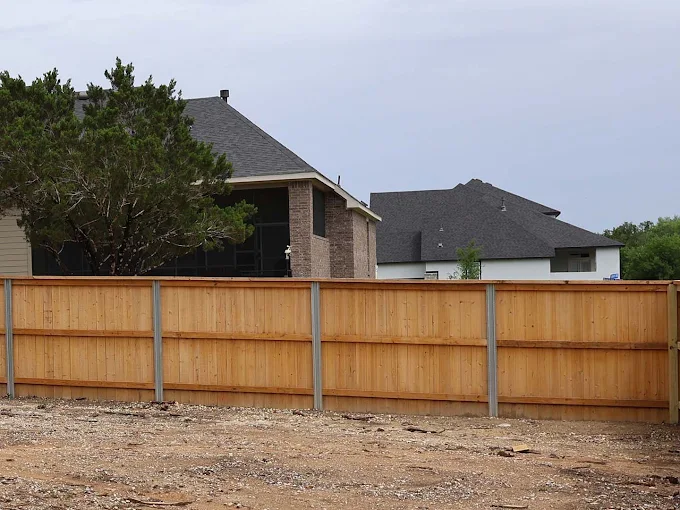
Top Considerations for Residential Fence Installation
On many Plano streets, you can see almost every type of fence imaginable—tall wood privacy fences, sleek metal panels, classic wrought iron, even modern mixed-material designs. That variety isn’t an accident. In Collin County, where property values have climbed steadily and outdoor living is a big part of daily life, your fence plays a major role in both security and curb appeal.
According to recent real estate reports, well-maintained outdoor features like fencing can add meaningful value to a home, especially in established neighborhoods where privacy and aesthetics matter. At the same time, Plano’s HOA guidelines, city codes, and Texas weather can make residential fence installation more complex than it first appears.
This guide walks you through the top considerations before you install or replace a fence around your home. You’ll learn how to choose the right materials, navigate local rules, plan for long-term maintenance, and design a fence that truly fits your property and lifestyle in Plano.
Key Insight: The best residential fence isn’t just sturdy—it’s tailored to your property, your neighborhood, and the way you actually live at home.
Clarifying Your Goals: Privacy, Security, or Curb Appeal?
Before you compare materials or call a contractor, you need a clear answer to one question: What do you want this fence to do for you? Most homeowners in Plano fall into one or more of these categories:
- Privacy from nearby neighbors or busy streets
- Security for kids, pets, or property
- Aesthetic upgrade and curb appeal
- Pool or garden protection
- Noise reduction from traffic or nearby schools
Each goal points you toward different fence styles and heights. For example, if you’re backing up to a busy street like Coit or Parker, a solid Privacy Fence Installation using wood or corrugated metal will do more for you than an open decorative style. In contrast, if you’re on a quiet cul-de-sac and just want to define your property line, a lower, more open design may be ideal.
A Plano family near Legacy West recently upgraded from a low, aging picket fence to a 7-foot board-on-board wood fence. Their primary goal was privacy from new two-story homes built behind them. By clarifying that need, we focused on height, overlapping boards, and strategic gate placement rather than purely decorative details.
“Form always follows function with fencing. If the fence doesn’t solve your core problem—privacy, security, or aesthetics—no material will make it the right fence.” — Senior Fence Consultant, Fence Pros of Texas
Spend a few minutes listing your top three priorities. Share them with your installer. A good residential fence plan should clearly reflect those goals in its height, layout, and material choices.
CALLOUT: A beautiful fence that doesn’t keep your dog in the yard—or meet your HOA rules—will feel like a bad investment, no matter how nice it looks.
Choosing the Right Material for Texas Weather and Your Lifestyle
Plano’s climate is tough on fences. You’re dealing with intense sun, seasonal storms, shifting clay soil, and the occasional hail event. Material choice is one of the biggest long-term decisions you’ll make.
Here’s a high-level look at common options:
- Wood
- Vinyl
- Metal (aluminum, wrought iron, steel)
- Chain link
- Mixed materials and specialty designs
Traditional vs. Modern Fence Materials
| Material Type | Pros in Plano, TX | Cons / Considerations | Typical Use Cases |
|---|---|---|---|
| Wood Fences | Warm look, versatile styles, privacy-friendly | Requires staining/sealing, can warp or rot | Privacy, classic neighborhood homes |
| Vinyl Fences | Low maintenance, no painting, won’t rot | Can crack with impact, limited color options | Clean, modern yards, pool fencing |
| Aluminum Fences | Rust-resistant, lightweight, decorative | Less privacy, not as strong as steel | Pool enclosures, decorative yard boundaries |
| Wrought Iron Fences | Very strong, high-end appearance | Higher cost, needs rust protection | Estate-style homes, front yard Decorative Fence Installation |
| Chain Link Fences | Budget-friendly, durable, low maintenance | Low privacy, more utilitarian appearance | Side yards, dog runs, functional boundaries |
| Corrugated Metal Fences | Modern look, great privacy, wind-resistant | Can heat up in direct sun, style-specific | Contemporary homes, mixed-material designs |
| Glass Fences | Unobstructed view, upscale finish | Higher cost, requires cleaning, code-specific | Pool areas, patios with views |
Plano homeowners often prefer Wood Fence Installation with professional staining for backyards, because it balances privacy, cost, and aesthetics. In a newer subdivision off Preston, for example, a row of homes opted for 8-foot board-on-board cedar with rich stain. The result: consistent privacy, a unified look, and added value to the entire row of properties.
On the other hand, a homeowner near Oak Point Park wanted to keep their view of mature trees, so we recommended an Aluminum Fence Installation with narrow pickets—secure for their dog, but visually open.
Your lifestyle matters too. If you don’t want regular maintenance, vinyl or aluminum may suit you better than wood. If you’re open to periodic care in exchange for a warm, natural look, wood with a quality stain and seal is still a top performer in North Texas.
Navigating Plano Codes, HOAs, and Property Lines
A fence that violates local rules can be an expensive mistake. Between Plano city ordinances, neighborhood HOAs, and property line issues, it pays to clarify the legal side before you start.
Key Local Considerations
- Height limits: Plano typically restricts residential fence height near front yards and street corners for visibility. Backyards often allow taller fences (like 6–8 feet), but specifics vary by zoning and HOA.
- Materials and styles: Some HOAs in Plano (especially in master-planned communities) restrict certain materials, colors, or fence heights visible from the street.
- Setbacks and easements: Utility easements, drainage areas, and alley access can limit where you place posts and how high the fence can be.
We recently worked with a homeowner in the Ridgeview Ranch area who wanted an 8-foot fence for privacy. The HOA guidelines capped visible street-facing fences at 6 feet. By reviewing the subdivision documents and walking the property, we redesigned the fence: 6 feet along the visible side, stepping up to 8 feet in the rear yard where it wasn’t restricted. The homeowner got the privacy they needed while staying fully compliant.
“The most expensive fence is the one you have to take down and rebuild because it didn’t meet code.” — Project Manager, Fence Pros of Texas
Traditional vs. Proactive Planning
| Approach | Description | Risk Level |
|---|---|---|
| Build First, Ask Later | Install without checking codes/HOA rules | High (fines, rebuilds) |
| DIY Research Only | Homeowner checks rules, but may miss details | Medium |
| Contractor + HOA + City | Contractor confirms regulations and coordinates | Low |
Working with a contractor familiar with Plano’s requirements can save you time and headaches. They should help you confirm height limits, setback rules, and any special requirements for corner lots, pools, or alleys.
Designing for Function: Gates, Access, and Special Areas
A fence isn’t just a line around your property; it’s a system you use every day. Gates, access points, and layout choices can make the difference between a fence that works with your life and one that constantly gets in the way.
Gate Placement and Type
Think about:
- How you move from front yard to back yard
- Where you bring in lawn equipment or deliveries
- Access for trash bins, pool maintenance, or pets
- Future plans like a shed, pool, or patio expansion
Many Plano homes benefit from at least two gates: one standard gate for daily use and a wider gate for equipment or large items. In a West Plano neighborhood, we installed a 4-foot pedestrian gate on the patio side and a 10-foot double-drive gate facing the alley, making yard maintenance and access much easier.
You can also enhance usability and security with Residential Gates and modern Access Control options—keypads, remote openers, or integrated smart systems. These features are especially helpful on corner lots or properties with long driveways.
Special Use Areas
Certain parts of your property may need tailored solutions:
- Pools: Plano and Texas codes require specific heights, latch types, and non-climbable designs for Pool Fence Installation. Glass, aluminum, or code-compliant vinyl can work well here.
- Gardens: Low Garden Fence Installation can protect landscaping from pets while still looking attractive.
- Driveways: For homes near busy roads, driveway gates offer both safety and style. Estate-style Estate Gates can significantly upgrade the front elevation of your property.
“Every gate is a high-traffic area. If it’s hard to open, poorly placed, or not secure, you’ll notice it every single day.” — Installation Supervisor, Fence Pros of Texas
Thoughtful layout planning upfront prevents future frustrations like dragging trash bins around the house or finding out your lawn service can’t get their mowers through your only gate.
Balancing Budget, Longevity, and Maintenance
Two fences can look similar on day one but have very different costs over 10–15 years. Plano’s weather, soil movement, and UV exposure will expose weak materials and poor installation quickly.
Upfront Cost vs. Long-Term Value
Consider these factors:
- Material cost per linear foot
- Expected lifespan in North Texas conditions
- Maintenance requirements (staining, cleaning, repairs)
- Impact on resale value and neighborhood appeal
A homeowner in east Plano had a basic pine privacy fence installed by a discount contractor. Within three years, boards were warped, posts were leaning, and sections had to be replaced after heavy storms. By contrast, their neighbor invested in cedar with steel posts and professional staining from the start. Ten years later, their fence still looks strong, and touch-up maintenance has been minimal.
Here’s a simplified comparison:
| Option | Initial Cost | Typical Lifespan (Plano) | Maintenance Needs |
|---|---|---|---|
| Basic Pine Wood, No Stain | Low | 5–8 years | High (repairs, early replacement) |
| Cedar Wood + Stain & Seal | Medium | 12–15+ years | Moderate (re-stain every few years) |
| Quality Vinyl | Medium–High | 20+ years | Low (washing, occasional repairs) |
| Aluminum / Wrought Iron | Medium–High | 20+ years | Low–Moderate (rust prevention, cleaning) |
Professional Fence Maintenance like staining and sealing can dramatically extend the life of wood fences. In Plano’s sun and heat, unstained wood will gray and crack much faster than treated boards.
By weighing long-term performance against initial cost, you can choose a solution that fits your budget today and doesn’t surprise you with major repairs in just a few years.
Custom Design, Mixed Materials, and Curb Appeal
Many Plano neighborhoods have similar home styles, so your fence is a great opportunity to add character without clashing with the area’s look. Custom fence design doesn’t have to be complicated or overly expensive—it often comes down to thoughtful details.
Design Elements That Make a Difference
- Post caps and trim details
- Horizontal vs. vertical boards
- Decorative top sections (lattice, iron, or glass)
- Mixed materials (wood + metal, stone + steel)
- Color choices and stain tones
For a home near Plano Senior High School, the owner wanted more privacy without creating a “wall” that felt too imposing. We designed a Custom Fence Design with horizontal cedar boards, a dark stain, and a narrow top band of metal panels. The result was a modern, upscale look that still felt warm and residential.
Mixed materials are becoming especially popular:
- Wood with steel frames for modern lines and strength
- Corrugated metal with wood framing for a contemporary, low-maintenance privacy solution
- Stone columns with wrought iron panels for a classic estate feel
For front porches, balconies, and steps, coordinated Railings can tie the whole exterior together, creating a cohesive look from the street.
“A well-designed fence can feel like an extension of your home’s architecture, not just an afterthought around your yard.” — Design Specialist, Fence Pros of Texas
If you’re unsure where to start, ask your contractor to show you examples from similar homes in Plano—especially homes in your price range and neighborhood style. Seeing real-world projects makes it easier to imagine what will work for you.
What This Means for Homeowners in Plano, TX
Plano isn’t a one-size-fits-all market. You have established neighborhoods with mature trees, newer master-planned communities with strict HOA rules, and everything in between. That diversity is exactly why residential fence installation deserves careful planning here.
For many Plano homeowners, the fence is:
- A key part of backyard living—especially with pools, outdoor kitchens, and kids’ play areas
- A major visual element from alleys, side streets, and neighboring two-story homes
- A security feature in a busy, growing metro area
- A factor in resale value in competitive school zones and desirable subdivisions
Choosing the right fence affects:
- Daily comfort: privacy from neighbors, protection from wind and sun, safe space for kids and pets
- Maintenance load: how often you’ll need to stain, repair, or replace sections
- Budget and value: whether your investment holds up or becomes a recurring expense
- Neighborhood fit: staying on good terms with HOAs and neighbors while still getting what you want
Plano’s clay soil and weather patterns also mean installation quality is critical. Posts must be set correctly, materials must be suitable for local conditions, and designs must account for wind and soil movement. A fence that looks fine at install can start leaning or shifting within a couple of storm seasons if shortcuts were taken.
For homeowners who also own rental properties or small commercial buildings in the area, the same principles apply. Whether you’re planning Commercial Fence Installation for a business lot or a Farm Fencing solution on acreage outside city limits, clarifying goals, respecting codes, and selecting the right materials will pay off long term.
Ultimately, a well-planned fence project in Plano protects your privacy, enhances your home, and stands up to Texas weather—without creating legal or maintenance headaches down the road.
Frequently Asked Questions
Q: How tall can my residential fence be in Plano, and do I need a permit?
A: Fence height in Plano depends on where it is on your property and local zoning. Backyard fences are commonly allowed up to 6 or 8 feet, while front yard and corner-lot fences often have stricter limits for visibility and safety. Some projects, especially those involving pools or major Residential Fence Installation changes, may require permits or HOA approval. A local fence contractor familiar with Plano ordinances can review your specific lot, confirm allowable heights, and help determine whether a permit is needed before work begins.
Q: What fence material holds up best in Plano’s sun and storms?
A: Several materials perform well when properly installed. Cedar wood with quality stain and sealant is a strong choice for privacy, offering a 12–15+ year lifespan in Plano when maintained correctly. Vinyl is extremely low maintenance and won’t rot, though it can be more susceptible to impact damage. Metal options like aluminum and Wrought Iron Fences are durable and attractive, especially for front yards and pools. The key is matching material to your goals—privacy, appearance, or security—and ensuring professional installation that accounts for local soil and wind conditions.
Q: How do I choose between wood, vinyl, and metal for a privacy fence?
A: For full privacy, solid Wood Fences and some vinyl styles are usually the top contenders. Wood offers a warm, classic look and is highly customizable, but it does require periodic staining or sealing to handle Plano’s climate. Vinyl provides long-term, low-maintenance privacy with consistent color but has fewer style variations. Metal options like corrugated panels or mixed wood-and-metal designs can also create excellent privacy with a modern aesthetic. A contractor can walk you through style samples and cost ranges to help you decide which balance of appearance, maintenance, and budget fits your property.
Q: Can I just repair sections of my old fence, or do I need full replacement?
A: Targeted Fence Repair can be a smart option if the majority of your structure is sound. Replacing a few damaged posts or pickets, re-setting leaning sections, and adding fresh stain can extend the life of a relatively healthy fence. However, if many posts are rotted, panels are sagging throughout, or the fence no longer meets your privacy or security needs, Fence Replacement often becomes more cost-effective in the long run. A professional inspection can give you an honest assessment of remaining lifespan and help you compare repair vs. replacement costs.
Q: What should I consider for a pool fence in Plano?
A: Pool fences in Plano must meet both city and state safety codes, including minimum height, self-closing and self-latching gates, and non-climbable designs. Many homeowners choose Aluminum Fences or code-compliant vinyl around pools for their durability and clean appearance. Glass panels are another option for high-end projects where preserving the view is important. Beyond code, consider how the fence integrates with your backyard layout, whether you want full privacy or a more open feel, and how children and guests will safely move through gates. Working with a contractor experienced in Pool Fence Installation ensures you stay compliant while still getting an attractive result.
Q: How often should a wood fence be stained or sealed in North Texas?
A: In Plano’s climate, a newly installed wood fence benefits from professional staining or sealing once the wood has properly dried—often within a few weeks to a few months, depending on the material. After that, most homeowners should plan to re-stain every 2–4 years, depending on sun exposure, sprinkler patterns, and the quality of the original product. South- and west-facing fences often need attention sooner due to stronger sun. Partnering with a contractor that offers ongoing Fence Maintenance can simplify this process and keep your fence looking new much longer.
Q: Are decorative fences secure enough for pets and kids?
A: Many decorative designs can be both attractive and secure if they’re planned with safety in mind. For example, Decorative Fence Installation using aluminum or wrought iron can incorporate closer picket spacing and appropriate height to prevent pets from squeezing through or children from climbing over. For very small dogs, adding a low-profile mesh inside a metal fence can provide extra containment without changing the overall look. The key is to tell your installer exactly which pets and ages of children you’re designing for so the fence can be engineered to meet those needs without sacrificing style.
Ready to Get Started?
Plano’s real estate market and outdoor lifestyle make a quality fence more than just a boundary—it’s part of how you live, entertain, and protect your home. Waiting too long to address a leaning, rotted, or outdated fence can lead to higher repair costs, HOA issues, and even safety concerns for pets and kids.
Spring and fall are especially busy fencing seasons in North Texas, as homeowners look to complete projects before extreme heat or holiday gatherings. Scheduling your Residential Fence Installation early helps you secure preferred dates and ensures your project is completed before peak weather or event deadlines.
The next step is simple:
- Walk your property and note your goals: privacy, security, aesthetics, or all three
- Gather any HOA documents or surveys you have
- Reach out to a local fence expert for a site visit and detailed proposal
Fence Pros of Texas can help you compare materials, design a layout that works for your daily life, and make sure your fence is built to handle Plano’s specific conditions—on time and on budget.
About Fence Pros of Texas
Fence Pros of Texas is a locally focused fencing contractor serving homeowners and property owners throughout Plano and the surrounding North Texas communities. Our team brings years of hands-on experience with Residential Fence Installation, Commercial Fence Installation, gates, staining, and custom designs tailored to Texas weather and local codes. We take pride in honest assessments, quality materials, and workmanship that stands the test of time—from simple repairs to high-end custom projects. To learn more about our services and see examples of our work, visit our website at https://topcoreconcrete.com/.