
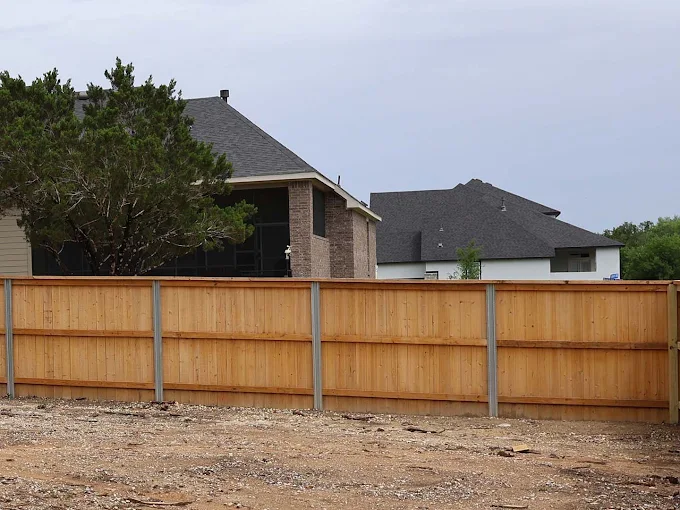
Understanding the Importance of Fence Staining
North Texas sun is no joke. If you’ve lived in Plano for any length of time, you’ve probably seen a brand‑new wood fence turn gray, warped, and weathered in just a couple of seasons. Between the UV exposure, sudden storms, high heat, and the occasional hail, unprotected fences in our climate take a beating year‑round.
For homeowners, business owners, and property managers, that’s more than just a cosmetic problem. A failing fence can affect curb appeal, security, property value, and even compliance with HOA or commercial property standards. Industry studies show that properly stained and maintained wood can last up to twice as long as untreated wood, and fences are no exception.
This guide explains why fence staining matters so much in Plano and the greater DFW area, how it protects your investment, and what you can do to get the most life and beauty out of your fence—whether it’s part of your home, a commercial property, or a working farm or ranch.
Key Insight: Thoughtful, professional fence staining isn’t just about color—it’s about protection, performance, and long‑term savings for your property in a harsh Texas climate.
Why Wood Fences Fail So Fast in North Texas
Walk through any Plano neighborhood and you’ll see a mix of fresh cedar fences and tired, gray panels leaning under their own weight. The difference usually comes down to protection.
The Environmental Reality in Plano
Our local conditions are especially hard on wood:
- Intense UV radiation breaks down lignin, the natural “glue” that holds wood fibers together.
- High heat and rapid temperature swings cause expansion and contraction, leading to warping and cracking.
- Heavy rains and humidity drive moisture deep into unprotected boards, setting the stage for rot and mildew.
- Wind‑blown debris and dust slowly erode the surface of the wood.
Unstained fences soak up water like a sponge. Then they bake in the sun. That wet‑dry cycle is what leads to cupping, splitting, and loose boards.
“Most premature fence failures we see in North Texas are directly tied to a lack of proper sealing and staining in the first 1–2 years.” — Local Fence Installation Specialist
A Local Example
A Plano homeowner in the Ridgeview Ranch area installed a beautiful cedar privacy fence around their pool. It was left unstained “to save money.” Within three years:
- The rich red cedar had turned a dull, uneven gray.
- Several pickets along the bottom had started to rot.
- Gate alignment shifted due to warped posts.
Contrast that with a similar project nearby that was professionally stained and maintained every few years. After the same time period, that fence still looked close to new, with straight lines and tight boards.
Why This Matters for Different Fence Types
Even if your property uses other materials—like Wood Fences paired with Aluminum Fences or Chain Link Fences—the wood components (posts, rails, gates, trim) are still vulnerable. Staining is your first line of defense.
CALLOUT: If your fence has never been stained and is more than 12–18 months old, you’re already losing years off its potential lifespan.
What Fence Stain Really Does (Beyond Just Color)
Many property owners think of stain like paint for wood. In reality, it’s more like a weatherproofing system that happens to look good.
Core Functions of Quality Fence Stain
A professional‑grade stain:
- Seals out moisture to slow rot, mold, and mildew.
- Blocks UV rays to reduce fading and fiber breakdown.
- Stabilizes the wood to minimize warping, cupping, and cracking.
- Enhances grain and color for better curb appeal.
- Makes cleaning easier by creating a smoother, protected surface.
On a busy Plano commercial property, for example, a stained perimeter fence or Commercial Fence Installation not only looks more professional but also stands up better to landscaping equipment, foot traffic, and weather.
“Think of stain as sunscreen plus a raincoat for your fence. Without it, the wood is fully exposed every single day.” — Wood Preservation Expert
Transparent, Semi‑Transparent, and Solid Stains
Each type offers a different balance of protection and appearance:
| Stain Type | Look & Coverage | UV Protection | Typical Use in Plano |
|---|---|---|---|
| Transparent | Shows full wood grain, light tint | Low–Medium | New premium cedar, decorative accents |
| Semi‑Transparent | Shows grain with richer color | Medium–High | Most residential privacy fences |
| Solid / Opaque | Paint‑like coverage, hides most grain | High | Older fences, commercial applications |
A Plano homeowner in Deerfield with a high‑end cedar Residential Fence Installation chose a semi‑transparent stain to highlight the natural grain while still providing strong UV protection. A nearby medical office complex opted for a solid stain on their perimeter fencing to create a consistent, branded color that hides previous repairs.
Don’t Forget Other Wood Features
The same principles apply to:
- Wood railings on decks or balconies
- Wood framing around residential gates and commercial gates
- Wood components in farm fencing systems
Protecting all exposed wood keeps your entire property looking cohesive and reduces long‑term repair costs.
The Financial Case: How Staining Saves You Money
Fence staining does require an upfront investment, but for Plano property owners, the numbers usually work strongly in your favor.
Cost of Staining vs. Early Replacement
Let’s look at a simplified comparison for a typical 6‑foot cedar privacy fence around a Plano home:
| Scenario | Approx. Lifespan | Total Cost Over 15 Years | Notes |
|---|---|---|---|
| Unstained, no maintenance | 7–8 years | High (full replacement) | Fence likely needs full replacement early |
| Professionally stained every 4–5 years | 12–15+ years | Medium | Higher maintenance, fewer replacements |
| Neglected then partial repairs | 10 years | Highest | Pay for repairs plus earlier replacement |
\Costs vary by material, size, and market pricing, but the pattern is consistent.
A Plano family in the Legacy West area chose to stain their new fence within a year of installation and re‑stain on schedule. Over 12 years, they:
- Avoided a full fence replacement.
- Only needed minor Fence Repair after severe storms.
- Maintained strong curb appeal, which helped their home sell quickly when they relocated.
Their neighbors, with a similar unstained fence, had to replace large sections after eight years due to rot and structural failure.
Added Value for Commercial and Farm Properties
For a business or farm, the stakes are often higher:
- A failing perimeter fence can be a security risk.
- Poor‑looking fencing can hurt your brand image.
- Non‑compliant or unsafe fencing can create liability issues.
Commercial properties using Security Fence Installation or decorative mixed‑material systems often combine wood with Metal Fence Installation. Staining the wood components helps ensure the entire system reaches its intended lifespan.
Timing, Process, and Best Practices for Staining in Plano
Getting the timing and process right can make the difference between a stain job that lasts a year and one that performs for many.
When Should a New Fence Be Stained?
For most new wood fences in our climate:
- Allow 2–6 months for the wood to dry and acclimate.
- Test by sprinkling water on the boards—if it beads heavily, wait; if it absorbs, it’s ready.
- Avoid waiting more than 12–18 months, or UV damage may already be significant.
A homeowner in West Plano installed a new fence in early spring and waited until fall for staining. The wood had time to dry, but not long enough to gray or crack, leading to an excellent long‑term result.
Ideal Weather Conditions
In North Texas, the best staining windows are typically:
- Spring (after heavy rains, before peak summer heat)
- Fall (cooler temps, lower UV intensity)
You want:
- Dry wood (no recent rain or heavy irrigation)
- Moderate temperatures (ideally 50–90°F)
- No heavy wind or dust storms in the forecast
Professional Staining vs. DIY
You can certainly buy stain at a big‑box store and tackle the project yourself, but there are trade‑offs:
| Aspect | DIY Staining | Professional Staining |
|---|---|---|
| Preparation | Often minimal or inconsistent | Deep cleaning, repairs, masking, protection |
| Product Quality | Consumer‑grade | Contractor‑grade, often longer‑lasting |
| Application | Hand rollers/brushes, basic sprayers | Pro sprayers, back‑brushing, even coverage |
| Time & Labor | High for homeowners | Outsourced; faster completion |
| Warranty | None | Often includes workmanship/product coverage |
Many Plano homeowners choose professional Fence Maintenance and staining because:
- They want consistent color on both sides of long fence lines.
- They don’t have time to prep and protect nearby landscaping.
- They want a warranty and expert advice on color and product selection.
CALLOUT: The prep work—cleaning, light sanding, and repairs—is just as important as the stain itself. Skipping it greatly shortens the life of your finish.
Staining Strategies for Different Property Types
Not every fence on your property serves the same purpose. The way you approach staining should match how the fence is used.
Residential Properties in Plano
For homeowners, priorities usually include:
- Privacy and security
- Curb appeal
- HOA compliance
- Long‑term durability
Common strategies:
- Semi‑transparent stains on backyard privacy fences
- Coordinated colors for residential gates, railings, and fences
- Regular inspections and touch‑ups where sprinklers hit the fence directly
One Plano family near Oak Point Park chose a warm cedar tone that matched their deck and pergola. By staining all wood elements together, they created a cohesive outdoor space and simplified future maintenance.
Commercial and Industrial Properties
For businesses, the fence is often part of a broader security and branding strategy. You might combine stained wood with Wrought Iron Fence Installation or access control systems.
Priorities often include:
- Durability under heavy use
- Vandalism resistance
- Consistent, professional appearance
- Easy integration with commercial gates and security systems
A Plano office park along the Dallas North Tollway used stained wood screening fences to hide dumpsters and mechanical equipment, paired with Decorative Fence Installation at the main entry. The stain color matched their building accents, reinforcing their brand.
Farms, Ranches, and Large Properties
On rural properties and large lots, farm fencing is often about function first: containing livestock, defining boundaries, and withstanding the elements.
Smart staining strategies here include:
- Using darker, more forgiving colors on long fence runs
- Prioritizing high‑contact areas (corrals, gates, loading zones)
- Coordinating stain with any nearby estate gates or entry features
Integrating Staining Into a Long‑Term Fence Maintenance Plan
A one‑time stain job is a great start, but the real value comes from treating fence care as an ongoing part of property maintenance.
A Simple Maintenance Timeline
For most Plano properties with stained wood fences:
- Annually:
- Visual inspection for fading, peeling, mildew, or damaged boards
- Light cleaning to remove dirt and organic growth
- Every 3–5 years (depending on exposure and product):
- Re‑stain high‑exposure sections (south/west facing, sprinkler zones)
- Spot‑repair damaged boards and hardware
- Every 6–8 years:
- Full‑fence re‑stain and comprehensive inspection
This approach aligns with broader Fence Maintenance and avoids the “all at once” shock of early Fence Replacement.
Catching Problems Early
Regular staining and inspections help you spot:
- Loose or leaning posts
- Rusting fasteners on mixed‑material systems
- Gate sagging or latch issues
- Early signs of rot at the bottom of pickets
A Plano retailer at a busy shopping center off US‑75 built a maintenance plan that tied fence inspections to their regular building checks. As a result, they caught and corrected minor issues—like shifting posts and worn gate hardware—long before they turned into expensive repairs.
“The best fence repairs are the ones that cost a few dollars and are handled before your customers ever notice there was an issue.” — Commercial Property Manager
What This Means for Businesses in Plano, TX
For Plano businesses, HOAs, and property managers, fence staining isn’t just a “nice to have.” It’s a strategic decision that affects:
- Brand Perception: Customers and tenants notice whether your property looks cared for. A clean, well‑stained fence sends the right message.
- Security and Liability: A strong, well‑maintained perimeter—often combining wood with Security Fence Installation or access control—helps reduce risk.
- Operating Costs: Planned staining and maintenance are far easier to budget for than emergency repairs or premature fence replacement.
- Compliance: Many Plano developments and business parks have aesthetic standards for fencing. Staining helps you stay in good standing with HOAs, landlords, or corporate guidelines.
In a competitive local market, small details add up. The restaurant with the sharp‑looking, well‑stained patio enclosure. The office park whose screening fences and commercial gates match their building colors. The apartment community whose perimeter fence looks safe and welcoming, not gray and splintered.
For all of these properties, consistent, professional staining is a relatively small investment that pays off in curb appeal, tenant satisfaction, and long‑term asset protection.
Frequently Asked Questions
Q: How often should I re‑stain my fence in Plano’s climate?
A: In North Texas, most wood fences need re‑staining every 3–5 years, but it depends on the product, color, and exposure. South‑ and west‑facing sections, or areas constantly hit by sprinklers, may need attention sooner. Higher‑quality, oil‑based products applied by a professional during optimal weather can last longer than DIY applications. As part of regular Fence Maintenance, it’s smart to inspect your fence annually for fading, dryness, or water absorption. If water no longer beads on the surface and the color looks washed out, it’s time to re‑stain.
Q: My fence is already gray and weathered. Is it too late to stain it?
A: In many cases, no—it’s not too late. A gray fence can often be revived with proper cleaning, brightening, repairs, and then staining. Professionals use specialized cleaners and wood brighteners to remove surface graying, mildew, and contaminants before applying new stain. Severely damaged boards or sections may need replacement as part of a broader Fence Repair plan. In Plano, we frequently restore 5–10‑year‑old fences that homeowners thought were beyond saving, extending their life by several more years.
Q: Does every type of fence need staining, or just wood?
A: Staining is primarily for wood. Materials like Vinyl Fences, Aluminum Fences, and Chain Link Fences are manufactured with protective finishes and don’t take traditional wood stain. However, many fences in Plano are mixed‑material—for example, wood privacy panels with metal posts, or wood framing around glass or metal infill. In those systems, the wood portions should still be stained, while the metal may need its own rust‑prevention or paint maintenance plan. A fence professional can help you design a maintenance strategy that covers all materials.
Q: Will staining both sides of the fence make a difference, or is one side enough?
A: Staining both sides typically offers the best protection, especially for privacy fences. Coating all exposed surfaces helps balance moisture absorption and reduces the risk of warping or cupping. In Plano neighborhoods where fences separate backyards, it’s common for neighbors to share the cost of a professional stain job so both sides are protected and look consistent. For residential gates and entry features, staining all visible surfaces is especially important to prevent uneven fading and premature wear.
Q: Can I change the color of my fence when I re‑stain it?
A: Often, yes—but with some limitations. Lightening a very dark stain is difficult without significant prep work, including stripping and brightening. Darkening or shifting tone (for example, from a light cedar to a medium walnut) is usually easier. In Plano, many homeowners adjust color over time to match renovations, new railings, or updated estate gates. A professional can test a small, inconspicuous area first to show how the new color will interact with your existing wood and any previous stain.
Q: Is there a difference between fence stain and deck stain or paint?
A: Yes. While some products are multi‑purpose, fence‑specific stains are formulated for vertical surfaces and long‑term exposure. They’re typically more penetrating and designed to shed water effectively. Paint, on the other hand, sits on the surface and can peel or chip on fences that move and flex with the wind and temperature changes—a common issue in Plano’s weather. For most Wood Fence Installation, a high‑quality, penetrating stain is preferred over paint for better longevity and easier future maintenance.
Q: How does fence staining work with HOA rules or commercial property standards in Plano?
A: Many HOAs and commercial developments in Plano specify acceptable fence colors, materials, and heights. Before staining, it’s wise to review your community guidelines or lease documents. Often, they’ll allow a range of natural wood tones but may restrict very dark or unusual colors. Experienced contractors who regularly work in Plano can often recommend HOA‑friendly color options and provide product information if your association needs approval. For commercial properties, coordinating stain color with existing Decorative Fence Installation or architectural features can help maintain a consistent, professional look across the site.
Ready to Get Started?
North Texas weather won’t wait, and every season your fence spends unprotected is another season of wear you can’t get back. Whether you’ve just installed a new wood fence, manage a busy commercial property, or are trying to rescue a gray, aging fence, professional staining is one of the simplest ways to protect your investment and enhance your property’s appearance.
The best next step is a straightforward assessment. A fence expert can look at your existing fence, discuss your goals—privacy, security, curb appeal, or all three—and recommend a staining and Fence Maintenance plan tailored to your property and budget. In many cases, you can combine staining with minor repairs, gate adjustments, or upgrades to access control systems to get even more value from a single visit.
If you’re in Plano or the surrounding DFW area, now is an ideal time to schedule staining before the next round of extreme weather. You’ll see the difference every time you pull into your driveway, walk your property, or welcome customers through your gates.
About Fence Pros of Texas
Fence Pros of Texas is a locally focused fencing and staining contractor serving Plano and the greater North Texas region. Our team brings years of hands‑on experience with residential, commercial, and farm fencing projects, from simple backyard privacy fences to complex mixed‑material security systems and custom estate gates. We follow industry best practices for installation, staining, and maintenance to help our clients protect and enhance their properties for the long term. Learn more about our services at Fence Pros of Texas.