
Commercial Fencing Compliance Tips for Property Owners
A single non-compliant fence line can shut down an entire loading area, delay a new lease, or trigger fines that eat into your operating budget. In fast-growing North Texas cities like Plano, where commercial development is booming and codes are strictly enforced, property owners can’t afford to treat fencing as an afterthought.
From retail centers off Preston Road to light industrial parks near US‑75, local businesses are dealing with tighter security expectations, ADA accessibility requirements, and more complex city ordinances. Nationwide, premises liability claims cost U.S. businesses billions each year, and many of those claims involve inadequate barriers, failed gates, or unsafe access points.
This guide breaks down how to keep your commercial fencing compliant, secure, and functional—without slowing down your operations. You’ll learn how local codes shape fence design, what inspectors look for, how to choose the right materials, and how to avoid the most common (and costly) mistakes property owners in Plano make with their fences and gates.
Key Insight: Smart fence planning isn’t just about height and materials—it’s about integrating security, safety, and code compliance into every linear foot of your property line.
Understanding Commercial Fence Codes in Plano and North Texas
Commercial properties in Plano operate under a mix of local zoning ordinances, building codes, and safety standards. Missing even one requirement can delay a certificate of occupancy or trigger a correction notice.
Plano’s commercial districts often have:
- Height limits along street-facing sides
- Restrictions on solid fencing in front yards or visibility triangles
- Requirements for pool and detention pond barriers
- Rules for barbed wire, razor wire, and electric fencing
For example, a Plano business park owner recently contacted Fence Pros of Texas after their new Commercial Fence Installation failed inspection. The fence itself was well-built, but a solid section near a driveway blocked the required sight line for vehicles entering a public street. We redesigned that corner with a more open profile and adjusted the height, and the project passed re-inspection without further delays.
“Compliance issues almost always cost more to fix after the fact than to design correctly from the start.” — Fence Pros of Texas Project Manager
Local relevance matters here: Plano and surrounding cities routinely update development standards to keep up with growth. What passed 10 years ago might not pass today, especially around schools, multifamily housing, or mixed-use developments.
CALLOUT: A code-compliant fence is easier to insure, easier to lease around, and less likely to trigger costly disputes with neighbors or the city.
Balancing Security, Privacy, and Visibility Requirements
Most commercial property owners want three things from their fences: security, privacy, and a clean, professional look. The challenge is that not all properties are allowed to block visibility, and not all security features are permitted in every zoning district.
For a logistics yard near Plano’s industrial corridors, a tall, no-climb barrier and secure gate may be the priority. A combination of Security Fence Installation and controlled access control can help prevent theft and unauthorized entry. On the other hand, a medical office or retail center on a busy arterial might be required to maintain sight lines for safety and aesthetics while still protecting equipment or employee areas.
We often see a mix of materials used strategically:
- Open-profile Aluminum Fences or Wrought Iron Fences at street fronts
- Taller, more private Corrugated Metal Fences or wood screens around dumpsters, loading docks, or storage yards
- Decorative Mixed Material Fences near entrances and tenant-facing spaces
A Plano office complex off Legacy Drive, for instance, wanted more privacy for outdoor employee areas without violating visibility rules near drive entries. We installed a low-profile metal perimeter combined with taller privacy panels set back from the right-of-way, plus selective landscaping. The city approved the plan, and tenants gained usable outdoor space without compromising safety.
“Good commercial fence design uses visibility as a security tool, not just a requirement.” — Security Consultant, DFW Region
Choosing Compliant Materials for Texas Weather and Wear
North Texas weather is hard on fences: intense sun, heavy rain, clay soil movement, and occasional high winds. For commercial sites, durability isn’t just a maintenance issue—it’s a compliance and liability issue. A failing fence that leans, sags, or breaks can quickly become unsafe or non-compliant.
Common commercial material choices include:
- Chain Link Fences – cost-effective for large perimeters, especially in industrial yards or utility sites
- Metal Fence Installation (steel or aluminum) – ideal where appearance and longevity matter
- Commercial-grade Vinyl Fences – useful for screening, low maintenance in non-impact areas
- Engineered Wood Fences – often used for sound barriers or decorative screening when properly stained and maintained
A Plano restaurant group recently upgraded an aging wood enclosure that had warped in the summer heat. The slats were falling, creating gaps that exposed grease bins and dumpsters—violating both health and screening requirements. We replaced it with a reinforced steel post system and heavy-duty wood boards, then protected it with professional Fence Maintenance and staining. The result met screening codes, looked sharp, and stood up to wind and daily use.
Here’s a quick comparison to illustrate how traditional choices stack up against more modern options in a commercial setting:
| Material Type | Upfront Cost (Plano Area) | Maintenance Needs | Typical Use Case | Compliance Considerations |
|---|---|---|---|---|
| Standard Chain Link | $–$$ | Low | Yards, utilities, back-of-house | May need slats or screens for required screening |
| Ornamental Aluminum | $$–$$$ | Very low | Frontages, offices, schools | Great for visibility, security, and aesthetics |
| Wood Privacy | $$ | Moderate (stain/seal) | Service yards, sound barriers | Must stay plumb; rot/warping can cause violations |
| Corrugated Metal Panels | $$–$$$ | Low | High-privacy commercial screening | Check reflectivity and height limits with city |
| Commercial Vinyl | $$–$$$ | Very low | Dumpster enclosures, non-impact areas | Must be properly anchored for wind and code loads |
Designing Gates, Access Control, and Emergency Egress
Fences don’t work without gates—and gates must do two things at once: keep unauthorized people out and allow the right people (and emergency responders) in. This is where many Plano property owners get tripped up, especially with automated systems.
Key considerations for compliant gate design:
- Adequate width and turning radius for delivery trucks and emergency vehicles
- Fail-safe or fail-secure operation for fire access, per local fire marshal requirements
- ADA-compliant pedestrian gates where public access is allowed
- Integrated Access Control systems (keypads, card readers, remote operators) that don’t impede emergency egress
For a self-storage facility along the George Bush Turnpike, we installed a pair of heavy-duty Commercial Gates with integrated access control and a dedicated emergency override tied to the local fire department’s requirements. The original plan called for a single sliding gate, but after reviewing emergency access standards, we adjusted to a bi-parting system with a wider opening and clear manual release points.
“Any gate that slows down emergency response is a liability—design with first responders in mind from day one.” — North Texas Fire Inspector
Gates also need regular inspection and Fence Repair to stay compliant. A sagging gate that drags on the ground or fails to latch properly can violate both security and safety standards. For properties near residential areas, sound and timing controls on gate operators may also be required to limit noise during overnight hours.
Special Compliance Considerations: Pools, Schools, and Mixed-Use Sites
Certain property types in Plano carry extra scrutiny when it comes to fencing: pools, schools/childcare, and mixed-use developments with public access. These sites must meet both general fence codes and specific safety standards.
Pools and Water Features
Whether at a hotel, multifamily complex, or corporate campus, pool barriers must meet stringent height, gate, and latch requirements. Proper Pool Fence Installation generally includes:
- Self-closing, self-latching gates
- Specified maximum gaps under and between pickets
- Non-climbable designs, often using Glass Fences or ornamental metal
We assisted a Plano apartment community that failed a safety audit due to an older pool fence with horizontal rails that made it easy to climb. Replacing it with a vertical picket aluminum system and upgraded latches restored compliance and helped protect residents and ownership from serious liability.
Schools, Childcare, and Play Areas
Here, visibility and security must be balanced with strict safety rules. Open-view Aluminum Fence Installation or Wrought Iron Fence Installation is common, often at specific heights and with anti-climb features. Gates must be secure from the outside but easy to exit from inside.
Mixed-Use and Public-Access Properties
Urban-style developments in and around Plano—combining retail, office, and residential—often include courtyards, gardens, and rooftop amenities. These may require a combination of:
- Decorative Fence Installation along public walkways
- Garden Fence Installation for landscaped areas
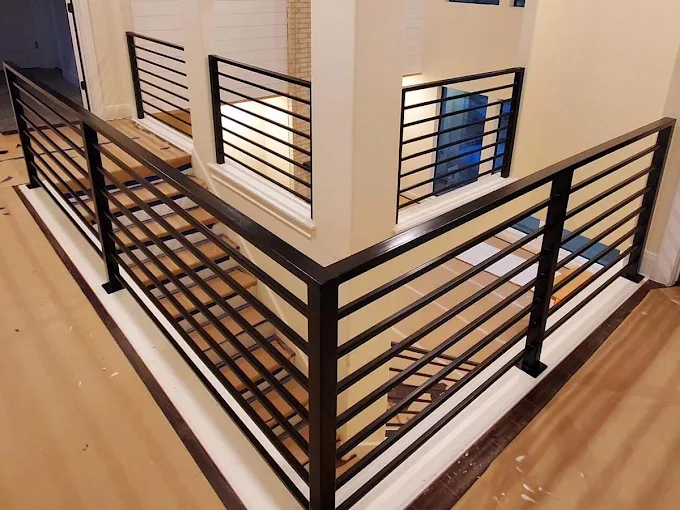
- Guardrails and Railings for elevated spaces
“Multi-use sites demand multi-layered fence design—each area has its own code and safety profile.” — Commercial Designer, Collin County
Maintenance, Inspections, and Documentation: Staying Compliant Over Time
Passing the initial inspection is only the first step. Fences and gates are working infrastructure, and Plano’s climate, traffic, and soil movement will test them over time. A fence that starts out compliant can drift out of compliance if posts shift, hardware fails, or panels deteriorate.
Smart property owners build fence upkeep into their preventive maintenance plans:
- Schedule annual or semi-annual inspections for all perimeter and internal fences
- Document any Fence Repair, adjustments, or Fence Replacement
- Keep records of gate operator servicing and safety device checks
- Apply staining or protective coatings to wood and metal as recommended
One Plano business park owner avoided a major insurance headache by keeping detailed fence maintenance logs. After a vehicle struck a section of perimeter fence, an injured party claimed the fence had been in disrepair. The owner’s documented history of inspections and repairs helped demonstrate that the fence had been maintained properly and that the damage was recent and accidental.
Here’s how a reactive approach compares to a proactive, documented strategy:
| Approach | Typical Outcome | Cost Impact (Plano Market) | Risk Level |
|---|---|---|---|
| Fix only when something fails | Frequent emergency repairs, downtime | Higher over time, unpredictable | Higher risk of violations/claims |
| Scheduled inspections & PM | Fewer surprises, longer fence life | More predictable, often lower total | Lower risk, easier to prove diligence |
“Documentation is your best friend if a fence-related incident ever ends up in court or with an insurance adjuster.” — Commercial Property Attorney, DFW
What This Means for Businesses in Plano, TX
For Plano property owners, commercial fencing isn’t just a line item on a construction budget—it’s a long-term asset that affects safety, liability, tenant satisfaction, and even property value. With new developments stretching along major corridors and older centers being redeveloped, the city is continuously refining standards for screening, security, and aesthetics.
Businesses that treat fences as code-driven infrastructure—rather than just a visual boundary—tend to see better outcomes:
- Fewer surprises during plan review and inspection
- Faster lease-up of spaces that feel secure and well-maintained
- Reduced exposure to claims related to unauthorized access or unsafe conditions
From industrial parks near Plano’s rail lines to medical offices, schools, and retail centers, each property type faces its own mix of rules. A warehouse might prioritize robust Chain Link Fence Installation and secure Commercial Gates, while a corporate campus might invest more in high-end Decorative Fence Installation and carefully designed Railings for pedestrian safety.
Working with a local specialist who understands Plano’s development landscape can make the difference between a smooth approval process and frustrating delays. It also helps ensure that your investment continues to perform—functionally and legally—for years in the Texas sun.
Frequently Asked Questions
Q: How tall can my commercial fence be in Plano, and does it differ by zoning?
A: Yes, permitted fence height often depends on zoning and where the fence sits on your lot. Street-facing fences in commercial zones typically have stricter height and opacity limits than fences at the rear or sides of a property. Service yards and storage areas may be allowed taller Security Fence Installation, while frontages might require lower, more open designs like Aluminum Fences or Wrought Iron Fences. Because Plano and neighboring cities periodically update their ordinances, it’s best to confirm current height limits with the city or work with a contractor who regularly pulls permits in the area.
Q: Are chain link fences acceptable for commercial properties, or will the city require something more decorative?
A: Chain Link Fences are still widely used for commercial and industrial properties in Plano, especially in back-of-house areas, utility yards, and less visible perimeters. However, many corridors and higher-visibility sites have screening or aesthetic requirements that limit exposed chain link along public streets. In those cases, we may recommend upgraded fabric, privacy slats, or combining chain link in rear areas with more finished options—such as Metal Fence Installation or Mixed Material Fences—where the property faces customers or tenants.
Q: What are the main requirements for a compliant commercial pool fence in Texas?
A: Commercial pool barriers must meet both state and local standards, which cover height, gate design, latch placement, and climb resistance. Most pools need a continuous barrier at least 48 inches high, with self-closing, self-latching gates and limited gaps under and between pickets. Horizontal rails that make climbing easier are discouraged or restricted. Many Plano properties use ornamental metal or Glass Fences for attractive, code-compliant Pool Fence Installation. Because violations can carry serious liability, we always design pool enclosures to the most current code language and recommend periodic inspections.
Q: How often should I inspect or maintain my commercial fence to stay compliant?
A: For high-use or high-liability properties in Plano—such as multifamily communities, schools, warehouses, or retail centers—quarterly visual inspections are a smart baseline. Look for leaning posts, damaged panels, loose hardware, gate malfunctions, and areas where soil movement has created gaps under the fence. Annual professional reviews, along with scheduled Fence Maintenance such as staining, tightening, and hardware replacement, help keep you compliant. Document your inspections and any Fence Repair work—those records can be crucial if an incident occurs.
Q: Can I upgrade just my gates and access control without replacing the entire fence?
A: Often, yes. Many Plano property owners start by improving security and traffic flow at entry points. Replacing outdated manual gates with modern Commercial Gates and integrated Access Control can significantly boost security and convenience while keeping the existing fence line. We’ll evaluate whether your current posts, hinges, and adjacent fence sections can support new equipment. If they’re structurally sound and meet current codes, a targeted gate upgrade can be a cost-effective first step before tackling full Commercial Fence Installation down the road.
Q: How do I handle fencing if my property borders residential homes or public spaces?
A: Transition areas—where commercial properties meet neighborhoods or public parks—require careful planning. Plano may have screening standards to protect nearby homes from noise, lights, or commercial operations. That can mean taller Privacy Fence Installation using wood, vinyl, or Corrugated Metal Fences, sometimes combined with landscaping. At the same time, you must respect visibility and safety near sidewalks and intersections. We often design custom Custom Fence Design solutions that provide effective screening while meeting code and maintaining good neighbor relationships.
Q: Is there a difference between residential and commercial fence products if they look similar?
A: Yes, and that difference matters. Even if two fences appear similar, commercial-grade systems typically use heavier posts, thicker wall tubing, stronger hardware, and deeper footings designed for higher loads and more frequent use. For example, a Residential Fence Installation around a backyard won’t see the same traffic or impacts as a fence around a busy Plano loading dock. Using residential components in a commercial setting can lead to premature failure, safety issues, and compliance problems. We always specify products and installation methods appropriate to the property’s use, traffic, and risk profile.
Ready to Get Started?
Fence and gate issues rarely fix themselves—with Plano’s growth and evolving codes, waiting often means higher costs and more disruption later. If your property’s fencing is aging, inconsistent, or you’re planning new construction or a redevelopment, this is the ideal time to make sure your design, materials, and layouts meet today’s standards.
Start by walking your site with a critical eye: note any leaning sections, malfunctioning gates, or areas where security or privacy feels weak. Then partner with a local expert who understands both the code side and the day-to-day realities of running a commercial property in North Texas. Whether you need a full Commercial Fence Installation, targeted Fence Replacement, upgraded Access Control, or new Estate Gates for a corporate campus, acting now helps you avoid compliance headaches and protect your investment.
Fence Pros of Texas has deep experience with Plano-area codes, inspectors, and property types, which means smoother projects, fewer surprises, and fences that do their job—day after day, season after season.
About Fence Pros of Texas
Fence Pros of Texas is a locally focused fencing and gate contractor serving Plano and the greater North Texas region. Our team designs and installs durable Residential Fence Installation, heavy-duty Commercial Fence Installation, agricultural and farm fencing, and custom Residential Gates and Commercial Gates. With years of hands-on experience, a strong understanding of local codes, and a commitment to long-term performance, we help property owners build fences that are safe, compliant, and built to last in Texas conditions. Learn more about our services at our main site.