
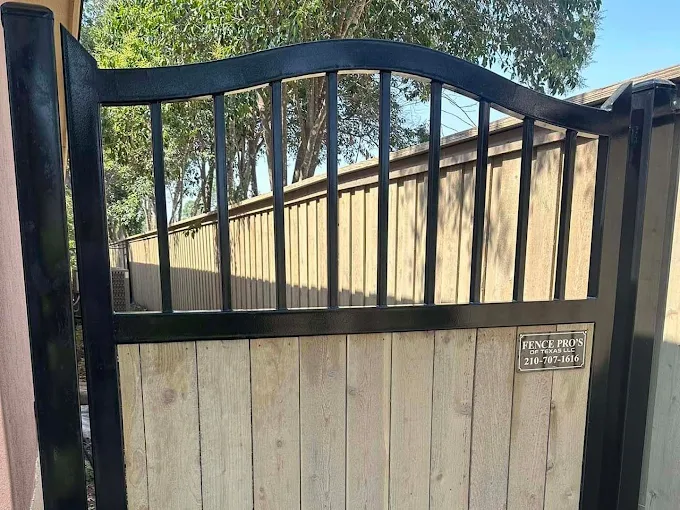
Understanding the Costs of Fence Staining
The Texas sun is no joke—especially in Plano. Between UV exposure, heat, and surprise thunderstorms, your beautiful wood fence can go from rich and warm to gray and weathered in just a couple of years. Many homeowners and property managers are shocked when they realize how much value a faded, warped fence can take away from a property, both in curb appeal and resale value.
According to industry data, a properly stained fence can last 2–3 times longer than an unstained fence, and in North Texas’ climate, that difference often translates into thousands of dollars saved in premature Fence Replacement and repairs. But there’s always one big question:
“How much does fence staining really cost—and what am I actually paying for?”
This guide breaks down the real costs of fence staining in Plano, TX: materials, labor, prep work, long-term maintenance, and the hidden factors that can make one quote look very different from another. You’ll learn how to evaluate bids, what affects pricing, and how to choose the right approach for your home, business, or acreage.
Key Insight: Understanding the full cost of fence staining—upfront and long-term—helps you budget wisely, avoid surprise expenses, and protect your investment in your fence for years to come.
What Goes Into the Price of Fence Staining? Not Just “Paint and Labor”
Many people expect fence staining to be priced like a simple paint job. In reality, professional staining—done correctly—includes a series of steps that each add cost but dramatically increase the life of your fence.
The main cost components
For most Plano properties, your staining cost will be influenced by:
- Fence size and height (linear footage and number of sides)
- Fence condition (new vs. weathered vs. previously stained/painted)
- Type and quality of stain (oil-based, semi-transparent, solid, premium UV formulas)
- Prep work (washing, mildew treatment, sanding, repairs)
- Access and layout (tight yards, landscaping, pools, slopes)
- Labor expertise (experienced crew vs. “weekend handyman”)
A typical residential wood fence in Plano—say 6’ tall and 150–200 linear feet—might range from a few hundred dollars for a basic DIY job to over a thousand for a high-quality professional application with premium product and prep.
“The cheapest stain job is often the one you pay for twice—once now, and again in two years when it fails.” — Senior Estimator, Fence Pros of Texas
Local example: Plano backyard fence
A family off Spring Creek Parkway had a 180’ cedar fence that was 3 years old and never stained. It had grayed, taken on mildew in shaded areas, and started to cup in some boards. Their quote broke down roughly as:
- Deep cleaning and mild mildew treatment
- Minor Fence Repair on warped pickets
- Premium oil-based semi-transparent stain
- Two coats on the street-facing side for extra UV protection
The overall price was higher than a “stain-only” quote they’d received from a painter—but the cheaper option skipped cleaning and repairs. In 18 months, their neighbor’s cheaper stain had already faded badly, while theirs still looked rich and even.
CALLOUT: A good staining quote should clearly outline prep, product type, and number of coats. If it doesn’t, you can’t really compare it to other bids.
How Fence Type, Design, and Material Influence Staining Costs
Not every fence is created equal, and not every fence even needs staining. The type of fence on your property directly affects whether you stain, how often, and what you’ll spend over time.
Wood fences: The main staining candidate
Traditional wood fences are the most common in Plano neighborhoods and the primary candidate for staining. Whether you’ve just had a new Wood Fence Installation or you’re trying to revive an older fence, stain is your main line of defense against:
- UV damage and graying
- Moisture absorption and warping
- Fungal growth and mildew
Board-on-board, shadowbox, and tall privacy fence installation styles often require more stain due to the extra surface area, which can increase material and labor costs.
Other fence materials and stain relevance
- Metal Fence Installation like Wrought Iron Fences or Aluminum Fences usually rely on powder coating or paint, not stain.
- Vinyl Fences are low-maintenance and don’t get stained at all, which is part of their appeal for some Plano neighborhoods and HOA developments.
- Corrugated Metal Fences and Mixed Material Fences may use stain on the wood components only, which reduces total cost compared to fully wooden fences.
- Decorative systems like Glass Fences around pools or patios typically have wood posts or rails that may be stained for aesthetics and protection.
“The more wood you expose to the Texas sun, the more you need to think about long-term protection.” — Project Manager, Fence Pros of Texas
Real-world example: Mixed material upgrade
A Plano homeowner near Oak Point Park replaced an aged wood fence with a modern Decorative Fence Installation using metal posts and horizontal cedar boards. Because only the boards required stain, the long-term maintenance cost dropped, even though the initial installation was higher.
CALLOUT: If you’re planning new Residential Fence Installation or Commercial Fence Installation, consider material mix now—your future staining and maintenance budget will thank you.
Upfront vs. Long-Term Costs: What You Really Pay Over 10 Years
Fence staining isn’t just a one-time expense; it’s a maintenance cycle. To understand true cost, you need to zoom out and look at what happens over a decade in Plano’s climate.
How often will you need to restain?
In North Texas, typical restaining intervals are:
- Every 2–3 years for semi-transparent stains
- Every 3–5 years for higher-end oil-based products
- Every 1–2 years for low-quality or improperly applied stains
Skipping cycles doesn’t just make the fence look bad; it usually shortens the life of the fence and leads to earlier Fence Replacement.
Cost comparison over time
Here’s a simplified look at how different approaches can play out over 10 years for a typical 180’ wood fence in Plano.
| Approach | Upfront Cost (Year 1) | Maintenance Cycle | 10-Year Stain Cost (Est.) | Fence Lifespan Impact |
|---|---|---|---|---|
| DIY, low-cost stain | Low | Every 1–2 years | Medium–High | Fence may need replacement earlier |
| Pro job, mid-grade stain | Medium | Every 2–3 years | Medium | Extends life by several years |
| Pro job, premium stain + prep | Higher | Every 3–5 years | Medium–Low | Maximizes fence lifespan |
| No staining (bare wood) | $0 | None | $0 stain, high replacement | Shortest lifespan, more repairs |
A business owner near Legacy West chose the “no stain” route for a Security Fence Installation around a storage area, assuming wood was “disposable.” Within 7 years, they faced major structural issues and had to invest in a new fence. Meanwhile, a neighboring property that stained on a 3-year cycle still had a structurally sound fence after 12 years, with only cosmetic touch-ups.
Labor, Prep, and Quality: Why One Quote Is Double Another
If you’ve requested multiple staining estimates in Plano, you’ve probably seen a big range in pricing. That difference almost always comes down to three things: prep, product, and professionalism.
Prep work: Where many “cheap jobs” cut corners
Proper prep is crucial, especially for older fences or those previously stained or painted. Prep may include:
- Power washing at the correct pressure (too high can damage wood)
- Mildew and mold treatment where needed
- Light sanding of rough or splintered areas
- Replacing rotten or severely warped boards
- Adjusting or fixing loose fasteners and hardware
Each of these steps adds time and labor cost. Skipping them might make the job cheaper—but also guarantees a shorter life for the stain.
“If the fence isn’t clean and dry, the stain becomes a coating, not a penetrating protector—and coatings peel.” — Lead Stain Technician, Fence Pros of Texas
Product quality and application
Higher-quality stains cost more per gallon but usually offer:
- Better UV resistance (critical in Plano’s sun)
- Deeper penetration into the wood fibers
- Longer intervals between restaining
- More even color and better water repellency
Professional crews also have the right sprayers, brushes, and techniques to apply stain evenly and at the correct coverage rate—especially important on tall privacy fence installation projects or intricate Garden Fence Installation designs.
Real-world comparison: Two neighboring fences
In a Plano subdivision, two neighbors with similar fences took different approaches:
- Neighbor A hired a discount painter: minimal prep, cheap stain, one quick coat.
- Neighbor B hired a staining specialist: full wash, repairs, premium product, two coats on the sun-facing side.
After 18 months, Neighbor A’s fence was visibly faded and blotchy. Neighbor B’s still looked freshly stained. The initial price difference? About 30%. The long-term difference in performance? Much larger.
CALLOUT: When comparing quotes, ask for a line-item breakdown: prep steps, stain brand/type, number of coats, and estimated coverage per gallon.
Residential, Commercial, and Farm Properties: How Use Case Changes the Math
The purpose of your fence matters just as much as the material. A decorative backyard fence, a high-traffic commercial perimeter, and a long farm boundary each have different staining priorities—and costs.
Residential properties in Plano
For homes, staining is usually about balancing aesthetics and protection. Homeowners want:
- Rich, consistent color that enhances curb appeal
- Protection from the sun on street-facing sides
- HOA-compliant appearance and color
- Reasonable maintenance cycles
A professionally stained fence can also complement other features like Residential Gates, Railings, and decks, creating a unified look.
Commercial properties and businesses
For businesses in Plano—whether it’s an office park off the Tollway or a retail center near Preston Road—fences often serve security and branding purposes. Staining costs may be influenced by:
- Larger linear footage
- Need for uniform appearance across multiple sections
- Higher visibility along public roads
- Integration with Security Fence Installation and Commercial Gates
In these cases, slightly higher upfront staining costs can pay off by reducing the frequency of maintenance closures and projecting a more professional image to customers and tenants.
Farm and acreage properties
On farms and larger properties around the outskirts of Plano and Collin County, the cost equation shifts again. With long stretches of Farm Fencing, staining every linear foot may not be practical. Property owners often:
- Prioritize staining near the home, road, or entry areas
- Use more economical products on long runs and premium products on high-visibility sections
- Combine staining with periodic Fence Maintenance and structural checks
DIY vs. Professional Staining in Plano: Cost, Risk, and Results
DIY staining can seem like an easy way to save money, especially when fence quotes feel higher than expected. But there are trade-offs to consider—especially under Texas weather conditions.
Cost comparison: DIY vs. professional
Here’s a general comparison for a typical 180’ 6’ wood fence in Plano.
| Factor | DIY Staining | Professional Staining |
|---|---|---|
| Upfront cost | Lower (materials + tool rental) | Higher (materials + skilled labor) |
| Time investment | 1–3 weekends | 1–2 days, depending on crew size |
| Prep quality | Varies by experience | Consistent, methodical, industry-standard |
| Product selection | Big-box store options | Trade-grade, often better UV and longevity |
| Application consistency | Risk of lap marks, missed spots | Even coverage, correct thickness |
| Warranty/guarantee | None | Often includes workmanship/product guarantees |
| Safety & cleanup | Your responsibility | Contractor-managed |
Real example: DIY redo in Plano
A homeowner near Coit Road decided to stain his own newly installed Wood Fences. He rented a sprayer, bought stain from a home center, and spent two weekends on the project. Within a year, significant fading and uneven color appeared—especially on the sunniest side. He later hired a professional crew to clean, correct, and restain the entire fence, effectively paying twice.
“DIY is absolutely possible—but you need to price your time, learning curve, and potential for rework into the equation.” — Operations Manager, Fence Pros of Texas
When professional staining makes more sense
- Large or complex fences (corners, slopes, obstacles)
- High-visibility installations like Decorative Fence Installation or entry features
- Properties with Estate Gates, custom Railings, or premium wood species
- Commercial properties where image and downtime matter
- Anyone who wants predictable, warrantied results
CALLOUT: If you’re on the fence (no pun intended), get a professional quote first—then price out a realistic DIY plan. Compare total cost, including your time.
What This Means for Businesses in Plano, TX
Plano’s business environment is competitive and highly visible. Office parks, retail centers, and industrial facilities sit along major corridors like US-75, the Dallas North Tollway, and Preston Road. The condition of your fence isn’t just a maintenance issue; it’s part of your brand.
A faded, warped fence around a professional office sends a different message than a clean, well-maintained perimeter that complements your building, Commercial Gates, and landscaping. For businesses, the true cost of fence staining includes:
- Customer perception: First impressions from the parking lot or street
- Tenant satisfaction: Especially in multi-tenant centers and office complexes
- Security and compliance: Coordinating stain work with Access Control systems and Security Fence Installation
- Operational disruption: How long areas are blocked off for maintenance
Because Plano experiences intense sun, hail, and occasional ice events, proactive fence care reduces emergency repairs after storms and extends the life of your perimeter investments. For example, a logistics facility just off George Bush Turnpike scheduled routine staining and Fence Maintenance every 3–4 years. Over a decade, their total fence-related expenses remained predictable and lower than similar facilities that deferred maintenance and faced sudden large replacement bills.
For local businesses, understanding staining costs isn’t just about today’s line item on a budget sheet. It’s about:
- Planning capital improvements intelligently
- Avoiding unexpected replacement costs
- Presenting a professional, well-maintained image to clients and partners
When you view fence staining as a strategic maintenance investment rather than a cosmetic extra, it becomes much easier to justify the right level of quality—and to select a contractor who can support your long-term goals.
Frequently Asked Questions
Q: How much does it typically cost to stain a wood fence in Plano?
A: Costs vary based on fence size, condition, and product, but for a typical 6’ tall backyard fence of 150–200 linear feet, you might see professional quotes ranging from several hundred to over a thousand dollars. Factors that raise the price include extensive prep work, multiple coats, and premium stains designed for intense UV exposure. If your fence is part of a more complex system—such as a property with Residential Gates or decorative Railings—those details can add labor time as well. The best way to get a clear number is an on-site assessment that accounts for your specific fence type and layout.
Q: How often should I restain my fence in North Texas weather?
A: In Plano’s climate, most wood fences benefit from restaining every 2–4 years, depending on the product used and how much direct sun the fence gets. South- and west-facing sides tend to fade faster and may need attention sooner. High-quality oil-based stains and professional application can sometimes stretch that interval closer to 4–5 years, especially for dense woods. If your fence is part of a larger Residential Fence Installation or Commercial Fence Installation, setting a regular maintenance schedule helps protect the entire system and keep your property looking consistent.
Q: Is it worth staining an older fence, or should I replace it first?
A: It depends on the structural condition of the fence. If posts are solid, rails are secure, and only pickets show age or discoloration, staining can significantly improve appearance and add years of life. However, if you have widespread rot, leaning sections, or failing posts—especially on older Wood Fences—you may be better off investing in partial or full replacement before staining. A reputable contractor will point out areas where Fence Repair or replacement is needed and may recommend upgrading to more durable systems, such as metal posts or mixed-material designs, to reduce long-term costs.
Q: Can I stain my fence myself to save money?
A: You can, and many Plano homeowners do. DIY staining can reduce upfront costs if you’re comfortable handling prep, product selection, and application. However, you’ll need to factor in equipment (sprayer or brushes), cleaning supplies, and your time—often several days for a typical fence. Mistakes like over-pressured washing, uneven application, or using the wrong product can lead to premature failure, which ultimately costs more when you have to redo the work. For complex layouts, tall privacy fence installation projects, or fences tied into Access Control or Estate Gates, professional staining usually delivers better value over time.
Q: Does staining help with security or is it just cosmetic?
A: While stain itself doesn’t make a fence more secure like taller panels or Security Fence Installation features, it does play a role in maintaining structural integrity. By reducing moisture penetration, UV damage, and rot, stain helps keep boards and rails stronger for longer. A deteriorating fence with loose or broken boards is easier to breach and more likely to fail in storms. For commercial sites using wood as part of a perimeter system—especially alongside Commercial Gates—staining is a practical way to protect the investment and reduce long-term vulnerability.
Q: Are all stains the same, or should I pay extra for a premium product?
A: Stains vary widely in quality, UV resistance, and longevity. Cheaper products often look good for a season but fade quickly under the Plano sun, leading to more frequent restaining. Premium, contractor-grade stains are formulated for deeper penetration, better color retention, and improved water repellency. Over a 10-year span, paying a bit more for a high-quality stain—applied by a professional—often lowers your total cost by extending restain intervals and delaying major Fence Replacement. For high-visibility areas, such as front-yard fences or fences paired with Residential Gates, the upgrade is almost always worth it.
Q: Do non-wood fences need staining or similar treatments?
A: Most non-wood systems, like Aluminum Fences, Chain Link Fences, and Vinyl Fences, don’t require stain. They rely on coatings, galvanization, or integral color for protection. That’s one reason some Plano property owners choose Metal Fence Installation or Vinyl Fence Installation—they prefer reduced maintenance. However, mixed systems, like Mixed Material Fences or fences with wood posts and metal infill, may still need stain or sealant on the wood components. A professional evaluation can help you choose the right combination of materials and finishes based on your maintenance preferences and budget.
Ready to Get Started?
Plano’s weather won’t wait, and neither will the sun damage on your fence. Every season you delay staining, your wood absorbs more UV and moisture, increasing the risk of warping, cracking, and early replacement. Scheduling staining now—especially before peak summer heat—means your fence gets protected before the harshest conditions hit.
Fence Pros of Texas offers professional Fence Maintenance and staining services tailored to residential neighborhoods, commercial sites, and larger properties in and around Plano. Our team evaluates your fence, recommends the right product for your specific material and exposure, and provides a clear, itemized quote so you know exactly what you’re paying for.
Next steps are simple:
- Walk your fence line and note any obvious issues (rot, leaning sections, missing boards).
- Request an on-site assessment and estimate.
- Decide on a maintenance schedule that fits your budget and long-term plans.
With years of experience in North Texas, a focus on quality materials, and a commitment to honest recommendations, we help you protect your fence investment—not just this year, but for many years to come.
About Fence Pros of Texas
Fence Pros of Texas is a locally focused fence contractor serving Plano and the greater North Texas area. Our team designs, installs, and maintains a full range of fencing solutions, from residential privacy fences and decorative entry features to commercial perimeters, Access Control systems, and Estate Gates. With deep experience in our region’s climate and soil conditions, we combine practical know-how with high-quality materials to deliver fences and finishes that last. Learn more about our services and expertise at Fence Pros of Texas.