
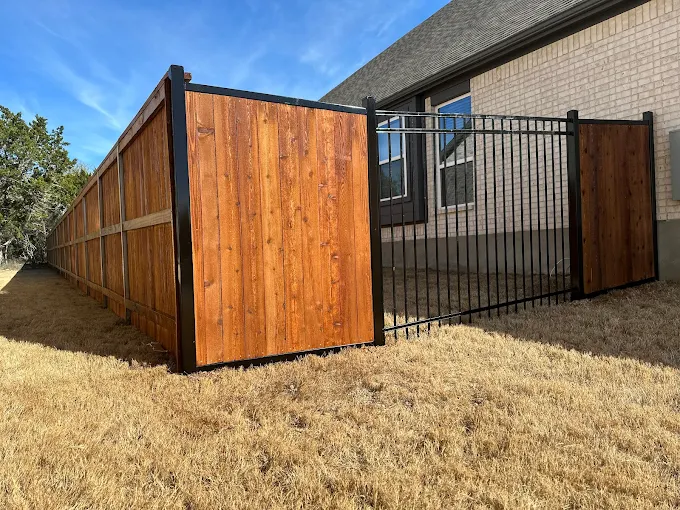
The Benefits of Professional Fence Staining
North Texas sun is no joke. If you’ve lived in Plano for more than one summer, you’ve seen what our heat, UV rays, and surprise storms can do to a wood fence in just a few years. Boards that were once rich and warm turn gray, dry out, warp, and eventually fail. In Collin County, it’s common to see fences needing major work in as little as 5–7 years when they’re left untreated.
Industry data backs up what you see in your own neighborhood: properly stained and maintained wood fences can last up to twice as long as raw, untreated ones. That’s a big difference when you’re talking about thousands of dollars in materials and labor for a full replacement.
This is where professional fence staining really earns its keep. You’re not just changing the color of your fence—you’re protecting a major asset on your property. In this guide, you’ll learn how professional staining works, why it matters so much in the Plano climate, and how it can save you money, boost curb appeal, and reduce headaches over the long term.
Key Insight: Professional fence staining is one of the most cost-effective ways to extend the life, beauty, and performance of your fence in North Texas—especially when it’s paired with quality installation and ongoing maintenance.
Why Fence Staining Matters So Much in Plano’s Climate
Plano sits right in the path of harsh Texas weather: intense summer sun, big temperature swings, and the occasional hail or windstorm. That combination is brutal on wood. Without protection, your fence is constantly absorbing and releasing moisture, expanding and contracting, and taking a beating from UV radiation.
Over time, that leads to:
- Fading and graying of the wood surface
- Cracking, splintering, and warping
- Loose fasteners and leaning sections
- Accelerated rot, especially at the base of posts
A professionally applied stain changes that equation. Quality oil-based or hybrid stains penetrate deep into the wood, sealing out moisture while allowing the material to breathe. UV inhibitors protect the fibers from sun damage, and water repellents reduce swelling and shrinking.
“Think of stain as sunscreen and moisturizer for your fence,” — Local Fence Technician, Plano
A Local Example
A homeowner near Legacy West had a new Wood Fence Installation around their backyard. The builder left it raw. Within three years, the south-facing side was badly faded, and several pickets had warped. After replacing damaged boards and adding a professional stain, the fence not only looked like new but has now held up for another six years with only light touch-ups.
A stained fence doesn’t just look better in Plano’s bright light—it actually performs better. And that leads directly into the financial side of the story.
CALLOUT: In North Texas, skipping stain often means paying for full fence replacement years earlier than necessary.
Extending Fence Lifespan and Reducing Long-Term Costs
Replacing a perimeter fence is a major expense for homeowners and businesses alike. In many Plano neighborhoods, a standard backyard fence can run several thousand dollars, especially with taller privacy designs or decorative touches. For commercial properties with long runs of fencing or integrated Security Fence Installation and access systems, the costs multiply quickly.
Professional staining is a relatively small investment compared to full replacement, yet it directly impacts how long your fence will last.
How Stain Extends Life
- Moisture control: Reduces swelling, shrinking, and rot
- UV protection: Slows fiber breakdown and color fading
- Mold and mildew resistance: Keeps the surface cleaner and healthier
- Structural stability: Less warping and cracking over time
Industry best practices—and what we see on the ground in Plano—show:
A well-installed, stained cedar fence can often last 15–20 years, while an unstained fence may need major repair or replacement in 7–10 years.
Cost Comparison for a Typical Plano Home
| Scenario | Approx. Lifespan | Major Cost Events | Estimated 20-Year Cost |
|---|---|---|---|
| Unstained wood fence | 7–10 years | 1 full replacement | $$$$ |
| Professionally stained every 3–5 yrs | 15–20 years | 2–3 stain/maintenance visits | $$ |
\Generalized comparison; actual numbers vary by fence size, material, and design.
One Plano customer in a West Plano subdivision had us stain their newly installed privacy fence shortly after construction. Over the next 12 years, they invested in two maintenance coats. Their neighbor, whose fence was never stained, ended up replacing most of their fence line during that same period. The difference in total spend was significant—thousands of dollars saved on the stained side.
Boosting Curb Appeal and Property Value
A fence is often one of the first things people see as they approach your property. Whether you’re in a Plano residential neighborhood, operating a retail center off US-75, or managing a small acreage property on the outskirts, a faded, weather-beaten fence sends the wrong message.
Professional stain transforms that.
Visual Impact
- Rich, consistent color that complements your home or building
- Enhanced wood grain and texture
- Clean, finished look around your entire property line
- Better integration with Decorative Fence Installation and gates
For homeowners, that means stronger curb appeal and a more polished backyard space. For businesses, it supports your brand image—especially if your fence borders customer parking, outdoor seating, or visible storage areas.
“Prospective buyers notice fences. A well-maintained, stained fence can be a subtle but real plus during showings.” — North Dallas Real Estate Agent
Real-World Plano Example
A small office complex near Preston Road had a mix of older wood fencing and newer Commercial Fence Installation. The wood sections were graying and inconsistent, which made the whole property feel dated. After repairs and a uniform professional stain, the property manager reported better tenant feedback and an easier time marketing vacant suites.
Working with Mixed Materials
In Plano, it’s common to see properties combining Mixed Material Fences: wood with stone columns, wood paired with Wrought Iron Fences or railings, or wood privacy panels behind Estate Gates. Professional staining helps unify these elements visually and ensures the wood components don’t become the weak link in your overall design.
CALLOUT: If you’re planning to sell or lease property in the next 1–3 years, staining your fence is a relatively low-cost upgrade with an immediate visual payoff.
Protecting Different Fence Types: Not Just for Privacy Fences
Most people think of stain strictly in terms of tall backyard privacy fences. While that’s a big part of the demand in Plano, professional staining also plays a role in a wide range of fence styles and applications.
Wood Fences of All Types
Whether you have a classic board-on-board privacy fence, a shorter picket design, or decorative accents around a pool or garden, stain helps every wood surface last longer and look better. That includes:
- Perimeter Residential Fence Installation
- Decorative and Garden Fence Installation
- Accent panels around patios and outdoor kitchens
For properties that combine wood with Metal Fence Installation—such as a wood privacy screen behind an Aluminum Fence Installation or Wrought Iron Fence Installation—staining ensures the wood elements keep pace with the durability of the metal.
Agricultural and Farm Fencing
On the outskirts of Plano and into neighboring communities, you’ll see more Farm Fencing with wood rails, posts, or entry features. These are just as vulnerable to sun and moisture. A good stain helps:
- Reduce cracking in rails and posts
- Maintain a professional appearance for equestrian or hobby farms
- Protect livestock areas from splintered, failing boards
Working with Non-Wood Fences
While you don’t stain Vinyl Fences, Aluminum Fences, or Chain Link Fences, professional contractors often design around them. For example:
- Stained wood privacy panels behind a pool enclosed with Pool Fence Installation
- Wood screening combined with Glass Fences for modern patios
- Wood accent gates integrated into Commercial Fence Installation systems
Professional Staining vs. DIY: What’s the Real Difference?
Big-box stores in Plano sell plenty of stain, brushes, and sprayers, so it’s natural to wonder whether you should just handle the job yourself. The difference between DIY and professional staining often shows up 1–3 years down the road.
Key Differences
| Factor | DIY Approach | Professional Staining |
|---|---|---|
| Surface prep | Often minimal; quick wash or none | Thorough cleaning, repair, and prep |
| Product selection | Off-the-shelf, limited durability | Contractor-grade, often higher solids & UV |
| Application | Inconsistent coverage, missed areas | Even, controlled application, correct thickness |
| Overspray & cleanup | Risk to landscaping & hardscape | Protected surfaces, controlled work area |
| Longevity | May need redoing in 1–2 years | Typically lasts longer between coats |
A Plano homeowner in the Independence Parkway area tried a DIY stain on their four-year-old fence. They skipped cleaning and used a light-duty sprayer. It looked decent for a few months, but by the next summer the finish was patchy, and some areas had never fully absorbed the product. We were eventually called to strip, clean, and restain the entire fence—essentially paying twice for one job.
“Prep is at least half the work. You can’t rush cleaning, drying, and repairs if you want the stain to perform.” — Fence Staining Specialist, Collin County
Where Professionals Add Real Value
- Assessing the condition of your fence before staining
- Replacing or repairing damaged boards and fasteners
- Choosing the right stain type and color for your wood and exposure
- Applying product at the correct rate and in the right conditions
- Managing complex areas around Residential Gates, landscaping, and structures
For larger fences, commercial properties, or fences with integrated Access Control, the time savings and risk reduction alone often justify hiring a professional.
Staining as Part of a Complete Fence Care Strategy
Staining works best when it’s part of a bigger plan for your fence, not a one-time event. In Plano’s environment, that strategy typically includes:
1. Quality Installation
A properly installed fence—whether it’s a straightforward Privacy Fence Installation or a more complex Estate Gate with matching fencing—sets the stage for long-term performance. Correct post depth, hardware, and material selection all affect how well stain can do its job.
2. Timely First Stain
Most new wood fences need a bit of time to dry and season before staining, but waiting too long invites weathering damage. For Plano, the sweet spot is often 2–6 months after installation, depending on the wood species and weather conditions.
3. Regular Inspections
Once a year, walk your fence line and check for:
- Loose or rusted fasteners
- Rot at the base of posts
- Warped or cracked boards
- Areas where stain has visibly worn away
Minor Fence Repair done early is far cheaper than major reconstruction later.
4. Maintenance Coats
Depending on exposure, color, and product, most fences in Plano benefit from a maintenance coat every 3–5 years. South- and west-facing sections may need attention sooner than shaded areas.
A Plano business near the George Bush Turnpike has a long run of wood screening along their parking lot. By pairing professional stain with a simple three-year maintenance cycle, they’ve kept the fence looking sharp and structurally sound for more than a decade, despite heavy sun and traffic.
CALLOUT: Think of stain like routine oil changes for your car—regular care that keeps a major investment performing its best.
How Professional Staining Supports Security and Functionality
Beyond looks and lifespan, your fence often has a job to do: protect privacy, secure equipment, define property lines, or control access. A neglected fence can’t do those jobs well.
Structural Integrity = Better Security
For properties with Security Fence Installation or integrated Commercial Gates, the wood components are part of the overall security system. Rotting posts, loose rails, or broken pickets create weak points.
Stain helps keep:
- Pickets and rails solid and less prone to breakage
- Posts more resistant to moisture-related decay
- Gate posts strong enough to support heavy hardware
On several Plano commercial sites, we’ve seen older, unstained wood perimeter fencing become the weak link in an otherwise strong security setup. After repairs and staining, those properties had a more consistent, reliable barrier.
Performance Around Gates and Access Points
Gates—whether simple backyard entries or motorized Access Control systems—put additional stress on fence structures. Moisture-damaged or UV-weakened wood around gates can sag, drag, or fail, compromising both security and convenience.
Professional staining, combined with proper hardware and occasional adjustment, helps:
- Keep gate frames and posts stable
- Reduce swelling that causes sticking in humid months
- Maintain a clean, professional appearance at key entry points
For Plano HOAs and business parks, where consistent appearance and reliable function are both critical, this combination of structure and finish is especially important.
What This Means for Businesses in Plano, TX
Plano has grown into a major business hub, with corporate campuses, medical centers, retail corridors, and light industrial areas all sharing space with established neighborhoods. Many of these properties rely on fencing not just for aesthetics, but for security, privacy, and compliance.
For a small office park off Coit Road, a neglected fence can make the entire property feel less secure and less cared for, even if the interiors are pristine. For a contractor yard or service business along US-75, worn or failing fencing may invite trespassing or theft. Professional fence staining is a smart, relatively low-cost way to protect these assets.
Local factors that make staining especially relevant in Plano:
- Harsh UV exposure: Our long, hot summers accelerate fading and wood breakdown.
- Storm cycles: Heavy rains followed by intense sun cause constant expansion and contraction.
- High visibility: Many commercial properties sit along busy roads where first impressions matter.
- HOA and brand standards: Consistent, well-maintained fencing supports both neighborhood guidelines and corporate image.
By partnering with a contractor who understands both Commercial Fence Installation and professional staining, businesses can:
- Extend the life of perimeter and screening fences
- Protect investments in Access Control and gate systems
- Maintain a clean, unified look across large properties
- Reduce long-term capital expenses on fence replacement
For many Plano businesses, staining is no longer just a cosmetic upgrade. It’s a strategic maintenance decision that supports security, budgeting, and brand presentation.
Frequently Asked Questions
Q: How often should I have my fence professionally stained in Plano’s climate?
A: In Plano, most wood fences benefit from professional staining every 3–5 years, depending on exposure, stain type, and wood species. South- and west-facing sections, which get more direct sun, may show wear sooner than shaded areas. High-quality, contractor-grade products typically last longer than DIY options. As a rule of thumb, if your fence color has noticeably faded, water no longer beads on the surface, or you see dry, rough patches, it’s time to schedule a new coat. Pairing staining with annual Fence Maintenance checks helps catch issues early and optimize your timing.
Q: My fence is already gray and weathered. Is it too late to stain it?
A: In many cases, no—it’s not too late. Weathered fences often respond well to a professional cleaning, repair, and staining process. Contractors can use specialized cleaners to remove gray fibers, mildew, and surface contaminants, then assess the structure for needed Fence Repair. Severely rotted or broken boards may need replacement, but once the wood is sound and clean, a penetrating stain can dramatically improve both appearance and protection. In Plano, we frequently revive 8–10-year-old fences this way, giving them several more years of useful life and avoiding immediate Fence Replacement.
Q: Does professional staining help with warping and cracking, or is that just part of having a wood fence?
A: Some movement in wood is natural, but professional staining significantly reduces warping and cracking over time. By limiting how much moisture the wood can absorb and release, stain helps keep boards more stable as temperatures and humidity change. This matters a lot in Plano, where we see rapid weather swings and intense summer heat. While stain can’t fix boards that are already badly warped or cracked (those may need replacement), it does slow down the process and keeps new or repaired sections in better shape. Coupled with solid Wood Fence Installation practices, staining is one of the best defenses against premature distortion.
Q: Is there a difference between the stain I can buy at a home store and what professionals use?
A: Yes, there usually is. While retail products have improved, professional contractors often use higher-solids, contractor-grade stains that penetrate deeper and offer better UV and moisture protection. Pros also match specific products to your wood type, fence age, and exposure—something that’s easy to overlook in a store aisle. Application matters as much as product: surface prep, weather conditions, and coverage rate all affect performance. In Plano, where fences take a beating from the sun, the combination of better products and expert application typically means your finish looks better and lasts longer than a DIY job.
Q: How does staining interact with other fence materials like metal or vinyl?
A: Stain is designed for porous materials like wood, so it isn’t applied to Vinyl Fences, Aluminum Fences, or Chain Link Fences. However, many Plano properties feature mixed designs—wood privacy panels with Metal Fence Installation, wood framing around Glass Fences, or wood gates in metal runs. In those cases, professional staining focuses on the wood components while protecting adjacent materials from overspray and drips. Done correctly, staining enhances the look of the entire system and ensures the wood elements don’t age faster than the metal or vinyl around them.
Q: Will staining disrupt my business operations or daily routine?
A: Professional staining can usually be scheduled and executed with minimal disruption. For homeowners, crews often work from the exterior and backyard areas, coordinating around pets and access needs. For Plano businesses, contractors can plan work outside of peak hours, phase sections to keep access open, and coordinate with security or Access Control providers when gates are involved. The process is weather-dependent, so your contractor will watch forecasts to choose days with the right temperature and humidity for proper curing. Most fences can be stained within a day or two, with light foot traffic allowed soon after and full curing over the next several days.
Q: Should I stain my fence before or after installing new gates or access systems?
A: Ideally, you plan staining alongside your new gate or Access Control installation. For example, if you’re adding Residential Gates or upgrading to Estate Gates, staining the surrounding wood at the same time creates a cohesive look and ensures all components start their service life protected. If gates are already in place, professionals will work carefully around hardware and electronics, shielding them during prep and application. In Plano, where many properties phase improvements over time, a contractor familiar with both fencing and staining can help you sequence projects so everything ties together smoothly.
Ready to Get Started?
Plano’s weather isn’t going to get any easier on your fence. Every summer of intense sun and every season of rain followed by heat takes a toll on unprotected wood. If your fence is new and still unstained, you have a perfect opportunity to protect it before real damage sets in. If it’s older and showing its age, a professional cleaning, repair, and staining service can often add years of life and dramatically improve its appearance.
Acting now means you’re making a proactive choice: spending a manageable amount on protection today instead of facing a much larger Fence Replacement bill sooner than necessary. Seasonal demand in Plano tends to spike in spring and early summer, so scheduling ahead helps you secure preferred dates and avoid weather-related backlogs.
The next step is simple: connect with a local, experienced team that understands both fence construction and staining, can evaluate your current fence condition, and will recommend the right products and schedule for your property. Whether you’re a homeowner looking to refresh your backyard privacy fence or a business managing extensive perimeter fencing and gates, professional staining is one of the smartest maintenance investments you can make.
About Fence Pros of Texas
Fence Pros of Texas serves Plano and the surrounding North Texas communities with expert fence installation, staining, and gate solutions for homes, businesses, and farms. Our team brings years of hands-on experience with local soils, weather, and building standards, delivering projects that look great and stand up to the Texas climate. From new Residential Fence Installation to commercial security systems and long-term maintenance plans, we focus on quality materials, solid craftsmanship, and honest guidance tailored to each property.