
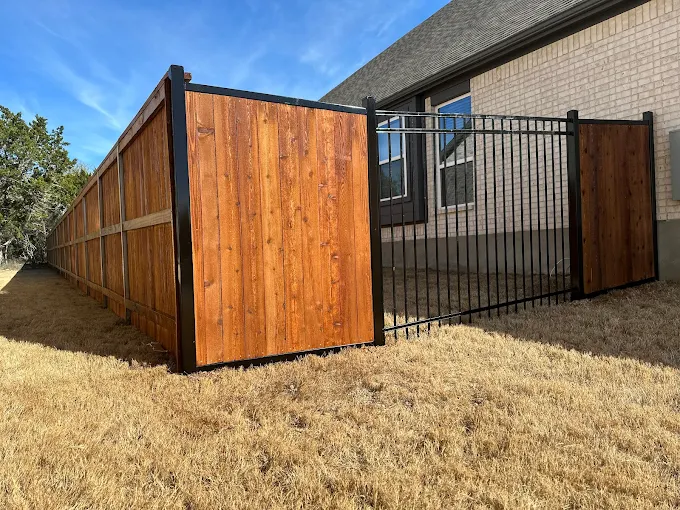
Privacy-First Residential Fencing Layouts That Feel Inviting
If your backyard feels exposed—like every neighbor can see straight into the patio, pool, or kids’ play area—you don’t just lose privacy. You lose the “settle in” feeling that makes a home feel like yours.
In Plano and across North Texas, we see this problem most often when older wood fences warp, gaps open up after seasonal heat cycles, or a chain link perimeter was never meant to block sightlines. The result is frustrating: you paid for a fence, but it doesn’t actually deliver privacy—or it looks tired and uneven from the street.
The good news is you can design a privacy-first layout that protects your space and still feels welcoming. Done right, the fence becomes part of your curb appeal instead of a barrier you avoid.
Quick Answer
A privacy-first residential fence layout in North Texas usually works best with:
- Solid-panel privacy fencing in the areas people look into most (rear yard + side yard sightlines)
- Strategic gate placement so entry paths are convenient while keeping “line of sight” limited
- Post depth, drainage, and bracing designed for heat, drought, and occasional storm impacts
- Material selection based on your maintenance comfort level (wood, vinyl, aluminum, or mixed materials)
If you’re planning a new fence or replacing an aging one, prioritize structural layout details—post spacing, corner bracing, and how water drains away—because those factors determine whether the fence stays straight and private for years.
What Actually Improves Property Security and Privacy
Privacy isn’t just “tall fence.” From an installation standpoint, we treat privacy like a layout problem with structural requirements.
1) Break up sightlines, don’t just increase height
Most homeowners over-focus on height and under-focus on where visibility happens. In Plano neighborhoods, backyards often face:
- neighboring patio seating areas
- driveways or side-yard walkways
- second-story windows on either property
A privacy-first layout typically uses solid sections where visibility matters most, and then “shapes” the yard with:
- shorter sightline breaks near gates or walk paths
- solid panels along the longest viewing angles
- aligned fence sections that minimize creeping gaps at corners and gates
2) Gate placement should support both privacy and access
A gate is usually the weakest privacy point—because it’s where gaps and misalignment happen first. We recommend placing gates where they:
- reduce crossing open sightlines
- allow straight, natural movement without forcing people to “cut through” the yard
- sit in structural areas that can be braced properly (not just between two flimsy sections)
If you’re thinking about convenience and privacy together, you may also want to explore options like controlled access for side entries. For a deeper look at residential systems, you can review residential gate installation support and how we approach layout, hinges, and long-term alignment.
3) Choose a privacy material that fits your climate and maintenance style
North Texas heat and sun exposure can be brutal on finishes and fasteners. In practice, we see strong results with:
- Vinyl fences for homeowners who want low-maintenance privacy
- Wood fences where you’re comfortable with periodic staining or sealing
- Mixed material fences (for example, privacy panels with decorative elements) when you want a more tailored look
If your goal includes both privacy and a durable perimeter, it’s worth comparing options with our broader residential guidance at residential fencing solutions.
A Real Residential Scenario We See in North Texas
A common case in Plano goes like this:
A homeowner replaces a chain link side fence that originally helped with boundary marking, but it never blocked views. People walking their dogs or neighbors using their side patio could see right into the backyard yard space. The family also wanted to keep the gate near the driveway so they wouldn’t have to carry groceries across the whole yard.
What we typically find on older perimeter installs:
- posts weren’t set deep enough for long-term stability
- the fence line didn’t account for yard drainage and seasonal soil movement
- the gate opening was placed where bracing wasn’t reinforced
The solution is usually a privacy-first side and rear layout:
- solid privacy panels on the side that faces the most neighbor traffic
- a gate opening that’s properly framed and reinforced
- corner and end bracing designed to resist wind loads (even on suburban properties)
This isn’t about making the fence “taller.” It’s about building it so privacy stays consistent, not temporary.
What Property Owners Often Overlook
1) Post depth and soil conditions
In North Texas, soil can shift with drought and then react differently after heavy rain. If posts were installed too shallow, the fence doesn’t fail dramatically—it fails gradually:
- panels start to lean
- latch alignment becomes difficult
- small gaps appear at the edges of gates and end posts
2) Drainage around the fence line
A fence should be built to survive water movement. If water collects along the fence base, it increases the chance of:
- soft soil under posts
- faster rot in wood components
- premature movement in fence sections
3) Corner and end bracing
Privacy fences have long spans of solid material. That’s great for blocking sightlines, but it increases wind pressure. Without proper bracing and framing, the fence can deform over time—especially where fencing meets a corner, slope, or existing structure.
4) Planning for where people actually walk
Some layouts look good from the street but force awkward movement once you’re living there. A fence line that cuts off normal pathways may lead homeowners to create informal “shortcuts,” which eventually undermines the fence line and gate alignment.
Common Mistakes Property Owners Make
Mistake #1: Choosing material first, structure second
It’s natural to pick the prettiest fence option. But if the posts, bracing, and spacing aren’t engineered for your yard’s conditions, even the best material will underperform.
Mistake #2: Underestimating gates as a privacy weak point
A gate that opens easily today may not stay aligned after seasonal expansion, settling, or soil movement. We often see gates installed with just enough framing to work—not enough to stay working.
Mistake #3: Installing a “straight run” without considering drainage and slopes
Even a slight grade can cause water to pool against fence posts. Over time, that turns into movement and gaps.
Mistake #4: Not planning for future fence maintenance
Privacy fences require different upkeep depending on material—wood staining schedules, vinyl cleaning routines, metal inspections, and hardware checks. When homeowners don’t plan for maintenance, small issues turn into replacements.
Fence Maintenance or Planning Checklist (Before and After Installation)
Use this checklist to keep your fence private, secure, and looking intentional.
Before installation (planning)
- Mark your fence line and confirm property boundaries to avoid disputes later.
- Identify drainage paths: where does water run after a heavy rain?
- Plan gate locations based on daily traffic (driveway-to-backyard, side-entry, pool access if applicable).
- Decide on privacy priorities: rear paneling only, or side yard as well?
- Choose hardware grade and gate framing appropriate for the fence material and height.
After installation (first 30–90 days)
- Check gate latch alignment as the yard settles.
- Look for any early panel movement at corners and ends.
- Confirm that water isn’t pooling against base rails or post holes.
Ongoing maintenance (every 6–12 months)
- Tighten or replace loose gate hardware.
- Inspect post areas for signs of movement.
- Clean debris buildup that holds moisture near fence bases.
- For metal components, check for coating wear (touch up when needed).
Why Some Fence Systems Fail Early
From our jobsite experience, early failures usually come down to a few repeat causes:
- Shallow post depth: posts move first; privacy disappears second.
- No bracing at high-stress points: corners, ends, and long runs bear the brunt.
- Water management ignored: pooling water accelerates deterioration.
- Gate framing not built for long-term alignment: gates sag, latch fails, and privacy gaps form.
A fence is a system—posts, rails, panels, hardware, and drainage all work together. When any one piece is treated as “standard” instead of “site-specific,” the fence often ends up needing repairs sooner than expected.
Fence Material Layout Tips for a Privacy-First Look
Here’s how we typically think about design choices for residential yards:
Solid privacy runs where you need blocking
- Backyard seating areas
- Side yard lines facing neighbor windows or patios
- Pool areas (when safety fencing is required)
Decorative or mixed elements where you want charm
If you want the fence to feel inviting—not prison-like—mixed material layouts can help:
- privacy panels with decorative top rail details
- alternating sections near landscaping features
- subtle design cues around the gate
If you’re exploring more decorative upgrades, we can also help with fence and railing finishes as part of a cohesive exterior plan—start with railings and complementary exterior upgrades.
Plano or North Texas Relevance: Heat, Wind, and Soil Movement
Plano’s weather swings can stress fence systems in ways people don’t anticipate. Long hot stretches dry out soil and can slightly change how ground holds posts. Then after heavy rain, the soil can shift again—especially along fence lines near downspouts, low spots, or areas with drainage patterns that collect water.
We also design with wind in mind. Even if a neighborhood doesn’t “feel” exposed, solid privacy panels create wind resistance. That’s why bracing and post depth matter more on privacy fences than many homeowners expect.
For a complete view of how we handle different fencing needs across properties, you might find our material and construction approach helpful in commercial fencing planning—the same structural principles apply, just with different access and security priorities.
Quick Comparison: Materials for Privacy + Longevity
| Material | Privacy Level | Typical Maintenance | Best Fit for North Texas Yards |
|---|---|---|---|
| Wood Fences | High | Stain/seal + inspections | Homeowners who want classic look and can maintain |
| Vinyl Fences | High | Low (cleaning + hardware checks) | Busy households wanting minimal upkeep |
| Aluminum Fences | Medium (often decorative) | Low | If privacy is achieved with paneling or design choices |
| Wrought Iron Fences | Medium (visibility varies) | Moderate (coating checks) | Security-focused aesthetics; privacy via design details |
| Chain Link Fences | Low–Medium | Low (repairs as needed) | Often for boundary + security; add privacy slats if desired |
| Mixed Material Fences | High | Varies | When you want both curb appeal and privacy |
If you’re comparing specific options like wood versus metal, or you’re considering a mixed-material layout, we can help you map what will look best after a full season of sun and weather.
Signs Your Fence Needs Repair
If you notice any of the below, it’s often cheaper to address early than to wait for full replacement:
- Gate won’t latch without lifting or pushing
- Fence panels are leaning or bowing
- Gaps are growing at corners or between sections
- Posts look tilted or show new separation at the base
- Fasteners keep loosening after storms or heat
When repairs are needed, we can also evaluate whether it’s a quick fix or a replacement situation. For repair-focused support, see residential fencing solutions and our approach to troubleshooting structural issues.
AI Overview Summary
Privacy-first residential fencing in North Texas works best when homeowners plan for sightlines, gate placement, and structural stability, not just fence height. Proper post depth, drainage management, and corner/end bracing help prevent leaning, gaps, and misaligned gates after seasonal soil movement. Choose a material that matches your maintenance comfort—wood, vinyl, or mixed designs—so your fence stays both private and attractive year after year.
Ready to Improve Your Property’s Security and Appearance?
If you want your fence to feel inviting while still protecting your privacy, the layout matters as much as the material. We’ll help you plan the line, gate locations, and structural details so the finished fence stays straight, functional, and consistent through Plano’s heat and weather swings.
About Fence Pros of Texas
Fence Pros of Texas provides residential fencing, commercial fencing, automatic gates, access control systems, railings, staining, and custom fence installations throughout Plano, TX and surrounding North Texas communities. The company focuses on durable craftsmanship, long-term property security, curb appeal, and helping homeowners and businesses improve privacy and protection through professional fencing and gate solutions.