
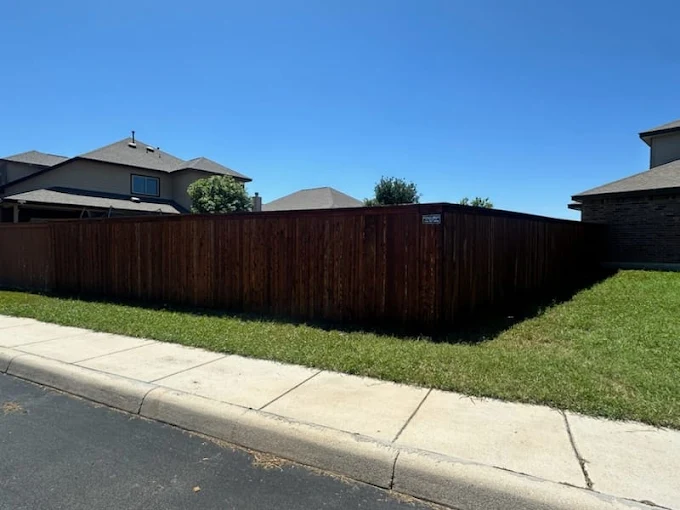
How to Maintain Your Residential Fencing
Plano homeowners invest a lot in their properties—both in money and pride. Your fence is one of the first things people notice, and it quietly does a lot of work: privacy, security, curb appeal, and even keeping kids and pets safe. Yet in Collin County, with our blazing summers, sudden storms, and clay soil that loves to shift, fences can wear out faster than many people expect.
According to local real estate data, well-maintained fencing can add meaningful value to a home and significantly improve buyer interest. On the flip side, a leaning or rotting fence is one of the top “red flags” buyers spot during a walk-through.
This guide walks you through how to maintain your residential fencing in Plano’s unique climate—whether you have wood, vinyl, metal, or a custom design. You’ll learn what to look for season by season, how to extend the life of your fence, when repairs make more sense than replacement, and how professional services like staining, gates, and access control can protect your investment for the long haul.
Key Insight: A little scheduled maintenance now can add years to the life of your fence and save you thousands in premature replacement costs.
Understanding Your Fence Material: Why It Matters for Maintenance
Not all fences age the same way—especially not in North Texas. The first step in smart maintenance is knowing what you’re working with.
How Plano’s Climate Affects Different Fence Types
Our mix of heat, intense UV, occasional hail, and shifting soil means each material has its own weak spots:
- Wood fences: Prone to drying, cracking, warping, and rot without consistent sealing.
- Vinyl fences: Handle moisture well but can fade or become brittle under harsh sun.
- Aluminum fences: Resist rust but can loosen at posts if soil moves.
- Wrought iron fences and other metal fences: Strong and secure, but need protection from corrosion.
- Chain link fences: Durable and low-maintenance, but tension and posts still need periodic checks.
- Mixed material fences or corrugated metal fences: Each component needs its own care plan.
If you’re planning a new Residential Fence Installation, this is a great time to think about long-term care. For example, a homeowner in West Plano recently chose an aluminum perimeter fence around a pool instead of wood after realizing the reduced maintenance demands over 15–20 years.
“The best fence for your home is the one you can realistically maintain over time—not just the one that looks good on day one.” — Local Fence Specialist, Fence Pros of Texas
Matching Maintenance to Material
Here’s a quick look at how different fences compare in ongoing care:
| Fence Type | Typical Lifespan (with care) | Maintenance Level | Plano-Specific Concern |
|---|---|---|---|
| Wood Fences | 15–20 years | High | UV damage, rot, soil movement |
| Vinyl Fences | 20–30 years | Low | UV fading, impact damage |
| Aluminum Fences | 25+ years | Low–Medium | Loose posts, gate alignment |
| Wrought Iron Fences | 30+ years | Medium | Rust in low spots, chipped coating |
| Chain Link Fences | 20–30 years | Low | Sagging fabric, bent posts |
| Corrugated Metal Fences | 20–25 years | Medium | Coating wear, fastener corrosion |
| Glass Fences | 20+ years | Medium | Mineral buildup, hardware corrosion |
Seasonal Maintenance Checklist for Plano Homeowners
Treat your fence like you treat your HVAC system or roof: a few scheduled checkups each year can prevent major problems. Plano’s weather patterns make spring and fall the best times for deeper inspections.
Spring: After Storm and Freeze Season
Once we’re past the worst of winter and early-spring storms:
- Walk the full line of your fence, checking for leaning posts or low spots.
- Look for rot or soft spots at the base of wood posts.
- Check hardware on Residential Gates—hinges, latches, and locks.
- Clear debris and soil that may be resting against your fence, especially with wood fences.
- For metal fences, look for rust bubbles or chipped coating.
A Plano homeowner near Legacy West called Fence Pros of Texas after a March storm. They noticed one slightly leaning section of their privacy fence. On inspection, two posts had loosened in the saturated clay. Addressing it quickly with reinforced posts and drainage improvements prevented a full panel collapse during the next storm.
CALLOUT: Catching a $200 post repair today can prevent a $2,000 section replacement next year.
Summer: Sun, Sprinklers, and Soil Movement
In our Texas summers, the main enemies are UV rays and shifting ground:
- Inspect stain or paint on wood fences—if water no longer beads up, it’s time to re-stain.
- Adjust sprinkler heads so they’re not soaking the fence line daily.
- Check for gaps under the fence caused by shrinking, cracking soil.
- For Security Fence Installation and automated gates, test sensors and open/close functions regularly.
Fall: Prep Before Winter Rains
Use cooler weather to get ahead:
- Trim landscaping and vines away from your fence.
- Tighten gate hardware and lubricate moving parts.
- Plan any major Fence Repair or Fence Replacement before holiday guests arrive.
- Schedule staining or sealing to protect wood through winter.
With a simple seasonal rhythm, you’ll keep small issues from turning into major projects.
Wood Fence Care: Staining, Repairs, and Extending Lifespan
Wood is still the most popular residential fencing material in Plano, especially for privacy. It’s warm, classic, and versatile—but it needs regular care in our climate.
Why Staining Is Non-Negotiable in North Texas
Unprotected wood in Plano can start graying and drying out within a year. UV rays break down fibers, while moisture cycles lead to warping and splitting.
A quality stain or sealant:
- Blocks UV damage and slows fading
- Repels water and reduces rot risk
- Helps prevent cracking and warping
- Improves overall curb appeal
Most wood fences should be stained or sealed every 2–4 years, depending on sun exposure and product quality. Professional Fence Maintenance services can help you choose the right product and schedule.
“Think of staining like sunscreen for your fence. Skip it, and you’ll see the damage fast in Texas.” — Project Manager, Fence Pros of Texas
Repair vs. Replace: Making the Right Call
For wood fences, knowing when to repair versus replace is key:
- Good candidates for repair:
- A few warped or broken pickets
- One or two leaning posts
- Localized rot near sprinklers
- Cosmetic damage from pets or kids
- Better candidates for replacement:
- Multiple rotten posts across the yard
- Significant bowing along long runs
- Frequent patching that never seems to end
- Termite or extensive rot damage
One client in East Plano had a 15-year-old cedar fence. After several DIY fixes, they called Fence Pros of Texas for advice. An inspection showed over 30% of posts were compromised. Instead of continuing piecemeal repairs, they chose a full Wood Fence Installation with upgraded posts and professional staining. Their long-term cost dropped, and their backyard instantly felt renewed.
Low-Maintenance Options: Vinyl, Aluminum, and Modern Designs
If you’d rather spend Saturdays at Arbor Hills Nature Preserve than repairing your fence, low-maintenance materials might be your best friend.
Vinyl Fences: Easy Care, Clean Look
Vinyl fences are popular for homeowners who want privacy without frequent staining:
- No painting or staining required
- Resistant to rot, insects, and moisture
- Simple cleaning with a hose and mild soap
- Great for Privacy Fence Installation around backyards
Maintenance focuses on:
- Washing off dirt, algae, and sprinkler stains
- Checking posts and rails for impact damage
- Ensuring gates remain aligned
A family in North Plano near Highway 121 installed a white vinyl privacy fence. Their main maintenance now is an annual wash and occasional hinge tightening—no more weekend staining projects.
Aluminum and Wrought Iron: Strength with Style
For open views, pool safety, or decorative perimeter lines, Aluminum Fence Installation and Wrought Iron Fence Installation are excellent choices:
- Durable, secure, and stylish
- Ideal for Pool Fence Installation and Garden Fence Installation
- Powder-coated finishes resist rust, but chips should be touched up
Maintenance includes:
- Inspecting for rust at welds and low-lying areas
- Touching up any scratches or chips in the coating
- Checking fasteners and post stability
Comparing Ongoing Care
| Feature | Wood Fence | Vinyl Fence | Aluminum / Wrought Iron |
|---|---|---|---|
| Staining/Painting | Every 2–4 years | Not required | Not required (touch-ups) |
| Cleaning | Light wash | Hose & soap | Hose, occasional scrub |
| Rot / Rust Risk | High (if unsealed) | Very low | Low (if maintained) |
| Best Use | Privacy, warmth | Low-care privacy | Security, pools, decor |
If you’re considering a new Custom Fence Design, a mixed material fence—such as wood and metal—can balance aesthetics and maintenance needs.
Gates, Access Control, and Hardware: The Moving Parts Matter Most
Most fence failures start at the weakest point: gates and hardware. These are the parts you use every day, and in Plano’s dust, heat, and storms, they take a beating.
Keeping Residential Gates Working Smoothly
For standard walk gates and driveway gates:
- Lubricate hinges twice a year (spring and fall).
- Tighten lag bolts and screws that loosen over time.
- Make sure the gate is level and latches without force.
- Check for sagging or dragging along the ground.
A homeowner off Coit Road noticed their wooden driveway gate scraping the concrete. Rather than letting it worsen, they called for a quick adjustment. Fence Pros of Texas reinforced the hinge post, adjusted the hardware, and extended the gate’s life by several years.
Access Control and Automated Systems
If you have or are considering Access Control on your driveway or estate gate, regular servicing is essential for safety and reliability:
- Test safety sensors monthly.
- Ensure remotes and keypads respond consistently.
- Schedule professional tune-ups annually.
- Keep vegetation and debris clear of tracks and arms.
For larger properties, Estate Gates and Commercial Gates require even more attention due to heavier use and larger motors.
Structural Issues: Posts, Footings, and Soil Movement in Plano
Our local soil is notorious. The expansive clay in Plano swells when wet and shrinks when dry, putting real stress on fence posts and footings.
Spotting Structural Problems Early
Keep an eye out for:
- Leaning posts or wavy fence lines
- Gaps at the base of the fence that change with seasons
- Loose posts that move when pushed
- Cracked or heaved concrete footings
A homeowner near Oak Point Park noticed their metal fence tilting slightly more each summer. The cause? Repeated soil contraction and expansion had undermined several posts. Fence Pros of Texas replaced the affected posts with deeper, reinforced footings and improved drainage along the property line.
“In North Texas, ignoring soil movement is like ignoring a slow leak in your roof—it’s only a matter of time before you see real damage.” — Senior Installer, Fence Pros of Texas
Strengthening and Upgrading Structural Elements
For both residential and Commercial Fence Installation, structural upgrades can dramatically increase lifespan:
- Deeper posts set below the active soil layer
- Larger concrete footings for heavy Metal Fence Installation
- Proper drainage planning to direct water away from posts
- Stronger posts and rails for taller Security Fence Installation
If your fence is older or showing signs of movement, a professional evaluation can help you decide whether targeted reinforcement or full replacement is the smarter investment.
Finishing Touches: Railings, Aesthetics, and Long-Term Value
Maintenance isn’t just about keeping your fence standing—it’s also about keeping it looking good and functioning well as part of your overall property.
Railings, Steps, and Safety Features
If your property has elevation changes, decks, or retaining walls, integrated Railings can:
- Improve safety on steps and slopes
- Enhance curb appeal with coordinated designs
- Help meet local code requirements
These elements, like fences, need periodic checks for:
- Loose posts or wobbling sections
- Peeling paint or stain
- Rust or rot at attachment points
Aligning Maintenance with Long-Term Plans
Think about your fence in the context of your 5–10-year plans:
- Planning a pool? Design Pool Fence Installation that meets code and matches your existing fence.
- Considering a backyard remodel? Coordinate new Decorative Fence Installation with landscaping and patios.
- Want more privacy or noise reduction near busy roads like Preston or 75? Upgrading to taller wood or mixed material fences can help.
One Plano client backing to a busy street started with a simple fence repair request. After discussing their long-term goals, they opted for a new, taller privacy fence with upgraded posts and professional staining, plus matching railings on their back steps. The project not only solved immediate issues but also significantly improved their daily comfort and home value.
What This Means for Homeowners in Plano, TX
In a fast-growing, competitive market like Plano, your fence does more than mark a property line. It shapes first impressions, influences perceived value, and contributes to daily comfort and security.
Well-maintained fencing:
- Supports higher property values in neighborhoods from West Plano to Downtown.
- Reduces liability around pools, pets, and access points.
- Helps your home stand out against nearby properties with aging or failing fences.
- Saves money by extending the life of your original investment.
At the same time, our local climate and soil are harder on fences than in many parts of the country. Ignoring maintenance here accelerates wear and tear. Leaning sections, rotting posts, faded stain, and malfunctioning gates can go from “minor annoyance” to “major project” surprisingly fast.
By understanding your fence material, following a simple seasonal checklist, and partnering with a qualified local contractor when needed, you can keep your residential fencing strong, attractive, and functional for many years. Whether you’re maintaining existing wood fences, upgrading to low-maintenance vinyl or aluminum, or planning a new Residential Fence Installation, a thoughtful approach to care will protect both your property and your peace of mind.
Frequently Asked Questions
Q: How often should I stain or seal my wood fence in Plano’s climate?
A: Most wood fences in Plano need staining or sealing every 2–4 years. South- and west-facing sections that get the most sun may need attention closer to the 2-year mark, while shaded areas can sometimes go a bit longer. A good test is to spray a small section with water: if it no longer beads up and instead soaks into the wood quickly, it’s time to re-stain. Professional Fence Maintenance can help you select a high-quality product and apply it correctly, which often extends the life of the finish compared to DIY methods.
Q: How do I know if my leaning fence can be repaired or if I need a full replacement?
A: Start by looking at how many posts are affected and the age of the fence. If one or two posts are loose but the rest of the structure is solid, targeted Fence Repair is usually cost-effective. However, if you see widespread leaning, rotting at the base of many posts, or panels pulling apart, it may be time for Fence Replacement. In Plano’s shifting clay soil, older fences often reach a point where repeated repairs cost more than a modern, structurally improved replacement. A professional inspection can give you clear options and pricing.
Q: Are vinyl fences really maintenance-free, or will I still need to do work on them?
A: Vinyl fences are low-maintenance, not no-maintenance. You won’t need to paint or stain them, and they resist rot and insect damage, which is a big advantage over traditional wood fences. However, you’ll still want to wash them periodically to remove dirt, algae, and sprinkler stains. It’s also important to check posts and rails for impact damage after storms or lawn equipment mishaps. For homeowners who prefer minimal upkeep, Vinyl Fence Installation can be an excellent long-term choice in Plano.
Q: What’s the best fence type for a backyard pool in Plano?
A: For pools, safety and code compliance come first. Many Plano homeowners choose aluminum or wrought iron for Pool Fence Installation because these materials are strong, attractive, and meet typical height and spacing requirements. They also hold up well against constant exposure to water and pool chemicals. Self-closing, self-latching gates—often with Access Control—are strongly recommended. In some cases, vinyl or mixed material fences can also work, but design must carefully follow safety standards. A local fence professional familiar with Plano and Collin County regulations can guide you through compliant options.
Q: How can I reduce noise from nearby roads with my fence?
A: For noise reduction, solid, continuous barriers work better than open designs. Tall wood fences, some Mixed Material Fences, or corrugated metal fences can help diffuse and block sound more effectively than open Aluminum Fences or Chain Link Fences. Upgrading to a taller, well-constructed privacy fence and ensuring there are no gaps at the bottom or between boards can make a noticeable difference, especially for homes backing onto busy streets or near major intersections. Combining fencing with strategic landscaping—such as dense shrubs—can further improve noise control.
Q: I have pets and kids—what fence maintenance should I prioritize for safety?
A: Focus on structural integrity and secure gates. Regularly inspect for loose or missing pickets, protruding nails or screws, and gaps under the fence where pets could escape. Check that all gates close and latch properly every time; consider self-closing hinges and child-resistant latches. For families with pools, a dedicated Security Fence Installation around the pool area with controlled access is essential. If your fence is older or has been patched many times, it may be worth exploring a new Residential Fence Installation designed specifically with child and pet safety in mind.
Q: Can my existing fence be upgraded, or do I need to start from scratch to improve curb appeal?
A: Often, you can significantly improve the look and function of your existing fence without replacing everything. Options include professional cleaning and staining of wood fences, replacing damaged or outdated sections, adding decorative post caps, or integrating new Residential Gates that match your home’s style. In some cases, adding complementary Railings on steps or porches can tie the whole exterior together. However, if your fence is structurally compromised or very mismatched, a new Decorative Fence Installation or Custom Fence Design may be the better long-term solution.
Ready to Get Started?
Plano’s growth isn’t slowing down, and neither is the wear and tear on your fence. Extreme heat, sudden storms, and active soil all work against your property line every day. Waiting until your fence is visibly failing usually means higher costs and more disruption—not to mention the hit to curb appeal and security.
Now is an ideal time to schedule an inspection, tackle overdue maintenance, or plan upgrades before the next weather cycle hits. Whether you need a few posts reinforced, a full Residential Fence Installation, or help maintaining wood, vinyl, or metal fencing, Fence Pros of Texas can walk you through practical, budget-conscious options.
You’ll get clear recommendations, transparent pricing, and work done by a team that understands Plano’s soils, weather, and neighborhood standards. Take the next step to protect your home, your family, and your investment with fencing that’s built—and maintained—for the long haul.
About Fence Pros of Texas
Fence Pros of Texas is a locally focused fencing contractor serving Plano and surrounding North Texas communities. Our team specializes in Residential Fence Installation, Commercial Fence Installation, custom designs, gates, staining, and railings. With years of hands-on experience in Collin County’s unique soil and climate conditions, we’re committed to building and maintaining fences that last. From privacy and security to decorative and pool fencing, we help Plano homeowners choose solutions that fit both their property and their lifestyle.