
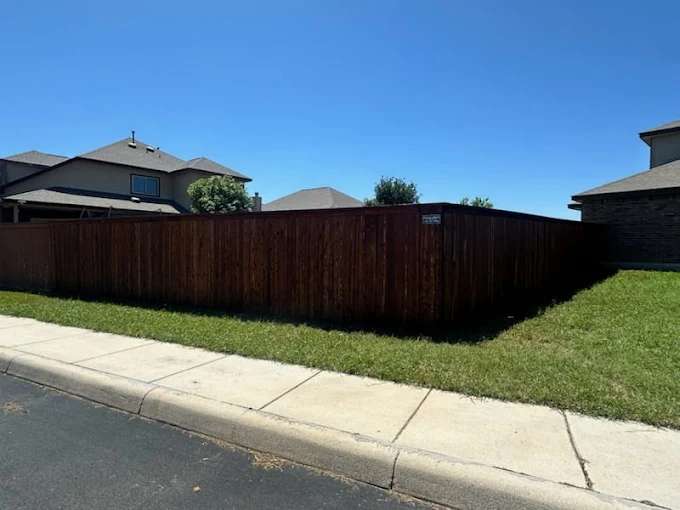
Understanding Residential Fencing Regulations and Codes
If you’ve ever driven through a Plano neighborhood and noticed how most fences seem to follow the same general height and style, that’s not an accident. It’s the result of local regulations, HOA rules, and building codes quietly shaping what you’re allowed to build in your yard.
Homeowners often call Fence Pros of Texas after they’ve already ordered materials—or worse, after a neighbor complains—only to discover their new fence doesn’t meet city or HOA requirements. That can mean costly changes, fines, or even tearing sections down.
In fast-growing cities like Plano, where property values are high and neighborhoods are closely packed, fencing rules are taken seriously. According to local real estate data, outdoor improvements like secure, attractive fencing can boost perceived home value by up to 10–15%, but only if they’re done legally and professionally.
This guide walks you through what you need to know about residential fencing regulations and codes in the Plano area: how they work, where they come from, and how to stay compliant while still getting the style and privacy you want.
Key Insight: When you understand the rules before you build, you protect your investment, keep peace with neighbors, and avoid expensive surprises.
Who Makes the Rules? Understanding the Layers of Fence Regulation
Before you pick a style or schedule Residential Fence Installation, it helps to know who actually controls what you can and can’t build. In Plano and surrounding North Texas communities, fence rules typically come from three main sources:
- City or municipal codes
- Homeowners associations (HOAs)
- Special rules around easements, utilities, and corner lots
Each layer can add its own requirements, and you must follow whichever rule is most restrictive.
City codes: the baseline
Plano’s municipal code regulates things like:
- Maximum fence height in front and back yards
- Setbacks from property lines or sidewalks
- Visibility at corners and driveways (for traffic safety)
- Pool barrier requirements for safety and liability
For instance, many residential areas restrict front yard fences to a lower height and more open style, while back yard fences can be taller and more private. A six-foot Privacy Fence Installation might be allowed in your back yard but not in the front.
“City code sets the floor for safety and visibility. HOA rules and design guidelines usually build on top of that.” — Local Fence Consultant, Fence Pros of Texas
HOAs: design, uniformity, and aesthetics
If you’re in an HOA community—common in Plano—your association may dictate:
- Approved materials (for example, no chain link visible from the street)
- Approved colors or stains for Wood Fences
- Required fence height and style on shared property lines
- Rules for backing greenbelts, creeks, or common areas
We’ve seen HOAs in West Plano require wrought iron or metal fences along community greenbelts, even if solid fencing is allowed between neighbors. That can affect whether Wrought Iron Fences or Aluminum Fences are your only options in certain sections.
Easements and special conditions
Utility easements, drainage channels, and alleyways often come with their own rules. You may be required to:
- Keep gates unlocked for utility access
- Avoid building over drainage swales
- Use specific materials along alleys or public right-of-way
Real example: A Plano homeowner near Spring Creek Parkway built a solid eight-foot fence directly across a drainage easement. After heavy rain, water backed up, the city stepped in, and the owner had to remove and rebuild about 40 feet of fence—on their own dime.
CALLOUT: Always confirm easements and HOA rules before finalizing your fence design. A quick check now can save thousands later.
Height, Placement, and Visibility: The Rules You Can’t Ignore
Most fence disputes and code violations in Plano come down to three things: how tall the fence is, where it sits, and whether it blocks visibility. Even if you hire a professional, it’s wise to understand these basics yourself.
Typical height limits in residential areas
While exact numbers vary by zoning, many North Texas cities follow patterns like:
- Front yard: 3–4 feet, often open-style (like Decorative Fence Installation)
- Side yard (street-facing on a corner lot): lower maximum or special visibility rules
- Back yard: 6–8 feet, with some neighborhoods limiting solid fences to 6 feet
A homeowner in East Plano recently called Fence Pros of Texas after installing a DIY eight-foot Vinyl Fence Installation along the side of a corner lot. It blocked drivers’ view at the intersection. The city required them to cut the height down in the visibility triangle—about 20 feet from the corner.
“Visibility triangles at intersections and driveways are one of the most common—and least understood—fence regulations in suburban neighborhoods.” — Municipal Planning Staff
Setbacks and property lines
Even if your neighbor is okay with the fence, the city may not be if it’s:
- Too close to a sidewalk or street
- Built on the wrong side of the property line
- Encroaching on public right-of-way or easements
Survey stakes or a recent survey can prevent arguments later. We often recommend confirming property lines before major Fence Replacement projects, especially in older Plano neighborhoods where original markers are long gone.
Corner lots and driveways
Corner properties face stricter rules because of traffic safety. That might mean:
- Lower fence heights near the corner
- More open styles like Aluminum Fence Installation or Chain Link Fence Installation in the visibility area
- Limitations on shrubs and trees in the same zone
CALLOUT: If you can’t safely see around your fence when backing out of your driveway or approaching an intersection, there’s a good chance it doesn’t meet code.
Material Choices and How Codes Shape Your Options
Plano homeowners have more choices than ever—Wood Fences, Vinyl Fences, Chain Link Fences, Wrought Iron Fences, Corrugated Metal Fences, and even Glass Fences. But not every material is allowed in every situation. Codes and HOA rules can narrow what’s acceptable along streets, common areas, and pool perimeters.
Common material rules in North Texas neighborhoods
- Wood: Widely allowed for back and side yards. Some HOAs require consistent board-on-board or side-by-side styles and often specify stain colors.
- Chain link: Often restricted in front yards and along visible street fronts, but allowed in back or side yards in older or non-HOA neighborhoods.
- Ornamental iron/aluminum: Popular for pool areas, greenbelts, and along creeks because they meet safety and visibility requirements.
- Solid metal panels: Metal Fence Installation with corrugated or panel systems may be regulated for appearance, especially when facing public streets.
- Glass or mixed-material designs: Increasingly popular in upscale Plano communities, but usually require HOA review and approval.
“Modern neighborhoods in Plano often lean toward uniform, high-end materials, especially along main roads and shared amenities.” — Fence Pros of Texas Design Team
Traditional vs. modern material approaches
Here’s how more traditional choices compare to modern options in a Plano context:
| Approach | Typical Materials | Pros in Plano | Cons / Considerations |
|---|---|---|---|
| Traditional Privacy | Wood, some Vinyl | Classic look, HOA-friendly, good privacy | Requires Fence Maintenance, may weather faster |
| Traditional Utility | Chain Link | Cost-effective, quick Fence Repair | Often restricted in front yards, less attractive |
| Modern Decorative / Estate | Wrought Iron, Aluminum, Glass, Mixed Material | High-end look, great for views and pools | Higher upfront cost, HOA review common |
Real example: A west Plano homeowner backing a greenbelt wanted a solid eight-foot corrugated metal fence for maximum privacy. Their HOA required a more open style facing the greenbelt, so they chose a combination: solid wood fencing between neighbors and ornamental Estate Gates and iron panels along the greenbelt. The result met code, satisfied the HOA, and still offered privacy where they needed it most.
CALLOUT: Before you fall in love with a fence style on Pinterest, confirm your neighborhood will actually allow it.
Special Rules for Pools, Pets, and Security Fencing
Some parts of your property are governed by stricter safety codes—especially pools. Plano and surrounding cities follow standards based on international building codes and state safety regulations to prevent accidents and liability issues.
Pool fencing: non-negotiable safety standards
If you have or plan to install a pool, your fence must meet specific pool barrier requirements. These often include:
- Minimum height (commonly 48 inches or more)
- Self-closing, self-latching Residential Gates
- Latch height out of reach of small children
- No large gaps or footholds that allow climbing
Many Plano homeowners choose ornamental iron or Aluminum Fence Installation around pools because they meet safety and visibility requirements while looking clean and upscale. For families with younger kids, Access Control systems add another layer of protection.
“Pool fence violations are taken seriously because they can be life-and-death issues. Inspectors rarely grant exceptions.” — Texas Building Code Specialist
Pet containment and yard use
For dogs and other pets, local codes are usually less specific, but practical needs and HOA rules still matter:
- Height sufficient to prevent jumping or climbing
- Secure Security Fence Installation around side yards and alleys
- Materials that withstand scratching and chewing (many choose Vinyl Fence Installation or metal for this reason)
We worked with a Plano family whose large dog kept damaging their old wood fence. The HOA didn’t allow visible chain link, so we installed a metal frame with wood facing the street and a more durable interior structure. It kept both the HOA and the dog happy.
Security and commercial-style solutions at home
Some residential properties—especially larger lots or home-based businesses—need more robust security. While true Commercial Fence Installation is regulated differently, you can still integrate:
- Taller perimeter fencing where allowed by code
- Controlled entry with Commercial Gates on mixed-use or shared-access properties
- Strategic use of Access Control for deliveries and service providers
CALLOUT: Pool and safety-related fences are not the place to cut corners or “ask forgiveness later.” Get them right from the start.
Permits, Inspections, and Working With the City of Plano
One of the biggest sources of confusion for homeowners is whether they need a permit for their fence project. Requirements change over time, and they can vary depending on height, location, and whether you’re replacing or building new.
When permits are typically required
While you should always check the latest city guidance, permits are more likely to be needed when:
- The fence exceeds a certain height (often 6 feet)
- You’re building in a floodplain or special overlay district
- You’re changing the location significantly from the previous fence
- You’re near an intersection, alley, or public right-of-way
Fence Pros of Texas frequently handles permit coordination as part of larger Residential Fence Installation projects in Plano, so homeowners don’t have to navigate the paperwork alone.
“Cities aren’t trying to stop you from building a fence—they just want it to be safe, consistent, and respectful of neighbors and public space.” — Former City Inspector
Inspections and approvals
For certain projects—especially those involving pools or unusually tall fences—an inspection may be required after installation. Inspectors typically verify:
- Height and location match the submitted plans
- Gates, latches, and hardware function properly
- Materials and construction meet minimum safety standards
DIY vs. professional approach in Plano
Here’s a quick comparison of handling everything yourself versus working with a professional team familiar with local codes:
| Aspect | DIY Approach | Professional (Fence Pros of Texas) |
|---|---|---|
| Code Knowledge | Research on your own | Up-to-date on Plano and HOA requirements |
| Permitting | You file and track | Often handled for you |
| Risk of Redo / Non-Compliance | Higher | Much lower |
| Time Investment | Weekends and evenings | Minimal homeowner time |
| Long-Term Warranty / Support | Limited to materials | Workmanship, Fence Repair, and support |
CALLOUT: Even if you plan to DIY, consider a consultation to verify your design, materials, and layout meet current codes.
Designing a Fence That’s Legal, Attractive, and Built to Last
Regulations can feel limiting, but they also create a framework that, when used well, leads to better-looking neighborhoods and longer-lasting fences. The goal is to design within the rules while still reflecting your style and needs.
Balancing privacy, curb appeal, and compliance
In Plano, homeowners commonly want:
- Privacy from busy streets or neighboring two-story homes
- A clean, uniform look that matches the neighborhood
- Durability in Texas heat, storms, and shifting soils
Thoughtful design might include:
- A solid Wood Fence Installation or Mixed Material Fences in the back yard for privacy
- Lower, open-style Decorative Fence Installation in the front to meet height and visibility rules
- Coordinated Railings and Residential Gates for a cohesive look
Durability and maintenance planning
Codes don’t usually tell you how to maintain your fence—but long-term performance is where smart choices pay off:
- Choosing rot-resistant posts and hardware
- Using professional Fence Maintenance and staining to protect wood from Texas sun
- Selecting materials like vinyl or metal in high-moisture or irrigation-heavy areas
Real example: A Plano homeowner near Legacy West replaced a tired, mismatched wood fence with a uniform board-on-board design, stained and sealed professionally. By aligning with HOA standards and adding a custom Estate Gates entry, they not only met all regulations but also dramatically boosted curb appeal and resale potential.
“A well-designed, code-compliant fence isn’t just a barrier—it’s part of your home’s architecture.” — Fence Pros of Texas Design Lead
What This Means for Homeowners in Plano, TX
For Plano homeowners, fencing is more than a simple weekend project. It’s a regulated improvement that directly affects property value, neighborhood harmony, and in some cases, safety. With dense development, active HOAs, and a strong focus on curb appeal, the margin for error is smaller than in rural or unincorporated areas.
Ignoring regulations can lead to:
- Fines or stop-work orders from the city
- Required modifications or removal of non-compliant sections
- Tension with neighbors or HOA boards
- Delays in selling your home if an inspection flags issues
On the flip side, working within the rules—and with a contractor who knows them—gives you a clear advantage. You gain:
- Confidence that your fence won’t cause legal or resale problems
- A design that enhances both privacy and curb appeal
- Long-term durability tailored to North Texas weather and soil conditions
Whether you’re replacing a weathered fence in an established Plano neighborhood or planning a new build in a master-planned community, understanding regulations early lets you focus on the fun parts: choosing materials, colors, and details that truly fit your home.
Frequently Asked Questions
Q: Do I need a permit for a new fence at my Plano home?
A: It depends on the height, location, and specifics of your project. In many cases, replacing an existing fence of the same height and location may not require a permit, but new or significantly taller fences often do. Fences near intersections, alleys, or floodplains can also trigger extra review. Because requirements change, it’s smart to verify directly with the city or work with a contractor who handles this regularly. Fence Pros of Texas can review your plans, advise on compliance, and coordinate permits as part of your Residential Fence Installation.
Q: Can I install a chain link fence in my front yard in Plano?
A: Many Plano neighborhoods—and especially HOAs—either limit or prohibit Chain Link Fences in front yards or along streets because of aesthetic standards. In older, non-HOA areas, you may have more flexibility, but you still must meet city height and visibility rules. If you like the practicality of Chain Link Fence Installation but want a more polished look, consider coated chain link in side or back yards and a different material, like ornamental iron or wood, facing the street.
Q: How tall can my backyard fence be if I back up to an alley or main road?
A: Height limits along alleys and major roads can be different from typical lot-line rules. Some Plano subdivisions allow taller fences (up to 8 feet) for properties backing busy streets, while others cap height at 6 feet regardless of location. There may also be specific requirements for materials—such as masonry, Wrought Iron Fences, or uniform Wood Fence Installation—to maintain a consistent look from the roadway. Checking both city and HOA guidelines is crucial before planning a taller fence.
Q: What are the rules for pool fences at my Plano home?
A: Pool barriers must meet strict safety codes, typically including a minimum height, limited gaps, and self-closing, self-latching gates. Many homeowners choose ornamental iron or Aluminum Fences for Pool Fence Installation because they satisfy both safety and visibility requirements. The latch often must be positioned at a certain height and on the pool side of the gate. If your pool fence is part of your yard’s perimeter fence, the entire run may need to meet pool standards. Fence Pros of Texas designs pool barriers that align with local codes and international safety standards.
Q: My neighbor and I share a fence. Who decides what gets built?
A: Shared fences can be tricky. Legally, property lines and local codes dictate what’s allowed, but in practice, good communication with your neighbor goes a long way. If a fence sits on the property line, both owners may need to agree on major changes or Fence Replacement. In HOA communities, design guidelines further shape what’s acceptable between lots. Fence Pros of Texas often meets with both neighbors to explain options, costs, and code requirements so everyone understands the plan before work begins.
Q: Can I mix materials, like wood and metal, without violating code?
A: Mixed-material designs—such as wood privacy sections with metal posts, or Mixed Material Fences combining wood and corrugated metal—are usually allowed as long as they meet height, visibility, and safety rules. The main questions are whether your HOA approves the look and whether materials are appropriate along public-facing sides. Many Plano homeowners choose wood in back yards for privacy and ornamental iron or aluminum along greenbelts or pools. Fence Pros of Texas can create a Custom Fence Design that blends materials while staying within code.
Q: How often should I maintain or stain my fence to keep it compliant and looking good?
A: While city codes don’t specify stain schedules, many HOAs expect fences to be kept in good repair and reasonably uniform. In Plano’s climate—hot summers, occasional freezes, and strong storms—wood fences benefit from professional Fence Maintenance and staining every few years. Regular inspections help catch leaning posts, loose pickets, or gate issues early, avoiding larger Fence Repair needs later. A well-maintained fence not only looks better but also helps you avoid HOA violation notices and preserves your investment.
Ready to Get Started?
Fencing regulations in Plano don’t have to be intimidating—but they do need to be taken seriously. The sooner you factor codes, HOAs, and safety standards into your project, the smoother the process becomes. Whether you’re planning a new Privacy Fence Installation, upgrading a tired boundary, or adding a secure pool enclosure, thoughtful planning now will save you time, money, and frustration later.
Fence Pros of Texas works with homeowners across Plano and North Texas every day, navigating city requirements, HOA approvals, and practical design challenges. Seasonal demand, especially in spring and early summer, can book crews out weeks in advance—so if you’re targeting a particular completion date, it pays to start the conversation early.
Schedule a consultation, walk your property with a local expert, and get a clear plan that balances style, budget, and compliance. Your future self—and your neighbors—will thank you.
About Fence Pros of Texas
Fence Pros of Texas is a locally focused fencing contractor serving Plano and the surrounding North Texas communities. Our team brings years of experience in Residential Fence Installation, Commercial Fence Installation, gates, and access control, with a strong emphasis on code compliance and long-term durability. From classic wood privacy fences to custom metal and estate designs, we help homeowners and businesses create secure, attractive boundaries that meet local regulations and stand up to Texas weather. Learn more about our services at Fence Pros of Texas.