
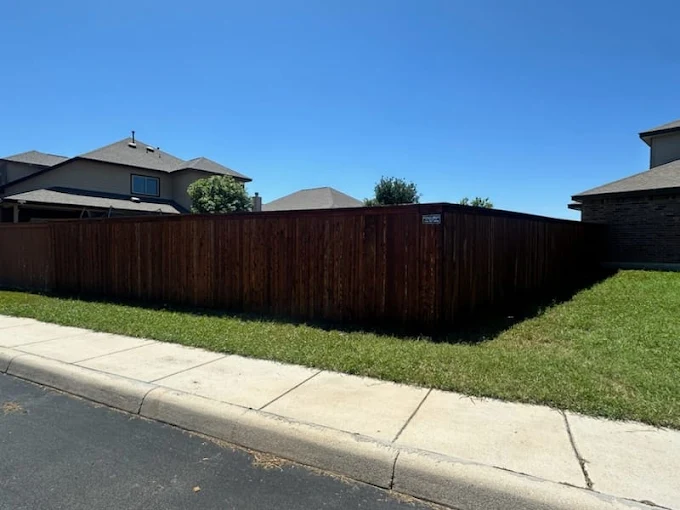
Commercial Fencing Options for Warehouses and Loading Docks
A fully loaded trailer sits at your dock overnight in Plano. The freight is high value, the dock is dimly lit, and the only thing between your inventory and the street is an aging chain link fence that’s already been patched twice. That’s the moment many warehouse managers realize their perimeter is a liability—not an asset.
Across the Dallas–Fort Worth area, cargo theft and facility intrusions cost businesses millions every year. Nationally, supply chain theft has been estimated in the billions annually, with unsecured yards, loading docks, and truck courts among the most common targets. In a logistics-heavy city like Plano, where industrial parks and distribution centers sit close to major highways, the stakes are even higher.
This guide walks through the most effective commercial fencing options for warehouses and loading docks in Plano, TX—from traditional chain link to high-security metal systems—so you can choose the right combination of security, durability, and appearance for your property. You’ll learn how different fence types perform in real-world warehouse environments, what local businesses are installing now, and how to plan a system that protects your operation without slowing it down.
Key Insight: The best warehouse fence in Plano balances security, visibility, and traffic flow—and often combines multiple materials and systems for layered protection.
Understanding Warehouse & Dock Security Needs in Plano’s Market
Warehouses and loading docks don’t just need a fence; they need a security system that fits how freight moves through the property all day and all night. In Plano, that often means balancing long perimeter lines, multiple gates, and crowded truck courts with tight budgets and local codes.
From a risk standpoint, most warehouse properties face three main threats:
- Unauthorized vehicle and pedestrian access
- Theft of cargo, trailers, and equipment
- Vandalism and liability issues after hours
“Perimeter security is only as strong as its weakest point, and that’s often the fence line or gate.” — Security Consultant, DFW Industrial Park
A Plano distribution center we worked with near the President George Bush Turnpike had repeated after-hours trespassing in its rear yard. The existing 6-foot chain link fence had gaps at the base and a wide, manually operated gate that drivers often left open while waiting for dock assignments. We upgraded to an 8-foot system with bottom rail, privacy slats behind the dock area, and integrated Security Fence Installation at the gate. Within weeks, incidents dropped to zero—and operations stayed efficient because drivers could enter and exit with access cards.
As we look at specific fencing options, keep in mind:
- Your fence must work with your security cameras and lighting
- Dock visibility for staff and drivers is critical for safety
- Plano’s industrial zones have appearance standards that may influence material choices
From here, it’s helpful to compare traditional options, modern systems, and hybrid designs that suit warehouse environments.
Chain Link Fencing: Workhorse of the Industrial Yard
Chain link remains the most common choice for warehouses and loading docks in Plano—and for good reason. It offers a strong balance of cost, durability, and visibility, making it ideal for large perimeters and truck courts where staff need clear sightlines.
Why Chain Link Works for Warehouses
- Cost-effective for long runs and big lots
- Fast Chain Link Fence Installation with minimal disruption
- High visibility for cameras and on-site security
- Easy to repair and modify as your yard changes
A 10-acre Plano logistics yard recently upgraded its aging 6-foot fence to an 8-foot commercial chain link with three-strand barbed wire. We added bottom tension wire to prevent lift points and reinforced corner posts where trucks frequently turned close to the fence. The project phased by section, so operations never stopped.
“For broad industrial perimeters, galvanized chain link with proper posts and hardware is still the most cost-efficient first line of defense.” — Senior Project Manager, Fence Pros of Texas
Enhancing Chain Link for Better Security
Standard chain link is only the starting point. You can significantly improve performance with:
- Barbed wire or razor wire (where permitted)
- Windscreen or privacy slats around dock areas
- Heavier-gauge mesh in high-impact zones
- Concrete mow strips to prevent digging underneath
Chain link also integrates smoothly with Commercial Fence Installation and access control systems, making it a natural backbone for most warehouse security plans.
High-Security Metal Fencing: Steel, Aluminum, and Wrought Iron Systems
As Plano attracts more high-value distribution centers and tech-related warehousing, we’re seeing a rise in ornamental and high-security metal systems around loading docks and front-facing yards. These aren’t the decorative picket fences you see in neighborhoods—they’re engineered barriers built to look professional while resisting intrusion.
Steel and Wrought Iron for Maximum Strength
Commercial-grade Wrought Iron Fences and steel systems offer:
- High resistance to cutting and climbing
- Long service life with proper coatings
- A professional appearance at office/warehouse entries
- Customizable spear tops, rails, and security features
One Plano warehouse near Legacy West upgraded its front perimeter from chain link to a powder-coated steel system. The owner wanted to protect employee parking and dock areas while matching the modern office façade. We installed 8-foot panels with pressed-spear tops and paired them with Metal Fence Installation at the main gate. The result improved both security and curb appeal, which mattered for their corporate visitors.
Aluminum Fencing for Corrosion Resistance
For facilities with exposure to chemicals, wash bays, or irrigation overspray, Aluminum Fences offer similar aesthetics to steel with superior corrosion resistance and lighter weight. They’re ideal around:
- Retention ponds and detention areas
- Employee amenity spaces near the warehouse
- Decorative zones at office entrances
“Aluminum and steel picket systems let you create a secure perimeter that still feels like part of a Class A corporate campus, not a prison.” — Design Consultant, Fence Pros of Texas
With both steel and aluminum, professional Security Fence Installation is critical. Proper anchoring, anti-climb design, and integration with gate systems determine how these fences perform under real stress—not just how they look on day one.
Privacy and Noise Control: Solid Panels and Mixed Material Fences
Many Plano warehouses sit close to retail centers, offices, or residential neighborhoods. In those settings, controlling noise, visibility, and dust around loading docks can be just as important as deterring intruders. Solid and semi-solid fence systems shine here.
Corrugated Metal and Mixed Materials
Corrugated metal panels and Mixed Material Fences (combining metal with masonry or wood) are increasingly popular around:
- Truck staging areas
- Trash compactors and equipment yards
- High-visibility dock faces
These systems provide:
- Strong visual screening of docks and stored materials
- Noticeable noise reduction compared to open fencing
- Modern industrial aesthetics that align with newer Plano business parks
A Plano e-commerce fulfillment center facing a busy arterial road had complaints from nearby offices about noise and unsightly dock operations. We installed an 8-foot corrugated metal screen wall with steel posts and a matching Security Fence Installation gate along the road-facing side only, while keeping chain link on the other three sides. The complaints stopped, and the property’s appearance improved dramatically.
Wood and Composite Privacy Fencing in Commercial Settings
While you won’t see traditional Wood Fences around entire warehouses, strategic use of wood or composite panels can work well:
- Around employee patios or break areas
- Between warehouse and adjacent residential properties
- To soften the look of metal fences along public sidewalks
These privacy-focused solutions often pair with open fencing elsewhere. The key is to place solid sections where you need screening and noise control most—typically near docks and public-facing sides—while maintaining visibility and airflow in the yard.
Gates, Access Control, and Traffic Flow at Loading Docks
The smartest fence in Plano won’t protect your warehouse if the gate is an afterthought. Gates are where security, safety, and logistics converge—and where many facilities experience their biggest headaches.
Choosing the Right Gate Configuration
For warehouses and loading docks, common gate types include:
- Cantilever slide gates for main truck entrances
- Swing gates for secondary or emergency access
- Vertical lift gates where space is tight
- Pedestrian access gates for staff entrances
A Plano cold storage facility on a constrained site needed to secure its dock court without blocking truck flow. We designed a cantilever slide gate that opened parallel to the fence, saving yard space, and integrated Security Fence Installation with keypad and RFID readers for drivers. The system synchronized with their dock scheduling software so security staff could see who was at the gate and where they were headed.
“Your gate is both a security device and a traffic control tool. If it slows trucks down too much, drivers will start looking for shortcuts—often by leaving gates open.” — Operations Manager, Plano Warehouse
Integrating Access Control and Safety
Modern warehouse gates in Plano often include:
- Card readers or keypads for employees and carriers
- Remote controls and intercoms for visitors
- Safety loops and photo eyes to prevent gate/vehicle collisions
- Integration with camera systems and guard stations
Well-designed gates and access control don’t just keep people out—they keep the right people moving efficiently in and out, which is critical in a high-volume loading environment.
Comparing Traditional and Modern Warehouse Fencing Approaches
Many Plano facilities still rely on older, patched-together fencing systems. Upgrading doesn’t always mean replacing everything; often, it means shifting from a single-material perimeter to a layered, strategic approach.
Here’s a quick comparison:
| Approach | Pros | Cons | Typical Use in Plano Warehouses |
|---|---|---|---|
| Traditional 6′ Chain Link Only | Low cost, fast install, good visibility | Easier to climb/cut, minimal privacy | Older industrial parks, low-risk yards |
| Upgraded 8′ Chain Link w/ Barbed Wire | Better deterrent, harder to climb | Limited noise/visual screening | Truck courts, rear perimeters |
| Ornamental Steel/Aluminum Front + Chain Link Sides | Strong security, professional appearance, cost-balanced | Higher upfront cost at frontages | Office/warehouse campuses, visible entries |
| Corrugated Metal or Solid Panels at Docks | Excellent privacy and noise reduction | Less airflow, may require stronger footings | Docks along roads or near offices/residential |
| Mixed Material (Masonry + Metal) | Premium appearance, high durability | Highest cost, more complex installation | Corporate HQ facilities, high-visibility corners |
A Plano 3PL provider recently adopted a hybrid strategy: ornamental steel with a matching Commercial Fence Installation at the front, 8-foot chain link with privacy slats around the docks, and standard chain link at the rear property line. They didn’t overspend securing low-risk areas, but they significantly improved security and appearance where it mattered most.
Cost, Maintenance, and Lifecycle Planning for Plano Facilities
Fencing is a capital investment, but its real cost shows up over 10–20 years in repairs, downtime, and security incidents. Plano’s hot summers, occasional storms, and clay soils all affect how different fence types perform long term.
Typical Cost and Performance Considerations
While exact pricing varies by site, here’s how common options compare:
| Fence Type | Relative Initial Cost | Maintenance Level | Typical Lifespan (with care) | Notes for Plano Conditions |
|---|---|---|---|---|
| Standard Chain Link | $ | Low | 20+ years | Strong value; watch for soil movement at posts |
| Upgraded Chain Link (8′ + barb, slats, etc.) | $$ | Low–Medium | 20+ years | Great for higher security rear yards |
| Ornamental Steel/Wrought Iron | $$$ | Medium (coating checks) | 20–30 years | Periodic coating inspection prevents rust |
| Aluminum Picket | $$$ | Low | 25+ years | Excellent for corrosion resistance |
| Corrugated Metal Panels | $$$ | Low–Medium | 20+ years | Ensure proper framing and wind load design |
| Wood or Composite Privacy | $$–$$$ | Medium–High (wood) | 10–20 years (wood), 20+ (composite) | Best used in limited, strategic areas |
A Plano manufacturer that initially chose low-cost fencing ended up replacing long sections twice in 12 years due to vehicle impacts and storm damage. When they finally invested in heavier-gauge posts, deeper footings, and a mix of chain link and metal panels, their repair calls dropped dramatically. Paying slightly more upfront saved them significant money and operational headaches over time.
“The least expensive fence on bid day is often the most expensive fence over its service life.” — Commercial Estimator, Fence Pros of Texas
What This Means for Businesses in Plano, TX
Plano’s industrial landscape is evolving. Older tilt-wall warehouses now sit next to modern distribution centers and corporate campuses. As property values and freight values climb, the expectations for perimeter security and appearance rise too.
For local businesses, that means a few key realities:
- Basic fencing is no longer enough for many sites. If your yard holds high-value inventory, trailers, or equipment, an outdated 6-foot fence with a simple swing gate is a risk—both for theft and for liability.
- City and park standards matter. Many Plano industrial parks have design guidelines that favor cleaner, more modern fence styles along public roads. Balancing those standards with budget is where mixed-material solutions shine.
- Traffic and security are linked. With Plano’s busy logistics routes and tight delivery windows, any fence and gate design that slows trucks down will create operational friction. The right commercial gate and Security Fence Installation can actually improve flow while tightening control.
- Local conditions affect durability. North Texas clay soils, summer heat, and storm winds all influence how deep posts should be set, what coatings perform best, and how gates should be engineered.
For warehouse and loading dock operators in Plano, the best path forward is usually a layered, site-specific plan: stronger systems where risk and visibility are high, value-driven solutions where exposure is lower, and a gate strategy that supports how your operation really runs. Working with a local contractor who understands Plano’s codes, soil, and industrial park requirements makes that planning process far more efficient—and helps you avoid costly rework down the line.
Frequently Asked Questions
Q: What fence height is recommended for securing a warehouse yard in Plano?
A: For most commercial warehouse and loading dock applications, 8 feet is the practical minimum for a true security perimeter, especially when combined with barbed wire or anti-climb features. While some older Plano properties still have 6-foot fences, they’re easier to scale and often don’t meet current security expectations. Many businesses choose 8-foot Chain Link Fences with three strands of barbed wire for rear and side yards, then use ornamental steel or aluminum at the front where appearance matters more. Local zoning and park covenants may influence maximum heights along streets, so it’s important to check requirements before finalizing your design.
Q: How do I balance visibility for cameras with privacy around my loading docks?
A: A common approach in Plano is to use open fencing, like chain link or Aluminum Fences, along most of the perimeter to preserve camera sightlines and natural surveillance, then introduce privacy elements only where needed. At loading docks, you can add windscreen or privacy slats to chain link, or install corrugated metal or mixed-material panels just around the dock and staging areas. Cameras can be mounted higher to see over solid sections, while side angles are preserved through open fencing. This layered strategy keeps your surveillance effective while shielding sensitive operations and reducing noise toward neighbors.
Q: Are ornamental metal fences strong enough for a busy warehouse environment?
A: Yes—when you choose commercial-grade materials and proper installation. Industrial Wrought Iron Fences and steel or aluminum picket systems are engineered for security applications, with heavier posts, rails, and pickets than residential products. For Plano warehouses, we often specify thicker-wall posts, deeper concrete footings, and anti-climb designs, especially near gates and truck circulation paths. Ornamental systems work particularly well at frontages and employee parking areas, and can be paired with chain link elsewhere to control cost. The key is to avoid “light-duty” decorative products not intended for industrial use and to integrate them with properly designed Commercial Fence Installation at the gates.
Q: How do gates and access control affect truck flow at my loading docks?
A: Gate design has a direct impact on how efficiently trucks move in and out of your Plano facility. A poorly sized or slow gate can cause backups onto public streets and encourage drivers to prop gates open, undermining security. Cantilever slide gates are often ideal for truck entrances because they open parallel to the fence line and don’t swing into traffic. Pairing them with properly placed readers, intercoms, and loops allows drivers to activate the gate without awkward maneuvers. For many warehouses, integrating Security Fence Installation with your yard management or visitor systems gives you both real-time control and historical records of who accessed the property and when.
Q: What maintenance should I expect for a commercial fence around my warehouse?
A: Maintenance needs depend on materials and traffic levels, but every Plano warehouse fence benefits from routine inspections. Chain link systems typically need occasional tension adjustments, replacement of damaged fabric or rails from vehicle impacts, and checks of bottom tension wire. Ornamental steel or Aluminum Fence Installation should be inspected for coating damage, especially after storms or equipment contact. Wood privacy elements require more frequent Fence Maintenance—staining or sealing every few years to withstand Texas sun and weather. Gates and operators need the most attention: regular lubrication, safety checks, and realignment help prevent failures that can halt truck movement or create safety hazards.
Q: Can I phase my fencing upgrades to spread out costs?
A: Absolutely. Many Plano warehouse operators tackle fencing in phases, starting with the highest-risk areas. A common strategy is to secure the main truck entrance and loading dock area first with upgraded fencing and Security Fence Installation, then replace or reinforce older perimeter sections over time. Phase one might include a new cantilever gate, access control, and reinforced corner posts, while phase two addresses rear and side yards. When planned correctly, each phase stands on its own and ties into the next without wasted work. A site assessment with a detailed layout helps prioritize which sections deliver the best security return on investment right away.
Q: Are there specific fence types you avoid near warehouses in North Texas?
A: Rather than avoiding entire categories, we focus on using each material where it performs best. For example, large expanses of traditional Wood Fences are rarely ideal for full warehouse perimeters due to maintenance and wind load concerns, but wood can work well for smaller employee areas. Glass or highly decorative systems are usually reserved for corporate entries, not active dock courts. The big watch-outs in Plano are undersized posts and shallow footings in clay soils, residential-grade products in industrial environments, and gate operators not rated for the traffic volume. Choosing commercial-grade materials and designs tailored to warehouse use is much more important than the specific style label.
Ready to Get Started?
Every unsecured gap in your fence line, every hard-to-close gate, and every exposed dock face is an open invitation to problems you don’t have time for—lost freight, downtime, and safety incidents. In a competitive logistics market like Plano, a well-designed commercial fencing system is no longer optional; it’s part of how you protect your margins and your reputation.
This is an ideal time to assess your perimeter. Cooler months are often easier for Commercial Fence Installation, and many businesses schedule upgrades between peak shipping seasons to minimize disruption. A site walk with an experienced local team can quickly identify vulnerabilities, prioritize phases, and match materials to your budget and security goals.
Fence Pros of Texas can review your current setup, recommend targeted improvements, and design a combination of fencing, Commercial Fence Installation, and access control that fits how your warehouse and loading docks operate day to day. Whether you need a full perimeter overhaul or a strategic upgrade at your main truck entrance, the first step is a conversation on site.
About Fence Pros of Texas
Fence Pros of Texas is a locally owned fencing contractor serving Plano, TX and the greater DFW area. Our team specializes in commercial and industrial perimeter solutions, including warehouses, loading docks, logistics yards, and corporate campuses. With years of experience in North Texas soils, codes, and industrial park standards, we design and install durable, secure systems tailored to each property’s operations. From Commercial Fence Installation to gates and access control, we focus on practical, long-lasting solutions that keep your business moving safely.