
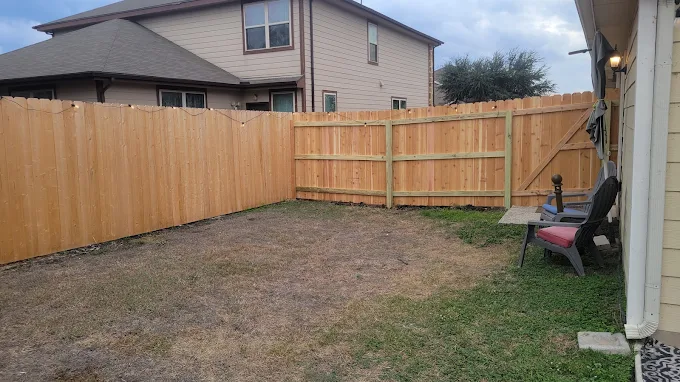
How to Maintain Your Fencing Investment
If you own property in Plano, you already know how fast our weather can turn on you. One day it’s sunny and mild, the next it’s 105° with a dust storm and a thunderstorm rolling in behind it. That same mix of heat, UV, wind, and sudden downpours that wears you out is also working on your fence year-round.
According to real estate data, a well-maintained fence can boost perceived property value by 5–10% and dramatically improve curb appeal and security. On the flip side, neglected fencing is one of the first things buyers and tenants notice—and it can turn into a costly replacement years earlier than necessary.
This guide is for Plano homeowners, HOAs, property managers, and business owners who want to protect their fencing investment. You’ll learn how to care for different materials, spot early warning signs, plan a smart maintenance schedule, and decide when repair or replacement makes the most sense—so your fence looks good, works hard, and lasts as long as possible.
Key Insight: A little routine care, done consistently and tailored to your fence type, can easily add 5–10+ years of life to your fence and save thousands in premature replacement costs.
Why North Texas Weather Is Tough on Fences (and What You Can Do About It)
Plano sits in a climate zone that’s especially hard on exterior structures. Long, hot summers, high UV exposure, clay soil that expands and contracts, and the occasional hailstorm all put your fence to the test.
How local conditions affect different fence types
- Wood fences
Our heat bakes moisture out of boards, causing shrinkage, warping, and cracking. Sudden storms then soak the wood, encouraging rot and mildew if it’s not properly sealed. A beautiful cedar Wood Fence Installation can last 15–20 years here—but only with regular cleaning and staining.
- Metal fences
Aluminum Fences and Wrought Iron Fences handle heat well, but any chip in their coating can turn into rust, especially around sprinklers or low-lying, damp areas. Corrugated metal fences face the same risk where cut edges or fasteners are exposed.
- Vinyl fences
Quality Vinyl Fences resist rot and insects, but UV can fade or weaken cheap vinyl over time. High winds can also stress posts if they weren’t properly set during Residential Fence Installation or Commercial Fence Installation.
- Chain link fences
Galvanized Chain Link Fences are workhorses, but they can sag as our clay soil shifts and posts lean. Vegetation growing into the mesh traps moisture and accelerates corrosion.
“North Texas fences don’t usually fail overnight. They fail a little at a time—at the posts, fasteners, and finish—years before you notice a panel actually falling.” — Fence Pros of Texas Team
By understanding how local conditions affect your specific fence type, you can choose the right maintenance steps instead of wasting time on the wrong ones.
Material-Specific Maintenance: What Your Fence Really Needs
Not all fences age the same way, so their care shouldn’t be one-size-fits-all. Here’s how to maintain the most common fence types around Plano homes, ranches, and commercial properties.
Wood fences: Stain, seal, and breathe
A properly installed Privacy Fence Installation in cedar or pine is a big investment. To protect it:
- Clean the fence annually with a gentle wash to remove mildew, dirt, and pollen.
- Re-stain or seal every 2–4 years, depending on sun exposure.
- Keep soil and mulch 2–3″ below the bottom rail to reduce rot.
- Trim shrubs and vines away so air can circulate.
We recently worked with a Plano HOA whose 8-foot wood perimeter fence was fading and warping after just six years. Instead of recommending full Fence Replacement, we deep-cleaned and applied a professional-grade finish from our staining services. They added at least another decade of life for a fraction of replacement cost.
Metal fences: Rust prevention is everything
Whether you have decorative Wrought Iron Fences, Metal Fence Installation around a business, or corrugated metal privacy panels, focus on:
- Inspecting welds, fasteners, and bottoms of pickets for rust.
- Touching up any chips or scratches with compatible paint or coating.
- Clearing soil and landscaping away from metal surfaces.
- Checking for movement at posts, especially after heavy rain.
Vinyl fences: Clean and inspect connections
For Vinyl Fence Installation:
- Wash annually with soapy water and a soft brush—avoid harsh chemicals.
- Check for cracks, especially on the sunniest sides of the property.
- Make sure posts and rails are tight and panels haven’t shifted in wind.
Chain link and mixed materials
With Chain Link Fence Installation and mixed-material fences (wood + metal, metal + glass):
- Keep vines and vegetation out of the mesh.
- Check top rails and tension wire for sagging.
- Inspect transition points where two materials meet—these are common failure points.
CALLOUT: Match your maintenance to your material. A few targeted tasks done annually will do more than a big, unfocused project every few years.
Inspection Checklists: Catching Problems Before They Get Expensive
Think of inspections as your fence’s annual physical. They don’t take long, but they can save you from major Fence Repair or full replacement down the road.
Here’s a simple structure you can use for residential, commercial, or farm properties.
Visual inspection: Step-by-step
Walk the entire fence line and look for:
- Posts
- Leaning or movement when pushed
- Rot at the base of wood posts
- Rust at the base of metal posts
- Rails and pickets
- Cracked, warped, or missing boards on Wood Fences
- Bent or broken metal pickets on Security Fence Installation
- Loose or missing fasteners
- Finish and coatings
- Faded stain or peeling paint
- Exposed bare metal or raw wood
- Ground contact
- Soil or mulch piled against boards or panels
- Erosion around posts after storms
“If you’re seeing more than 20–25% of boards or panels with visible damage, it’s time to talk about a strategic repair-or-replace plan.” — Fence Pros of Texas Project Manager
Functional inspection: Does it still do its job?
Especially for Security Fence Installation, Residential Gates, and Commercial Gates, test:
- Gate operation: smooth swing or slide, no dragging
- Latches and locks: align correctly and secure firmly
- Access control: keypads, remotes, sensors, and safety devices all working
A Plano distribution facility we service had a sturdy chain link perimeter but ignored a sagging cantilever gate. Eventually, the rollers failed, and the gate came off track during a storm, shutting down truck traffic for half a day. A simple annual inspection and minor adjustment could have prevented a costly, urgent repair.
Cleaning, Staining, and Finishing: Protecting the Surface Protects the Structure
Most fences don’t fail because the boards or metal are inherently weak. They fail because the protective layer—stain, paint, or coating—was neglected, letting water and UV do their damage.
Cleaning: The foundation of all maintenance
For most Plano properties, once-a-year cleaning is enough:
- Use low-pressure washing or a garden hose with a cleaning solution.
- Avoid high-pressure settings that can gouge wood or strip finishes.
- Target mildew (common on north-facing sides), pollen buildup, and dirt splash from rain.
Staining and sealing wood
Professional-grade stain or sealant dramatically extends the life of a Wood Fence Installation:
- Reapply every 2–4 years, sooner for south- and west-facing runs.
- Choose UV-resistant, penetrating stains designed for Texas climates.
- Pay extra attention to board tops, end grains, and cut edges—these absorb the most moisture.
We recently refreshed a 12-year-old cedar privacy fence in central Plano that had never been stained. Many boards were still structurally sound. By replacing only the worst boards and applying a deep-penetrating finish from our staining services, we transformed a gray, tired fence into a rich, warm backdrop that will now last many more years.
Coatings for metal and mixed-material fences
- Touch up scratches on Decorative Fence Installation and Metal Fence Installation promptly.
- For corrugated and Mixed Material Fences, make sure sealants and paints are compatible with all materials involved.
- Avoid trapping water where metal meets wood or masonry.
CALLOUT: The cost of professional cleaning and finishing every few years is usually less than one-third of what you’d spend replacing a prematurely failed fence.
Traditional vs. Modern Maintenance Approaches
| Approach | Traditional “Set and Forget” | Modern Preventive Care (Plano-Optimized) |
|---|---|---|
| Cleaning Frequency | Only when it looks bad | Annually (or every 2 years minimum) |
| Stain/Finish on Wood | Once at install, then ignored | Every 2–4 years, depending on exposure |
| Inspection | After visible failure | Scheduled spring & fall walk-through |
| Cost Over 15 Years (Typical 6′ Wood Privacy Fence) | 1–2 full replacements | 1 installation + 1 partial repair + maintenance |
| Average Visual Appearance | Acceptable for first 3–5 years | Consistently good 12–15+ years |
Gates, Railings, and Access Control: The Moving Parts Need Extra Love
Your fence may be the largest part of the system, but the moving components—gates, railings, and access control—are often where problems show up first. They also tend to be the most used and most safety-critical.
Gates: Hinges, latches, and structure
Whether you have a simple walk gate on a Plano home or a large estate gate on acreage:
- Lubricate hinges annually with a suitable exterior lubricant.
- Check that posts supporting gates are deeply set and not leaning.
- Make sure latches close securely without slamming or forcing.
- For sliding and cantilever gates, clear debris from tracks and rollers.
A local medical office park had a beautiful Commercial Gate system, but skipped maintenance. Dirt and gravel built up in the track, overloading the operator. Eventually, the motor failed and required a rush replacement—costing far more than routine care would have.
Railings: Safety and code compliance
For decks, stairs, and balconies, well-maintained railings are non-negotiable:
- Check for wobble or looseness at posts and brackets.
- Inspect welds and fasteners for corrosion or fatigue.
- Refinish or touch up coatings where hands frequently contact surfaces.
Access control and automation
If your property uses access control—keypads, card readers, remotes, or phone apps—plan for:
- Regular testing of safety features: photo eyes, edge sensors, and manual release.
- Battery checks for backup systems and remotes.
- Software or firmware updates where applicable.
“Automated gates are like vehicles—they need periodic service. Waiting until something breaks usually means a bigger bill and more downtime.” — Fence Pros of Texas Technician
Repair vs. Replacement: Making the Smart Financial Call
At some point, every fence reaches a crossroads: keep repairing or invest in a new system. The right choice depends on the fence’s age, material, damage level, and your long-term plans for the property.
When repair makes sense
Choose Fence Repair when:
- Less than 20–30% of boards or panels are damaged.
- Posts are mostly solid and plumb.
- The fence is under 10–12 years old (for wood) and still structurally sound.
- You’re planning to sell or lease in the near term and need a solid, attractive fence without a full capital expense.
Example: A Plano retail center had a 7-year-old Commercial Fence Installation with a few damaged sections from delivery trucks. We replaced the affected panels, straightened a few posts, and repainted. The owner preserved their original investment and kept tenants happy without a major project.
When replacement is the better investment
Consider Fence Replacement or new Custom Fence Design when:
- Posts are rotting or rusting out across large sections.
- The fence is over 15–20 years old and has multiple problem areas.
- You want to upgrade to a different style or material (e.g., from wood to Aluminum Fence Installation or Glass Fences around a pool).
- You’re dealing with serious security or privacy needs that the old fence can’t meet.
Cost and longevity comparison (Plano averages)
| Option | Typical Scenario (6′ Wood Privacy Fence) | Approx. Cost Range | Expected Added Life |
|---|---|---|---|
| Spot repairs only | Few bad boards, good posts | Low | 2–5 years |
| Structural repair + re-stain | Several weak sections, salvageable frame | Medium | 5–10 years |
| Full replacement (similar material) | Widespread rot, leaning posts | Higher | 15–20 years |
| Upgrade to longer-life material (e.g., metal, vinyl) | Aging wood, desire for low maintenance | Highest upfront | 20–30+ years |
\Actual costs vary based on layout, access, and material choice, but this gives a relative comparison for Plano-area projects.
CALLOUT: If your annual repair bills are approaching 20–25% of what a new fence would cost, it’s usually time to look seriously at replacement.
What This Means for Businesses in Plano, TX
For businesses, HOAs, and commercial property owners across Plano, fencing is more than a visual boundary—it’s part of your security plan, brand image, and risk management.
A clean, straight, well-maintained fence around a medical office near Preston and Legacy sends a very different message than a leaning, rusting fence with a gate that doesn’t close properly. Tenants, customers, and inspectors notice the difference.
Here’s why proactive fence maintenance is especially important in Plano’s business environment:
- Security and liability
A compromised perimeter can invite trespassing, theft, or vandalism. For facilities near high-traffic corridors like US-75 or the Dallas North Tollway, strong, well-maintained Security Fence Installation and access control help reduce risk and may support insurance requirements.
- Brand and tenant perception
Retail centers, office parks, and industrial complexes compete for tenants. A neat, sturdy fence, clean railings, and smooth-operating commercial gates show that ownership cares about the property.
- Budget predictability
Reactive fence work—especially emergency gate repairs—often costs more and hits the budget at the worst times. Planned maintenance and scheduled Commercial Fence Installation upgrades allow for better forecasting and less disruption.
- Regulatory and safety considerations
For properties with ponds, pools, or mechanical yards, code-compliant Pool Fence Installation and secure enclosures are non-negotiable. Regular inspections and repairs help avoid citations and keep people safe.
Plano’s growth means more people, more traffic, and more visibility. Treating your fence as an asset—not an afterthought—helps protect your property, your reputation, and your bottom line.
Frequently Asked Questions
Q: How often should I stain or seal my wood fence in Plano’s climate?
A: Most wood fences in Plano benefit from staining or sealing every 2–4 years. South- and west-facing sections that get full sun all day may need attention closer to the 2-year mark, while shaded runs might stretch to 4 years. If your fence was installed without professional finishing, consider having it cleaned and stained within the first year to lock in protection. Partnering with a pro for Fence Maintenance ensures the right products are used for our North Texas weather, so your fence resists UV damage, warping, and rot as long as possible.
Q: My fence is leaning in several spots. Can it be repaired, or do I need a full replacement?
A: Leaning is usually a sign of post issues—either rot in wood posts, rust in metal posts, or soil movement. If only a few posts are affected and the boards or panels are still in good shape, targeted Fence Repair can often correct the lean by resetting or replacing those posts. However, if many posts along the line are moving, or if the fence is 15–20+ years old, a planned Fence Replacement may be more cost-effective in the long run. A site visit from an experienced installer can help you weigh repair vs. replacement based on your fence’s condition and your budget.
Q: Are vinyl or aluminum fences really lower maintenance than wood in North Texas?
A: Yes, quality Vinyl Fence Installation and Aluminum Fence Installation generally require less ongoing maintenance than wood in Plano’s climate. They don’t rot, and they’re highly resistant to insects and moisture. You’ll still want to wash them periodically and check fasteners and posts, but you can usually skip staining and sealing. Many homeowners and HOAs upgrading from aging wood privacy fences opt for Decorative Fence Installation in aluminum or mixed materials for a more modern look and reduced long-term upkeep.
Q: How do I maintain a pool fence to stay code-compliant and safe?
A: For Pool Fence Installation around Plano homes or multifamily properties, maintenance is as much about function as appearance. Check that gates are self-closing and self-latching, with latches out of reach of small children. Ensure there are no gaps large enough for a child to squeeze through or climb using nearby furniture or landscaping. Keep hardware rust-free and adjust gates so they don’t drag or stick. Whether your pool fence is wood, metal, or vinyl, regular inspections—especially before swim season—help keep you aligned with local codes and, more importantly, keep everyone safe.
Q: What’s the best fence type for a commercial property that wants both security and low maintenance?
A: Many Plano businesses choose a combination approach. A strong Commercial Fence Installation in chain link or ornamental steel provides security, while strategic privacy slats, corrugated panels, or Mixed Material Fences near public-facing areas enhance appearance. Pairing this with access control and durable Commercial Gates delivers a secure perimeter with minimal day-to-day upkeep. Galvanized or powder-coated materials, set in properly engineered footings, stand up well to North Texas weather with only periodic inspections and cleaning.
Q: We have livestock on acreage near Plano. How should we maintain our farm fencing?
A: For properties using farm fencing—from barbed wire to pipe and no-climb mesh—your priority is containment and safety. Walk lines regularly to check for broken wires, loose posts, and tension issues. Clear brush and fallen limbs that can weight down or damage the fence. For pipe and metal farm fences, watch for rust at welds and ground contact points and address it early. Where animals tend to push or lean, reinforce those sections or consider upgrading to sturdier designs. Proactive maintenance helps avoid escapes, injuries, and emergency repairs that can be both stressful and costly.
Q: How do I know if my fence still meets my security needs as Plano grows?
A: As traffic and development increase around Plano, your original fence design might not match current realities. If you’ve seen an uptick in trespassing, theft, or vandalism—or if adjacent properties have changed use—it’s smart to reassess. Look at fence height, climb resistance, visibility, and gate control. Upgrading to a more robust Security Fence Installation, adding access control, or installing higher-security estate gates can significantly improve protection. A fencing professional can walk the property with you and recommend targeted upgrades or replacements based on your risk profile and budget.
Ready to Get Started?
North Texas weather isn’t going to take a break, and neither will the wear and tear on your fence. The longer you wait to address leaning posts, fading stain, or dragging gates, the more likely you are to face bigger, more expensive problems—often at the worst possible time.
Now is the ideal moment to schedule a fence checkup, especially before the next round of severe storms or peak summer heat. Whether you need a straightforward cleaning and stain, strategic Fence Repair, or you’re considering a new Residential Fence Installation or Commercial Fence Installation, Fence Pros of Texas can help you make a smart, long-term plan.
We’ll walk your fence line, identify priority issues, and give you clear options—no pressure, no guesswork. Protect your investment, improve your curb appeal, and keep your property secure with a maintenance strategy that fits Plano’s climate and your budget.
About Fence Pros of Texas
Fence Pros of Texas is a locally focused fencing contractor serving Plano and the surrounding North Texas communities. Our team has years of experience designing, installing, and maintaining Residential Fence Installation, Commercial Fence Installation, farm fencing, gates, railings, and access control systems tailored to our unique climate and soil conditions. From custom Custom Fence Design to ongoing Fence Maintenance, we focus on long-lasting quality, safety, and honest guidance for every project.