
Commercial Fencing Design for Schools and Community Sites
A school district in North Texas recently reviewed its campus security and realized that more than 60% of its perimeter was protected only by aging chain link and broken gates. They’re not alone. Across the Dallas–Fort Worth area, hundreds of schools, churches, and community centers are reevaluating their sites as security, traffic, and community use all increase.
In Plano and surrounding cities, campuses often sit near busy arterials like Preston Road or Spring Creek Parkway. That means more vehicle traffic, more foot traffic, and more pressure on sites to be both open and secure. Good fencing design is no longer just a property line issue — it’s a safety, liability, and community relations issue.
This guide walks through how to design commercial fencing for schools and community sites that balances security, aesthetics, code compliance, and budget. You’ll see real-world examples, understand material options, and learn how thoughtful layout and access control can turn your fence from “just a barrier” into an integrated part of your campus safety plan.
Key Insight: The best fences for schools and community sites in Plano combine layered security, clear access control, and durable materials — all tailored to how your property is actually used every day.
Designing Fences Around How People Actually Use the Site
Every school, church, or community center in Plano has its own traffic patterns: morning drop-off chaos, weekend tournaments, evening events, and summer programs. Effective fencing design starts by mapping these patterns, not by choosing a material first.
For example, a Plano elementary school near Coit Road worked with a local security consultant who discovered that 80% of unauthorized access was happening through side fields and parking cut-throughs, not the front doors. Their fence redesign focused on:
- Creating a secure perimeter around play areas
- Clearly separating parent drop-off from bus lanes
- Adding controlled pedestrian gates for walkers and bikers
- Improving sightlines for staff monitoring
They upgraded from patchwork Chain Link Fences to a mix of ornamental Aluminum Fences at the front and higher-security mesh around the back. The result: better control without making the campus feel like a fortress.
“Security that ignores how people really move through a property usually fails where it matters most — in everyday use.” — Campus Safety Consultant, DFW Region
Thoughtful layout also matters for community sites like recreation centers and churches in Plano, where facilities often share parking with parks or sports fields. Segmenting areas with lower-height Wood Fences or decorative Wrought Iron Fences can guide visitors naturally to the right entrances without heavy-handed signage.
Balancing Security, Visibility, and Aesthetics
Schools and community campuses must manage a tricky balance: keep people safe, maintain visibility for supervision, and still look welcoming. Plano parents don’t want their children walking into a prison-like environment, but they do expect serious security.
Different fence styles support different goals:
- Ornamental steel or aluminum provides strong security with good visibility.
- Solid materials like wood or corrugated metal deliver privacy and noise reduction.
- Mixed material designs combine transparency and privacy where each matters most.
A Plano charter school near Headquarters Drive upgraded from low, rusted Chain Link Fence Installation to a combination of modern Mixed Material Fences. They used metal frames with horizontal wood infill along the street for aesthetics and sound control, and welded wire panels around play areas to maintain full visibility for staff.
Here’s how traditional approaches compare with more modern design thinking:
| Approach Type | Traditional Campus Fence | Modern, Layered Design for Plano Sites |
|---|---|---|
| Primary Goal | Mark property line | Integrate safety, traffic flow, and supervision |
| Materials | Basic chain link | Ornamental metal, mixed materials, screened areas |
| Visibility | All-or-nothing (open or solid) | Strategic mix of open and private zones |
| Design Coordination | Fence chosen in isolation | Tied to cameras, lighting, and access control |
| Aesthetic Fit | Functional only | Matches architecture and neighborhood context |
| Long-Term Maintenance | Often reactive repairs | Planned Fence Maintenance schedule |
“Parents judge campus safety visually in the first 30 seconds — fences, gates, and lighting send the first message.” — Facilities Director, North Texas School District
In Plano’s established neighborhoods, many schools sit near residential streets and HOAs. Coordinating colors and styles with nearby homes, using stained Wood Fence Installation or powder-coated metal, helps maintain good community relationships while still upgrading security.
Choosing the Right Materials for North Texas Conditions
The Plano climate is tough on fences: blazing sun, clay soil movement, and the occasional severe storm. For schools and community sites, that means choosing materials that can handle heavy use and weather without constant repair.
Common options and how they fit campus needs:
- Ornamental aluminum or steel: Ideal for frontages and main entries. Strong, low-maintenance, and visually appealing. Often used where visibility is key.
- Chain link: Still useful for athletic fields and back-of-house areas, especially with privacy slats or upgraded coatings.
- Vinyl and composite: Good for low-maintenance privacy barriers along property lines or service areas.
- Wood: Warm, natural look but requires proactive staining and upkeep.
- Corrugated metal: Modern, durable screening for service yards, mechanical areas, or targeted privacy.
A Plano community center off Legacy Drive replaced an aging wood fence that bordered nearby homes. The constant staining and repairs were eating into their budget. They switched to a combination of decorative Metal Fence Installation along public-facing areas and tall, low-maintenance vinyl along the rear property line. Upfront cost was higher, but projected 10-year maintenance costs dropped by more than 40%.
Estimated relative costs for commercial-grade materials in the Plano area:
| Material Type | Upfront Cost (Per Linear Foot, Typical Range) | Maintenance Level (10-Year View) | Best Use Areas |
|---|---|---|---|
| Chain Link | $18–$30 | Low to moderate | Fields, back-of-house, utilities |
| Ornamental Aluminum/Steel | $35–$60 | Low | Frontages, entries, high-visibility areas |
| Commercial Wood | $28–$45 | Moderate to high | Residential edges, screening, sound buffers |
| Vinyl / Composite | $35–$55 | Very low | Long runs needing privacy with minimal upkeep |
| Corrugated Metal Panels | $40–$70+ | Low | Service yards, modern aesthetic installations |
For athletic complexes and shared-use fields, schools sometimes coordinate with nearby farms or large properties on Farm Fencing styles at the perimeter, then transition to higher-security options closer to buildings.
Integrating Gates, Access Control, and Traffic Flow
A secure fence is only as strong as its gates and how people move through them. On most Plano campuses, the real challenges show up at car lines, bus loops, and event entrances — not along the back fence line.
Thoughtful gate design addresses:
- Vehicle gates for staff, buses, and deliveries
- Pedestrian gates for students, parents, and community users
- After-hours access for sports leagues, clubs, and church groups
- Emergency access for police, fire, and EMS
A Plano middle school off Parker Road struggled with parents parking in bus lanes and using staff lots as shortcuts. Their fencing upgrade included:
- Dedicated Commercial Gates with automatic openers for buses and staff
- Separate manual gates for event parking that remain locked during school hours
- Controlled pedestrian gates with keypad and card readers at specific points
- Enhanced Access Control integrated with the school’s existing security system
“Good gate design does three things at once: it protects, it guides, and it simplifies daily operations.” — Security Integrator, Collin County
For churches and community centers, flexible gate strategies are critical. Many sites in Plano support weekday preschool, weekend services, and nightly community events. Using a combination of automatic vehicular gates, lockable walk gates, and clearly signed emergency access points keeps things secure without making staff constantly run outside to unlock and relock areas.
Safety, Code Compliance, and Liability Considerations
Schools and community sites must navigate safety codes, ADA requirements, and insurance expectations — especially where children are involved. Fencing and gates play a direct role here.
Key considerations for Plano-area campuses include:
- Height and climb resistance for play areas and secure perimeters
- Safe spacing of pickets and rails to avoid head or limb entrapment
- Panic hardware and egress requirements on gates serving assembly areas
- Clear emergency vehicle access routes and gate specifications
- Pool and water feature codes for any on-site aquatic facilities
A Plano community center with an outdoor splash pad and pool upgraded to a code-compliant perimeter using Pool Fence Installation best practices. They replaced a low ornamental fence with a taller, self-closing, self-latching system and added panic bars on gates leading from pool areas to main evacuation routes. Their insurance carrier subsequently reduced certain liability surcharges due to the improved risk profile.
For playgrounds and early childhood programs, standards similar to ASTM and CPSC playground guidelines often influence fence design, including:
- Minimum heights around play spaces
- Non-climbable surfaces near playground equipment
- Visibility for staff supervision
- Controlled but quick-release emergency exits
“Most liability issues around fencing come from gates that don’t latch, panels that invite climbing, or layouts that complicate emergency evacuation.” — Risk Management Specialist, Texas Municipal League
Working with a professional who understands both fencing and local code requirements helps avoid costly rework. It also ensures your design supports drills, lockdown procedures, and coordination with Plano Police and Fire departments.
Enhancing Campus Image While Protecting the Community
Security doesn’t have to be harsh. Many Plano schools and community campuses have used new fencing as an opportunity to refresh their image, support wayfinding, and create more welcoming entries.
Common strategies include:
- Using decorative Decorative Fence Installation at front entries with school or organization branding
- Incorporating colors that match building accents or mascots
- Adding coordinated Railings on entry stairs and ramps for a unified look
- Using landscaped berms and plantings to soften long fence runs
- Integrating signage and lighting directly with fence and gate structures
A church in West Plano redesigned its main entry sequence with new Estate Gates at the driveway, ornamental perimeter fencing, and custom handrails. They aligned the fence style with the building’s stone and brick architecture, and added subtle backlighting along the entry walk. Members reported feeling safer at evening events, and the church saw increased facility rentals from outside groups who appreciated the professional, well-maintained appearance.
Schools can also use strategic privacy fencing near portable classrooms, service yards, and dumpsters while keeping primary student areas open and visible. This layered approach both protects and showcases what matters most.
Long-Term Maintenance, Repairs, and Planning for Growth
A well-designed fence should last decades, but only with the right materials, installation, and maintenance strategy. In Plano’s expanding neighborhoods, schools and community facilities also need to plan for future additions, reconfigured parking, or new athletic fields.
Long-term planning includes:
- Choosing post foundations that can handle clay movement
- Designing fence lines that can be extended or reconfigured later
- Building in spare conduit and power for future Access Control or automated gates
- Establishing a routine for Fence Repair and preventative checks
A Plano high school near the Dallas North Tollway originally installed basic fencing around its main campus. As enrollment grew and new athletic facilities were added, they needed to secure additional parking and practice fields. Because the original design anticipated expansion, crews were able to tie into existing posts and power, add new Commercial Gates, and upgrade certain sections without tearing everything out.
“Fences fail fastest at gates, corners, and low spots in the terrain — those are the places to inspect and maintain regularly.” — Commercial Fence Installer, DFW
For campuses with a mix of older and newer fencing, a phased replacement plan can spread costs over several budget years:
- Phase 1: Secure critical student areas and front entries
- Phase 2: Upgrade parking and vehicle gates
- Phase 3: Address back-of-house and long property lines
- Phase 4: Add aesthetic enhancements and branding elements
Proactive planning also helps coordinate with any Residential Gates or neighborhood access points that tie into school or community properties, especially in master-planned communities.
What This Means for Businesses in Plano, TX
For schools, churches, and community organizations in Plano, fencing design is no longer a simple line item. It intersects with security plans, traffic engineering, risk management, and community perception — all in a fast-growing region where expectations are rising.
Plano’s mix of established neighborhoods, corporate campuses, and new developments creates unique pressures:
- Older campuses often sit on constrained sites with limited parking and tight residential adjacencies.
- Newer facilities must plan for rapid enrollment growth and shared use with community partners.
- Many sites are near major roads, requiring stronger perimeter control and noise buffering.
Investing in well-planned Commercial Fence Installation supports:
- Safer student and visitor movement on and off campus
- Smoother car lines and event traffic, reducing neighborhood friction
- Stronger compliance with evolving safety and security standards
- A more professional image that supports fundraising, enrollment, and community trust
Because Plano is part of a larger regional ecosystem, coordination with city planning, neighboring businesses, and HOAs often matters too. Thoughtful fence design helps your campus fit its context while still delivering the protection you need.
Frequently Asked Questions
Q: How high should fences be around school playgrounds and athletic fields in Plano?
A: Height depends on use, risk level, and local guidelines. For elementary playgrounds, 4–6 feet is common, but many districts now prefer 6 feet with non-climbable designs for added security. Athletic fields often use 6–8 feet, especially near roads or parking lots to help contain balls and control access. Where security is a primary concern, some campuses use taller Security Fence Installation with anti-climb features. It’s important to balance height with supervision needs; staff should still have clear sightlines into play and field areas. A professional assessment can help determine appropriate heights by zone rather than using a one-size-fits-all approach.
Q: Can we reuse our existing chain link fence or do we need to replace everything?
A: Many Plano campuses have serviceable chain link that doesn’t need full Fence Replacement. Often, it makes sense to focus replacement on high-visibility and high-risk areas — main entries, frontages, and primary student zones — while repairing and upgrading existing chain link elsewhere. Options include adding privacy slats, replacing only damaged sections, or reinforcing gates and posts. You can then introduce ornamental metal or other materials at key locations for aesthetics and security. A phased plan lets you prioritize safety and image where it matters most while stretching your budget.
Q: How do we handle after-hours community use without compromising security?
A: Shared-use is common in Plano, especially for fields, gyms, and meeting rooms. The key is zoning and controlled access. Many sites create a “public zone” with dedicated Access Control that operates on timers or event schedules, while keeping academic or administrative areas behind additional fences and locked gates. Clearly separating parking, field access, and building entries with fencing and signage helps users go only where they’re allowed. Using programmable keypads, card readers, or remote-managed Commercial Gates lets you offer flexibility to leagues and groups without handing out physical keys that are hard to track.
Q: What materials hold up best to heavy student use and North Texas weather?
A: For high-traffic, high-contact areas like main entries, bus loops, and popular cut-throughs, ornamental steel or aluminum is often the most durable choice. These systems resist warping, are less prone to damage from climbing, and require minimal Fence Maintenance. Vinyl and composite are excellent for long, private property lines where you want low maintenance and consistent appearance. Wood can work well in more protected or residential-facing areas, especially with professional Fence Maintenance, but it will need more care over time. Plano’s clay soils also make proper post installation critical, regardless of material.
Q: How can fencing improve safety without making our campus feel unwelcoming?
A: The trick is to combine open, decorative designs where people arrive with more robust, less visible security elsewhere. For example, you might use attractive Wrought Iron Fence Installation or ornamental aluminum at main entries, paired with strategic landscaping and good lighting. Around back-of-house areas, solid materials can provide privacy and control without impacting how the front of your campus feels. Clear, well-marked gates and pathways help visitors feel guided rather than restricted. Many Plano campuses also integrate school colors, logos, and coordinated Railings to create a cohesive, welcoming look.
Q: What’s the difference between residential and commercial fencing for schools and community sites?
A: Commercial systems are designed for heavier use, higher security, and greater code scrutiny than typical Residential Fence Installation. Post sizes, wall thicknesses, coatings, and hardware are usually more robust. Commercial gates are built to handle frequent cycling, integration with Access Control, and emergency egress requirements. For schools and community centers, this means your fencing is better equipped to handle daily crowds, bus traffic, and long-term exposure. Some campuses do use residential styles in limited areas, such as bordering neighborhoods, but primary perimeters and gates should be commercial-grade for safety and longevity.
Q: How far in advance should we plan a fencing project tied to a renovation or new building?
A: Ideally, fencing and Commercial Fence Installation planning should start alongside your building or site design — not after the fact. That allows your team to coordinate fence lines with utilities, drainage, traffic circulation, and security infrastructure. For major projects in Plano, engaging a fence contractor during schematic design helps avoid conflicts and change orders later. For standalone upgrades, plan several months ahead of your desired completion date, especially if you’re tying into summer construction windows or coordinating with district capital projects. Early planning also lets you explore phasing options and material alternatives to meet budget and schedule.
Ready to Get Started?
Fencing and gate projects for schools and community sites in Plano work best when they’re proactive, not reactive. Waiting until a security incident, neighbor complaint, or major failure forces your hand usually means rushed decisions and higher costs.
Right now is an ideal time to assess your campus perimeter, especially if you’re planning summer work, facility upgrades, or security improvements. A professional review can highlight quick fixes — like targeted Fence Repair and gate adjustments — as well as long-term opportunities to improve safety, traffic flow, and appearance.
Next steps:
- Walk your site and note problem areas: broken gates, blind spots, unsafe crossings.
- Gather input from staff who handle arrival, dismissal, and events.
- Prioritize zones where students and visitors are most at risk or confused.
- Schedule a consultation to review options, materials, and phased plans that fit your budget.
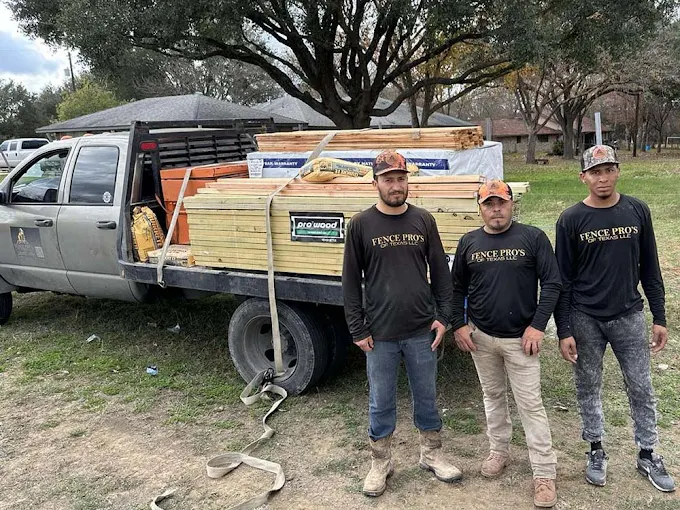
Fence Pros of Texas has deep experience with educational and community properties across North Texas, including Plano and surrounding cities. Our team understands the balance of security, code compliance, and community expectations — and we design with all three in mind.
About Fence Pros of Texas
Fence Pros of Texas is a locally focused fencing and gate contractor serving Plano and the greater North Texas region. Our team specializes in Commercial Fence Installation, access control, and custom solutions for schools, churches, HOAs, and community facilities. With years of experience in the DFW climate and soil conditions, we design and build systems that are secure, durable, and visually aligned with your campus. From perimeter planning to custom Estate Gates, we help property owners protect what matters most while presenting a professional, welcoming face to the community.