
How Often Should Commercial Fences Be Inspected
Commercial fencing and gates do more than mark boundaries. They support security, help control access, and protect property. If you manage a site in Plano, TX, you may be wondering how frequently inspections should happen and what to watch for before small issues turn into expensive repairs. This guide explains a practical inspection rhythm, what to check first, and how to plan maintenance for fencing and gates.
A few weeks after a busy weekend, a property manager in Plano, TX notices one gate doesn’t latch as smoothly as it used to. The fence line is still standing, but a couple sections look slightly misaligned, and there’s more “wiggle” when someone pushes at the bottom.
That’s a common moment where commercial fence maintenance gets delayed. The longer minor issues sit, the more likely they are to affect security, create safety hazards, or lead to faster wear at hinges, posts, and fasteners.
This article helps you set a realistic inspection schedule and gives you a clear checklist for spotting the early signs of trouble on commercial fences and gates, including common materials used across Texas properties.
- Quick answer
- What to check first
- Main things customers should understand
- Why this matters in Plano, TX
- Common mistakes to avoid
- Customer checklist
- Frequently asked questions
Quick Answer
For most commercial properties, inspect your fence and gates at least every 3 to 6 months, with a quick check after storms or high-wind days. If the site sees heavy foot traffic, frequent deliveries, or uses access-controlled gates, a quarterly inspection is a safer baseline. During inspections, focus on posts, hinges, latch points, ground clearance, and signs of rust, warping, or leaning. If anything looks “almost right,” schedule repairs early so the problem does not spread along the fence line. For commercial fence options, review commercial fencing from Fence Pros of Texas.
What to Check First
Start with the components that move, bear load, or fail first. On commercial fences and gates, that usually means gate hardware, post stability, and the fence sections closest to the ground. Walk the perimeter slowly and look for changes since the last inspection, not just brand-new damage.
Gate operation
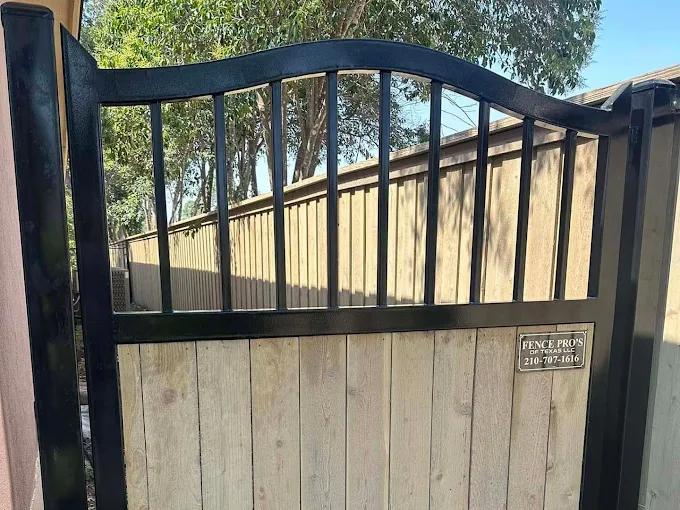
Check latch alignment, hinge wear, and whether the gate closes the same way every time. If it needs extra force or settles unevenly, inspect hardware and mounting points.
Post and base movement
Look for wobble, gaps around posts, leaning fence lines, and signs of movement near corners and high-stress areas like entrances.
Fasteners, rails, and mesh
Tighten or replace missing hardware. Watch for bent rails, loose pickets, or damaged sections in chain link fences and other mesh-style systems.
Main Things Customers Should Understand
Inspection frequency is not one-size-fits-all. The right schedule depends on how the fence is used, what material it’s made from, and how it’s exposed to weather and site activity. A commercial fence in a quiet office park will typically experience less strain than fencing around industrial areas, loading zones, or storage yards.
Professional observation: Most “sudden” gate and fence problems start as small alignment issues at hinges, latches, and post bases. Catching those early usually means simpler repairs than replacing a whole section later.
Material and wear patterns
Different fence types age differently. For example, metal components can show early wear at contact points and fasteners, while wood and mixed-material systems often reveal issues through warping, loosening, or surface deterioration. If your property uses aluminum fences, vinyl fences, wood fences, or wrought iron fences, the inspection targets may look similar, but the failure signs can differ.
Gate and access control demands
Gates get used more than fence sections, so they often need more attention. If you have access-controlled entry, the gate hardware and alignment matter even more. If you’re evaluating gate options, explore access control gates for guidance on how modern systems are typically planned and maintained.
Site activity and impact risk
Consider how deliveries, equipment, and foot traffic affect the perimeter. Areas where vehicles turn near fence lines or where trucks back up frequently tend to see faster loosening of posts and rails. If your site has high impact risk, increase inspection frequency beyond the baseline.
After weather events
Even when fencing looks “fine,” high winds and storms can shift alignment at the exact places that later cause latch or security issues. A quick check after major weather helps you catch problems before they become permanent.
| Commercial setup | Suggested inspection rhythm | What to prioritize |
|---|---|---|
| Office, retail, or low-impact perimeter fencing | Every 6 months + quick checks after storms | Gate latch alignment, visible section gaps, fasteners |
| Facilities with regular deliveries or higher foot traffic | Every 3 to 4 months | Post stability, rail or mesh tension, hinge wear |
| Industrial, storage, or high-impact entry points | Quarterly (or more often if you see movement) | Ground clearance, damage near corners, hardware mounting |
| Access-controlled gate systems | Quarterly baseline + hardware checks during each visit | Latch points, gate swing, alignment under use |
Why This Matters in Plano, TX
In Plano, TX, commercial properties often combine long fence runs with frequent daily use, which means small alignment changes can show up quickly at gates and entrance points. Seasonal swings can also contribute to how materials move and how hardware loosens over time. A practical inspection schedule helps you maintain security without waiting for a visible failure.
Local practical tip: If you manage a property with multiple entry points, treat gates as the “early warning system.” When a gate starts to drag, sag, or misalign, the fence line and posts nearby are often already shifting.
Keep commercial fencing in reliable working condition
If you want a maintenance plan that fits how your site in Plano runs, Fence Pros of Texas can help you identify what to inspect and what to repair. Start with your fencing and gate needs.
Contact Fence Pros of TexasCommon Mistakes to Avoid
Many commercial fence issues become bigger because of a few predictable patterns. Avoiding these common mistakes can reduce downtime and prevent unnecessary replacement of fence sections that are still structurally sound.
- Waiting for a complete failure: A gate that doesn’t latch cleanly is usually a sign of alignment or hardware wear that can worsen.
- Only inspecting the fence “face”: Posts, bases, and hinge mounting points are where stability problems often start.
- Ignoring ground clearance: If a fence section sits too low or a gate rubs at the bottom, impact and wear increase.
- Overlooking fasteners and connections: Missing or loose hardware can lead to a chain reaction along rails and fence lines.
- Forgetting gate-specific checks: Hinges, latches, and hinges under load deserve separate attention from the rest of the perimeter.
Customer Checklist
Use this quick checklist during your inspection rounds. It’s designed for practical, on-site review of commercial fences and gates, so you can document what needs attention before it becomes a larger repair.
- Gate closes fully and latches without extra force
- Hinges and latch points show no excessive wear or looseness
- No visible leaning, sagging, or shifting fence sections
- Posts appear stable at the base and at corners or high-stress points
- No missing, bent, or loose fasteners along rails and panels
- Fence material is intact with no torn, broken, or severely damaged sections
- Ground clearance looks consistent, especially at entrances
- Any access-control components (if used) appear properly aligned and secure
Representative scenario: an entrance gate that starts “almost” failing
Imagine a small commercial site in Plano, TX where the gate still closes, but it needs a second push to line up with the latch. During a routine inspection, the property manager notices the hinge side has a slight gap at the mounting point and the bottom edge is rubbing more than before. Instead of waiting for a full latch failure, they schedule repairs focused on hinge alignment and fasteners at the gate and the nearest fence posts. Addressing it early helps keep the entrance secure and reduces the chance of needing a full gate replacement.
Frequently Asked Questions
How often should we inspect a commercial fence if it’s rarely used?
If your fence line is not under heavy daily activity, a common baseline is inspecting it every 6 months, plus a quick check after storms or high-wind days. Even on quieter properties, gates and entrance hardware are still used by maintenance staff, deliveries, or occasional visitors, so they can develop alignment and latch issues before the rest of the fence shows noticeable wear. During each visit, focus on gate operation, post stability, and hardware connections so you catch small problems early.
What signs mean the gate needs repair instead of just tightening?
Consider repair work rather than only tightening if the gate alignment has changed, the gate sags, or the latch point no longer lines up consistently. If hinges show visible wear, mounting points feel loose, or the gate rubs at the ground more than before, that usually indicates movement at the post or hardware connections. In those cases, tightening alone may not solve the underlying shift. A targeted inspection of hinge and latch locations helps determine whether the issue is hardware, alignment, or post stability.
Does inspection frequency change for chain link fences and aluminum fences?
The baseline schedule often stays similar, but the “what to watch” changes. With chain link fences, check for tension changes, broken wire or damaged mesh, and loose connections. With aluminum fences, focus on fasteners, rail connections, and any signs of shifting at posts and gate hardware. If your site has higher impact risk or access-controlled gate use, you may want to inspect more frequently, regardless of material. When in doubt, follow a quarterly rhythm for gates and high-stress entrance points.
What should we inspect after a storm?
After storms, do a quick perimeter pass and prioritize the parts most likely to shift: gate operation, hinge and latch points, and post stability near corners and entrances. Look for leaning sections, new gaps, and any fence material that appears stretched, bent, or displaced. Even if the fence looks “mostly fine,” small changes can affect security and cause faster wear on hardware. If you notice movement, plan repairs promptly so the fence line stays aligned and secure.
Can maintenance include related services like gate and railing work?
Yes. Commercial fence maintenance often overlaps with other perimeter and access components, including gates, railings, and adjacent metal work. If your site uses additional metal features, it helps to coordinate inspections so repairs don’t get scattered over time. Fence Pros of Texas also supports related contractor services such as railings and other site improvements. Keeping the perimeter system aligned can reduce future issues at connection points.
Get a practical review for your commercial fence and gates
If your inspection checklist is turning up the same issues at the same entrances, it’s usually a sign that repairs should be planned, not postponed. Fence Pros of Texas serves Plano, TX and surrounding areas and can help you evaluate fence and gate condition so your perimeter stays secure and reliable.
Call Fence Pros of Texas
Fence Pros of Texas
Fence Pros of Texas provides fence and gate solutions for commercial properties across Plano, TX and surrounding areas. From inspection-focused maintenance planning to fence repair and replacement, our goal is to help property managers keep perimeter systems aligned, functional, and secure. If your site needs attention, explore commercial gates or review farm fencing when your property includes broader perimeter needs.
Recommended next step: Use the checklist above, then contact Fence Pros of Texas at (210) 707-1616 to discuss what you’re seeing on your fence and gates.