
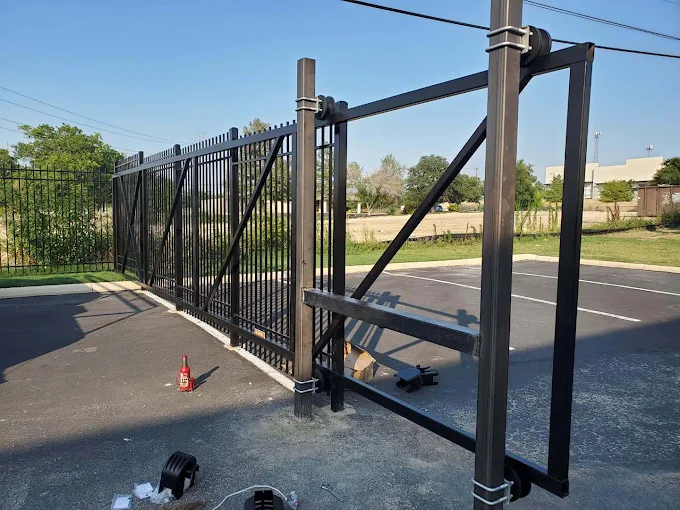
If your fence line in Plano is getting harder to keep tight, you are not alone. This guide walks you through the checkpoints that typically prevent wobbly posts, sagging gates, and premature rust across common materials like chain link, aluminum, vinyl, wood, wrought iron, and mixed systems.
A property manager in Plano notices it after a windy week: a gate that used to swing smoothly now drags. The latch still catches, but the gap looks slightly wider than last season.
That is usually the moment when small issues start stacking up. This guide helps you spot early warning signs, understand what to check first, and follow a simple maintenance routine that reduces the chances of a fence failure becoming a safety or security problem.
- Quick answer
- What to check first
- Main things customers should understand
- Why this matters in Plano, TX
- Common mistakes to avoid
- Customer checklist
- Frequently asked questions
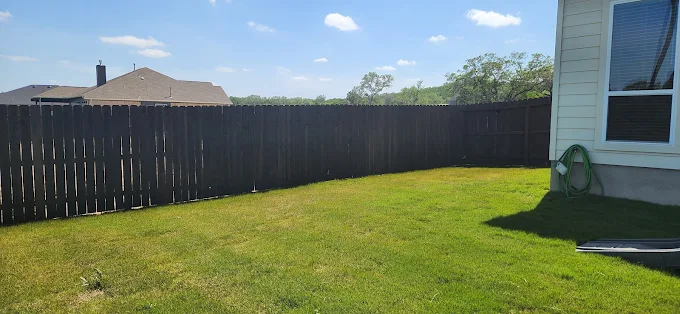
Quick Answer
To prevent fence and gate failures, focus on the “support system” first: posts, hinges, latches, and the connection points where movement starts. Do a quick walk-through for leaning sections, loose hardware, and gates that do not close squarely. Then inspect the fence fabric and pickets for damage that can loosen the structure over time. A practical next step is to schedule periodic maintenance for commercial fence lines in Plano so problems are corrected before they require full fence replacement.
What to Check First
Start at the ends and the openings. If a fence section is going to fail, it is often because the posts or the gate hardware can no longer handle stress. Spend your first inspection time on the areas that move most: corners, gate posts, and the transition points where fence types meet.
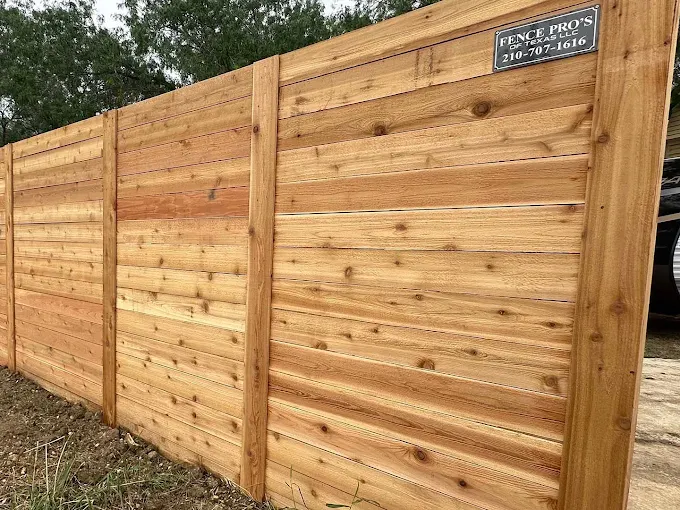
1) Posts and bases
Look for gaps between the post and surrounding material, signs of looseness, and any section that looks slightly out of alignment. Even a small lean can turn into a bigger shift after repeated load.
2) Hinges and latches
Check that hinges are tight, that the latch aligns consistently, and that there is no unusual binding. A gate that drags often means the frame is racking or the hinges are loosening.
3) Fence fabric and pickets
Identify stretched, bent, or broken sections. Damaged fence material can reduce tension or allow access, which then increases wear on the support structure.
Professional observation: In commercial settings, the fastest path to failure is usually a small movement at a post or gate that keeps repeating. When the gate or fence cannot “sit” squarely, every day of use adds stress to the hardware and mounting points.
Main Things Customers Should Understand
Different materials fail in different ways, but the causes often repeat: corrosion, loose connections, and tension or alignment that drifts over time. Knowing what to watch for can help you plan maintenance around the parts most likely to need attention.
| Fence or gate type | What commonly goes first | Practical maintenance focus |
|---|---|---|
| Chain Link Fences | Damaged mesh, stretched areas, and tension loss around posts | Inspect for bent sections, check tension at top rails and end posts, and address localized damage before it spreads. |
| Aluminum Fences | Loose mounting points and alignment issues at gates | Confirm hardware is tight, verify gates close squarely, and watch for movement at corners and openings. |
| Vinyl Fences | Posts and rails shifting, plus broken or warped sections | Look for wobble at post connections and replace damaged sections early to avoid stressing adjacent components. |
| Wood Fences | Rot at ground contact points and loosening boards | Check bottom rails and post areas, keep vegetation away from fence lines, and repair before boards lose structural support. |
| Wrought Iron Fences | Coating wear leading to corrosion at stress points | Inspect weld areas, rails, and gate hardware for early surface damage and address coating issues promptly. |
| Corrugated Metal Fences | Fastener loosening and misalignment | Check fasteners and framing, and make sure the panel system remains straight to reduce repeated stress. |
| Mixed Material Fences | Different expansion and movement at transitions | Pay extra attention to where materials meet, because connection points can become the weak link. |
| Glass Fences | Framing hardware and alignment at mounting points | Inspect mounting points and verify the gate and panel systems remain aligned for smooth operation. |
Why This Matters in Plano, TX
In Plano, commercial fence lines are exposed to day-to-day use, weather swings, and wind-driven stress that can exaggerate small alignment problems. When a gate or fence section is frequently “worked” by traffic, forklifts, or deliveries, the hardware wears faster than most people expect.
Local maintenance tip: After heavy wind periods, do a quick visual check for gate sag, fence section waviness, and any post that looks slightly more tilted than before. Catching the first signs in Plano can prevent a loose connection from turning into a larger replacement job later.
Common Mistakes to Avoid
Even well-intentioned maintenance can fall short if it skips the areas that control stability. These are the mistakes that most often lead to repeat repairs or shortened fence life on commercial properties.
- Only fixing the visible damage without checking the post, rail, or hardware connection behind it.
- Ignoring gate alignment until the latch no longer catches. A gate that drags usually means the frame is shifting.
- Tightening hardware once and walking away instead of confirming the fence line sits straight and square.
- Delaying repairs to “see if it holds.” Small movement can compound quickly under regular commercial use.
- Using the wrong approach for the material, especially at mixed-material transitions where movement patterns differ.
Customer Checklist
Use this routine to keep commercial fence and gate systems reliable. It is designed for a practical maintenance cadence: quick checks you can do regularly, plus deeper inspection items that prevent failures.
- Walk the perimeter and note any leaning posts, uneven fence sections, or gaps that look new.
- Test each gate: open and close smoothly, and confirm it returns to the same alignment every time.
- Inspect hinges and latches for looseness, misalignment, and signs of stress around mounting points.
- Check connections at corners and transitions between materials for looseness or movement.
- Look for broken or bent sections in the fence fabric or pickets and repair before surrounding sections loosen.
- Verify tension and straightness for chain link and similar systems where sagging can start at the end posts.
Practical recommendation: If you manage multiple sites or a long fence line in Plano, keep a simple log of what you check and what you find. Patterns usually show up fast, especially around gates, corners, and high-traffic entrances.
Representative scenario
At a commercial property in Plano, a chain link fence line connects to a swing gate used for frequent deliveries. After a few weeks, the gate starts closing slightly off-center. The maintenance team replaces one bent section of mesh, but the latch still requires extra force.
The root cause is not the mesh. The gate post and hinge hardware are slowly shifting, which changes the gate’s alignment. Once the hinges, latch alignment, and the gate mounting points are corrected, the fence line holds straighter, the latch catches consistently, and the repaired mesh stops being stressed by constant gate movement.
Frequently Asked Questions
How often should a commercial fence be inspected in Plano?
For most commercial properties, a practical approach is to do quick visual checks regularly and a more thorough walk-through periodically. Focus on changes: new leaning, gate sag, loose hardware, and damaged sections that can spread. If you notice any gate binding or shifting alignment, inspect sooner rather than waiting for the next scheduled maintenance window. Regular checks are a simple way to catch movement early, before it turns into a bigger repair or fence replacement need.
What is the first sign a gate problem will turn into a failure?
The first sign is often alignment. If a gate begins to drag, closes at an angle, or the latch requires extra effort to catch, the frame and hardware are likely shifting. That movement increases stress on hinges, brackets, and mounting points every time the gate is used. Addressing alignment early typically prevents repeated wear and reduces the chance of a more serious failure that could affect security or access.
Should I repair damaged fence sections immediately or wait?
If a fence section is broken, bent, or has loosened connections, repairing sooner is usually the better choice. Damage can reduce tension or structural support, which then puts extra strain on nearby posts and rails. In commercial use, that extra strain tends to accelerate wear. A short repair can prevent a longer chain reaction that ends with multiple sections needing replacement.
Does material choice change how I should maintain a fence?
Yes. Chain link fences often need attention to tension and end-post connections, while wood fences may require extra focus on bottom rails and ground-contact areas. Aluminum and wrought iron systems typically rely on hardware tightness and protecting coating integrity at stress points. Vinyl and mixed material fences can show movement at transitions where components behave differently. A maintenance plan that matches the material and the connection points is the most reliable way to prevent failures.
Where do failures usually start on long commercial fence lines?
Failures commonly start at corners, ends, and openings. Those locations carry more stress because they act like “anchors” for the fence line or because gates concentrate movement. Another frequent starting point is the connection between different fence sections or materials, where alignment can drift. That is why a quick perimeter walk that emphasizes posts, hardware, and transitions often finds issues before they become emergencies.
Keep your fence line dependable in Plano
If you are seeing gate drag, loose sections, or alignment changes, Fence Pros of Texas can help you identify the real cause and plan the right repair path for your fence and gates.
Contact Fence Pros of TexasRelated services to consider
If your maintenance plan includes repairs, upgrades, or new installs, these service pages can help you match your situation to the right fence or gate system.
- Commercial fencing maintenance and repair support
- Access control for gate systems
- Commercial gate options
- Staining services for fence components
Ready for a practical maintenance plan?
For commercial fence and gate upkeep in Plano, TX, call Fence Pros of Texas at (210) 707-1616 or reach out through our website.
Get in touch
Fence Pros of Texas
Fence Pros of Texas provides fence and gate solutions for customers in Plano, TX and surrounding areas, supporting both residential and commercial needs. From fence repair and maintenance to gate-focused access and alignment issues, our goal is to help you maintain secure, dependable fence lines that hold up to everyday use. If you are working through aluminum fences, chain link fences, vinyl fences, wood fences, wrought iron fences, corrugated metal fences, mixed material fences, or glass fences, we can help you map your next steps based on what you are seeing on site.
Service area: Plano, TX & surrounding areas