
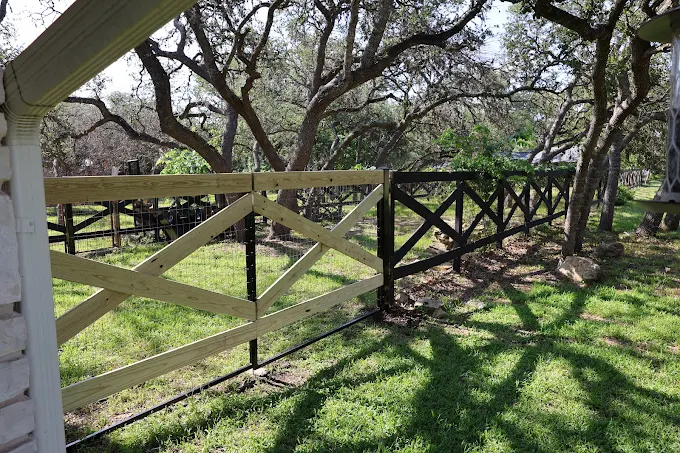
Residential Fencing That Frames Outdoor Living Spaces
A lot of Plano homeowners tell us the same story: the backyard looked perfect when the fence was new, but after a couple of summers and a few strong wind days, the pickets loosen, the rails sag, and privacy becomes hit-or-miss. Then outdoor living—dining, grilling, pool time—starts feeling exposed.
In North Texas, a residential fence has to do more than “look nice.” It needs to resist heat-driven material movement, handle seasonal soil shifts, and stay straight when the wind comes through. The good news is that with the right layout, post support, and material choice, a fence can frame your outdoor space for years instead of seasons.
Quick Answer
For outdoor-living privacy and curb appeal, the best residential fencing approach usually comes down to three things:
- Proper post depth and footing support (so the fence doesn’t lean or rack)
- Drainage and bracing (so water doesn’t weaken the posts or rails)
- Material selection matched to Texas conditions (wood, vinyl, aluminum, wrought iron, or mixed systems)
If you’re dealing with sagging sections, gaps, or a fence that’s pulling away from the ground, it’s often not just a cosmetic issue—it’s usually a structural installation problem that needs attention.
What Property Owners Often Overlook
We spend a lot of time troubleshooting “mystery movement.” A fence might not look damaged from the street, but once you walk the line, you’ll find:
- posts that sit slightly higher on one end of a panel
- rails that aren’t level across the run
- fasteners that loosen because the wood wasn’t sealed correctly or the rail system wasn’t installed as designed
One of the most common oversights we see in residential projects is focusing on the visible style while underestimating what’s happening underneath. In many Plano backyards, fences begin to lean after a combination of shallow post depth, inadequate bracing, and drainage that directs water toward the fence line. The fence doesn’t fail all at once—it “tips” gradually until the panels start doing the work the posts should’ve been doing from day one.
What We Commonly See in North Texas Fence Installations
Here’s a realistic scenario we’ve handled more than once: a homeowner in a newer Plano neighborhood wants privacy for a covered patio. The original fence was installed a few years ago, and now they’re seeing:
- a line of fence boards that bowed inward
- a gate that doesn’t latch smoothly anymore
- sections that look “wavy” rather than straight
When we inspect these systems, the pattern is usually consistent:
- Posts near transitions (where the yard slopes or the ground changes texture) are under-supported.
- Gate areas are loaded differently than regular fence runs, and if bracing wasn’t designed for that load, the gate frame starts to rack.
- Rail alignment during installation impacts everything—if rails aren’t true, you’ll fight the fence forever.
We also see a lot of material-specific issues:
- Wood: warping and loosening after heat cycling when sealing and fastener choices weren’t right for our climate.
- Vinyl: panels can appear fine at first, but without proper support and spacing for expansion, they can look uneven over time.
- Aluminum/wrought iron: strength is excellent, but poor anchoring or misaligned bases can lead to cosmetic shifting and latch problems.
If you want a deeper look at how we approach residential layouts, start with residential fencing solutions and the design factors that affect long-term performance.
Why Some Fence Systems Fail Early
Most early failures in North Texas come down to a few recurring mechanical problems:
1) Post depth and soil support
Fence posts need more than “set it and forget it.” The depth and support method should match soil conditions and local grading. Shallow posts are more likely to shift during wet/dry cycles and temperature swings.
2) Water management
Even good hardware can’t stop erosion. If water is funneled toward the fence line—by downspouts, sprinkler patterns, or grading—posts lose stability and rails begin to sag.
3) Bracing and panel geometry
A fence is a system. If the bracing plan doesn’t match the fence’s length, height, and gate loads, sections start to rack. This is especially noticeable in privacy fence runs and gate openings.
4) Fasteners and sealing (for wood)
In Texas heat, wood expands and contracts. If the sealing process and fastener selection aren’t appropriate, the top and bottom rails can loosen over time—often before homeowners realize the structural issue is happening.
Mistakes That Reduce Fence Lifespan
Below are the “small” mistakes we see that create big problems later.
Common mistake property owners make
Trying to fix fence movement by replacing boards without addressing the underlying post and drainage issues.
For example, if a fence is leaning because the posts shifted, replacing a few boards can make it look better briefly—but the fence continues to rack. Eventually, the gate alignment gets affected too, and you end up with a larger repair (or replacement) than if the issue had been corrected early.
Other frequent mistakes:
- Ignoring gate hardware requirements (gates need proper support, not just the same post spacing as fence runs)
- No plan for expansion gaps on vinyl systems
- Skipping a layout check before installing rails and panels (out-of-square lines create uneven tension)
- Relying on surface-level grading that directs water toward the fence
Installation, Repair, and Maintenance Guidance (What Actually Helps)
Whether you’re building new or correcting a fence that’s drifting, this is the practical process we recommend for homeowners planning their next steps.
Maintenance and planning checklist
Use this before your next rainstorm, remodel, or seasonal adjustment:
- Walk your fence line after storms and check for:
- gaps widening between pickets/panels
- rails that aren’t straight
- posts that look “tilted” or sit lower than neighbors
- Test gate function:
- if it drags, doesn’t latch, or swings unevenly, inspect hinges and post alignment
- Look at water sources:
- downspouts, sprinklers, grading, and runoff paths that feed the fence line
- Inspect fasteners and joints:
- loose screws/nails
- cracked wood at rail connections
- Plan seasonal touch-ups:
- wood sealing where needed
- tightening hardware on gates/rail connections
Fence maintenance by material (quick guide)
- Wood fences: keep an eye on sealing and rail joints; recoat where weathering shows early.
- Vinyl fences: don’t force panels tight—allow for expansion; confirm posts and caps are properly aligned.
- Aluminum/wrought iron fences: inspect for movement at bases and check gate latch alignment.
- Chain link: watch for tension changes and post stability, especially near corners and gates.
If you’re dealing with an aging system and want a structured approach to repairs and upgrades, you may also want to review staining services—especially if wood is part of your current fence plan.
Aluminum, Vinyl, Wood, Wrought Iron, and Chain Link: How to Choose for Outdoor Living
Your backyard use matters. A fence that works for a garden corner won’t always work for pool safety or a high-traffic entertaining area.
Here’s a straightforward way to think about it:
| Material | Best for | What to watch in North Texas |
|---|---|---|
| Wood | Classic privacy and warmth | Sealing schedule, warping, rail loosening |
| Vinyl | Low-maintenance privacy | Expansion/spacing, panel support |
| Aluminum | Decorative security with visibility | Base anchoring and gate alignment |
| Wrought iron | Strong security and elegant curb appeal | Powder-coat care and rust prevention at damage points |
| Chain link | Practical security, airflow, budget-conscious options | Tensioning, post stability near gates |
For many Plano homeowners, the “best” setup is also the most practical: privacy where you need it most (patio and backyard line), and decorative or security-focused fencing where you want a cleaner view of the home.
If you’re planning a gate that matches your privacy goals, don’t treat it as an afterthought. Gates are where structural design shows up first.
For help selecting and building gates that fit your property, see residential gates and how we plan gate loads and latch placement.
Plano and North Texas Relevance: Why Weather and Soil Matter
Plano’s outdoor lifestyle is built around long seasons, and that means your fence sees more heat cycles and more irrigation than people realize. In North Texas, the combination of:
- hot summers,
- periodic heavy rain,
- and soil movement from wet/dry changes
can shift fence lines over time if posts aren’t installed with the right depth and the grading doesn’t direct water away from the fence.
We also see backyard landscapes evolve—new landscaping beds, patio extensions, sprinkler changes—often after the fence is already in place. Those updates can unintentionally push water toward posts or change how the ground settles. That’s why we recommend reviewing drainage and grading as part of fence planning, not as a “later fix.”
A Real Project Example (Anonymized)
A few months ago, we worked with a homeowner who wanted to keep their outdoor living space private without losing the open feel of their yard. Their existing fence had started to sag in two sections, and the gate no longer latched consistently.
What we found during the assessment:
- the posts near the gate opening were under-supported compared to the fence run
- water from a nearby downspout was hitting the fence line after rain
- the gate frame was slightly out of square, which accelerated hinge stress
Our solution focused on more than swapping a few boards:
- we corrected post support where stability was failing
- adjusted drainage so runoff moved away from the fence line
- re-aligned the gate for smoother latch performance and reduced hardware strain
The homeowner’s feedback after completion was simple: “It looks right again—but more importantly, it feels solid when we use it.”
That’s the difference between a cosmetic fence fix and a structural correction.
Fence Repair vs Replacement: When to Call It Early
If your fence is showing any of the signs below, it’s worth getting a professional assessment before the problem spreads:
Signs Your Fence Needs Repair
- multiple posts leaning in the same direction
- rails separating or sagging between posts
- gates that drag, sag, or won’t latch
- visible gaps forming at the ground line
- fence panels that are “wavy” instead of straight
Key Takeaway
If the fence movement is structural (posts/footings), repairs that only replace boards often don’t last. A targeted fix—post support, drainage correction, and alignment—typically gives a better long-term outcome.
If your goal includes improved access control and smoother day-to-day entry, we can also help you plan for access control systems—especially when your property needs more than a basic latch.
Our Experience: Metal Fence Installation and Gate Systems That Hold Up
Metal fencing can be a strong choice for homeowners who want a cleaner look with reliable security. Aluminum fences and wrought iron systems often provide excellent durability, but the install still has to be engineered for real-world loading—especially at corners and gate openings.
We regularly see that metal fences perform best when:
- posts are anchored correctly for the soil conditions,
- gate hardware is matched to the gate’s weight and size,
- and the layout is checked for straightness and alignment before final fastening.
For homeowners who want a mix of privacy and visibility, we also plan around how people actually move through the space—where you want sightlines, where you want privacy, and how gates affect daily use. If you’re comparing options or thinking about upgrades, you’ll also want to review the practical details behind railing installations when your property includes steps, balconies, or outdoor transitions.
Quick Recommendation
For outdoor living spaces, we recommend choosing a fence design based on how you use the yard:
- If you need privacy and wind resistance: privacy-focused wood or vinyl systems with correct post support and bracing.
- If you want decorative curb appeal with security: aluminum or wrought iron with properly engineered bases and aligned gates.
- If you need practical perimeter control: chain link where appropriate, paired with privacy additions or mixed-material planning.
No matter the material, the recommendation is the same: prioritize structural installation details—post depth, drainage, and gate alignment—because that’s what determines whether your fence will stay straight.
FAQ
What fence material lasts longest in Texas?
In North Texas conditions, longevity depends on installation quality and how the material fits the property’s drainage and soil. Generally, aluminum and wrought iron tend to resist heat-related deterioration better than untreated wood, while vinyl can stay attractive with correct support and spacing. Wood can last a long time too, but it requires sealing and attention to rail joints and fasteners.
How deep should fence posts be installed in Plano?
There isn’t a one-size-fits-all depth because soil conditions and fence height matter. But shallow posts are one of the most common reasons fences lean early. A proper install accounts for local ground conditions, fence load, and whether the line includes corners or gates.
Is automatic gate installation worth it for a residential property?
For many homeowners, it’s worth it when you want smoother daily entry and added security—especially if you have frequent vehicle access. Automatic systems also reduce wear on hinges when they’re installed with the right gate hardware and alignment. The key is planning the gate structure and access pathway so the system operates reliably.
Should I repair or replace an aging fence?
If the fence is sagging due to post movement or the gate is misaligned, replacement or a structural repair is usually more cost-effective than repeatedly swapping boards. If only small sections are affected and posts remain stable, targeted repairs can work well.
Ready to Improve Your Property’s Security and Appearance?
If your fence is starting to lean, sag, or lose privacy, don’t wait until the gate becomes the weak link. In North Texas, the fastest path to a fence that stays straight is usually the one that corrects the underlying installation details—post support, drainage, and alignment.
About Fence Pros of Texas
Fence Pros of Texas provides residential fencing, commercial fencing, automatic gates, access control systems, railings, staining, and custom fence installations throughout Plano, TX and surrounding North Texas communities. We focus on durable craftsmanship, long-term property security, curb appeal, and helping homeowners and businesses improve privacy and protection through professional fencing and gate solutions.