
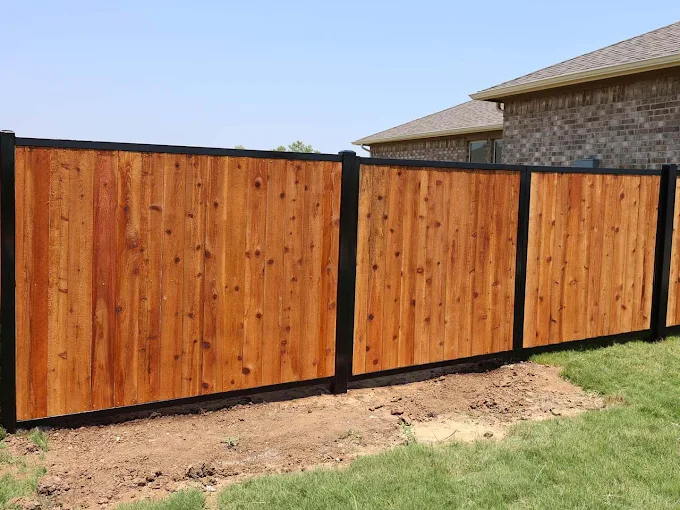
Fence Staining Tips for Long Lasting Color Protection
North Texas sun can turn a rich cedar fence into a gray, tired-looking barrier in just a few seasons. In Plano, where summer UV levels regularly hit “extreme” on the index and we see 230+ sunny days a year, unprotected wood simply doesn’t stand a chance. Add in our spring storms, temperature swings, and irrigation overspray, and even a brand-new fence can start fading or warping faster than most homeowners expect.
For businesses and homeowners across Plano and the greater DFW area, your fence is more than a boundary line—it’s curb appeal, privacy, and security all in one. A well-stained fence can last years longer, keep its color, and protect your investment, whether you’ve chosen classic cedar, a mixed-material design, or a fence surrounding your pool, garden, or commercial property.
This guide walks through practical, field-tested staining tips Fence Pros of Texas uses every day. You’ll learn how to prep your fence the right way, choose the best stain for our Texas climate, apply it for maximum protection, and maintain that color for the long haul—without wasting money or time on shortcuts that don’t hold up.
Key Insight: Long-lasting fence color in Plano isn’t about one “magic” product—it’s about the right prep, the right stain, and a realistic maintenance plan tailored to North Texas weather.
Why Plano Fences Fade Faster (and How Stain Fights Back)
In Collin County, UV exposure is the number one enemy of fence color. The combination of high UV index, heat, and low humidity for long stretches of the year causes wood fibers to break down and natural oils to evaporate. That’s why an unstained cedar fence can start graying in as little as 3–6 months.
Beyond UV, Plano fences face:
- Irrigation overspray that leads to water stains and mildew
- Soil movement and shifting posts from clay-heavy soils
- Strong winds that drive dust and debris into the wood surface
- Occasional freezes that expand moisture trapped in boards
Stain acts like sunscreen and moisturizer for your fence. Quality oil-based products soak into the wood, replacing lost oils and adding pigments that block UV rays. That means better color retention, less cracking, and slower aging.
“Think of stain as a protective system, not just a color change.” — Field Supervisor, Fence Pros of Texas
Local Example: A Plano Backyard Fence
A homeowner near Legacy West installed a new cedar privacy fence and skipped staining the first year to “let it weather.” Within eight months, the side facing the sun had turned gray and felt rough to the touch. We cleaned, brightened, and stained it with a high-quality semi-transparent product. Two years later, after basic maintenance, the fence still holds a warm, even tone instead of that washed-out, gray look.
Proper staining complements any type of fence around your property. Even if you’ve got Wood Fence Installation paired with metal or masonry, protecting the wood portions keeps the whole design looking sharp.
Proper Preparation: The Step Most Homeowners Underestimate
The difference between a stain job that lasts one year and one that lasts five often comes down to how well the fence was prepped. Plano dust, mold, sprinkler residue, and mill glaze on new boards can all keep stain from penetrating. If the stain sits on top instead of soaking in, it will peel, streak, and fade quickly.
Essential Prep Steps for North Texas Fences
For existing fences:
- Inspection: Look for rotten boards, loose fasteners, and warped pickets. Address repairs first. If you’re dealing with serious damage, consider whether Fence Repair or Fence Replacement will be more cost-effective.
- Cleaning: Use a low-pressure wash with a wood-safe cleaner to remove mildew, dirt, and old failed stain. Avoid high pressure that can “fuzz” the wood.
- Brightening: Apply a wood brightener to neutralize the cleaner and open the pores of the wood. This step evens out color and improves stain absorption.
- Drying Time: Let the fence dry 24–48 hours (longer if we’ve had rain or high humidity).
For new fences:
- Allow the wood to dry from its factory moisture content.
- Perform a “water test”: sprinkle water on the surface. If it beads heavily, wait a bit longer; if it absorbs, it’s ready for stain.
“Most failed stain jobs we see in Plano trace back to one issue: the wood wasn’t properly cleaned and dried before application.” — Project Manager, Fence Pros of Texas
Case Study: Commercial Fence on a Plano Office Park
A Plano office park had a long cedar perimeter fence that was stained only two years earlier—but it was already blotchy and flaking. We discovered that the prior contractor stained over mildew and sprinkler residue. Our team stripped the failed stain, cleaned, brightened, and restained it using a professional-grade product. The property manager reported far fewer touch-ups and a much more consistent appearance the following seasons.
Choosing the Right Stain Type and Color for Texas Sun
Not all stains perform the same under our Plano sun. The type of stain and even the color you choose will impact how long your fence looks good and how often you’ll need maintenance.
Stain Types and Performance
| Stain Type | Appearance | UV Protection | Typical Maintenance in Plano | Best Use Cases |
|---|---|---|---|---|
| Transparent | Shows full grain | Low | 1–2 years | Decorative accents, low-sun areas |
| Semi-Transparent | Visible grain, rich | Medium-High | 2–4 years | Most residential privacy fences |
| Semi-Solid | Minimal grain visible | High | 3–5 years | High-sun exposure, older fences |
| Solid (opaque) | Paint-like coverage | Very High | 4–6 years | Older fences with imperfections |
In Plano, semi-transparent and semi-solid stains typically offer the best balance of beauty and durability. They provide enough pigment to block UV rays but still allow the natural wood character to show.
Color Choices Matter
Darker stains generally provide better UV protection because they contain more pigment. However, they absorb more heat, which can slightly increase expansion and contraction. Medium browns and warm cedar tones tend to perform very well in our climate, offering both aesthetic appeal and strong protection.
For homes with Mixed Material Fences or modern designs that incorporate steel, masonry, or glass, we often recommend complementary color palettes—rich browns against black posts, or slightly gray-toned stains near contemporary Aluminum Fences or Wrought Iron Fences.
Local Example: HOA Requirements in Plano
In a Plano subdivision off Spring Creek Parkway, the HOA required consistent fence colors throughout the neighborhood. Homeowners had to choose from a pre-approved stain palette. We helped multiple residents select semi-transparent options that met HOA rules while still delivering strong UV resistance. Because the stain type and color were standardized, touch-ups and future maintenance now blend seamlessly from yard to yard.
Application Techniques That Make Stain Last Longer
Even the best stain won’t perform well if it’s applied incorrectly. In Plano’s climate, the way stain is applied can be the difference between a smooth, even finish and a blotchy, short-lived mess.
Timing and Weather Conditions
Ideal conditions for staining in Plano are:
- Temperatures between 50°F and 90°F
- Overcast or indirect sun
- No rain in the 24 hours before and after application
- Light wind to help drying but not enough to carry overspray
Staining in full Texas sun can cause stain to flash-dry on the surface before it penetrates, leaving lap marks and uneven color.
Tools and Techniques
Professionals typically use a combination of:
- Airless sprayers for even coverage
- Back-brushing or back-rolling to work stain into the wood
- Detail brushes for edges, corners, and around hardware
The key is applying enough product to saturate the wood without leaving heavy drips or puddles. On rough-cut cedar, that often means more stain than many DIYers expect.
“On older cedar in Plano, we often see the first coat disappear quickly—that’s the wood drinking in the protection it’s been missing.” — Lead Staining Technician, Fence Pros of Texas
Case Study: Plano Restaurant Patio Fence
A restaurant near Preston Road had a wood privacy fence around its patio. The owner tried a DIY stain job on a hot July afternoon. The result: lap marks, uneven color, and stain that peeled within a year. Our crew returned in the fall, stripped the failing stain, and applied a commercial-grade semi-solid stain in cooler, stable weather using professional equipment. The patio fence has held its rich color through multiple Texas summers and now matches the look of their Decorative Fence Installation and railings.
Maintenance Schedules: How Often to Restain in Plano
One of the most common questions we hear is: “How often do I really need to restain my fence?” The answer depends on exposure, stain type, and how well the fence was prepped and applied—but Plano’s climate demands a realistic plan.
Typical Maintenance Intervals (Plano Conditions)
| Fence Exposure & Type | Expected Restain Interval |
|---|---|
| Full sun, semi-transparent stain | 2–3 years |
| Partial shade, semi-transparent stain | 3–4 years |
| Full sun, semi-solid or solid stain | 3–5 years |
| Shaded areas, semi-solid or solid stain | 4–6 years |
| Older, weathered wood (any stain) | Shorter intervals at first |
Signs that it’s time to restain:
- Noticeable fading or loss of richness in color
- Dry, rough feel to the boards
- Water no longer beads on the surface
- Graying at the tops of pickets or on the sunniest side
Local Example: Farm and Acreage Fences
On rural properties around Plano and North Texas, we work on long runs of Farm Fencing that see full sun and constant exposure. Owners who follow a 2–3 year maintenance schedule for staining and sealing typically see their fences last significantly longer before boards need replacement, especially on high-visibility entries and around Estate Gates.
Integrating Staining with Your Overall Fence Strategy
Fence staining shouldn’t be an afterthought. It’s part of a complete plan that starts with choosing the right fence type and ends with long-term performance and appearance.
Matching Stain Strategy to Fence Type
- Cedar privacy fences: Benefit most from semi-transparent or semi-solid stains and regular maintenance.
- Decorative wood accents on Commercial Fence Installation: Often use richer tones and more durable products to match professional branding and withstand higher traffic.
- Wood combined with Metal Fence Installation: Stain can highlight the warmth of wood against steel, aluminum, or wrought iron while protecting the more vulnerable material in the system.
- Pool and garden areas: Stain products should resist moisture and be safe for use around landscaped spaces and Pool Fence Installation or Garden Fence Installation.
“Staining is where design and durability meet—especially when you’re mixing materials or tying in with custom gates and railings.” — Design Consultant, Fence Pros of Texas
Example: Coordinated Residential Project in Plano
A homeowner in East Plano upgraded to a new cedar privacy fence, a custom Residential Gate, and matching Railings on the front porch. We helped them select a stain color that complemented their brick, roof, and metal accents. By planning the stain strategy during the design phase, the finished project looked cohesive from day one—and the maintenance schedule is now coordinated across all wood elements.
Professional Staining vs. DIY: Cost, Time, and Results
Many Plano property owners consider doing their own staining to save money. Sometimes that makes sense; other times, the long-term cost of mistakes outweighs the savings.
Traditional DIY vs. Professional Staining
| Factor | DIY Staining | Professional Staining |
|---|---|---|
| Upfront Cost | Lower materials, higher time cost | Higher upfront, lower time and rework cost |
| Equipment | Brushes/rollers, rental sprayer | Commercial sprayers, cleaners, safety gear |
| Prep Quality | Varies widely | Consistent, process-driven |
| Finish Consistency | Can be uneven or streaky | Even coverage, matched color across large areas |
| Longevity | 1–3 years typical | 3–5+ years with proper products and prep |
| Warranty/Guarantee | None | Often includes workmanship warranty |
For small accent projects or short fence runs, DIY can work—especially if you’re willing to learn, invest in good products, and take your time. For large properties, commercial spaces, or high-visibility areas, professional staining from a team that understands Plano conditions usually delivers better value over the life of the fence.
Local Example: Access-Controlled Commercial Property
A Plano business park with Access Control systems and Commercial Gates had extensive wood screening and perimeter fencing. After a DIY attempt left overspray on metal components and uneven color around entry points, they brought in Fence Pros of Texas. Our crew masked the hardware, protected the access systems, and applied a durable stain designed for commercial use. The improved appearance supported the property’s professional image and reduced complaints from tenants.
What This Means for Businesses in Plano, TX
For Plano businesses, multi-family communities, and commercial property managers, fence staining is not just a cosmetic upgrade—it’s an asset protection strategy.
A faded, peeling fence around a retail center, office park, or industrial yard sends the wrong message to customers, tenants, and inspectors. Proper staining supports:
- Brand image: A consistent, well-maintained perimeter signals professionalism and care.
- Security and privacy: Healthy wood is less prone to cracking, warping, and structural failure around Security Fence Installation.
- Compliance: Many local codes and HOAs expect fences to be maintained, especially around pools, outdoor seating, and shared amenities.
- Long-term budgets: Investing in professional staining and scheduled Fence Maintenance reduces the frequency of full Fence Replacement projects.
Plano’s competitive business environment means first impressions matter. Whether you operate near Downtown Plano, along the Dallas North Tollway corridor, or in one of the many business parks across the city, your exterior spaces are part of your customer experience.
By pairing quality fencing—whether wood, Chain Link Fences, Aluminum Fences, or Wrought Iron Fences—with a smart staining and maintenance plan, you extend the life of your investment and keep your property looking sharp year after year.
Frequently Asked Questions
Q: How soon after a new fence is installed in Plano should I stain it?
A: For most new cedar or pine fences in Plano, we recommend staining 4–8 weeks after installation. That window allows the wood to dry from its initial moisture content so it can absorb stain properly, but it’s early enough to prevent significant UV damage from our strong Texas sun. The exact timing can vary depending on weather and how “green” the lumber was at installation. A simple test is to sprinkle water on the boards—if it soaks in instead of beading up, the wood is usually ready. If you’re planning a new Wood Fence Installation, talk to your contractor about a staining schedule up front.
Q: Will staining my fence help with warping and cracking, or is it just for color?
A: Stain absolutely does more than add color. Quality oil-based stains help replenish natural oils in the wood, slowing the drying and shrinking that can lead to warping and cracking—issues that are common in Plano’s hot, dry summers. While no product can stop wood movement entirely, a well-stained fence will typically stay straighter and more stable over time. This is especially important around gates and access points, where shifting boards can affect the performance of Residential Gates or Access Control systems.
Q: Can you stain over an old fence that’s already gray and weathered?
A: Yes, but it requires proper restoration first. In Plano, we often work with older fences that have turned gray from UV exposure. The process usually includes a thorough cleaning, sometimes light stripping of old failing stain, and a wood brightener to restore a more natural tone and open the pores. After that, a semi-transparent or semi-solid stain can dramatically improve appearance and add years of service. In some cases where boards are rotten or severely damaged, we may recommend targeted Fence Repair or partial replacement before staining.
Q: How do I choose between semi-transparent and solid stain for my Plano property?
A: It comes down to the condition of your fence, your aesthetic goals, and how much maintenance you’re willing to do. Semi-transparent stains highlight the natural grain and are great for newer fences, but they may need reapplication every 2–4 years in full sun. Solid stains provide the strongest UV protection and can hide imperfections on older fences, with longer intervals between applications—but they look more like paint and hide the grain. For many Plano homeowners and businesses, a semi-solid stain is a good middle ground. If you’re coordinating with Decorative Fence Installation or mixed materials, a professional can help match the right product to your design.
Q: Is there a best season to stain fences in Plano, TX?
A: Spring and fall are usually ideal in Plano because temperatures are moderate and we have fewer extreme heat days. That said, professional crews stain year-round when conditions are right—avoiding days with high winds, imminent rain, or surface temperatures that are too hot. Summer staining can work if done in the morning or late afternoon and in shaded conditions. Winter staining is possible during mild spells, as long as temperatures stay within the stain manufacturer’s recommended range. Planning ahead is important, especially if you’re also scheduling Commercial Fence Installation or related exterior projects.
Q: Will stain protect my fence from sprinklers and irrigation overspray?
A: Stain helps, but it’s not a complete shield. In Plano, sprinkler systems are a common cause of premature fence wear, leading to water stains, mildew, and rot at the base of boards. A good stain and sealer will slow water absorption and make it easier for the wood to dry out, but constant overspray will still shorten the fence’s life. We recommend adjusting sprinkler heads to avoid direct hits on the fence whenever possible. For high-value areas, like around Pool Fence Installation or Estate Gates, combining proper irrigation design with quality staining delivers the best long-term results.
Q: Can all fence types be stained, or just wood?
A: Staining is primarily for wood, but it often plays a role in mixed-material solutions. For example, a project might pair stained cedar with Vinyl Fences, Corrugated Metal Fences, or Glass Fences to achieve both privacy and a modern aesthetic. The non-wood components won’t be stained, but the wood portions still need protection to keep the overall system looking unified. If you’re considering a complex design around your Plano home or business, a contractor familiar with Custom Fence Design can help plan how stain will fit into the finished project.
Ready to Get Started?
North Texas weather won’t wait, and neither should your fence. Every season your wood sits unstained or underprotected, UV and moisture are quietly shortening its life and dulling its appearance. Whether you’ve just installed a beautiful new cedar fence in Plano or you’re trying to breathe new life into an older boundary, the right staining plan can add years of service and maintain the look you invested in.
Fence Pros of Texas offers professional Fence Maintenance and staining services tailored to Plano’s climate, local codes, and neighborhood expectations. Our team can inspect your fence, recommend the right products, and schedule work during optimal weather windows—so you’re not gambling on guesswork or weekend availability.
If you’re planning new fencing, gates, or access control, we can integrate staining into your overall project so everything is coordinated from day one. Reach out today to schedule a consultation, review options, and lock in a spot on our calendar before the next round of Texas heat or storms rolls through.
About Fence Pros of Texas
Fence Pros of Texas is a locally focused fencing and staining contractor serving Plano and the greater North Texas area. Our team brings years of hands-on experience with residential and commercial projects, from simple backyard privacy fences to complex Commercial Gates, Estate Gates, and access-controlled perimeters. We follow industry best practices for installation, staining, and long-term maintenance, always with an eye on the specific demands of our Texas climate. Learn more about our services and see how we can protect and enhance your property.