
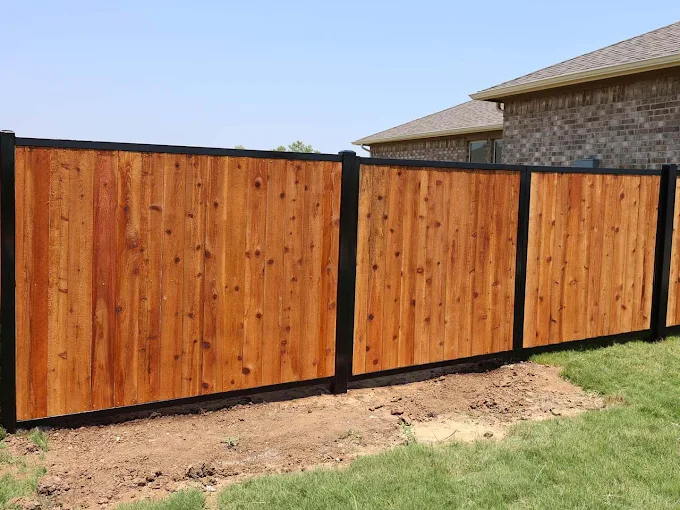
Why Fence Staining Matters for Longevity
North Texas weather is tough on fences. One season your fence is baking in 100° heat, the next it’s getting hammered by storms, wind, and the occasional ice event. In Plano and the surrounding DFW area, that mix of intense UV, humidity, and temperature swings can cut a wood fence’s life in half if it’s left unprotected.
Industry studies show that properly stained and maintained wood fences can last 40–60% longer than untreated ones. In a market where a full Wood Fence Installation can easily run into the thousands, that difference adds up fast—for homeowners, HOAs, and commercial property managers alike.
This article breaks down why fence staining matters so much for longevity, what’s unique about Plano’s climate, and how to maximize the life of your fence—whether it’s around a home, business, farm, or estate. You’ll also see real-world examples, cost comparisons, and practical tips to help you decide when to stain, how often, and what level of protection makes sense for your property.
Key Insight: Staining isn’t just about color—it’s about creating a protective system that shields your fence from UV, moisture, and everyday wear, turning a short-lived expense into a long-term investment.
How North Texas Weather Destroys Unprotected Fences
In milder climates, an untreated fence might limp along for a decade. In Plano, untreated wood can start graying, warping, and cracking in as little as one to two years. The reason is simple: UV + moisture + heat cycles.
What’s really happening to your fence
- UV radiation from the Texas sun breaks down lignin, the natural “glue” that holds wood fibers together. This leads to graying, surface erosion, and splintering.
- Moisture from rain, sprinklers, and humidity soaks into unprotected boards, causing swelling. When the wood dries, it shrinks. Over and over, this cycle leads to warping and checking (small cracks).
- Heat and temperature swings speed up all of the above, especially on south- and west-facing fences in Plano neighborhoods like Legacy West, Willow Bend, and near US-75.
“Unstained cedar or pine in North Texas often shows visible weathering in under 12 months.” — Regional Fence Industry Report
A local example
A Plano homeowner near Preston and Spring Creek installed a beautiful new cedar privacy fence. They decided to “let it weather naturally” and skip staining. Within 18 months:
- The boards had turned a dull gray
- Several pickets had cupped and warped away from the rails
- Gate alignment was off from movement in the wood
Their neighbor, who had their fence professionally stained within 30 days of installation, still had rich color and straight boards after the same period—despite sharing the same soil, sprinklers, and sun exposure.
CALLOUT: Unprotected wood in Plano isn’t just aging—it’s actively breaking down from the day it’s installed. Stain slows that process dramatically.
What Stain Actually Does: More Than Just Color
Many property owners think of stain as “paint for wood.” In reality, a professional-grade stain is a protective treatment system designed to repel moisture, block UV, and stabilize wood fibers.
The protective power of stain
A quality oil- or hybrid-based stain:
- Penetrates the wood fibers, filling microscopic pores so water can’t easily soak in
- Adds UV blockers and pigments that protect the surface from sun damage
- Reduces swelling and shrinking, which helps prevent warping and cracking
- Improves appearance by enhancing the natural grain and color
For fences around pools, patios, or outdoor living spaces—especially when paired with Decorative Fence Installation or railings—stain also plays a big role in curb appeal and perceived property value.
“Think of stain as sunscreen and moisturizer combined—for your fence instead of your skin.” — Fence Pros of Texas Team
Plano case: From eyesore to asset
A small office park off Plano Parkway had an aging, dull fence bordering its parking lot. The property manager considered a full Commercial Fence Installation, but the structure was still sound. After a professional cleaning and staining:
- The fence looked nearly new
- They postponed replacement by an estimated 5–7 years
- Tenants commented on the improved professional look of the property
For them, stain turned a looming capital expense into a manageable maintenance line item.
Comparing Stained vs. Unstained Fences Over Time
Property owners often ask, “Is staining really worth it?” Looking at lifespan and maintenance over time helps answer that clearly.
Longevity and cost comparison in Plano
Below is a simplified comparison for a typical 6-foot cedar privacy fence in Plano conditions over a 15-year period.
| Factor | Unstained Fence | Professionally Stained Fence |
|---|---|---|
| Initial appearance | Natural, bright wood | Enhanced, uniform color |
| Visible graying | 6–12 months | 3–5 years (with maintenance) |
| Average usable lifespan | 8–10 years | 12–15+ years |
| Major repairs (warping, rot) | Likely by year 4–6 | Often delayed to year 8–10+ |
| Replacement timeline | One full replacement in 15 years | May avoid full replacement within 15-year window |
| Long-term cost (estimate) | Higher (more repairs + earlier replace) | Lower (maintenance, later replacement) |
Real-world example: Plano HOA
A mid-sized HOA near Coit Road had two phases of development. Phase 1 fences were installed years before the board adopted a staining policy; Phase 2 fences were stained after installation.
Over a decade, the HOA observed:
- Phase 1 (unstained) sections needed large-scale Fence Replacement around year 9–10
- Phase 2 (stained) sections mostly needed minor Fence Repair and re-staining, not full replacement
- Reserve funds for fencing stretched significantly further once staining became standard
CALLOUT: Staining shifts your fence from a 10-year disposable asset to a 15-year managed asset—especially valuable for HOAs, commercial sites, and large residential properties.
Different Fence Materials, Different Staining Strategies
Not every fence on a Plano property is wood. Many homes and businesses combine Wood Fences with Aluminum Fences, Wrought Iron Fences, or even Mixed Material Fences. Each material has its own protection needs.
How staining fits different fence types
- Wood privacy fences
These benefit the most from professional staining. It’s essential for longevity, especially for cedar or pine in full sun.
- Metal fences (aluminum, wrought iron, corrugated metal)
You don’t “stain” metal, but you do protect it. Powder coating, paint, or clear sealants help prevent rust and oxidation. For example, Metal Fence Installation around commercial sites often includes corrosion-resistant finishes.
- Vinyl and composite fences
These aren’t stained, but they require cleaning and occasional maintenance to avoid chalking and discoloration. A Vinyl Fence Installation in Plano may not need stain, but it still needs a maintenance plan.
- Glass fences and modern designs
With Glass Fences or modern mixed-material designs, the wood components still need stain, while glass and metal sections require different cleaners and protectants.
“Each fence material has its own care plan. The key is treating the weakest link—usually the wood—so the whole system lasts.” — Fence Pros of Texas Team
Farm and acreage fencing
On rural properties north and east of Plano, Farm Fencing often mixes wood posts with wire, pipe, or rail. Staining the wood components:
- Reduces rot at ground contact areas
- Helps posts stay straighter over time
- Improves the look of entryways and frontages along county roads
When, How Often, and How to Stain for Maximum Life
Timing and technique matter almost as much as the stain product itself. In Plano, you’re working around heat, humidity, and sudden storms, so a strategic approach pays off.
Best timing in Plano’s climate
- First stain: Typically 2–6 weeks after a new Residential Fence Installation, once the wood has dried enough to accept stain but before significant UV damage occurs.
- Re-staining interval: Every 3–5 years for most fences, depending on sun exposure, sprinkler patterns, and product used.
- Best seasons: Fall and early spring are ideal—milder temperatures, lower UV intensity, and more predictable weather windows.
Professional vs. DIY
Many homeowners start as DIYers and later switch to pros after experiencing uneven color, overspray, or premature fade. A professional Fence Maintenance and staining service typically includes:
- Cleaning and surface prep (removing mildew, dirt, and old failed coatings)
- Repairing or replacing damaged boards and fasteners
- Masking adjacent surfaces (brick, stone, landscaping)
- Applying stain with the right equipment and thickness for even coverage
CALLOUT: A good stain job is a system—prep, product, and application technique all working together. Cutting corners on any step shortens the life of the finish.
Traditional vs. modern staining approaches
| Approach | Traditional DIY | Professional Modern Approach |
|---|---|---|
| Prep work | Light cleaning, minimal repairs | Thorough cleaning, repairs, and surface evaluation |
| Tools | Brushes, basic sprayers | Commercial sprayers, back-brushing, masking systems |
| Product selection | Big-box store stains | Contractor-grade, climate-appropriate stains |
| Coverage consistency | Varies, often uneven | Uniform, controlled application |
| Expected finish lifespan | 1–3 years | 3–5+ years (with proper care) |
How Staining Supports Security, Privacy, and Gate Performance
A fence does more than mark a property line. It provides privacy, security, and controlled access—especially around homes, businesses, and estates in Plano’s growing corridors.
Structural integrity and security
As boards warp, crack, or rot, your fence’s ability to provide privacy and security drops. Gaps open up, panels loosen, and weak points appear—exactly where someone might try to climb, push through, or peer in.
Staining helps:
- Keep boards straighter and tighter
- Reduce rot at the bottom of pickets and posts
- Maintain the strength of rails and fasteners over time
For properties with Security Fence Installation and access control systems, a solid, well-maintained fence line is essential. A weak fence undermines even the best gate and camera systems.
Gate and access systems
In Plano, many properties combine stained wood fences with:
- Residential Gates for driveways
- Commercial Gates at business parks
- Estate Gates on larger properties
When the surrounding fence shifts or deteriorates:
- Gate posts can lean or move, causing alignment issues
- Gate operators work harder, shortening their lifespan
- Latches and locks may not line up correctly
“Well-maintained, stained fences reduce stress on gate systems by keeping posts stable and aligned.” — Fence Pros of Texas Team
What This Means for Businesses in Plano, TX
For businesses, HOAs, and property managers in Plano, fence staining isn’t just about aesthetics—it’s about protecting assets, managing risk, and controlling long-term costs.
Why it matters in Plano’s business climate
- Curb appeal and branding: In areas like Legacy West, Granite Park, or along major corridors, a faded, warped fence sends the wrong message to clients and tenants. A clean, stained fence supports a professional brand image.
- Asset protection: Many Commercial Fence Installation projects are significant capital investments. Staining and maintenance help extend the life of those assets and reduce unplanned replacement costs.
- Security and liability: For businesses with inventory yards, equipment storage, or employee parking, a strong, well-maintained fence reduces trespass and theft risk.
Strategic advantages of a staining program
- Predictable budgeting: Instead of facing a surprise six-figure replacement, you can plan smaller, scheduled maintenance projects.
- Tenant satisfaction: Well-kept perimeter fencing and gates improve perceived safety and comfort for tenants and customers.
- Consistency across phases: For business parks and HOAs built in phases, a coordinated staining plan keeps older and newer sections looking unified.
For Plano’s fast-growing commercial and residential sectors, a proactive staining and maintenance approach is a simple way to protect property values and reduce long-term headaches.
Frequently Asked Questions
Q: How soon after a new fence installation in Plano should I stain it?
A: For most new Residential Fence Installation projects in Plano, staining 2–6 weeks after installation is ideal. That window allows the wood to dry enough to accept stain while minimizing early UV and moisture damage. Cedar often stabilizes faster than pressure-treated pine, but both benefit from early protection. Waiting a full year, as some older guidelines suggested, usually leads to unnecessary graying and surface breakdown in North Texas. A professional staining contractor can test moisture levels in the wood and recommend the right timing based on your specific fence material and exposure.
Q: How often should my fence be re-stained in North Texas conditions?
A: In Plano’s climate, most fences benefit from re-staining every 3–5 years. South- and west-facing runs, or fences near constantly running sprinklers, may need attention closer to the 3-year mark. Shaded or protected sections can sometimes go longer. The best indicator is visual: if water no longer beads on the surface, color has noticeably faded, or the wood looks dry and dull, it’s time to re-stain. Building a recurring Fence Maintenance schedule helps you stay ahead of deterioration instead of reacting to visible damage.
Q: My fence is already gray and weathered. Is it too late to stain it?
A: In many cases, no—it’s not too late. If the structure is still sound, a professional cleaning, light restoration, and staining can dramatically improve both appearance and longevity. Contractors often use specialized cleaners and brighteners to remove gray fibers, mildew, and surface contaminants before staining. Severely damaged boards can be replaced as part of a targeted Fence Repair plan. While you may not get the exact look of a brand-new fence, you can often gain several more useful years and avoid immediate replacement costs.
Q: Can I stain my fence myself, or should I hire a professional?
A: DIY staining is possible, but Plano homeowners and businesses often find that professional work pays off in consistency, durability, and time savings. Pros bring commercial-grade stains, proper surface prep, and the right equipment to avoid overspray on brick, stone, or landscaping. They also understand how North Texas heat and humidity affect drying and absorption. For high-visibility fences, pool areas, or fences integrated with Residential Gates or Commercial Gates, professional staining typically delivers better long-term value and fewer headaches.
Q: Does staining help with rot at the bottom of the fence?
A: Staining can significantly reduce moisture absorption, which is a major cause of rot, especially at the bottoms of pickets and posts. While stain won’t fix existing decay, it does help slow down the process by repelling water and stabilizing wood fibers. This is especially important in Plano yards with heavy irrigation or low-lying areas where water tends to collect. Combining stain with proper grading, good drainage, and smart sprinkler placement offers the best defense against rot and premature Fence Replacement.
Q: What’s the difference between clear sealers and pigmented stains for fences?
A: Clear sealers provide some moisture resistance but very little UV protection, which is critical under Plano’s intense sun. Pigmented stains—semi-transparent or solid—contain color particles that act like sunscreen for your fence, blocking more UV and slowing graying and fiber breakdown. For most Wood Fence Installation projects in North Texas, a high-quality pigmented stain is recommended. It offers the best balance of natural wood appearance, UV defense, and long-term durability.
Q: Do non-wood fences like aluminum or vinyl need staining too?
A: Aluminum, vinyl, and some Chain Link Fences don’t get stained, but they still require maintenance. Aluminum and Wrought Iron Fences benefit from periodic inspections for chips, rust, or coating failure, and touch-up painting as needed. Vinyl fences should be cleaned regularly to prevent chalking and discoloration. If your property combines wood and non-wood fencing—such as a wood privacy fence with a Metal Fence Installation at the entry—staining the wood portions is still critical to ensuring the entire system looks cohesive and lasts as long as possible.
Ready to Get Started?
Plano’s weather isn’t getting any gentler, and every season your fence goes unstained, it loses a little more life. Whether you’ve just finished a new Privacy Fence Installation or you’re trying to rescue a weathered fence before it needs full replacement, the best time to act is before the next round of intense sun and storms hits.
Fence Pros of Texas can evaluate your existing fence, recommend the right stain system for your material and exposure, and handle everything—from prep and repair to clean, professional application. That means no overspray on your brick, no uneven color, and no guesswork about when to re-stain next.
Protect your investment, extend your fence’s lifespan, and keep your property looking sharp—whether it’s a home, business, farm, or estate in Plano and the surrounding area. Schedule a staining consultation today and turn your fence from a future expense into a long-term asset.
About Fence Pros of Texas
Fence Pros of Texas is a locally focused fencing and staining contractor serving Plano and the greater North Texas region. Our team specializes in Residential Fence Installation, Commercial Fence Installation, and professional Fence Maintenance and staining services tailored to the demands of our climate. With years of experience, industry best practices, and a commitment to long-term durability, we help property owners protect and enhance their fences, gates, and outdoor spaces across Plano and North Texas.