
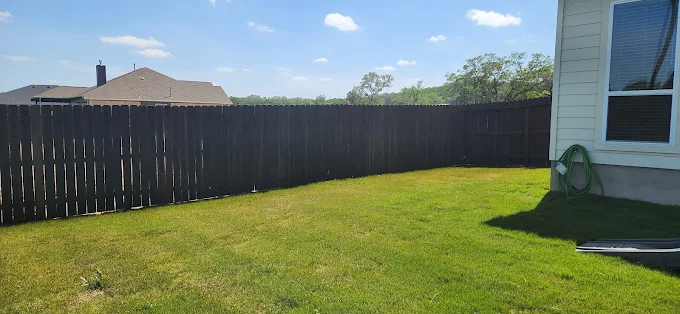
Understanding Regulations for Residential Fencing
On almost any street in Plano, you can spot it right away: one home with a brand-new fence that looks great—and another with a half-finished fence project stalled because of a permit or HOA issue. Collin County cities issue thousands of fence permits each year, and a surprising number are delayed or rejected simply because a homeowner didn’t understand the rules.
For homeowners in Plano and the surrounding North Texas communities, fencing isn’t just about curb appeal. It affects property value, privacy, pool safety, and even neighborhood relationships. A fence that doesn’t meet city code or HOA guidelines can lead to fines, forced removal, or costly rework.
This guide walks you through what you need to know about residential fence regulations in and around Plano: height limits, materials, property lines, HOA rules, pool and corner-lot requirements, and how to avoid common mistakes. You’ll also see real-world examples from local projects and learn how working with a professional installer can keep your project compliant from day one.
Key Insight: Understanding local fence regulations before you build saves you money, time, and stress—and helps you choose a design that’s both beautiful and fully compliant.
1. Why Residential Fence Regulations Matter in Plano
Fencing rules can feel like red tape, but they exist to protect safety, visibility, and neighborhood standards. Cities like Plano, Frisco, Allen, and McKinney all have detailed ordinances for residential fences, and they don’t always match each other.
Typical rules in North Texas address:
- Maximum fence height in front and back yards
- Approved materials for street-facing fences
- Setbacks from sidewalks, alleys, and easements
- Special standards for pools, corner lots, and drainage areas
For example, many local codes limit front yard fences to around 3–4 feet and require them to be open-style, which directly affects whether a solid Wood Fences or Wrought Iron Fences are allowed near the street. Rear and side yard heights are usually more flexible, but still regulated.
A Plano homeowner recently called Fence Pros of Texas after receiving a notice from the city: their new 8-foot fence on a corner lot blocked a required visibility triangle. They had to remove and rebuild a large section. Had the regulations been reviewed first, the design could have been adjusted—and thousands of dollars saved.
“Most fence problems aren’t about craftsmanship; they’re about compliance.” — Fence Pros of Texas Project Manager
CALLOUT: Before you think about style or color, make sure you understand what your city and HOA will actually allow on your property.
2. City Codes, HOAs, and Property Lines: Who Gets a Say?
When you build a fence in Plano, you’re answering to more than one authority:
- City or municipal code
- Homeowners association (if applicable)
- Utility easements and drainage requirements
- Your property line and your neighbor’s rights
Each layer can be more restrictive than the last. Your HOA may require a specific look, while the city focuses on safety and structural standards.
City vs. HOA: A Quick Comparison
| Aspect | City of Plano / Local Code | Typical HOA in Plano Area |
|---|---|---|
| Main focus | Safety, visibility, structural integrity | Aesthetics, uniformity, neighborhood standards |
| Height rules | Yes, by location (front/side/rear) | Often stricter than city |
| Material restrictions | Sometimes (especially front & corner lots) | Frequently specific (wood type, color, style) |
| Approval process | Permit or inspection in some cases | Formal submission & approval before construction |
| Enforcement | Fines, stop-work, removal orders | Fines, liens, required modifications |
One Plano client in an established HOA neighborhood wanted Vinyl Fences for low maintenance. The city allowed it, but the HOA covenants required board-on-board Wood Fences facing the street. We worked with them to design a compliant wood perimeter and used vinyl in less visible interior areas.
Property lines are another major issue. Building even a few inches onto your neighbor’s lot can create a legal dispute. Professional installers typically:
- Pull the latest survey (or ask you for your copy)
- Mark visible reference points before digging
- Confirm corner pins or landmarks before final layout
3. Height, Location, and Visibility: The Rules You Can’t Ignore
Height and placement are where many homeowners run into trouble. You might want an 8-foot privacy barrier, but local regulations may not agree—especially on corner or front-facing lots.
Common Height & Placement Standards in North Texas
While every city’s code is unique, many follow patterns like:
- Front yard fences: Often limited to 3–4 feet, usually open-style
- Side and rear yards: Typically up to 6–8 feet, depending on location
- Corner lots: Extra rules to preserve driver sightlines at intersections
- Fences along alleys or streets: Sometimes height-limited or material-restricted
For a Plano homeowner near a busy collector street, we recently designed a solution using Corrugated Metal Fences combined with masonry columns. The city allowed the height because the fence was set back properly from the sidewalk and didn’t interfere with sightlines at the intersection.
“Visibility triangles”—clear zones near intersections and driveways—are one of the most misunderstood rules. If your fence blocks a driver’s view of oncoming traffic, the city can require you to lower or remove that section.
Different fence types can also affect compliance:
- Open styles like Aluminum Fences and Wrought Iron Fences are often favored near corners and front yards.
- Solid fences like tall Wood Fences or some Metal Fence Installation can be restricted in high-visibility areas.
CALLOUT: Height and location rules can change from one side of a corner lot to the other. A professional site review is crucial before setting your posts.
4. Material Choices, Maintenance, and Code Compliance
Fencing regulations don’t just address where you can build—they can also influence what you build with. In Plano and nearby cities, certain materials are preferred or restricted for fences that face public streets or common areas.
Traditional vs. Modern Fence Materials
| Material Type | Typical Use in Plano Area | Regulatory / HOA Considerations |
|---|---|---|
| Wood Fences | Privacy, backyard boundaries | Often standard in HOAs; color and style may be set |
| Aluminum Fences | Pools, decorative front yards | Frequently allowed as open-style, code-friendly |
| Chain Link Fences | Side yards, pets, some backyards | Often prohibited in front yards or visible areas |
| Vinyl Fences | Low-maintenance privacy or decorative fences | Some HOAs limit colors or profiles |
| Mixed Material Fences | Modern designs, custom aesthetics | Usually require pre-approval from HOA |
One North Plano homeowner wanted a modern look with Mixed Material Fences—combining cedar and black metal framing. The HOA guidelines only mentioned traditional wood, but didn’t explicitly forbid mixed designs. We prepared drawings and samples, and the board approved the project because it maintained a high-end appearance.
Maintenance can also affect compliance. A deteriorating fence can violate HOA standards or even city property maintenance codes. Regular Fence Maintenance like staining and sealing not only extends the life of your fence but helps you avoid violation notices.
On the commercial side, nearby businesses often choose Security Fence Installation with ornamental iron or heavy-gauge steel. While this guide focuses on homes, many of the same code principles apply to Commercial Fence Installation as well.
5. Special Rules for Pools, Corner Lots, and Unique Properties
Some properties in Plano fall under extra regulations because of their features or location. If you have a pool, live on a corner lot, or back up to a creek, trail, or commercial property, your fencing rules may be different from your neighbors’.
Pool Fence Requirements
Texas and local codes set strict standards for Pool Fence Installation, including:
- Minimum fence height (often 4 feet or more)
- Non-climbable surfaces and spacing between pickets
- Self-closing, self-latching gates that open outward
- Latch heights out of reach for small children
We recently helped a family in West Plano replace an aging wood fence around their pool with decorative Aluminum Fences. The new design met all pool safety codes, matched their landscaping, and included a secure Residential Gates system with compliant latch hardware.
Corner and Adjoining Properties
Corner lots frequently have:
- Stricter height limits closer to intersections
- Required visibility triangles at driveways and cross streets
- Different rules for the “street side” yard versus interior side yard
Homes backing up to greenbelts, creeks, or commercial areas may face:
- Mandatory open-view fencing in some zones
- City or HOA control over fence style facing public areas
- Shared maintenance obligations on common fences
“On special properties—pools, corners, greenbelts—the safest approach is to treat the code book as the starting point and your survey as your roadmap.” — Fence Pros of Texas Design Team
If your property includes acreage or livestock just outside Plano city limits, there are different standards again. In those cases, we often recommend agricultural or Farm Fencing solutions that keep animals secure while respecting county or rural subdivision rules.
6. Permits, Inspections, and Working with a Professional Installer
One of the biggest questions homeowners in Plano have is whether they need a permit for their fence project. The answer depends on your city, the scope of work, and whether you’re replacing an existing fence or building a new one.
When Permits Are Typically Required
Many cities in the Plano area require permits if you:
- Build a brand-new fence where none existed
- Change the height or location of an existing fence
- Install fencing near easements, alleys, or public right-of-way
- Add structural elements like tall masonry columns or retaining walls
A homeowner in East Plano tried to handle a Fence Replacement themselves, increasing the height from 6 to 8 feet along an alley without a permit. A city inspector noticed the change, and they were required to either lower the fence or apply for a variance—a long, uncertain process.
Professional installers like Fence Pros of Texas help by:
- Reviewing your survey and HOA documents
- Advising when a permit is needed—and handling the paperwork
- Designing the fence to meet code and HOA restrictions
- Coordinating inspections, if required
- Providing as-built documentation for your records
Many homeowners also integrate Access Control systems or Estate Gates into their fencing. These upgrades can trigger additional electrical or structural requirements, making professional planning even more important.
7. Designing a Fence That’s Beautiful, Compliant, and Long-Lasting
Once you understand the rules, the real fun begins: designing a fence that fits your lifestyle, budget, and neighborhood. The key is to work within the regulatory framework rather than fighting it.
Balancing Privacy, Security, and Style
For many Plano homeowners, a typical project might combine:
- A tall, board-on-board Privacy Fence Installation in the backyard
- A decorative front or side section using Decorative Fence Installation like wrought iron or aluminum
- A secure Residential Gates or Estate Gates system at the driveway
- Proper staining and Fence Maintenance for long-term durability
One Plano family near Legacy West wanted privacy from nearby townhomes but needed to comply with HOA and city rules. We created an 8-foot board-on-board wood fence along the back (within allowed height), stepped down the fence height near the side street, and used an open-style metal design closer to the front. The result: full privacy where they needed it, and a compliant, attractive street-facing look.
“Compliance doesn’t have to limit creativity. It just sets the frame for a smart, long-lasting design.” — Fence Pros of Texas Design Consultant
For some modern homes, we’ve incorporated Glass Fences or sleek Metal Fence Installation with clean lines, always checking with HOAs first. Where codes allow, Railings and integrated guard systems can also tie decks, balconies, and fences into one cohesive look.
What This Means for Homeowners in Plano, TX
For Plano homeowners, the growth of the city and the variety of neighborhoods means that fence rules are more complex than ever. Older areas may have looser HOA controls but stricter city enforcement, while newer master-planned communities often have detailed design guidelines that go far beyond the city’s baseline code.
Local climate also plays a role. Our hot summers, occasional ice storms, and clay soils are tough on fences. A fence that barely meets minimum standards may not survive long-term, which is why quality construction, proper posts, and ongoing Fence Maintenance matter just as much as initial compliance.
For you, this means:
- Budgeting not just for materials, but for a code-compliant design
- Expecting to coordinate between city, HOA, and installer
- Recognizing that a cheap, non-compliant fence can become expensive quickly
- Viewing your fence as part of your property’s long-term value and safety
Plano’s strong real estate market rewards well-maintained, attractive, and compliant fencing. Buyers notice when a fence is leaning, rotting, or clearly out of step with the neighborhood. A well-designed, code-compliant fence—whether wood, metal, or a custom mixed material—signals that a home has been cared for.
When you work with a local expert who understands Plano’s specific regulations, you’re not just getting a fence. You’re getting peace of mind that what you build today will still be serving you—and meeting the rules—years from now.
Frequently Asked Questions
Q: Do I really need a permit to replace my existing fence in Plano?
A: It depends on what you’re changing. If you’re replacing your fence at the same height, in the same location, some cities treat it as routine maintenance and don’t require a permit. But if you’re increasing height, moving the fence line, adding masonry, or changing from an open style to a solid Privacy Fence Installation, you may need approval. Plano and nearby cities update their rules periodically, so it’s always wise to check current requirements or work with a contractor who does this every day. At Fence Pros of Texas, we help homeowners determine whether permits are required and can handle that process on your behalf.
Q: My neighbor and I share a fence. Who decides what we can build?
A: Shared fences can be tricky. Typically, each homeowner owns the portion of fence on their property. If the fence is centered on the property line, ownership may be shared by agreement or neighborhood custom. City code and HOA rules still apply regardless of who pays. The best approach is to review your survey and HOA guidelines, then discuss options with your neighbor. Many Plano neighbors split costs on Fence Replacement or upgrade from aging Chain Link Fences to modern Wood Fence Installation or Wrought Iron Fence Installation. A professional installer can provide a design and estimate that works for both parties and meets local requirements.
Q: Can my HOA force me to change or move my fence after it’s built?
A: Yes, if your fence violates recorded HOA covenants, they generally have the authority to require changes, even after construction. This can include color, height, materials, or placement. We’ve seen cases where homeowners installed Vinyl Fence Installation or Corrugated Metal Fences that weren’t approved, and the HOA demanded removal. That’s why pre-approval is critical in HOA communities. Fence Pros of Texas often provides drawings, material samples, and specifications specifically for HOA review, reducing the risk of surprises later.
Q: What are the rules for pool fencing in Plano and nearby cities?
A: Pool fencing is governed by both state safety standards and local codes. Generally, your pool must be enclosed by a barrier at least 4 feet tall, with no large gaps that a small child could squeeze through, and it must have a self-closing, self-latching gate. Many Plano homeowners choose decorative Aluminum Fence Installation or Wrought Iron Fences around pools because they’re strong, code-friendly, and visually open. We design Pool Fence Installation projects to meet or exceed applicable safety codes, including latch height and gate swing requirements, while still integrating with your overall backyard fence design.
Q: Are chain link or metal fences allowed in front yards in Plano?
A: Many HOAs and cities in the Plano area restrict visible Chain Link Fence Installation in front yards or along main streets, favoring more decorative options. In some cases, open-style Metal Fence Installation such as ornamental iron or Aluminum Fences are allowed because they maintain visibility and a high-end appearance. Backyards and side yards, especially those not visible from the street, are usually more flexible. If you’re considering Security Fence Installation or a more utilitarian style, we’ll review both city and HOA rules with you to find a compliant solution.
Q: How do I know if my fence is on my property or my neighbor’s?
A: The only reliable way is to consult a property survey prepared by a licensed surveyor. This document shows your exact boundary lines, easements, and often existing fence locations. Visual cues like old posts or tree lines can be misleading. If your survey is older or unclear, you may want a new one before starting a major Residential Fence Installation. At Fence Pros of Texas, we build based on your survey and clearly discuss layout before construction. That helps prevent boundary disputes and ensures your fence is placed correctly for both code compliance and long-term peace of mind.
Q: What if my existing fence doesn’t meet current code—do I have to change it?
A: In many cases, older fences are “grandfathered” in, meaning they were legal when built and can remain as-is until they’re replaced or significantly altered. However, if a fence becomes unsafe or severely deteriorated, the city or HOA may require repair or Fence Repair to bring it up to a safe condition. When you decide to replace an older fence, your new design will need to meet current standards. We often work with Plano homeowners to transition from older, non-compliant layouts to modern, code-compliant Fence Replacement that still respects the character of the neighborhood.
Ready to Get Started?
Regulations don’t have to slow your project down. The best time to address them is before you order materials or set a single post. With North Texas growing quickly and HOA standards tightening, a well-planned fence project in Plano is both a smart investment and a way to avoid costly headaches.
Fence Pros of Texas has deep experience with Residential Fence Installation, Commercial Fence Installation, and custom Custom Fence Design across Plano and the surrounding communities. We help you navigate city codes, HOA approvals, surveys, and special conditions like pools and corner lots—so you can focus on choosing the style and features you love.
This is an ideal time to plan your project, especially if you want your fence ready before peak outdoor season or before listing your home. Permit offices get busier in spring and early summer, and HOA boards can take time to review submissions.
Reach out today to schedule a consultation, review your property, and start designing a fence that’s safe, compliant, and tailored to your home.
About Fence Pros of Texas
Fence Pros of Texas is a locally focused fencing contractor serving Plano, TX and the greater North Texas area. Our team specializes in Residential Fencing, Commercial Fencing, Commercial Gates, Estate Gates, and more, with an emphasis on code compliance, durability, and thoughtful design. From Wood Fence Installation and Metal Fence Installation to ongoing Fence Maintenance, we help Plano homeowners protect and enhance their properties with confidence.