
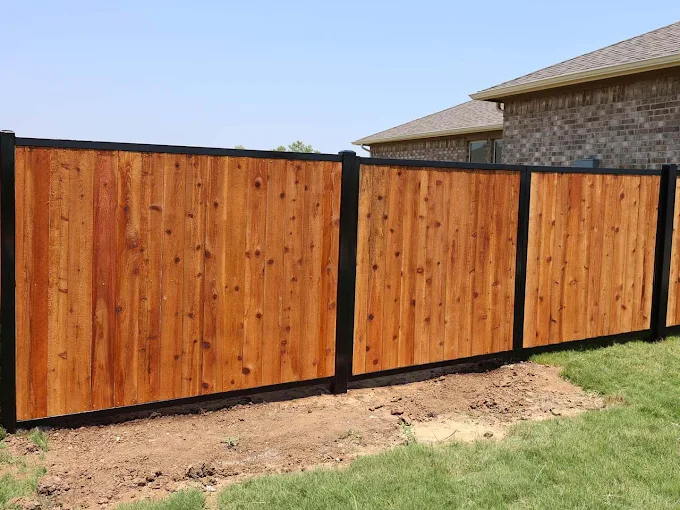
The Benefits of Professional Fence Staining
North Texas sun is no joke. If you’ve had a wood fence in Plano for more than a year or two, you’ve probably noticed it: rich brown boards fading to gray, warping pickets, and mildew creeping in after a wet spring. Many homeowners and property managers assume that’s just “what happens” to fences here.
It doesn’t have to be.
According to industry testing, properly stained and maintained wood can last up to 2–3 times longer than untreated boards. In a climate like Collin County’s—intense UV, high heat, and sudden storms—that difference can mean replacing your fence every 7–8 years… or every 15–20.
This guide walks you through why professional fence staining is one of the smartest investments you can make in your property’s exterior, whether you manage a commercial center off Preston Road, own a Plano ranch-style home, or maintain acreage just outside the city. You’ll see how staining protects, beautifies, and extends the life of your fence—and why having it done professionally can save you serious money and headaches over time.
Key Insight: Professional fence staining is not just about color; it’s a protective system that shields your investment, improves curb appeal, and cuts long-term repair and replacement costs across residential, commercial, and farm properties in North Texas.
Why North Texas Fences Need Protection More Than Most
Wood fences in Plano take a beating. We sit in a zone where you get the worst of both worlds: extended UV exposure and sudden moisture swings. That combination makes untreated wood dry out, crack, and absorb water like a sponge.
The local climate problem
- Intense UV: Our summer UV index routinely hits “very high.” UV breaks down lignin in wood, which leads to graying and surface erosion.
- Heat & expansion: Temperatures bouncing from 40s to 100+ cause constant expansion and contraction.
- Storms & humidity: Spring storms and Gulf moisture expose your fence to repeated wet/dry cycles—ideal conditions for rot and mildew.
An HOA neighborhood near Legacy West is a perfect example. Two adjacent properties installed similar Wood Fences within a month of each other. One was professionally stained within 60 days, the other left bare. After three years:
- The stained fence still had rich color, straight pickets, and smooth surfaces.
- The unstained fence showed warping, cupping boards, nail pops, and patchy gray discoloration.
The difference wasn’t the lumber—it was the protection.
“Unprotected exterior wood in Texas can lose up to 40% of its surface strength in the first two years.” — Industry Field Durability Study
CALLOUT: In Plano’s climate, leaving a wood fence unstained is like parking a new truck in the sun for years with no wax or cover—and expecting it to look new.
How Staining Extends the Life of Your Fence (and Saves You Money)
Think of stain as a flexible shield that moves with your fence, sealing out the elements while still letting the wood breathe. Done correctly, it can easily double the useful life of your fence.
The science behind the protection
Professional-grade stains are formulated to:
- Block UV rays with pigments and UV absorbers
- Repel water using high-quality oils or resins
- Resist mildew and algae with mildewcides and fungicides
- Penetrate deeply so they don’t just sit on the surface like paint
Compare that to an unstained fence, or a DIY job using a cheap big-box product, and the difference in performance over 3–5 years is dramatic.
Here’s a simplified cost comparison for a typical Plano backyard fence (about 150 linear feet):
| Approach | Upfront Cost (Approx.) | Expected Useful Life | Likely 15-Year Cost (Fence + Care) |
|---|---|---|---|
| No stain / minimal care | Lowest | 7–8 years | High – 2 fences + repairs |
| DIY budget stain | Low–Medium | 8–10 years | Medium–High – 1–2 fences + redo |
| Professional staining + upkeep | Medium | 15–20 years | Lowest – 1 fence + maintenance |
\Assumes typical North Texas exposure and standard Residential Fence Installation.
Real-world example
A Plano homeowner in the Ridgeview Ranch area installed a new privacy fence along with a small section of decorative Wrought Iron Fences. They chose professional staining for the wood immediately after installation. Over 10+ years:
- Only minor repairs were needed (a few pickets replaced after a storm).
- The fence has been cleaned and restained on a scheduled cycle.
- Neighbors on both sides who skipped staining have already replaced their fences once.
“A well-maintained wood fence is usually the least expensive long-term perimeter solution, even compared to lower-maintenance materials.” — Fence Industry Cost-of-Ownership Report
Curb Appeal, Color, and Property Value: The Aesthetic Upside
A fence is often the largest visual element on your property line. When it fades, warps, or mildews, everything else—landscaping, exterior paint, even your patio furniture—looks a little more tired.
Why appearance matters in Plano neighborhoods
In many Plano subdivisions, especially around West Plano and near Frisco, HOAs are increasingly specific about fence appearance. Staining isn’t just about looking nice; it can help you:
- Stay compliant with HOA color and finish requirements
- Maintain a consistent look with neighbors
- Present a cared-for, high-value home for resale
A realtor we work with off Spring Creek Parkway regularly advises sellers to stain or re-stain weathered fences before listing. She’s seen appraisers and buyers assign higher perceived value when the fence looks fresh and uniform.
“Exterior presentation can influence buyer perception by as much as 10% in competitive markets.” — Residential Real Estate Trends Survey
Design flexibility and matching other materials
Professional staining also opens up design options:
- Rich browns that pair beautifully with Mixed Material Fences using stone or brick columns
- Lighter tones that complement newer homes with Glass Fences or modern metal accents
- Deep, saturated colors that make railings and trim pop
A homeowner near Oak Point Park recently upgraded from an old chain link boundary to a combination of wooden privacy fencing and residential gates. Professional staining tied the wood components into the home’s existing color palette, making the entire backyard feel like a cohesive outdoor room, not just a fenced-in space.
CALLOUT: A well-stained fence doesn’t just “look nicer”—it frames your entire property and can support higher resale value and faster offers in Plano’s competitive housing market.
Protection for Residential, Commercial, and Farm Fences
The benefits of professional staining extend far beyond suburban backyards. Whether you’re managing a shopping center, a light industrial property, or acreage with livestock, your fence is an asset that needs protection.
Residential properties
For homeowners, staining helps:
- Protect privacy fences around pools and patios
- Keep Privacy Fence Installation looking consistent along shared property lines
- Reduce splintering and warping near play areas and dog runs
We worked with a Plano family near Independence Parkway that had kids and a large dog. Their wood privacy fence was splintering and bowing inward. After repairing key sections, we cleaned, stained, and sealed the fence. The result: a smoother, safer fence line and a backyard that felt new again—without the cost of a full replacement.
Commercial and retail properties
For businesses, your perimeter fence is part of your brand and your security plan. Professional staining can:
- Improve the appearance of Commercial Fence Installation along high-traffic roads
- Help protect wood elements in mixed systems with Metal Fence Installation, commercial gates, and access control
- Reduce long-term maintenance disruptions and costs
One Plano office park off Dallas Parkway had a combination of masonry walls and wood panels. The unstained panels were failing quickly, creating a patchwork look. After professional staining, the perimeter looked uniform, and the property manager extended the life of those wood sections by years.
Farm, ranch, and acreage
On acreage outside Plano, especially where horses or livestock are involved, staining is about both longevity and safety:
- Protects large runs of farm fencing from rot and UV breakdown
- Helps prevent splintering on rails where animals rub or lean
- Makes periodic inspections and Fence Maintenance easier—issues are easier to spot on a well-finished surface
Why Professional Staining Beats DIY Every Time
It’s tempting to see staining as a weekend project. A quick trip to the home center, a rented sprayer, and you’re off. But the difference between DIY and professional work—especially in a place like Plano—shows up fast.
Preparation is everything
A professional staining job typically includes:
- Inspection for needed Fence Repair (loose posts, damaged pickets, failing fasteners)
- Thorough cleaning to remove mildew, gray wood fibers, and surface contaminants
- Controlled drying time to ensure proper stain penetration
- Careful masking and protection of landscaping, hardscapes, and adjacent structures
Skipping or rushing these steps is the most common DIY mistake. Stain applied to damp, dirty, or deteriorating wood won’t bond correctly and will fail early.
“Most premature stain failures trace back to inadequate surface prep, not the product itself.” — Coatings Manufacturer Technical Bulletin
Product quality and application
Professionals use contractor-grade products and equipment that most homeowners don’t have access to:
- Higher-solids stains that provide better UV and water resistance
- Commercial sprayers and back-brushing techniques for even coverage
- Knowledge of how different woods (cedar vs. pine) and fence types (privacy vs. horizontal slat) absorb stain
A Plano homeowner in the Deerfield area tried DIY staining one side of their fence facing the alley. Uneven application and missed prep steps led to peeling and blotchy color within 18 months. The street-facing side, stained professionally two years earlier, still looked uniform and rich.
Here’s a quick comparison:
| Aspect | DIY Staining | Professional Staining |
|---|---|---|
| Surface prep quality | Varies, often minimal | Thorough cleaning, repair, and inspection |
| Product quality | Retail-grade | Contractor-grade, fence-specific |
| Application consistency | Risk of lap marks & missed spots | Even coverage, proper film build |
| Time & effort | 1–2 weekends + cleanup | Done for you, typically within a day or two |
| Longevity | 1–3 years before issues | 3–5+ years with proper products and care |
CALLOUT: Professional staining isn’t just faster; it delivers a more durable, even finish that withstands Plano’s climate and protects your fence investment for years longer.
Integrating Staining Into a Long-Term Fence Strategy
Staining works best as part of an overall plan for your property’s fencing, not as a one-off task. That’s especially true when you have multiple fence types or gate systems.
Coordinating with new installations
If you’re installing new fencing—whether Residential Fence Installation, Commercial Fence Installation, or farm fencing—build staining into the initial project. This is the ideal time to:
- Choose stain colors that complement estate gates, trim, and masonry
- Plan for how wood fences will coordinate with Aluminum Fences, Vinyl Fences, or Corrugated Metal Fences
- Schedule protection as soon as the wood is ready, minimizing early UV damage
For example, a Plano homeowner building a pool area combined a wood privacy fence with a low-profile Pool Fence Installation in metal. Coordinated staining and finishing ensured the wood and metal elements looked intentional and upscale.
Maintenance cycles that make sense
Professional staining companies can set up realistic maintenance intervals based on:
- Fence orientation (sun-exposed vs. shaded)
- Wood species and age
- Surrounding irrigation and landscaping
- Type of stain used (transparent, semi-transparent, or solid)
For many Plano properties, that means:
- Initial stain within weeks or months of installation
- Inspection and touch-up in 2–3 years
- Full re-stain in 3–5 years, depending on exposure
What This Means for Businesses in Plano, TX
For property owners and managers in Plano, professional fence staining is less about cosmetics and more about strategic asset management.
- Retail and office centers along Preston, Coit, or 75 need perimeters that reflect well on tenants and visitors. Faded, failing fences send the wrong message. Coordinated staining of wood sections around parking lots, alleys, and delivery areas helps maintain a professional appearance and supports lease values.
- Industrial and commercial properties with mixed fencing—such as Security Fence Installation combining wood screens and metal panels—benefit when wood elements are protected. Fewer failures mean less downtime, fewer emergency calls, and lower long-term Fence Replacement costs.
- HOA and multi-family communities rely on consistent, attractive fencing to keep residents happy and attract new renters or buyers. A long-term staining program can help communities avoid the sudden, large special assessments that come when perimeter fences all fail at once.
Plano’s growth and strong property values mean exterior appearance and functional longevity matter more than ever. Professional fence staining is one of those rare services that improves the way your property looks today and reduces what you’ll spend over the next decade or more.
Frequently Asked Questions
Q: How soon after installing a new wood fence in Plano should I have it stained?
A: In North Texas, it’s usually best to stain a new fence once the wood has had time to dry from the mill and installation, but before it starts to gray. For most Wood Fence Installation, that’s typically 4–8 weeks, depending on weather and the type of lumber. Waiting too long exposes the wood to UV damage and surface cracking, which can shorten its lifespan. A professional will check moisture content and surface condition to determine the ideal timing. The key is to let the wood acclimate without giving the sun and rain months to start breaking it down.
Q: How often will my fence need to be re-stained in Plano’s climate?
A: For most Plano properties, plan on a light maintenance cycle every 2–3 years and a more thorough re-stain every 3–5 years. South- and west-facing fences that take the brunt of the afternoon sun may need attention sooner. Factors like irrigation overspray, shade, and the type of stain used also affect timing. Semi-transparent and solid stains often last longer than fully transparent products. A professional who understands staining in North Texas can set up a schedule tailored to your specific exposure and fence type.
Q: Does professional staining help with warped or leaning fences, or is that a separate issue?
A: Staining won’t straighten a board that’s already warped or fix a leaning post, but it plays a major role in preventing those issues. By reducing moisture absorption and controlling UV damage, stain keeps boards more stable over time. Many professional staining services also include inspection and minor Fence Repair before staining—replacing damaged pickets, securing loose rails, and addressing problem posts. If your fence is already leaning or significantly warped, you may need structural repair or partial Fence Replacement before staining to get the best results.
Q: Can you stain a fence that’s already gray and weathered, or is it too late?
A: In many cases, a gray, weathered fence can be revived. Professionals use cleaners and brighteners to remove gray fibers, mildew, and surface contaminants before applying stain. This process can dramatically improve appearance and add years of life, especially if the underlying boards are still structurally sound. We see this often in older Plano neighborhoods where fences were never protected. However, if rot, insect damage, or severe warping is present, some sections may need replacement first. A thorough evaluation will determine whether restoration plus staining is viable or if a new Privacy Fence Installation makes more sense.
Q: What about non-wood fences—do aluminum, vinyl, or chain link need staining?
A: Materials like Aluminum Fences, Vinyl Fences, and Chain Link Fences are manufactured with their own protective finishes, so they aren’t stained like wood. However, wood elements often appear alongside these systems—for example, wood privacy screens behind a chain link run, or wooden accents paired with access control gates. Those wood components absolutely benefit from staining. If you’re planning a mixed system, such as Mixed Material Fences combining wood and metal, it’s smart to coordinate finishing so everything weathers gracefully together.
Q: Is there a difference between deck stain and fence stain? Can I use the same product?
A: While some products are labeled for both, many professional-grade formulations are optimized for vertical (fence) or horizontal (deck) surfaces. Fences shed water more easily than decks, which take direct foot traffic and standing water, so they don’t always need the same type of film build or additives. Using a deck-only product on a fence can sometimes lead to unnecessary film thickness, peeling, or an unnatural look. Professionals select stains designed specifically for vertical applications and local conditions, ensuring your Decorative Fence Installation or backyard privacy fence gets the right balance of penetration, color, and durability.
Q: How does professional staining work with gates, railings, and other features?
A: A good staining plan looks at your entire perimeter, not just the fence panels. Wood trim around residential gates, columns near commercial gates, and exterior railings can all be cleaned and stained to match or complement your fence. In Plano, where many homes mix masonry, wood, and metal, this kind of coordinated approach makes a big difference in overall curb appeal. Professionals will protect hardware, hinges, and electronics during the process, especially when working around access control systems, to keep everything functioning smoothly.
Ready to Get Started?
Plano’s heat, sun, and sudden storms aren’t going anywhere—and every season your fence goes unprotected, it’s quietly losing strength and beauty. Professional fence staining is one of the most cost-effective ways to protect that investment, enhance your curb appeal, and avoid premature Fence Replacement.
This is especially important heading into our high-UV summer months or before the wet spring season. Staining now means your fence enters the toughest part of the year with a fresh, durable protective layer instead of bare, vulnerable wood.
The next step is simple: schedule an on-site evaluation. A staining professional can assess the condition of your fence, recommend repairs if needed, help you choose colors, and provide a clear plan and estimate. Whether you’re protecting a single-family home, a commercial property, or a stretch of farm fencing, you’ll get a tailored solution that fits your goals and budget.
Fence Pros of Texas has helped countless Plano property owners get more life and value from their fences with expert staining and maintenance. If your fence is fading, graying, or you’re planning a new installation, now is the right time to protect it.
About Fence Pros of Texas
Fence Pros of Texas is a locally focused fencing contractor serving Plano and the surrounding North Texas communities. Our team brings years of hands-on experience with Residential Fence Installation, Commercial Fence Installation, farm fencing, gates, access control, and professional staining services. We understand how Plano’s climate affects every type of fence and are committed to solutions that look great and last. To learn more about our services and see how we can help protect your property, visit our website.