
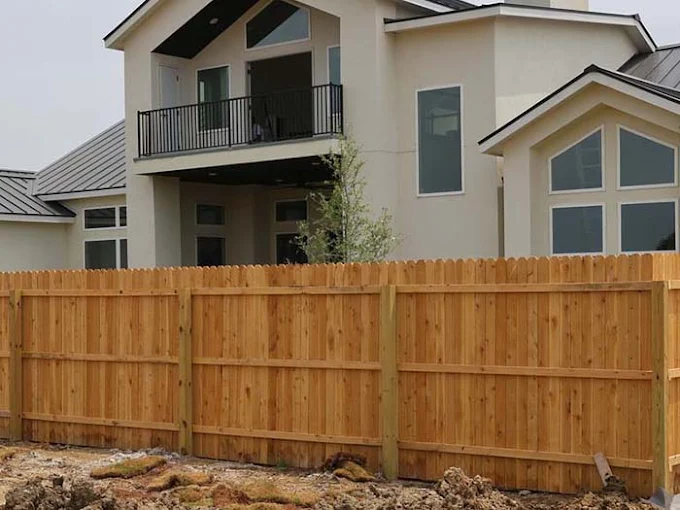
The Aesthetic Appeal of Quality Fence Staining
On a bright summer afternoon in Plano, you can drive through almost any neighborhood and see the difference right away: one street has tired, gray, weather-beaten fences, and the next has warm, rich wood that frames each property like a custom picture frame. Same style of fence, same age in some cases—completely different curb appeal.
That difference usually comes down to one thing: quality fence staining.
In North Texas, your fence is exposed to brutal sun, sudden storms, and wide temperature swings. According to the Texas A&M Forest Service, unprotected exterior wood in our climate can start to show significant UV damage and surface cracking in as little as 12–18 months. A properly stained fence, on the other hand, can hold its color and character for years, while adding real visual value to your home or business.
This guide walks you through how professional staining elevates the look of your fence, how it affects long-term value, what options work best in Plano, and how to align stain choices with your property’s architecture and use—whether you have Wood Fences, metal fencing, or mixed materials.
Key Insight: The right stain doesn’t just protect your fence; it transforms it into a design feature that enhances curb appeal, complements your architecture, and extends the life of your investment.
How Stain Turns a Fence into a Design Feature
Most people think of stain as a clear coat of “brown” to keep wood from rotting. In reality, stain is one of the most powerful design tools you have on your property. It controls color, depth, and texture—three elements that directly affect how your fence looks from the street and from your patio.
Color and Character
A fresh, well-chosen stain can:
- Warm up a modern home with a soft cedar tone
- Add drama with a darker walnut or espresso
- Brighten an older yard with a golden, honey-colored finish
Instead of your fence reading as a flat, utilitarian barrier, it becomes a backdrop that sets off landscaping, pool areas, and outdoor living spaces.
“A fence is often the largest continuous surface on a property. The stain color you choose has as much visual impact as your exterior paint.” — Regional Exterior Design Consultant
A homeowner near Legacy West in Plano recently upgraded their plain, weathered privacy fence. The boards were still structurally sound, but the wood had gone dull gray. After cleaning, repairs, and a rich, semi-transparent stain, the fence suddenly matched their modern farmhouse exterior. Several neighbors asked if they had installed a brand-new fence.
Texture and Grain
Quality stain enhances the natural grain of wood rather than covering it. This is especially true for cedar and spruce, which are common in Residential Fence Installation throughout Plano.
- Transparent and semi-transparent stains highlight knots and grain
- Semi-solid stains balance grain visibility with stronger color
- Solid stains create a painted look while still offering wood protection
CALLOUT: A well-chosen stain can make a standard builder-grade fence look like a premium custom installation—without replacing a single board.
Curb Appeal, Property Value, and First Impressions
For both homeowners and business owners in Plano, first impressions matter. Buyers, tenants, and customers often form an opinion of your property before they walk through the door, and your fence is one of the first things they see.
Residential Value in Plano
Real estate agents across Collin County consistently note that exterior condition and appearance can influence how quickly a home sells and how buyers perceive its value. While it’s hard to put an exact dollar figure on staining alone, agents often estimate that well-maintained exteriors—including fencing—can help a home sell faster and avoid low-ball “condition” offers.
Consider a West Plano homeowner preparing to list their property. Their realtor recommended a few key upgrades: front landscaping, minor exterior paint touch-ups, and professional fence staining. The stained fence framed the backyard beautifully in listing photos, and the home received multiple offers within the first weekend—several of which specifically mentioned the “great outdoor space.”
Business and Commercial Impressions
For businesses, the fence is part of your brand presentation:
- A stained perimeter fence at an office park projects professionalism
- A rich-toned fence around a restaurant patio makes the space feel more inviting
- A well-finished fence at a daycare or school communicates care and attention
If your property includes Commercial Fence Installation—such as wood privacy segments combined with Metal Fence Installation—coordinated stain and finish can tie the entire perimeter together visually.
“Exterior maintenance signals how a business operates on the inside. Customers notice.” — Local Property Manager, Plano
CALLOUT: Curb appeal isn’t just about beauty; it affects perceived safety, care, and professionalism—especially for commercial properties.
Matching Stain to Fence Type, Style, and Material
Not every fence should receive the same stain treatment. The best aesthetic results come from matching stain type and color to your fence’s material, style, and purpose.
Wood Privacy and Decorative Fences
For standard wood privacy fences—very common in Plano neighborhoods—stain choice can emphasize different goals:
- Warm, mid-tone stains work well for most brick homes
- Dark stains pair nicely with light stone or stucco, creating contrast
- Light, natural stains suit more contemporary, minimalist designs
If your yard also includes Garden Fence Installation or decorative picket sections, keeping stain colors consistent or intentionally coordinated can create a cohesive visual flow.
Mixed Materials and Modern Designs
Many newer Plano developments are embracing Mixed Material Fences and metal accents:
- Horizontal wood slats with black steel or Wrought Iron Fences
- Wood insets between Corrugated Metal Fences
- Wood privacy segments adjoining Aluminum Fences or Glass Fences around pools
Here, stain becomes part of a broader palette, complementing metal colors, masonry, and even outdoor furniture.
Gates, Railings, and Access Features
If your property includes custom gates or railings, coordinated finishes make a big difference. A beautifully stained fence next to a faded gate creates a visual mismatch.
- Pair wood stain with dark powder-coated finishes on Residential Gates
- Use similar tones across railings, fence posts, and trim
- For properties with access control systems, keep stain and metal finishes consistent to avoid a “piecemeal” look
CALLOUT: Treat your fence, gates, and railings as one visual system. When they share a coordinated color story, your entire property feels more intentional and polished.
Aesthetic vs. Longevity: How Quality Stain Protects Beauty Over Time
A fence that looks amazing the first week but fades unevenly by year two hasn’t truly delivered on its aesthetic promise. In Plano’s climate, beauty and durability are linked—you can’t have one without the other for long.
Why Protection Matters for Appearance
Our intense UV exposure, high heat, and seasonal storms can cause:
- Graying and fading of unstained wood
- Surface checking (small cracks) that catch dirt and mildew
- Warping and cupping, especially on taller pickets
- Uneven discoloration where sprinklers or shade hit differently
Quality stain—especially when professionally applied—creates a barrier against both UV rays and moisture. That means:
- Color stays richer, longer
- Wood grain remains clear instead of chalky or fuzzy
- Surfaces resist mildew and water staining
“The best-looking fences at year five are the ones that were protected from day one.” — Fence Maintenance Specialist, North Texas
Traditional vs. Modern Stain Approaches
Here’s how older approaches compare to modern, professional-grade staining:
| Approach | Typical Look (Year 1) | Typical Look (Year 3–4, Plano) | Aesthetic Consistency | Maintenance Effort |
|---|---|---|---|---|
| No stain / bare wood | Natural, light, unfinished | Gray, blotchy, dry | Low | High (repairs) |
| Basic DIY hardware store stain | Good color, uneven coverage | Patchy fading, peeling in spots | Medium | Medium-High |
| Professional oil-based stain | Rich, even color, grain visible | Gradual, even softening | High | Medium |
| Professional semi-solid/solid | Strong color, uniform look | Predictable, uniform lightening | Very High | Medium-Low |
A Plano homeowner near Oak Point Park, for example, initially opted for a quick DIY stain on their new fence. Within two years, heavy sun exposure on the south side caused blotchy fading, while shaded sections held more color. They later brought in a professional crew to strip, prep, and restain with higher-quality product. The difference in evenness and long-term performance was obvious within the first full summer.
CALLOUT: The best aesthetic choice is often the most protective choice. Long-term beauty depends on long-term durability.
The Professional Process: Why Application Quality Shows in the Final Look
Even the best stain can look uneven or streaky if the prep and application aren’t handled correctly. The process behind the scenes is a big part of what you see on the surface.
Preparation: The Hidden Foundation of a Beautiful Fence
Professional staining typically includes:
- Inspection and minor Fence Repair (loose boards, popped nails, damaged pickets)
- Cleaning to remove dirt, mildew, and old finish if needed
- Drying time to ensure the wood is ready to accept stain
- Protection of landscaping, hardscapes, and nearby surfaces
Skipping or rushing these steps often leads to uneven absorption and blotchy color—problems you can’t fix just by adding another coat.
Application Technique and Consistency
Experienced crews focus on:
- Even coverage on all visible surfaces and edges
- Consistent color between panels, gates, and returns
- Proper back-brushing to work stain into the grain
- Checking results in different lighting conditions
This level of attention is especially important for larger properties, commercial sites, or long runs of fence where inconsistencies are more noticeable.
A local Plano business park along Preston Road recently upgraded their perimeter fence. The property manager had previously hired different crews over the years, leading to a patchwork of colors and finishes. By choosing a single professional team to clean, correct, and restain the entire run, the property gained a unified, high-end appearance that tenants immediately commented on.
CALLOUT: A beautiful stain job isn’t just about product—it’s about process, prep, and consistency from panel to panel.
Coordinating Fences, Gates, and Outdoor Spaces for a Cohesive Look
A stained fence has the most impact when it’s part of a coordinated outdoor design. That means thinking beyond the fence line and considering how everything works together: gates, railings, landscaping, and even lighting.
Tying in Gates and Access Features
If you’ve invested in estate gates, commercial gates, or access control systems, your stain choice should complement those elements.
- Dark stains pair well with black or bronze metal gates
- Lighter stains can soften the look of more industrial Security Fence Installation
- Matching or echoing trim colors from your building creates visual harmony
Integrating with Landscaping and Outdoor Living
Fence stain can either:
- Blend into the background, letting landscaping take the lead
- Provide contrast that makes greenery, stone, and furniture pop
For example, a family in east Plano with a pool and outdoor kitchen chose a medium walnut stain that matched their pergola and contrasted beautifully with their light stone coping. At night, low-voltage lighting along the fence line created a warm, resort-like glow.
Balancing Aesthetics with Privacy and Security
While this article focuses on aesthetics, privacy and security are never far behind—especially in busy parts of Plano.
- Darker stains often feel more private and substantial on Privacy Fence Installation
- Lighter stains can make smaller yards feel more open and spacious
- Coordinated wood and metal elements can turn Security Fence Installation into a design feature rather than an eyesore
CALLOUT: Think of your fence stain as part of your overall outdoor design plan. Color, style, and finish should support how you actually use your space—relaxing, entertaining, welcoming customers, or securing assets.
What This Means for Businesses in Plano, TX
For Plano property owners—whether you manage a retail center along Park Boulevard, an office near the Dallas North Tollway, or a multi-family community off Spring Creek—fence aesthetics are more than a cosmetic decision.
They directly influence:
- Brand perception: A well-finished perimeter fence suggests attention to detail and pride in your property.
- Tenant appeal: Commercial tenants and residents are more likely to renew leases when common areas and exteriors feel well cared for.
- Security optics: A deteriorating fence can send the wrong message about security; a properly stained, well-maintained fence suggests active management.
- Maintenance budgets: Investing in quality Fence Maintenance and staining can delay costly Fence Replacement or major repairs.
In a competitive market like Plano—where new developments and renovated properties are constantly raising the bar—small visual details can set your property apart. Coordinating stain across fences, commercial gates, and railings ensures a consistent, professional appearance from the parking lot to the back fence line.
For businesses with outdoor customer areas—restaurants, daycare centers, auto shops, garden centers—the fence is often the backdrop of your daily operations. Investing in its appearance through professional staining is a cost-effective way to elevate the entire customer experience.
Frequently Asked Questions
Q: How often should I restain my fence in Plano’s climate to keep it looking great?
A: In North Texas, most fences benefit from restaining every 3–5 years, depending on the type of stain, sun exposure, and how well the fence was prepped initially. South- and west-facing sections that take more direct sun may need attention a bit sooner to maintain consistent color. High-quality, professional-grade products used during Fence Maintenance can extend that cycle. A quick visual check each spring—looking for fading, dryness, or water no longer beading on the surface—is a good way to decide if it’s time. Regular maintenance keeps your fence attractive and protects the underlying wood from premature aging.
Q: My fence is already gray and weathered. Can staining still improve its appearance?
A: Yes, in many cases a gray, weathered fence can be brought back to life with the right preparation and staining process. The key is thorough cleaning, sometimes including gentle washing or wood brightening, to remove surface fibers, dirt, and mildew. Once the wood is properly prepped and allowed to dry, a professional-grade stain can add rich color and even out variations, dramatically improving curb appeal. If some boards are too damaged, targeted Fence Repair or partial Fence Replacement may be recommended before staining to ensure a uniform and attractive result across the entire run.
Q: Does stain color affect how “high-end” my fence looks?
A: Color plays a major role in perceived quality. Darker, richer tones often read as more upscale, especially when paired with modern architecture, estate gates, or metal accents. That said, a well-applied, lighter stain can look just as premium when it complements your brick, stone, or siding. The key is harmony with your home or building’s exterior and consistent application across the fence, gates, and any adjacent railings. A professional can help you sample a few shades on your actual fence so you can see how they look in Plano’s natural light before making a final decision.
Q: We have a mix of wood and metal fencing. How do we keep everything looking cohesive?
A: Mixed-material properties are common in Plano, especially where Metal Fence Installation or Aluminum Fences are combined with wood privacy sections. The trick is to treat all these elements as part of one design. Choose a stain that complements your metal color—black, bronze, or galvanized—and then repeat that pairing on gates, posts, and trim. For example, a warm medium-brown stain on wood with black Residential Gates or commercial gates creates a timeless, cohesive look. A professional team experienced with both materials can recommend finishes that age well together so your property looks unified over time.
Q: Will staining my fence help with security or is it purely cosmetic?
A: While stain itself doesn’t add height or physical strength, it indirectly supports security by preserving the structural integrity of your fence. A well-protected fence is less likely to warp, crack, or rot, which means fewer weak points or gaps that could be exploited. For properties focused on Security Fence Installation—such as businesses, schools, or facilities with access control—a stained fence also projects a maintained, monitored environment, which can deter casual trespassing. From an aesthetic standpoint, a solid, evenly stained fence also looks more formidable and intentional than a patchy, deteriorating one.
Q: Is professional staining worth it compared to doing it myself on a weekend?
A: Many Plano property owners start with DIY staining and later decide to bring in professionals. The difference usually comes down to three things: prep, product, and consistency. Pros handle repairs, cleaning, and protection of surrounding areas, use commercial-grade stains designed for our climate, and apply them evenly across large areas, including difficult sections and gates. This leads to a more uniform, durable, and attractive finish—especially noticeable on long runs or highly visible fences. While DIY can work for small touch-ups, professional Fence Maintenance typically delivers better aesthetics and longer intervals before restaining is needed.
Q: We’re planning a new fence. Should we choose stain before or after installation?
A: It’s smart to think about stain at the same time you plan your new fence. Your choice of material—such as cedar vs. pine in Wood Fence Installation—can affect how stain colors appear and how grain shows through. While the actual staining usually happens after installation and a short acclimation period, selecting a general color family early helps align your fence design with your home’s exterior, landscaping, and any existing estate gates or metal fencing. A full-service fence contractor can help you coordinate design, materials, and stain so your finished project looks intentional from day one.
Ready to Get Started?
Plano’s climate is tough on fences, and each unprotected season takes a visible toll. If your fence is starting to gray, fade, or look uneven—or if you’ve just installed a new one—this is the ideal time to protect it and elevate its appearance with professional staining.
Acting now means:
- Preserving the natural beauty of your wood before damage sets in
- Enhancing curb appeal ahead of the next buying, leasing, or busy customer season
- Extending the life of your fence, gates, and outdoor investment
The next step is simple: schedule an on-site evaluation. A staining professional can assess your existing fence, discuss color options that fit your home or business, and provide a clear plan and timeline. If you’re also considering new fencing, gates, or railings, coordinating these projects ensures a cohesive look across your entire property.
Well-executed staining is one of the most cost-effective ways to transform your fence from “background” to “asset.” With the right team and products, you’ll enjoy a fence that looks better, lasts longer, and truly complements your Plano property.
About Fence Pros of Texas
Fence Pros of Texas serves homeowners, businesses, and property managers throughout Plano and the surrounding North Texas communities with expert fencing, gates, and staining services. Our team brings years of hands-on experience in Residential Fence Installation, Commercial Fence Installation, and ongoing Fence Maintenance, with a strong focus on both durability and design. We understand how local weather, soils, and architecture affect your fence and tailor our recommendations to your property’s specific needs. To learn more about our services and see how we can enhance your fence’s appearance, visit our website.