Sustainable Materials for Residential Fencing Projects
On a 100-degree August afternoon in Plano, standing next to a sunbaked fence tells you a lot about materials. Some fences stay straight, cool, and solid. Others warp, fade, or start to lean after just a few Texas summers. With more homeowners in North Texas asking how to reduce maintenance, cut long-term costs, and be kinder to the environment, sustainable fencing has become less of a trend and more of a smart standard.
Nationwide, the green building market is projected to reach over $610 billion by 2027, and outdoor projects like fencing are a growing piece of that. At the same time, Texans are paying more attention to water use, wildfire risk, and storm resilience—all factors that tie directly into the materials around your property line.
This guide walks you through sustainable fencing options that actually make sense for homes in Plano and the surrounding communities. You’ll learn how different materials perform in our climate, what “sustainable” really means in practical terms, and how to balance privacy, security, and curb appeal with long-term environmental and budget benefits.
Key Insight: The most sustainable fence isn’t just “green” on paper—it’s the one that lasts the longest, needs the least maintenance, and is built from responsibly sourced materials that fit North Texas weather and your property’s needs.
Rethinking “Sustainable” for Texas Fences
Before choosing a material, it helps to redefine sustainability in the context of Plano’s climate and soil. Sustainability isn’t only about recycled content or buzzwords—it’s about the full lifecycle of your fence: how it’s sourced, installed, maintained, and eventually replaced or recycled.
In North Texas, a sustainable fence should:
- Stand up to intense sun, heat, and UV exposure
- Handle shifting clay soils without constant repairs
- Resist wind, hail, and occasional freeze-thaw cycles
- Require minimal chemical treatments or repainting
For example, a homeowner in West Plano recently replaced a 15-year-old basic pine fence that had rotted at the posts and needed annual patching. Instead of repeating the same cycle, they chose a mixed system: durable steel posts with high-quality, sustainably sourced wood pickets and a professional Wood Fence Installation and staining service. The result? A fence designed to last 20+ years with far fewer repairs and less lumber wasted over time.
“The greenest fence is the one you don’t have to rebuild every 8–10 years.” — Local Fence Consultant, North Texas
Tip: When you compare materials, ask about lifespan, maintenance schedule, and whether components can be repaired individually instead of replacing entire sections.
As you explore options like Residential Fence Installation, think beyond the upfront bid. Sustainability and long-term savings usually go hand in hand.
Sustainable Wood: Smarter Choices, Not Just “More Wood”
Wood remains one of the most popular residential fencing materials in Plano, and with the right choices, it can be a highly sustainable option. The key is selecting species, treatments, and construction methods that maximize lifespan and minimize waste.
Better Wood, Better Performance
In North Texas, cedar is typically more sustainable than low-grade pine because:
- It naturally resists rot and insects, reducing the need for heavy chemical treatments
- It weathers well in high heat and sun
- It often lasts significantly longer when properly installed and maintained
A Plano family near Legacy West upgraded from an aging, untreated pine fence to a board-on-board cedar privacy fence with steel posts. This combination improved both privacy and sustainability:
- Fewer full replacements over the life of the home
- Less lumber waste due to stronger structure
- Reduced need for harsh preservatives
They also invested in professional Fence Maintenance and staining, which extended the fence’s life and reduced warping and cracking.
“A quality wood fence with proper staining can outlast a bargain fence by 5–10 years, easily.” — Project Manager, Fence Pros of Texas
Design Choices That Add Sustainability
- Steel or metal posts: Using steel posts instead of wood at ground contact points dramatically reduces rot and replacement.
- Proper drainage: Keeping pickets and rails off the soil line prevents premature decay.
- Thoughtful layouts: Avoiding unnecessary height or overbuilt sections reduces material use without sacrificing privacy.
Wood fences are also easy to repair in sections. Instead of tearing down an entire run, a few damaged pickets or rails can be replaced, which is a big win for both your wallet and the environment.
Tip: Ask your contractor about sustainably sourced lumber and low-VOC stains, especially if you have kids or pets who spend time near the fence.
Low-Maintenance, Long-Life Options: Vinyl and Composite Systems
If your goal is to install a fence and not think about it much for the next 20–30 years, modern vinyl and composite systems can be strong contenders in the sustainability conversation, especially when sourced from reputable manufacturers.
Vinyl Fences in a Texas Climate
Quality vinyl fencing can offer:
- 20+ year lifespans with minimal upkeep
- Resistance to rot, insects, and moisture
- No need for repainting or restaining
A Plano homeowner with a backyard pool needed a code-compliant barrier that wouldn’t peel or splinter in the sun. They chose a white Pool Fence Installation using heavy-duty vinyl. Beyond safety and style, the fence:
- Eliminated ongoing paint and chemical use
- Reduced the risk of rust around the pool area
- Stayed cooler to the touch than some darker metal options
Proper Vinyl Fence Installation is critical: posts must be set deep and straight to handle North Texas winds and shifting soil.
“For sustainability, longevity matters. A vinyl fence that lasts 30 years can be greener than a cheaper fence you replace twice.” — Building Materials Analyst
Composite and Mixed Material Fences
Composite fencing—often made from recycled wood fibers and plastics—can be an even more eco-forward choice:
- High recycled content
- Excellent durability and fade resistance
- Less warping and cracking than traditional wood
Paired with metal framing, composite panels create highly sustainable Mixed Material FencesTip: Look for manufacturer information on recycled content percentages and recyclability at end of life. Not all vinyl or composite products are created equal.
Metal Fencing: Durable, Recyclable, and Surprisingly Green
Metal fences—especially steel, aluminum, and wrought iron—often rank high on the sustainability scale because of their long life and recyclability. In Plano neighborhoods where visibility, openness, and security matter, metal is often the most practical, eco-conscious choice.
Aluminum and Steel: Lightweight and Long-Lasting
Modern Aluminum Fences and steel systems offer:
- Excellent corrosion resistance
- Long lifespans with minimal maintenance
- High recycled content and full recyclability at end of life
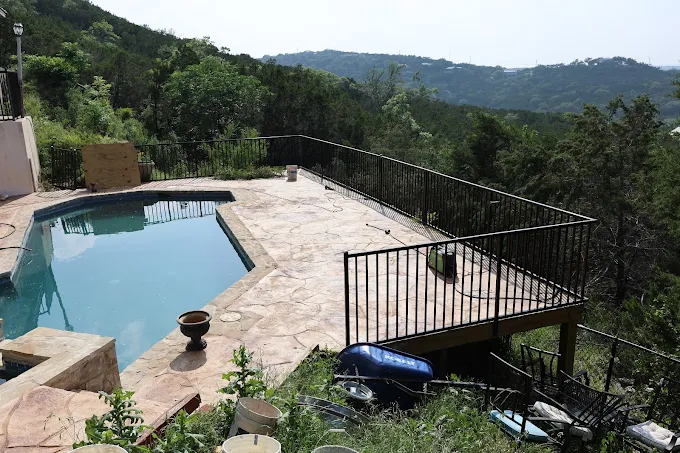
A homeowner along a greenbelt in East Plano wanted an open view fence that would keep pets secure while preserving sightlines. They opted for an Aluminum Fence Installation instead of wood. Over time, this choice:
- Reduced repainting, staining, and wood replacement
- Lowered lifetime material use
- Provided a fence that can later be fully recycled
Wrought Iron and Decorative Metal
Custom Wrought Iron Fences or ornamental steel fences can last decades, especially with periodic touch-up and Fence Repair. For homes with Estate Gates or sloped lots, metal’s strength and adaptability can reduce the need for future replacement.
“Metal fencing has one of the highest recycling rates of any building material—steel alone is recycled more than all other materials combined.” — Steel Recycling Institute
Metal vs. Wood: Local Cost and Sustainability Snapshot
| Feature |
Quality Wood Fence (Cedar) |
Aluminum/Steel Fence |
| Typical Lifespan (Plano) |
15–20 years (with care) |
25–40 years (with minimal care) |
| Upfront Cost (per linear ft) |
$$ |
$$$ |
| Maintenance Needs |
Staining, repairs |
Occasional cleaning, minor touch-up |
| Recyclability |
Limited |
Very high |
| Best Use |
Privacy, noise buffer |
Security, pool, open view |
\Actual pricing varies by design, height, and site conditions.
Tip: For sustainability and security, pair a metal perimeter fence with an Security Fence Installation and access control gate to reduce the need for additional barriers or systems.
Hybrid and Mixed-Material Designs: Getting the Best of Both Worlds
Some of the most sustainable fences in Plano aren’t made from one material—they combine the strengths of several. Hybrid designs can minimize waste, maximize durability, and tailor performance to each side of your property.
Common Mixed-Material Strategies
- Steel posts + wood or composite panels
- Extends life by eliminating ground-contact rot
- Makes future Fence Replacement easier—posts can stay while panels are updated
- Masonry or concrete base + wood or metal above
- Keeps organic materials away from soil
- Improves stability on sloped or shifting lots
- Metal frames + corrugated metal or wood infill
- Creates modern, durable Metal Fence Installation options
- Reduces the amount of lumber needed
A homeowner near Oak Point Park wanted a modern privacy fence that could handle strong winds. They chose a steel post and frame system with horizontal cedar boards. The design used less wood overall while creating a stronger structure than a standard all-wood fence.
“Thoughtful design can cut material use by 10–20% without sacrificing strength or privacy.” — Senior Designer, Fence Pros of Texas
Sustainability Benefits of Hybrid Fences
- Less frequent full tear-outs: Structural elements like posts often outlast panels.
- Targeted repairs: Damage can be isolated to one material or section.
- Design flexibility: You can choose sustainable materials where they matter most (e.g., long-lasting steel posts, FSC-certified wood panels).
Tip: If you’re planning Residential Gates or Railings, consider matching materials and finishes to reduce waste and simplify long-term maintenance.
Smart Installation and Maintenance: Where Sustainability Really Pays Off
Even the greenest material can fail early if it’s installed poorly. Sustainable fencing in Plano depends just as much on craftsmanship and maintenance as it does on what your fence is made of.
Installation Practices That Extend Fence Life
- Proper post depth and concrete: Our expansive clay soils move. Posts that aren’t set correctly are more likely to lean or heave, leading to premature Fence Repair or replacement.
- Drainage planning: Allowing water to drain away from posts and panels prevents rot and rust.
- Wind and exposure considerations: Taller fences or fences in open areas near fields or greenbelts need stronger support and bracing.
A Plano homeowner whose fence constantly leaned after storms found that the posts were set too shallow and in poor soils. During their Fence Replacement, the new installation used deeper-set steel posts and improved drainage. The result: a stronger, longer-lasting fence and fewer materials wasted on repeated repairs.
“A sustainable fence starts below the surface—literally. The right foundation can add years to your fence’s life.” — Installation Supervisor, Fence Pros of Texas
Maintenance as a Sustainability Strategy
Regular, light maintenance is one of the most eco-friendly habits you can adopt:
- Annual inspections: Catch minor issues before they become structural failures.
- Timely staining or sealing for wood: Protects against sun and moisture, reducing replacement cycles.
- Fast repairs after storms or impact: Keeps damage contained and avoids full-section replacement.
Tip: Consider a maintenance plan that includes scheduled inspections and Fence Maintenance. A little proactive care can prevent major material waste down the road.
Sustainability Beyond the Backyard: Neighborhood and Property Value Impact
Sustainable fencing choices don’t just affect your utility bills and conscience—they can influence neighborhood aesthetics, property values, and even local regulations in places like Plano.
How Sustainable Fences Fit Plano’s Growth
Plano continues to evolve, with infill development, revitalized neighborhoods, and new commercial corridors. Thoughtful fence design supports that growth by:
- Maintaining consistent curb appeal in HOA communities
- Reducing visual clutter and patchwork repairs
- Supporting safe, attractive public-facing edges along trails and parks
A small community near Preston Road recently coordinated their Residential Fence Installation along a shared alley. By selecting a durable, low-maintenance material and a consistent height and style, they:
- Reduced long-term replacement costs for each homeowner
- Created a cleaner, more cohesive look that supported resale values
- Cut down on the number of future construction projects in the alley (less noise, less waste)
Traditional vs. Sustainable Mindset
| Aspect |
Traditional Approach |
Sustainable Approach |
| Material Choice |
Lowest upfront cost |
Longest lifecycle and repairability |
| Planning |
Single property focus |
Considers neighbors, HOA, and street view |
| Maintenance |
Reactive (fix when it fails) |
Proactive (protect before it fails) |
| End-of-Life |
Haul to landfill |
Reuse, recycle, or partial replacement |
| Budget Perspective |
Initial bid only |
10–20 year total cost and performance |
“Sustainable design is about making fewer, smarter changes over the life of your property.” — Urban Planner, Collin County
Tip: If you share fences with neighbors, discuss materials and timing together. Coordinated projects often reduce waste, labor, and long-term headaches.
What This Means for Homeowners in Plano, TX
For homeowners in Plano and the surrounding North Texas suburbs, sustainable fencing isn’t an abstract ideal—it’s a practical way to protect your investment, reduce hassle, and be a better neighbor.
Our climate is tough on materials. Summers are long and hot, storms can be intense, and soil movement is real. Choosing the right combination of wood, metal, vinyl, or composite—and pairing those materials with expert installation—means:
- Fewer full replacements over the years
- Less money spent on emergency fixes and patchwork
- Less material ending up in landfills
Sustainable fencing also supports the overall look and feel of Plano’s neighborhoods. Well-designed, durable fences contribute to safer backyards, cleaner streetscapes, and stronger property values. Whether you’re near Downtown Plano, along the Tollway, or in a quiet cul-de-sac off Spring Creek, the same principle applies: build it right once, and build it to last.
If you’re considering upgrades beyond fencing—like Security Fence Installation, Residential Gates, or matching Railings—you can carry the same sustainable mindset through all your exterior projects.
Frequently Asked Questions
Q: What fencing material is the most sustainable choice for Plano’s climate?
A: The “most” sustainable option depends on your goals, but in Plano’s heat and clay soils, long-lasting materials like metal and high-quality wood or composite usually come out ahead. For open-view yards, Aluminum Fences and ornamental steel are excellent because they’re durable and highly recyclable. For privacy, well-built cedar with steel posts or composite panels can outperform cheaper wood options over time. The key is lifecycle: a fence that lasts 25–30 years with minimal Fence Maintenance is generally more sustainable than one that needs full replacement every decade, even if the upfront cost is slightly higher.
Q: How does sustainable fencing impact my long-term costs?
A: Sustainable fencing usually lowers your total cost of ownership. For example, investing in a properly installed cedar fence with steel posts or a quality Vinyl Fence Installation might cost more than a bargain build, but you’ll likely save on repairs, staining, and early replacement. In Plano, where sun and soil movement can be harsh, cheap fences often lean, rot, or break within 8–10 years. A sustainable design aims for 15–30 years of service. Spread over that timeframe, your annual cost is often lower, and you avoid the disruption and waste of frequent tear-outs.
Q: Are metal fences really more eco-friendly than wood?
A: In many cases, yes—especially when you factor in lifespan and recyclability. Steel and aluminum used in Metal Fence Installation typically contain recycled content and can be fully recycled at the end of their life. A well-maintained metal fence around a yard or pool can last several decades with minimal intervention. Wood is a renewable resource, but low-grade wood fences that fail early require more frequent harvesting, transport, and disposal. A hybrid approach—steel posts with high-quality wood panels—can combine the strengths of both materials in a sustainable way.
Q: What can I do to make a standard wood fence more sustainable?
A: You don’t have to switch materials entirely to be more eco-conscious. For wood fences, consider:
- Choosing cedar or another naturally durable species
- Using steel posts instead of wood at ground contact
- Ensuring proper Wood Fence Installation with good drainage and spacing
- Applying high-quality, low-VOC stain and reapplying on schedule
- Repairing damaged sections promptly to avoid full replacements
In Plano, many homeowners extend their fence life by 5–10 years simply by pairing good construction with routine Fence Maintenance. The longer your fence lasts, the more sustainable your choice becomes.
Q: How do I know if my old fence can be repaired instead of replaced?
A: A professional inspection can determine whether Fence Repair is a viable option. If most of the damage is limited to surface boards or a few posts, targeted repairs may extend the fence’s life significantly. However, if you’re seeing widespread rot at the base of posts, severe leaning along multiple sections, or extensive rust in metal components, a full Fence Replacement may be more sustainable in the long run. In Plano’s soil and weather, replacing a failing structure with a better-designed, longer-lasting system can reduce future waste and repairs.
Q: Are there local regulations or HOA rules that affect sustainable fence choices in Plano?
A: Yes. Many Plano neighborhoods and HOAs have guidelines on fence height, materials, and color, especially along streets, alleys, and greenbelts. These rules can influence whether you choose solid privacy panels, open-view Decorative Fence Installation, or specific Residential Gates. A sustainable approach works within these rules while maximizing durability and aesthetics. A local contractor familiar with Plano’s codes and HOA standards can help you select materials and designs that meet requirements while still supporting long-term performance and reduced maintenance.
Q: How does adding gates or access control affect sustainability?
A: Thoughtfully designed gates and access systems can actually enhance sustainability by reducing the need for extra fencing or secondary barriers. For instance, pairing a durable metal fence with an Access Control system can improve security without adding more physical infrastructure. Choosing robust hardware and materials for Residential Gates or Estate Gates also reduces the frequency of replacements. In Plano, where driveways and side yards see regular use, investing in well-built gates that match your fence materials is both a practical and sustainable decision.
Ready to Get Started?
North Texas weather isn’t getting any gentler, and the longer you wait to upgrade a failing or inefficient fence, the more you’ll spend on patchwork fixes and wasted materials. A sustainable fencing project gives you a chance to rethink your property line once, build it right, and enjoy the benefits for years: lower maintenance, better curb appeal, and a smaller environmental footprint.
Whether you’re planning a full Residential Fence Installation, replacing storm-damaged sections, or adding secure Residential Gates, the best time to design with sustainability in mind is before the next big repair bill arrives. Materials lead times, HOA approvals, and seasonal demand can all affect your timeline, so starting the conversation now helps you lock in options that fit your schedule and budget.
Fence Pros of Texas has deep experience with wood, metal, vinyl, and mixed-material systems throughout Plano and the surrounding area. If you’re ready to explore sustainable options tailored to your home, we’re here to walk you through every step—from design to installation and long-term care.
About Fence Pros of Texas
Fence Pros of Texas is a locally focused fencing contractor serving Plano and communities across North Texas. Our team specializes in durable, thoughtfully designed fences, gates, and railings that stand up to Texas weather while enhancing your property’s value and appearance. With years of hands-on experience in Residential Fence Installation, Commercial Fence Installation, and custom solutions, we prioritize quality materials, proven installation practices, and honest guidance on what will work best for your home.