
Navigating Residential Fencing Regulations and Permits
On any given week in Plano, you’ll see at least a few new fences going up in neighborhoods from Legacy West to Oak Point Park. Homeowners are upgrading privacy, adding pool barriers, or replacing storm-damaged panels. Yet many are surprised to learn, usually after a visit from a city inspector or an unhappy HOA, that their new fence doesn’t meet local rules.
Plano’s rapid growth and dense neighborhoods mean fencing isn’t just a design choice—it’s a regulated safety and property issue. The City of Plano requires permits for many types of fence work, and HOAs often have their own strict guidelines on materials, height, and appearance. One misstep can lead to fines, tear-outs, or delays that cost far more than doing it right from the start.
This guide walks you through how residential fencing regulations and permits work in Plano, what to watch for with HOAs and neighbors, and how to plan a compliant, attractive fence project that actually adds value to your home rather than headaches to your schedule.
Key Insight: When you understand local rules and permit requirements before you build, your fence project moves faster, costs less, and is far less likely to face costly corrections or disputes.
Understanding Plano’s Basic Fence Rules Before You Design
Before you start thinking about styles or colors, you need to know what Plano will and won’t allow on your property. The city’s fence regulations are designed around three main priorities: safety, visibility, and neighborhood consistency.
Plano typically regulates:
- Maximum fence height by location (front yard vs. backyard)
- Materials and visibility near streets and intersections
- Pool barrier requirements
- Setbacks from sidewalks, alleys, and easements
- Fence placement relative to property lines and utilities
For example, a homeowner near Preston Road wanted a tall Privacy Fence Installation along a corner lot. Their first plan called for an 8-foot solid fence up to the sidewalk. Under Plano’s visibility triangle rules, that would have blocked drivers’ sightlines at the intersection. Working with a professional, they switched to a combination of stepped Wood Fences and open-style Aluminum Fences near the corner. The result passed review, looked great, and kept the project on schedule.
“Most fence problems we see in Plano start with good intentions but no one checking the code until the posts are already in the ground.” — Local Fence Consultant
Plano’s rules can also differ depending on whether you back up to an alley, a greenbelt, or a major thoroughfare. Each of these may have its own height and material standards. That’s why an early code review before you commit to a design or material is so important.
When You Need a Permit (And When You Don’t)
Not every fence project in Plano requires a permit, but many do—especially if you’re changing height, moving the fence line, or installing a pool barrier. Understanding which category your project falls into is the first step to avoiding delays.
You’re more likely to need a permit if you’re:
- Increasing fence height beyond what’s existing
- Building a new fence where none existed before
- Changing from an open style to a solid privacy fence
- Installing a pool fence or modifying an existing one
- Building near a corner lot, alley, or drainage easement
A Plano homeowner in the Deerfield area learned this the hard way. They replaced a 6-foot side fence with an 8-foot Wrought Iron Fences and corrugated panels for extra privacy, assuming a “replacement” didn’t need a permit. A neighbor complained, the city inspected, and the homeowner had to apply for a retroactive permit and lower part of the fence at additional cost.
On the other hand, straightforward like-for-like Fence Replacement at the same height, along the same line, may not trigger a permit. But that’s never something to guess at. Plano’s thresholds can change, and interpretations can be case-specific.
Here’s a simple comparison to illustrate how different approaches affect permitting:
| Project Type | Traditional “Guess and Build” Approach | Modern, Compliant Approach in Plano |
|---|---|---|
| Side yard height increase | Build first, hope it’s fine | Confirm code, submit permit, then build |
| New pool fence | Copy neighbor’s fence | Design to current pool code, get permit, schedule inspection |
| Corner lot privacy upgrade | Extend solid fence to curb | Use code-compliant mix of open and solid styles |
| Replacing damaged panels only | Replace without documentation | Verify no height/line changes, document work if requested |
“Permits aren’t there to slow you down—they’re there to protect your investment and your neighbors’ safety.” — Regional Building Official
A professional who handles Residential Fence Installation in Plano should be able to tell you quickly if your project needs a permit and handle the paperwork on your behalf.
HOA Rules vs. City Code: Balancing Both Without Conflict
In many Plano neighborhoods—especially master-planned communities and subdivisions around Frisco, Allen, and Richardson borders—your HOA rules are just as important as the city’s. You must comply with both, and whichever is more restrictive usually wins.
HOAs often regulate:
- Approved materials (for example, only Wood Fences or Wrought Iron Fences)
- Height limits and step-downs along slopes
- Stain colors and finish (often requiring uniform tones)
- Front yard and corner lot visibility
- Style consistency along shared property lines
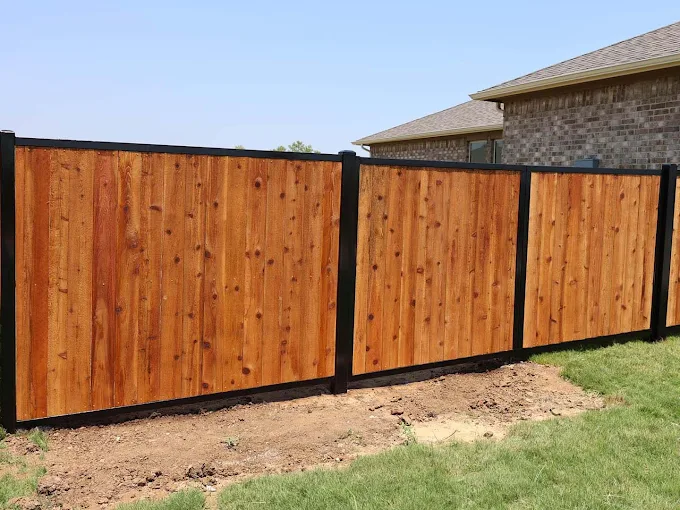
A homeowner in a West Plano HOA wanted a modern look with Mixed Material Fences—combining horizontal cedar with black metal posts. City code allowed it, but the HOA required board-on-board cedar with a natural-stain appearance facing the street. The compromise was to keep the HOA-approved style on the public-facing side and incorporate modern elements along the interior yard where rules were more flexible.
Another common issue: shared fences between neighbors. In some Plano neighborhoods, HOAs encourage or require a uniform fence line along alleys and greenbelts. That may affect how you handle Fence Repair versus full replacement. Coordinating with adjacent owners can help you share costs and keep everyone compliant.
- Review your HOA Covenants, Conditions, and Restrictions (CC&Rs)
- Ask your property management company for any fence-specific guidelines
- Keep all approvals in writing in case board members change later
“Your HOA is looking at the long-term appearance and property values of the community. Clear communication upfront saves months of back-and-forth later.”
Designing a Fence That Meets Code and Matches Your Goals
Once you understand the rules, you can start designing a fence that actually fits your needs—privacy, security, curb appeal—without triggering avoidable red flags from the city or HOA.
Different materials and styles can help you meet specific requirements:
- For privacy along backyards: tall Wood Fence Installation with board-on-board or horizontal slats
- For pool safety: code-compliant Aluminum Fence Installation or Metal Fence Installation with self-closing gates
- For visibility near streets: open Wrought Iron Fence Installation or ornamental Decorative Fence Installation
- For side yards or dog runs: durable Chain Link Fence Installation or Vinyl Fence Installation
A Plano family with a new backyard pool in the Ridgeview Ranch area needed to meet both city pool barrier standards and their HOA’s aesthetic rules. The solution was a black, flat-top aluminum perimeter fence around the pool zone, combined with a stained cedar perimeter fence along the property line. The aluminum met pool safety code, and the cedar fence provided privacy from neighbors.
“The best fence designs start with your lifestyle and end with the code book, not the other way around.” — Design-Build Fence Specialist
You can also plan for long-term appearance and longevity:
- Use professional Fence Maintenance and staining to protect wood and keep it HOA-compliant
- Choose coatings and finishes that stand up to North Texas sun and storms
- Integrate railings and gates that match your home’s architecture
Permits, Inspections, and Working With a Professional Contractor
The permit process in Plano is straightforward if you know what to expect and submit a complete package the first time. That’s where working with a contractor experienced in Residential Fence Installation across Collin County can save you days or weeks.
Typical steps include:
- Verifying property lines and easements
- Preparing a basic site plan with fence location and dimensions
- Specifying materials, heights, and gate locations
- Submitting permit application with drawings and details
- Scheduling any required inspections (especially for pool fences)
A homeowner near the Shops at Legacy tried to manage the process alone for a complex backyard project: a new residential gate, a taller privacy fence, and a small retaining wall. The first permit application was rejected because the drawings didn’t clearly show the slope and retaining wall impact. Once they brought in a professional installer, the corrected plan sailed through review.
Here’s a cost/benefit comparison that reflects typical Plano scenarios:
| Approach | Upfront Cost in Plano | Risk Level | Typical Outcome |
|---|---|---|---|
| DIY build, no permit check | Lowest materials only | High (fines/tear-out) | Possible code violations, HOA conflicts |
| DIY build, city permit only | Low–moderate | Medium | Passes city, may still conflict with HOA |
| Pro contractor, no permit service | Moderate | Medium–high | Risk of paperwork errors or delays |
| Pro contractor with full permit help | Moderate–higher, but predictable | Low | Faster approvals, smoother inspections |
“A complete, accurate permit package can cut your approval time dramatically and keep your project on schedule.” — Plano Building Inspections Staff
Professionals who also install access control, estate gates, and commercial gates are used to more complex permitting requirements. That experience is valuable even on residential projects that mix fencing, gates, and railings.
Special Cases: Pools, Corner Lots, and Unique Materials
Some fencing situations in Plano carry extra scrutiny from both the city and HOAs. If your project falls into one of these categories, planning ahead matters even more.
Pool Fences
Plano, like most Texas cities, follows strict pool barrier safety standards. Your Pool Fence Installation must typically:
- Reach a minimum height (often 4 feet or more)
- Be non-climbable, with limited horizontal rails
- Have self-closing, self-latching gates that swing outward
- Maintain specific spacing between pickets and under the fence
A family near Plano Senior High updated their aging chain-link pool barrier with a new ornamental metal fence. By choosing a style designed specifically for pool code and pairing it with a self-latching residential gate, they passed inspection on the first visit and dramatically improved the look of their yard.
Corner Lots and Visibility
If your home sits at an intersection, your fence must maintain driver visibility. That can limit solid fence height near the corner. Many corner-lot owners use a mix of:
- Solid Privacy Fence Installation along back and side yards
- Open-style Decorative Fence Installation or Aluminum Fences near the corner
Non-Traditional Materials
Plano is seeing more demand for:
- Modern Corrugated Metal Fences
- Sleek Glass Fences around pools or patios
- Contemporary Mixed Material Fences combining wood and metal
These can be allowed, but they’re more likely to draw attention from both plan reviewers and HOAs. Detailed drawings, manufacturer specs, and photos of similar installations often help secure approvals.
“If your material or design is unique, assume you’ll need to show the city and your HOA exactly what you’re planning before they say yes.” — Residential Design Consultant
What This Means for Homeowners in Plano, TX
Plano’s mix of established neighborhoods and rapidly developing areas makes fencing both an opportunity and a responsibility. Done right, a new fence can:
- Increase privacy and security
- Add significant curb appeal and resale value
- Improve safety around pools and play areas
- Reduce noise and create a more enjoyable backyard
Done wrong, it can:
- Trigger city violations and fines
- Lead to costly tear-outs or modifications
- Create tension with neighbors and HOAs
- Delay other projects tied to your fence, like landscaping or pool work
For homeowners in Plano, the smartest approach is to treat regulations and permits as part of the design process—not an afterthought. Whether you’re planning a simple Garden Fence Installation or a full perimeter Security Fence Installation, you benefit from:
- Clear understanding of local code and HOA rules
- Thoughtful material choices that balance durability, style, and compliance
- Professional planning and documentation for permits
- Ongoing Fence Maintenance to keep your investment looking its best
Plano’s climate—hot summers, stormy springs, and the occasional ice event—also puts extra stress on fences. That makes it even more essential to choose quality materials and experienced installers who understand our soil, wind loads, and neighborhood standards.
The result is a fence that not only stands up to the elements but also fits seamlessly into your community and passes every inspection with confidence.
Frequently Asked Questions
Q: Do I always need a permit to replace my existing fence in Plano?
A: Not always. If you’re doing a like-for-like Fence Replacement—same height, same location, similar material—Plano may not require a permit. But if you increase the height, change from an open style to a solid Privacy Fence Installation, or move the fence line closer to the street or sidewalk, a permit is very likely required. Corner lots, pool areas, and fences near alleys also get more scrutiny. The safest approach is to check with the city’s Building Inspections department or work with a contractor who can verify requirements for your specific address before work starts.
Q: How do HOA rules and city codes interact for my fence project?
A: Think of city code as the minimum safety and zoning standard, and your HOA as an additional layer focused on appearance and neighborhood consistency. You must comply with both. If the city allows an 8-foot fence but your HOA caps height at 6 feet, you’re limited to 6. Similarly, your HOA might restrict materials to Wood Fences or Wrought Iron Fences even if the city would allow Vinyl Fences or Chain Link Fences. Always secure written HOA approval first, then apply for any required city permits so you don’t end up with conflicting directives.
Q: What are the key requirements for a legal pool fence in Plano?
A: A compliant Pool Fence Installation in Plano must typically meet specific height, spacing, and gate standards under building and safety codes. That usually means a minimum height (often 4 feet or more), limited horizontal members to reduce climbability, and vertical picket spacing small enough to prevent a child from squeezing through. Gates must be self-closing and self-latching, swinging away from the pool. Many homeowners use ornamental metal or Aluminum Fences designed specifically for pools, sometimes combined with access control for extra security. Always confirm the latest requirements, as codes can update.
Q: Can I use corrugated metal or glass for my residential fence in Plano?
A: In many cases, yes—but both Plano and your HOA will likely take a closer look at these materials. Corrugated Metal Fences and Glass Fences are becoming more popular in modern designs, especially around patios and pools. You’ll need to show how they meet safety, visibility, and structural requirements. Your HOA may have guidelines about reflectivity, color, or combining them with wood for a softer look. Working with an installer experienced in Custom Fence Design helps you present a clear, code-compliant plan that’s more likely to be approved.
Q: How close to the sidewalk or street can I build my fence?
A: Setback rules in Plano depend on your lot type (interior vs. corner), whether you have an alley, and whether the fence is in the front, side, or rear yard. Front yard fences often have stricter height and openness requirements, and corner lots must respect visibility triangles at intersections. A solid Security Fence Installation that’s acceptable in a backyard might not be allowed right up against a front sidewalk. The safest path is to have a site plan prepared that shows exact distances from property lines and streets, then confirm with the city before building.
Q: What kind of maintenance is expected for wood fences in Plano neighborhoods?
A: Our hot sun, heavy storms, and occasional ice events are tough on wood. Many HOAs in Plano expect homeowners to keep Wood Fences straight, structurally sound, and uniformly stained. Regular Fence Maintenance—cleaning, staining, and sealing every few years—helps prevent warping, graying, and premature rot. Neglected fences can lead to HOA notices and, over time, higher repair or Fence Replacement costs. Some homeowners opt for lower-maintenance options like Vinyl Fences or ornamental metal to reduce long-term upkeep while still meeting HOA appearance standards.
Q: Can I coordinate my fence project with new gates or railings?
A: Yes, and it’s often the smartest way to handle complex projects. If you’re adding a driveway gate, estate gate, or new porch railings alongside a fence upgrade, designing them together ensures a cohesive look and smoother permitting. For example, a homeowner in East Plano combined a new Metal Fence Installation with an automatic residential gate and matching balcony railing. Handling the entire package under one permit with a single contractor reduced delays and ensured all components met structural and electrical codes.
Ready to Get Started?
Fence projects in Plano move fastest when you plan for regulations, permits, and approvals from day one. Spring and early summer are especially busy seasons, with many homeowners booking Residential Fence Installation ahead of backyard gatherings and pool season. That also means permit desks, HOA boards, and contractors’ schedules fill up quickly.
If you’re considering a new fence, pool barrier, or gate, now is the ideal time to:
- Review your HOA guidelines and property survey
- Discuss your goals for privacy, security, and style
- Choose materials that balance appearance and long-term durability
- Map out a code-compliant design and timeline
Working with a local team that understands Plano’s zoning, typical HOA requirements, and North Texas weather takes the guesswork out of your project. You get clear expectations, fewer surprises, and a finished fence that looks great, passes inspection, and serves your family for years.
About Fence Pros of Texas
Fence Pros of Texas is a locally focused fencing contractor serving homeowners and businesses throughout Plano and the greater North Texas area. Our team brings years of hands-on experience in Residential Fence Installation, Commercial Fence Installation, and farm fencing, along with gates, access control, and protective staining services. We understand Plano’s codes, HOAs, and climate, and we design each project to meet both regulatory requirements and your vision for your property. To learn more about our services and see examples of our work, visit our website.