
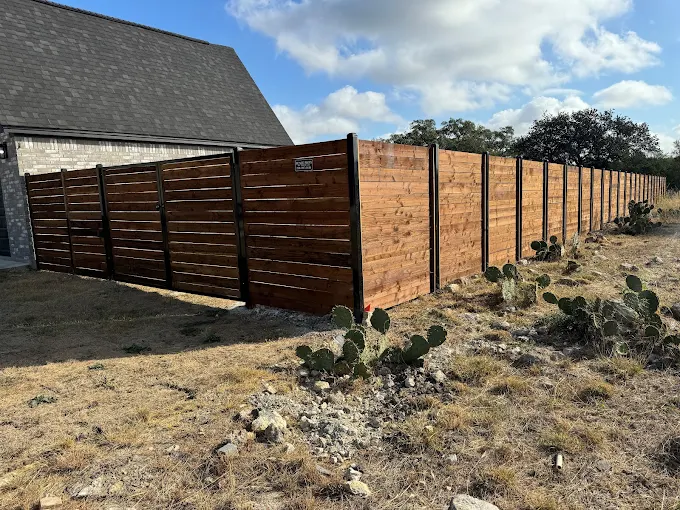
Maintenance Tips for Long-Lasting Fence Staining
North Texas sun is no joke. In Plano, summer UV levels regularly rank among the highest in the country, and we see more than 230 sunny days a year. That’s great for outdoor living—but brutal on your fence stain. Add in sudden thunderstorms, clay soil movement, and sprinkler overspray, and it’s easy to see why many local property owners watch a fresh stain job fade or peel in just a couple of years.
Yet with the right products and a smart maintenance routine, a quality stain job on your fence can last far longer than that—often 3–5 years or more, even in our Plano climate. That means better curb appeal, stronger wood, and fewer major repairs down the road.
This guide walks you through how to protect your investment, whether you’ve got a simple backyard privacy fence, a commercial perimeter, or a mix of Wood Fences and Metal Fence Installation on your property. You’ll learn what damages stain fastest in North Texas, how to spot early warning signs, and the exact maintenance steps that keep your fence looking sharp year after year.
Key Insight: Long-lasting fence staining isn’t about one “perfect” product—it’s about consistent, simple maintenance matched to our local climate and your specific fence material.
Understand How Plano’s Climate Beats Up Your Fence Stain
Before you can protect your stain, it helps to know what it’s up against. Plano sits in a zone where we get intense UV exposure, wide temperature swings, and periods of drought broken by heavy rain. All of that accelerates how quickly stain breaks down.
The Big Three Stain Killers in North Texas
- UV Radiation: Direct sun causes stain pigments and binders to break down. South- and west-facing fence lines in Plano neighborhoods like Legacy West or near US-75 fade the fastest.
- Moisture Cycles: Heavy storms followed by hot, dry days cause wood to swell and shrink. That movement stresses the stain film and can lead to cracking or peeling.
- Organic Growth: Shaded areas near trees or sprinkler lines often develop mildew and algae, especially on older Wood Fences that weren’t sealed properly.
A recent industry study found that unprotected exterior wood in high-UV zones can lose up to 50% of its natural color in just 6–12 months. That’s why you see gray, weathered fences all over older Plano neighborhoods.
“Stain is your first line of defense against UV and moisture—but it’s not ‘set it and forget it.’ Treat it like you would your car’s paint.” — Fence Finishing Specialist, Fence Pros of Texas
Practical Local Example:
We worked with a Plano homeowner near Preston Road who had a 7-foot cedar privacy fence that turned dull and gray after only two years. The fence backed up to a wide open greenbelt with full sun all afternoon. By switching to a higher UV-resistant semi-transparent stain and setting up a simple 18-month maintenance schedule, we extended the fence’s fresh look and cut back on board replacements significantly.
CALLOUT: If your fence runs east–west along the back of your property, the side facing south will almost always need more frequent attention than the north-facing side.
Choose the Right Stain Type for Your Fence and Use
The best maintenance plan starts with the right product. Not all stains perform the same, and what works on a decorative Residential Fence Installation may not be ideal for a high-traffic commercial perimeter.
Oil-Based vs. Water-Based Stains
| Feature | Oil-Based Stain | Water-Based Stain |
|---|---|---|
| UV Resistance | Excellent, especially in darker tones | Good to very good, improving with newer tech |
| Penetration | Deep into wood fibers | More film-forming on surface |
| Dry Time | Longer (8–24 hours) | Faster (2–8 hours) |
| Maintenance | Easier re-coats, no heavy sanding | May need more prep if film builds |
| Best For | High-sun areas, older wood, privacy fences | Newer installations, eco-sensitive projects |
For Plano’s climate, oil-based semi-transparent stains are often the workhorse choice for cedar and pine Wood Fence Installation. They soak in deeply, highlight the grain, and are relatively forgiving to re-apply.
Match Stain to Fence Type and Purpose
- Privacy Fence Installation: Semi-transparent or semi-solid stains provide a balance of color and wood visibility with strong UV protection.
- Security Fence Installation: Darker, more opaque colors can extend life and hide wear, especially on large commercial runs.
- Decorative Fence Installation or Glass Fences: Lighter tones or clear sealers preserve aesthetics but may require more frequent touch-ups.
Case Study – Commercial Property in Plano:
A medical office off Coit Road had a perimeter of Wrought Iron Fences combined with cedar screening panels. Their original clear sealer on the wood failed in under two years, and the wood turned gray. We switched them to a high-quality, oil-based semi-solid stain in a medium brown tone. The new system added UV blockers and made future touch-ups simple—critical for a busy practice that couldn’t afford ongoing disruptions.
Prep Like a Pro: Cleaning and Inspection Before Restaining
The longest-lasting stain jobs in Plano all have one thing in common: thorough prep. Skipping or rushing this step is the fastest way to shorten the life of your stain.
Start with a Careful Inspection
Walk your fence line and look for:
- Graying or silvered wood
- Peeling or flaking stain
- Mold, mildew, or dark spotting
- Loose pickets, warped boards, or popped nails
- Rot at the bottom of posts or where sprinklers hit
Any structural issues should be handled as Fence Repair or partial Fence Replacement before staining. There’s no point in sealing damaged or rotting boards.
“Think of stain as a preservative finish, not a band-aid. Fix the wood first, then protect it.” — Project Manager, Fence Pros of Texas
Cleaning the Surface
For most Plano fences, a combination of:
- Low-pressure washing (not blasting)
- A wood cleaner/brightener
- Light brushing in problem areas
does the job. The goal is to remove dirt, algae, old loose stain, and gray fibers without gouging the wood.
Real-World Example – West Plano Backyard:
A homeowner near the Shops at Legacy had a 6-year-old cedar fence with heavy sprinkler overspray. The bottom 2 feet were dark and moldy. Instead of replacing the whole fence, we:
1. Gently pressure-washed with a wood-safe cleaner
2. Treated mildew with a specialized solution
3. Replaced only the worst boards
4. Allowed 48 hours of dry time
5. Applied a fresh stain and sealer system
The result looked close to a new Residential Fence Installation, and the owner saved thousands compared to a full tear-out.
CALLOUT: Proper drying time after washing is critical. In North Texas humidity, 24–72 hours is typical, depending on sun exposure and airflow.
Smart Maintenance Schedule: How Often Should You Restain?
One of the most common questions we hear in Plano is, “How often do I really need to restain my fence?” The honest answer: it depends on your exposure, wood type, and stain product—but there are clear guidelines.
General Timeframes for North Texas
- Transparent/Light Stains: Every 12–24 months
- Semi-Transparent Stains: Every 18–36 months
- Semi-Solid/Solid Stains: Every 3–5 years (with proper prep)
Instead of watching the calendar only, also watch for these signs:
- Color has faded more than 30–40% from original
- Water no longer beads up but soaks in quickly
- Surface feels dry, rough, or chalky
- Visible hairline cracking in the stain film
“If you wait until boards start warping or rotting, you’ve waited too long. Re-stain when protection is fading, not when damage is obvious.” — Lead Estimator, Fence Pros of Texas
Seasonal Timing in Plano
For best results, aim for:
- Early Spring (March–April): Ideal temps, less extreme sun, prepares fence for summer.
- Early Fall (late September–October): Cool enough for comfortable work, but warm/dry enough for good curing.
Try to avoid:
- The hottest weeks of July/August when the stain can flash-dry.
- Rainy stretches or days with high winds and airborne dust.
Example – Plano HOA Fence:
An HOA near Independence Parkway set up a 3-year maintenance rotation for their long run of cedar Privacy Fence Installation. Each year, they restain roughly one-third of the perimeter. This spreads out cost, keeps the community looking consistent, and prevents the “all at once” shock of a full replacement.
Everyday Habits That Quietly Extend Stain Life
You don’t always need a big project to protect your fence. Small, consistent habits have a huge impact on how long your stain holds up.
Control Water Exposure
- Adjust Sprinklers: Make sure heads aren’t blasting the fence directly. Overspray is a major culprit behind early failure in Plano neighborhoods with automatic systems.
- Improve Drainage: Avoid mulch or soil piled against the bottom of the fence. Keep a small gap so the lower boards can dry.
- Clean Splash Zones: Areas near pools or driveways can get hit with chlorinated water or road grime—rinse them occasionally with a hose.
Manage Vegetation
Keep plants from trapping moisture against the fence:
- Trim shrubs and vines back a few inches from the boards.
- Avoid letting ivy or climbing plants use your fence as a trellis; they hold moisture and hide damage.
- Clear leaves and debris from the base line after storms.
Mini-Story – East Plano Rental Duplex:
A landlord with several duplexes off Jupiter Road called us about repeated bottom-board rot on his stained Chain Link Fence Installation with wood privacy slats. The real issue turned out to be landscapers piling mulch and soil against the fence every spring. Once we corrected grading, pulled back landscaping, and refreshed the stain, the rot stopped—and so did the annual repair bills.
CALLOUT: Simple fixes like redirecting a sprinkler head or trimming shrubs can easily add 1–2 years to the life of your stain coat.
Different Materials, Different Maintenance: Matching Care to Your Fence Type
Many properties in Plano aren’t just one fence type. You might have a wood privacy fence in the back, Aluminum Fences or Wrought Iron Fences in the front, and a run of Chain Link Fences along a side yard or commercial area. Each material behaves differently under stain or coating.
How Common Fence Types Respond to Stain/Finish
| Fence Material | Typical Finish/Protection | Maintenance Focus in Plano |
|---|---|---|
| Cedar/Pine Wood | Stain + sealer | UV, moisture, soil contact |
| Wrought Iron / Steel | Paint or specialized coating | Rust prevention, chips, scratches |
| Aluminum | Powder coat finish | Cleaning, checking for damage |
| Vinyl | Integral color, UV inhibitors | Washing, checking for cracks or warping |
| Corrugated Metal Fences | Paint or factory coating | Rust at fasteners/edges, scratching |
| Mixed Material Fences | Combo (wood stain + metal coating) | Coordinated schedule for each material |
- Vinyl Fences don’t need stain, but they do need washing and occasional inspection so they don’t overshadow a faded wood fence nearby.
- Mixed Material Fences (wood with steel posts, or wood with metal panels) may require separate maintenance steps for each component.
“The goal is a unified look. Even if the metal is low-maintenance, a tired, faded wood section will drag everything down.” — Design Consultant, Fence Pros of Texas
Example – Plano Estate Property:
A custom home near Gleneagles Country Club had Estate Gates, Residential Gates, and a perimeter of cedar fencing with metal posts and decorative Railings. We set a staggered plan:
- Light cleaning and inspection of metal each year
- Wood fence stain refresh every 3 years
- Detailed touch-up painting on gates every 4–5 years
This kept the entire property visually cohesive and protected without over-servicing the lower-maintenance materials.
What This Means for Businesses in Plano, TX
For Plano businesses, HOAs, and property managers, fence stain maintenance is more than just appearance. It directly affects your operating costs, brand image, and even security.
Cost and Lifecycle Benefits
A well-maintained stained fence:
- Lasts longer before major Fence Replacement is needed
- Reduces emergency Fence Repair calls after storms
- Keeps your perimeter functional and attractive for tenants and customers
Consider a commercial property along the President George Bush Turnpike with a 600-foot stained cedar screen fence. Replacing that entire run might cost tens of thousands of dollars. By contrast, scheduled cleaning and re-staining every 3–4 years is a fraction of that cost—and can easily add 5–10 years to the fence’s useful life.
Brand and Curb Appeal
Whether you operate a medical office near Plano Parkway, manage a retail center off Spring Creek, or run a farm-style venue on the outskirts of town with Farm Fencing, your fence is part of your brand story. Peeling stain, gray boards, or uneven color sends the wrong message.
- Commercial Fence Installation with consistent, rich stain communicates professionalism and care.
- Well-kept fences around outdoor seating, pool areas, or Pool Fence Installation zones help customers feel safe and welcomed.
- For multifamily properties, a fresh-looking perimeter fence can be the difference between a prospect driving in—or driving past.
Operational Considerations
Businesses also have to think about:
- Coordinating maintenance with operating hours
- Access control during work (especially for Access Control and Commercial Gates)
- ADA and safety compliance while areas are taped off or damp
Working with a local contractor who understands Plano’s codes, weather patterns, and business rhythms makes it far easier to schedule stain maintenance with minimal disruption.
Frequently Asked Questions
Q: How do I know if my fence is ready to be restained or if it needs to be replaced?
A: Start with a simple test: splash water on the fence. If it soaks in quickly and the wood darkens, your stain protection is likely worn out and you’re due for maintenance. Then look for structural issues—severe rot at the base, leaning posts, or widespread cracking. If more than 20–30% of boards or posts show serious damage, Fence Replacement may be more cost-effective than repeated Fence Repair. In Plano, we often see fences around 15–20 years old that are better candidates for a new Residential Fence Installation or Commercial Fence Installation rather than another stain cycle.
Q: Does stain color affect how long my fence will last in Plano’s sun?
A: Yes. Darker stain colors generally contain more pigment, which means more UV blockers. In our intense North Texas sun, a medium to dark semi-transparent or semi-solid tone often outperforms very light or clear finishes. That doesn’t mean you must go dark, but if you want a natural look, consider a slightly richer tone that still shows the grain. We often guide Plano homeowners toward colors that balance aesthetics with performance, especially on high-exposure runs or Privacy Fence Installation that face west or south.
Q: Can I stain my fence myself, or should I hire a professional?
A: Many handy homeowners can handle a small backyard project, especially on newer Wood Fences. However, there are trade-offs. Pros bring commercial-grade cleaners, sprayers, and knowledge of how different woods and previous coatings react. They also manage protection of landscaping, hardscapes, and neighboring properties. For large properties, mixed materials, or fences with integrated Residential Gates or Access Control systems, professional staining is usually more efficient and yields longer-lasting results. If your fence borders neighbors, a pro can also help coordinate access and expectations.
Q: How does fence staining differ for commercial properties compared to homes?
A: Commercial projects in Plano often involve longer fence runs, higher traffic, and security concerns. The stain system must be durable, consistent, and easy to touch up. You may also be working with a mix of Metal Fence Installation, Wood Fence Installation, and even Security Fence Installation with bar tops or anti-climb features. Professional crews schedule around business hours, maintain safe access, and coordinate with property managers. We typically recommend more robust products and a clear maintenance calendar for commercial sites to protect the investment and appearance of Commercial Fencing and Commercial Gates.
Q: What’s the best way to maintain fences that combine wood with metal or vinyl elements?
A: Treat each material for what it is, not as one system. Wood sections need periodic stain and sealer; metal (like Wrought Iron Fences or Aluminum Fences) require cleaning and touch-up coating where chips or rust appear; vinyl benefits from washing and inspection. On Mixed Material Fences, we often create a coordinated schedule: for example, restain wood every 3 years and perform quick metal/vinyl checks at the same time. This keeps the entire assembly—from Railings to panels—looking unified and prevents one material from aging faster than the others.
Q: Will staining my fence help with security or is it just cosmetic?
A: While stain itself doesn’t stop intruders, it plays a real role in overall security. A well-maintained fence is structurally stronger and less likely to have weak spots where boards break or posts fail. Regular stain maintenance forces you to inspect your perimeter, catch issues early, and keep Security Fence Installation and Gates working properly. For facilities with Access Control or sensitive areas, combining strong stain maintenance on wood screens with durable Metal Fence Installation or Chain Link Fences is a smart, layered approach to security.
Q: How does staining work with HOA rules and shared fences in Plano neighborhoods?
A: Many Plano HOAs specify approved stain colors and products for Residential Fencing. If you share a fence line with neighbors, coordinating stain timing and color keeps things consistent and can reduce conflicts. We often work with HOAs and multiple homeowners at once to set up a unified plan, sometimes combining minor Fence Repair with group staining for better pricing. Before starting, check your HOA guidelines or talk with your board; they may already have recommended colors and maintenance intervals, especially in communities with long, shared Privacy Fence Installation runs.
Ready to Get Started?
Plano’s weather won’t go easy on your fence, but a smart maintenance plan can. If your stain is fading, water no longer beads on the boards, or you’re just tired of looking at a dull, gray fence, this is the perfect time to act—before another Texas summer or storm season accelerates the damage.
Fence Pros of Texas offers professional staining services tailored to local conditions, whether you’ve got a small backyard fence, a large commercial perimeter, or a mix of wood, metal, and gates. We can inspect your existing fence, recommend the right products, handle any needed Fence Repair, and set you up with a maintenance schedule that fits your budget and property goals.
Don’t wait until boards start failing or your fence becomes an eyesore. A timely stain refresh is one of the most cost-effective ways to protect your investment and keep your property looking its best in Plano’s competitive market.
About Fence Pros of Texas
Fence Pros of Texas is a locally focused fence contractor serving Plano and the surrounding North Texas communities. Our team specializes in Residential Fence Installation, Commercial Fence Installation, Farm Fencing, professional Staining, and custom Gates and Railings. With years of experience in our unique climate and soil conditions, we design, build, and maintain fences that look great and last. Whether you need a new fence or want to extend the life of the one you have, we’re here as your long-term partner in perimeter protection and curb appeal.