
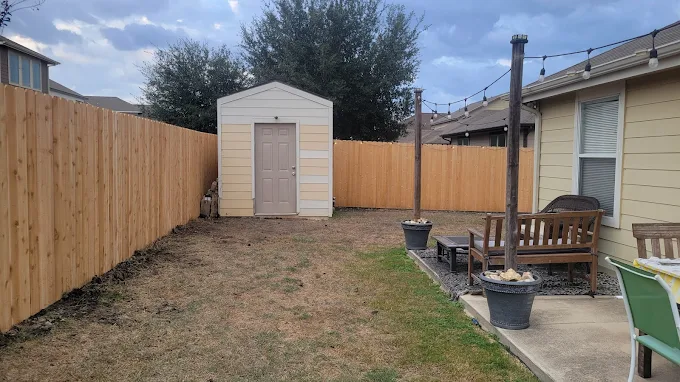
Long-Lasting Solutions with Quality Fence Staining
A North Texas summer can bake a new wood fence to a faded gray in a single season. Add in spring storms, sudden cold snaps, and constant sun, and it’s no surprise many Plano property owners feel like their fences age years in just a few months. According to industry data, unstained wood fencing can lose up to 50% of its structural strength in as little as 10 years, while properly stained and maintained fences often last 15–20 years or more.
For homeowners, HOAs, and businesses across Plano, that difference isn’t just cosmetic—it’s real money. A full Wood Fence Replacement can cost several times more than a professional staining and maintenance program. Quality fence staining is one of the simplest ways to protect your investment, extend the life of your fence, and keep your property looking sharp.
This guide walks you through how staining works, the science behind long-lasting protection, how to choose products and colors, and what to expect from a professional staining service. You’ll see real-world examples from right here in Plano and learn how to get the most from every dollar you spend on your fence.
Key Insight: The right stain, applied the right way at the right time, can easily double the usable life of your fence while dramatically improving its appearance and reducing long-term repair costs.
Why Plano Fences Fail Faster Than You Expect
Plano sits in a climate that’s tough on exterior wood. We see high UV exposure, wide temperature swings, and plenty of moisture from storms and humidity. All of that accelerates the natural breakdown of wood fibers—especially in untreated or poorly treated fences.
The Enemies of an Unprotected Fence
Here’s what your fence is up against year-round:
- UV Radiation: Sunlight breaks down lignin, the “glue” that holds wood fibers together, causing graying and surface erosion.
- Moisture Cycles: Rain, sprinklers, and humidity soak into the boards, then evaporate. That repeated swelling and shrinking leads to warping, cupping, and cracking.
- Heat & Cold: Rapid changes—like a cool morning followed by a 100°F afternoon—stress the wood and fasteners.
- Biological Growth: Mildew, mold, and algae thrive on damp, unprotected surfaces, especially on the shaded sides of fences.
A Plano homeowner off Legacy Drive recently called Fence Pros of Texas about a six-year-old cedar fence that looked closer to fifteen. The boards were cupped, the color was washed out, and several posts had started to rot at the base. The fence had never been stained. The repair estimate came close to the cost of a full new Residential Fence Installation.
“Most premature fence failures we see in Plano have one thing in common: no protective stain or a low-quality product that didn’t hold up.” — Fence Pros of Texas Team
CALLOUT: If your fence is already graying, checking, or warping, you’re not too late—but you are on the clock. The longer raw wood is exposed, the more expensive the eventual fix.
How Quality Stain Protects Your Fence for the Long Haul
Not all stains are created equal. The difference between a bargain big-box product and a professional-grade stain is often the difference between re-staining every year and enjoying a beautiful fence for 3–5 years before the next maintenance cycle.
What a Good Stain Actually Does
A high-quality fence stain provides multiple layers of defense:
- UV Protection: Pigments and UV inhibitors act like sunscreen, slowing the graying process and preserving the wood’s structure.
- Water Repellency: Oils or resins penetrate the wood, reducing water absorption and helping prevent swelling, splitting, and rot.
- Mildew Resistance: Many professional stains include mildewcides to keep growth at bay in our humid North Texas conditions.
- Color & Aesthetics: From natural cedar tones to rich walnuts, stain enhances the grain and can match other elements like Wrought Iron Fences or Mixed Material Fences on your property.
We recently worked with a small office park near Preston Road that had installed a beautiful new cedar privacy fence. They wanted it to stay that way. We applied a professional oil-based stain with strong UV blockers within 30 days of installation. Three summers later, after record heat, the fence still looked rich and even, with no cupping or premature cracking.
Traditional vs. Professional-Grade Staining Products
| Feature | Typical Big-Box Stain | Professional-Grade Fence Stain |
|---|---|---|
| UV Protection | Light to moderate | High, designed for full-sun exposure |
| Penetration Depth | Shallow surface penetration | Deep penetration into wood fibers |
| Expected Lifespan (Plano sun) | 1–2 years | 3–5 years (with proper prep) |
| Mildew & Mold Resistance | Basic | Formulated for high-humidity climates |
| Color Consistency | More prone to blotching | More even, especially on new cedar |
| Recoat Process | Often requires stripping | Typically simple clean-and-recoat |
CALLOUT: A quality stain isn’t just about color—it’s a protective system. The upfront cost is higher, but the cost per year of protection is usually much lower.
Timing, Prep, and Application: The Three Pillars of a Lasting Stain Job
Even the best product will fail early if it’s applied at the wrong time or over poorly prepared wood. Proper technique matters just as much as the stain itself.
Getting the Timing Right
For new fences in Plano:
- Allow 2–6 weeks for the wood to dry, depending on species and weather.
- Cedar typically dries faster than pressure-treated pine.
- You want the wood dry enough to absorb stain but not so weathered that UV damage has already started.
For older fences:
- Stain as soon as you notice significant graying, water soaking in instead of beading, or early signs of cracking.
- If boards stay dark or damp long after rain, you may already have moisture issues that need attention before staining.
We helped a family near Oak Point Park who had installed a new fence in early spring but waited nearly a year to stain. By then, the south-facing side had heavy graying and surface checking. Our team had to do a full clean, brighten, and prep process before staining—a more involved (and more expensive) job than it would have been months earlier.
Proper Surface Preparation
Quality prep usually includes:
- Cleaning: Removing dirt, mildew, and contaminants with a specialized cleaner.
- Soft Washing or Low-Pressure Rinse: Avoiding high-pressure blasting that can damage wood fibers.
- Brightening (if needed): Restoring natural color and pH balance for better stain absorption.
- Drying: Allowing adequate drying time before stain application.
“Skipping prep is like painting over dust—you might get color, but you won’t get durability.” — Fence Pros of Texas Team
Application Best Practices
- Apply stain in suitable weather: moderate temperatures, dry conditions, and no extreme wind.
- Use professional sprayers with back-brushing for even coverage.
- Pay special attention to end grains, tops of boards, and cut areas where water intrusion is most likely.
Matching Stain Strategy to Your Fence Type and Property Use
Not every fence needs the same approach. A backyard privacy fence, a commercial perimeter barrier, and a horse pasture fence all face different demands and priorities.
Residential Privacy and Decorative Fences
For backyard privacy fences around homes in neighborhoods like Willow Bend or Ridgeview Ranch, the goals are usually:
- Long-term protection
- Attractive, consistent color
- Good match with the home’s exterior and landscaping
Here, a rich semi-transparent or semi-solid stain is often ideal. It highlights the natural wood while offering strong UV defense. If your yard also features Glass Fences around a pool or decorative Aluminum Fences along the front, stain color can be chosen to complement these materials.
A Plano homeowner near the Shops at Legacy chose a warm cedar-tone stain for their backyard fence to coordinate with a dark bronze Pool Fence Installation. The result was a cohesive outdoor space that boosted curb appeal and resale value.
Commercial and Security Fences
For businesses using Commercial Fence Installation to secure their properties—think warehouses, medical offices, or retail centers—priorities shift toward:
- Durability and low maintenance
- Consistent, professional appearance
- Integration with Access Control systems and Commercial Gates
A slightly darker semi-solid stain can reduce the appearance of dirt and weathering, which is especially useful along busy roads like US-75 or Plano Parkway.
Agricultural and Farm Fencing
For properties using Farm Fencing—such as horse ranches or small acreage homesteads around the outskirts of Plano—the focus is on:
- Protecting animals from splinters and broken boards
- Extending the life of long fence runs
- Keeping maintenance manageable
Here, penetration and flexibility matter more than rich color. A lighter-toned, deeply penetrating stain can help prevent cracking and warping on long runs of board fence that see a lot of sun and weather.
CALLOUT: Your stain strategy should follow how you use the fence. A one-size-fits-all product rarely delivers the best results across residential, commercial, and agricultural properties.
Cost, Value, and Maintenance: Stain vs. Letting Your Fence Weather
Many property owners hesitate to invest in staining because the fence “looks fine for now.” The real comparison, though, is between the lifecycle cost of regular staining and the cost of early replacement or extensive Fence Repair.
The Financial Picture in Plano
Here’s a simplified comparison for a typical 150-linear-foot cedar privacy fence in Plano:
| Scenario | Upfront Cost (Approx.) | Major Work Needed | Expected Fence Life | Long-Term Cost Outlook |
|---|---|---|---|---|
| No Stain, Minimal Maintenance | Lowest | Full replacement in 8–10 years | 8–10 years | Highest over 20 years |
| DIY Stain, Budget Products | Low to moderate | More frequent re-staining | 10–12 years | Moderate, but more owner labor |
| Pro Stain Every 3–5 Years | Moderate upfront, recurring | Occasional repairs, delayed replacement | 15–20+ years | Lowest cost per year of service |
In practice, we’ve seen well-maintained, professionally stained fences in Plano neighborhoods reach 18–20 years before needing full replacement, while similar unstained fences start failing structurally around year 8–10.
Ongoing Maintenance Expectations
A smart maintenance plan typically includes:
- Visual inspection once or twice a year
- Light cleaning as needed to remove dirt, mildew, or sprinkler stains
- Re-staining every 3–5 years depending on:
- Sun exposure (south and west sides age fastest)
- Fence material
- Color depth and type of stain
“Regular staining is like changing the oil in your car. Skip it long enough, and the real cost shows up all at once.” — Fence Pros of Texas Team
Integrating Staining with New Fence Projects and Other Upgrades
The best time to think about staining is before you build—or at least as soon as you schedule your new fence. Coordinating installation, staining, and related upgrades creates a more seamless, cost-effective project.
Staining as Part of a New Fence Installation
If you’re planning a new Wood Fence Installation or upgrading from an older Chain Link Fence Installation to a privacy fence, consider:
- Choosing a fence design and wood species with your long-term stain color in mind.
- Scheduling staining as a follow-up service within the recommended drying window.
- Ensuring gates, posts, and any decorative trim are included in the staining plan.
For a homeowner near Plano’s historic downtown, Fence Pros of Texas installed a new cedar privacy fence and an estate-style Estate Gates entry. By handling both the fence and staining, we were able to:
- Match stain color across the fence and wood gate elements
- Protect every cut and exposed end grain
- Deliver a finished project that looked cohesive from day one
Coordinating with Other Materials
Many Plano properties use a mix of fencing materials:
- Aluminum Fence Installation along street fronts
- Metal Fence Installation or Corrugated Metal Fences for modern design
- Decorative Fence Installation blending wood and metal
- Security Fence Installation paired with automated gates and cameras
A thoughtful staining plan:
- Highlights wood elements without clashing with metal or glass
- Protects any wood integrated into Gates or Railings
- Supports your overall property design and brand image (especially for commercial sites)
CALLOUT: When you plan a new fence or upgrade, ask your contractor to show you how the stained wood will look next to existing metal, brick, or glass elements. A simple stain board can prevent expensive mismatches.
What This Means for Businesses in Plano, TX
For Plano businesses—whether you’re operating a medical office near Baylor Scott & White, running a retail center along Preston, or managing a light industrial property off 190—your fence does more than mark a boundary. It communicates security, professionalism, and pride in your property.
A neglected, gray, or failing fence can:
- Undermine customer confidence
- Create safety and liability concerns
- Attract vandalism or trespassing
- Trigger HOA or municipal complaints
On the other hand, a well-maintained, professionally stained fence:
- Reinforces your brand image and curb appeal
- Protects your investment in Commercial Fencing and Commercial Gates
- Reduces long-term capital expenses by extending fence life
- Makes it easier to integrate signage, access control, and landscaping
Plano’s competitive business environment means details matter. In an area where commercial properties sit close to major thoroughfares and residential neighborhoods, your perimeter is always on display. A smart staining and Fence Maintenance plan is a relatively small line item that pays off in reduced replacement costs and a stronger, more professional presence.
For multi-site owners or property managers, partnering with a staining and fencing specialist like Fence Pros of Texas allows you to standardize stain colors, maintenance intervals, and performance expectations across locations—from Plano to neighboring North Texas communities.
Frequently Asked Questions
Q: How soon after installing a new wood fence in Plano should I have it stained?
A: In most cases, you’ll want to stain your new fence within 2–6 weeks of installation. That window allows the wood to dry enough to absorb stain properly, while still being early enough to prevent UV damage and surface graying. Cedar fences often reach the right moisture level faster than pressure-treated pine. Weather also plays a role—after a rainy stretch, the fence may need extra time to dry. A professional contractor can test moisture levels and recommend the ideal timing so your Wood Fence Installation gets protected before our Texas sun starts to break it down.
Q: My fence is already gray and a little warped. Is staining still worth it, or do I need a replacement?
A: Often, yes—staining is still worth it. Graying is a surface condition that can frequently be corrected with proper cleaning and brightening before stain is applied. Minor warping and checking are normal in older fences and don’t always mean you need a full Fence Replacement. A professional evaluation can identify any structural issues, such as rotten posts or severely cracked boards. In many Plano projects, we’ve been able to replace a limited number of boards, perform targeted Fence Repair, and then stain, giving the fence several more years of service at a fraction of replacement cost.
Q: How often will I need to re-stain my fence in Plano’s climate?
A: For most professionally stained fences in Plano, a 3–5 year cycle is typical. South- and west-facing sections that receive intense afternoon sun may need fresh stain a bit sooner than shaded areas. The type of stain also matters; semi-solid stains with more pigment often last longer than lighter, more transparent products. You can do a simple water test—sprinkle water on the fence. If it beads and runs off, the stain is still doing its job. If the water soaks in quickly, it’s time to schedule your next staining to preserve your Privacy Fence Installation or decorative fence.
Q: Can I stain my fence myself, or should I hire a professional?
A: DIY staining is possible, but there are trade-offs. Homeowners often underestimate the importance of surface prep, moisture testing, and even application. Using the wrong product or applying stain to damp wood can lead to peeling, uneven color, and a much shorter lifespan. Professionals bring commercial-grade cleaners, sprayers, and stains formulated for our North Texas climate, along with experience working around Residential Gates, landscaping, and hardscapes. Many Plano property owners find that by the time they purchase equipment, cleaners, and quality stain—and invest their own time—the savings over a professional job are smaller than expected.
Q: We have a mix of wood and metal fencing. Will staining affect our metal sections or gates?
A: When handled correctly, staining should not damage metal fencing or gate components. Professional crews mask or shield adjacent surfaces, including Aluminum Fences, Wrought Iron Fences, and metal-framed Gates, to prevent overspray. If your property uses integrated designs like Mixed Material Fences or wood-and-metal Railings, your contractor can select stain colors that complement existing finishes. Communication is key—be sure to discuss all materials on-site so the crew can protect them and create a cohesive look.
Q: Does staining help with security or is it just cosmetic?
A: While stain doesn’t turn a standard fence into a high-security barrier, it does support your overall Security Fence Installation strategy. A well-maintained, structurally sound fence is harder to breach than one with rotting boards or failing posts. Stain slows rot, splitting, and warping, which keeps panels tight and gates functioning properly. For commercial properties with Access Control systems and Commercial Gates, maintaining the fence line reduces unexpected failures and ensures that your electronic security measures aren’t undermined by a deteriorating physical barrier.
Q: Will staining change how my fence looks compared to my neighbors’ in an HOA community?
A: Many Plano HOAs actually prefer or require staining because it keeps the neighborhood looking consistent and well cared for. Some associations specify approved stain colors or tones for Residential Fencing. If you live in an HOA community, it’s wise to review the guidelines or talk with your board. Fence Pros of Texas regularly works with HOA standards across Plano and can recommend colors that meet requirements while enhancing your home’s style. Done properly, staining tends to elevate the appearance of the entire street, not make your fence stand out in a negative way.
Ready to Get Started?
Plano’s weather won’t wait, and neither should your fence. Every season your fence sits unprotected, UV rays, heat, and moisture are quietly shortening its life and pushing you closer to an expensive replacement. A professional staining service is one of the most cost-effective ways to protect your investment—whether you’ve just completed a new Residential Fence Installation or you’re trying to extend the life of an older fence that’s starting to show its age.
Fence Pros of Texas can inspect your fence, recommend the right stain type and color, and handle all the prep and application with minimal disruption to your home or business. Our team understands Plano’s climate, HOA expectations, and the needs of both residential and commercial properties. Schedule a consultation now to lock in your spot before peak season, when demand and wait times are highest.
Protect your fence, enhance your curb appeal, and avoid premature replacement costs—starting with a simple, professional staining plan tailored to your property.
About Fence Pros of Texas
Fence Pros of Texas is a locally focused fencing and staining specialist serving Plano and the surrounding North Texas communities. Our team brings years of hands-on experience with Residential Fence Installation, Commercial Fencing, Farm Fencing, gates, railings, and professional staining services. We combine quality materials, proven techniques, and an understanding of Plano’s unique climate to deliver fences that look better and last longer. Learn more about our services and commitment to craftsmanship at Fence Pros of Texas.