
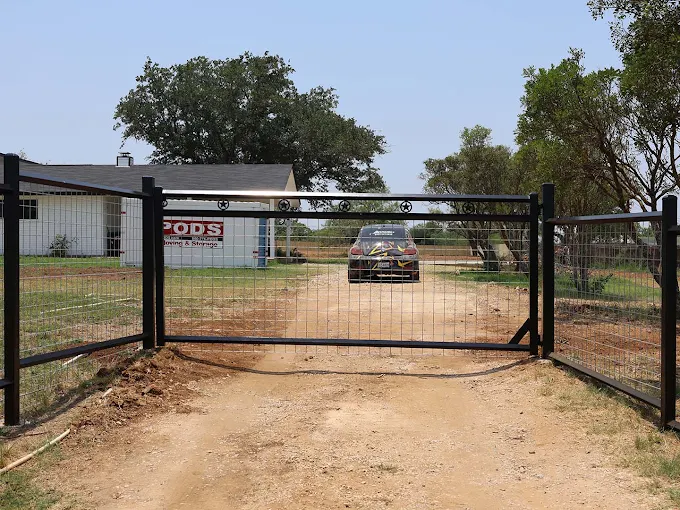
Importance of Proper Fence Staining Maintenance
On a 98-degree afternoon in Plano, you can almost feel your fence baking in the Texas sun. Add in sudden thunderstorms, high humidity, and the occasional hailstorm, and it’s no surprise that unstained or poorly maintained fences start to gray, warp, and crack in just a few short years. In fact, studies show unprotected wood exposed to full sun can lose up to 40% of its structural strength in as little as 5–7 years.
For homeowners, HOAs, and businesses across Plano and the North Texas area, that’s not just a cosmetic problem—it’s a property value, safety, and budget issue. A neglected fence can lead to security gaps, failed inspections, and expensive Fence Repair or full Fence Replacement long before it should be necessary.
This guide walks you through why proper fence staining maintenance matters so much in our climate, how it protects your investment, what a good maintenance plan looks like, and how to make smart decisions whether you manage a Plano neighborhood, run a local business, or care for a family home.
Key Insight: Consistent, professional fence staining can easily double—or even triple—the lifespan of your wood fence in Plano’s harsh weather, while keeping it safer, stronger, and better looking year after year.
Why Texas Weather Is So Hard on Your Fence
North Texas is tough on exterior structures. Wood fences, in particular, face a constant cycle of expansion, contraction, and UV breakdown that accelerates wear and tear.
The Plano Climate Problem
In Plano, your fence typically faces:
- Intense UV exposure 250+ days a year
- Temperature swings of 30–40 degrees in a single day
- Wind-driven rain and occasional hail
- High humidity followed by rapid drying
Without proper staining, wood fibers break down quickly. You’ll see:
- Fading from rich color to dull gray
- Hairline cracks that grow into splits
- Warping and twisting boards
- Loose nails, screws, and leaning sections
“Unprotected wood in direct Texas sun can start to degrade visibly in under a year.” — Industry Field Study, Outdoor Structures, 2022
Real-World Example: Plano Backyard Fence
A Plano homeowner installed a beautiful cedar Wood Fence Installation around their backyard. They skipped staining to “save money for now.” Within two years:
- The fence turned gray and blotchy
- Several boards warped away from the rails
- Gates stopped latching properly
- HOA sent a notice about property appearance
By year four, they needed large sections replaced. The cost of repair and late staining ended up being far more than a proper professional stain and maintenance plan right from the start.
CALLOUT: Texas weather doesn’t just age your fence—it shortens its usable life and increases your long-term costs if you don’t protect it.
How Proper Staining Protects Your Fence Investment
Fence staining is more than just color. Done right, it’s a protective system that seals, shields, and stabilizes the wood so it can stand up to Plano’s climate.
What Quality Stain Actually Does
A professional-grade stain and sealant:
- Blocks UV rays – Prevents graying, fading, and fiber breakdown
- Repels water – Reduces swelling, shrinking, and rot
- Resists mildew and fungus – Keeps your fence healthier and cleaner
- Stabilizes the wood – Minimizes warping, cupping, and splitting
Think of it as sunscreen plus a moisture barrier for your fence.
For other materials—like Metal Fence Installation or Wrought Iron Fence Installation—protective coatings and maintenance play a similar role in fighting rust and corrosion, especially around sprinkler lines and low spots where water collects.
Case Study: Commercial Property in Plano
A small office park off Preston Road installed a perimeter Security Fence Installation with wood privacy panels facing the street. They partnered with Fence Pros of Texas for initial staining and a maintenance plan:
- Initial stain applied after construction cure time
- Scheduled inspections every 18–24 months
- Touch-up and recoat on high-exposure sections as needed
Ten years later:
- The fence still looks professional and consistent
- No major structural repairs have been needed
- Property managers report fewer tenant complaints and a stronger first impression
“Proactive staining turned a potential 7-year fence into a 15+ year asset.” — Fence Pros of Texas Project Lead
Staining Schedules: How Often Should You Maintain Your Fence?
One of the biggest questions Plano property owners ask is: “How often do I really need to stain my fence?” The answer depends on your wood type, stain quality, exposure, and usage.
Typical Staining Intervals in Plano
Here’s a general guideline for our climate:
| Fence Type / Finish | Typical Re-Stain Interval (Plano) | Notes |
|---|---|---|
| New cedar with high-quality oil stain | 2–3 years | Shorter on west-facing runs |
| New pine with mid-grade stain | 1.5–2 years | More porous, needs attention |
| Older fence, never stained | Immediate + 1–2 years follow-up | May need repairs first |
| Solid-color acrylic stain/paint | 3–5 years | Peeling requires more prep |
For comparison, here’s how traditional “stain it once and forget it” thinking stacks up against a modern maintenance approach:
| Approach | Traditional Mindset | Modern Best Practice in Plano |
|---|---|---|
| Timing | Stain once after install, then ignore | Plan a maintenance cycle from day one |
| Inspection | Only when something looks bad | Visual check yearly, professional check 2–3 years |
| Budgeting | No set budget, surprise repairs | Predictable line item every 2–3 years |
| Fence Lifespan | 7–10 years | 15–20+ years (with quality materials) |
Example: HOA vs. Non-HOA Neighborhood
In a West Plano HOA community, the board set a standard: every wood fence must be stained within one year of installation and re-stained every 3 years. They partnered with a local contractor for group pricing and consistent color.
Results after 8 years:
- Fences look uniform from street to street
- Property values and curb appeal are noticeably higher
- Fewer disputes between neighbors about “ugly fences”
Just a few blocks away, in a non-HOA neighborhood, many fences from the same original builder now show severe graying, leaning posts, and patchwork repairs—simply because there’s no consistent maintenance expectation.
CALLOUT: A simple, predictable staining schedule is one of the easiest ways to avoid surprise fence failures and big repair bills.
The Hidden Costs of Skipping Fence Staining Maintenance
It’s tempting to put off staining when the fence “still looks okay.” But delay usually shows up later as higher costs, safety concerns, and even compliance issues.
What Neglect Really Costs
Skipping or delaying maintenance can lead to:
- Structural damage – Rot at the base of posts, loose rails, broken pickets
- Safety issues – Gaps pets can escape through, weak spots intruders can exploit
- Liability risks – Falling sections near sidewalks, sharp edges, or exposed nails
- Higher long-term costs – Replacement instead of simple maintenance
For commercial sites that rely on Security Fence Installation and Access Control, a failing wood or mixed-material fence can also compromise security systems and insurance requirements.
“Deferred maintenance is one of the top reasons we see fences fail 5–8 years earlier than they should.” — Senior Estimator, Fence Pros of Texas
Real Scenario: Restaurant Patio in Plano
A popular local restaurant built a cozy patio with a tall Privacy Fence Installation to shield diners from traffic. They never stained it. Within three years:
- Boards bowed outward into the parking lot
- A small section collapsed during a storm
- They had to close the patio for emergency repairs
The emergency repair cost almost three times what a scheduled staining and minor maintenance plan would have over the same period—and they lost revenue while the patio was closed.
Professional vs. DIY: Getting Staining Done the Right Way
Plenty of Plano property owners consider staining a weekend DIY project. For small, simple fences, that can work. But for most residential and commercial properties, the difference in preparation, product selection, and application matters.
What Professional Staining Brings to the Table
A professional Fence Maintenance and staining service typically includes:
- Assessment of wood condition, repairs, and cleaning needs
- Proper washing or stripping of old finishes
- Selection of stain type and color for your specific fence and exposure
- Correct application methods (spray, brush, back-brush)
- Protection for landscaping, hardscapes, and neighboring properties
Plano’s clay soil, irrigation patterns, and frequent dust mean fences here often need more prep than in milder climates. Professionals know how to deal with:
- Sprinkler line staining and water marks
- Soil splash at the base of the fence
- Mold and mildew in shaded or north-facing sections
DIY vs. Professional: A Quick Comparison
| Factor | DIY Homeowner | Professional Staining Service |
|---|---|---|
| Upfront Cost | Lower product cost, higher time investment | Higher upfront, lower long-term failure risk |
| Prep Quality | Often minimal | Thorough cleaning, repairs, and surface prep |
| Product Selection | Big-box store options | Contractor-grade stains matched to your fence |
| Application Consistency | Varies by skill | Even coverage, correct thickness, clean lines |
| Warranty/Guarantee | None | Often includes workmanship/product warranties |
Example: Plano Family with a Corner Lot
A family in East Plano tried to DIY stain their large corner-lot fence. After two weekends:
- They ran out of stain mid-project and couldn’t match the color
- Over-spray hit their brick and a neighbor’s yard
- Coverage was uneven, and several areas were missed
They eventually called a pro to fix and re-do the job, effectively paying twice.
CALLOUT: For high-visibility fences, large properties, or shared boundaries, professional staining usually pays for itself in longevity, appearance, and fewer headaches.
Integrating Staining with Your Overall Fence Strategy
Fence staining doesn’t exist in a vacuum. It’s part of a broader plan to protect and enhance your property’s perimeter, security, and aesthetics.
Matching Stain to Fence Type and Use
Different fence types and uses call for different strategies:
- Backyard privacy fences – Rich, UV-resistant stains to keep a warm look and protect family spaces
- Perimeter fences for farms or large lots – Durable coatings for Farm Fencing, especially near livestock and equipment
- Decorative or mixed material fences – Coordinated stains and finishes for Decorative Fence Installation, Railings, and Estate Gates
- Pool areas – Stains and sealers that pair well with Pool Fence Installation materials and meet local code visibility and safety requirements
A thoughtful plan often combines wood with other materials such as Aluminum Fences, Chain Link Fences, or Mixed Material Fences to balance budget, maintenance, and performance.
Example: Mixed-Use Property in Plano
A small church and daycare facility in Plano needed:
- A warm, inviting front Decorative Fence Installation
- A secure play yard with privacy
- Durable parking lot boundaries
The solution:
- Stained wood privacy fence around the play yard
- Aluminum Fence Installation at the front for visibility and aesthetics
- Coated Chain Link Fence Installation along less-visible property lines
All wood components were placed on a staining maintenance schedule, while metal components were checked periodically for chips, rust, and hardware issues.
What This Means for Businesses in Plano, TX
For Plano businesses, HOAs, and property managers, fence staining maintenance isn’t just a “nice to have.” It directly impacts operating costs, brand perception, and risk management.
Why It Matters Locally
Plano’s competitive commercial market means first impressions count. Whether you manage an office park off the Dallas North Tollway, a retail strip near Legacy West, or an industrial site east of Central Expressway, your perimeter sets the tone before customers ever walk in.
Well-maintained, stained fences:
- Signal professionalism and attention to detail
- Support consistent branding and curb appeal
- Help keep security systems effective and compliant
On the financial side, predictable staining schedules help:
- Spread costs over time instead of facing sudden replacement bills
- Extend the life of capital improvements like Commercial Fence Installation
- Reduce emergency repair calls after storms or high-wind events
Strategic Benefits for Local Operations
For HOAs and multi-tenant properties in Plano:
- Group staining projects can significantly reduce per-home costs
- Standard stain colors maintain a cohesive neighborhood look
- Clear guidelines reduce disputes between owners and boards
For industrial and logistics businesses:
- Protected fences and gates support insurance and security requirements
- Regular inspections catch damage from trucks, forklifts, and heavy use
- Coordinated care for Commercial Gates and fences keeps operations flowing smoothly
In a city where weather, growth, and competition all move fast, treating fence staining as part of your asset management plan—rather than an afterthought—simply makes good business sense.
Frequently Asked Questions
Q: My fence is already gray and weathered. Is it too late to stain it?
A: In most cases, it’s not too late. A gray fence in Plano usually means UV damage to the surface fibers, but much of the underlying structure can still be sound. A professional will first inspect for rot, loose posts, and damaged boards. Then, they’ll clean and sometimes lightly sand or strip the surface to remove dead wood fibers and old finishes. Once prepped, a high-quality stain and sealer can restore rich color and add years of life. Severely damaged sections may need Fence Repair or partial Fence Replacement before staining, but full replacement isn’t always necessary.
Q: How soon after a new fence installation should I stain it in Plano?
A: Timing depends on the type of wood and how it was treated. For most new Wood Fence Installation projects, you’ll typically wait 4–8 weeks for the wood to dry to an optimal moisture level—but not so long that it starts to weather. Pressure-treated pine often needs a bit more time; kiln-dried cedar can sometimes be stained sooner. In Plano’s climate, letting a brand-new fence sit unstained for 6–12 months is usually too long and can lead to early graying and cracking. A local pro can test moisture content and recommend the ideal window.
Q: What type of stain is best for fences in North Texas?
A: For our sun and temperature swings, penetrating oil-based stains are often a strong choice for wood fences. They soak into the wood, offering deep UV protection and water repellency. Semi-transparent stains are popular because they show the grain while providing solid protection. Solid-color stains can offer longer intervals between coats but may peel if not applied correctly. The right product also depends on whether your fence is cedar, pine, or part of a Mixed Material Fences system. Contractor-grade products used by professionals typically outperform off-the-shelf options in longevity and appearance.
Q: How does fence staining interact with gates and access control systems?
A: Gates and access systems are often the most used—and most stressed—parts of your fence line. Proper staining and sealing help keep wood gate frames from swelling, sticking, or sagging, which is crucial for Access Control systems, Commercial Gates, and Residential Gates. During maintenance, a good contractor will also inspect hinges, latches, operators, and nearby posts for wear or movement. Coordinating your staining schedule with gate maintenance reduces downtime and prevents misalignment that can damage motors or controls.
Q: I have both wood and metal fencing on my property. How should I handle maintenance?
A: Many Plano properties combine Aluminum Fences, Chain Link Fences, or Wrought Iron Fence Installation with wood sections. Each material has different needs. Wood requires regular staining and sealing; metal typically needs periodic inspection for rust, loose hardware, and coating damage. Ideally, you schedule a comprehensive perimeter check every 1–2 years, covering all materials at once. That way, your Security Fence Installation, decorative elements, and privacy sections are all maintained together, simplifying budgeting and planning.
Q: Are there HOA or city rules in Plano I should be aware of when staining?
A: Many Plano HOAs have specific requirements for fence appearance, including approved stain colors and maintenance standards. Some specify that all street-facing fences use a uniform color or finish. While the City of Plano typically focuses more on fence height and placement, deteriorated or unsafe fences can draw attention or complaints. Before staining, it’s smart to review your HOA guidelines and any previous approvals for Residential Fence Installation. A local fence contractor who regularly works in Plano communities can often recommend colors and products that align with common HOA expectations.
Q: How does regular staining affect long-term costs compared to replacement?
A: Think of staining as a small, predictable investment that protects a much larger one. A quality wood fence in Plano is a significant expense. Without maintenance, you may face major repairs or full replacement in 7–10 years. With consistent staining and periodic Fence Maintenance, that same fence can often last 15–20 years or more. Over the life of the fence, the cost of scheduled staining is usually far less than the cost of replacing several years early, not to mention the disruption and potential security gaps during replacement.
Ready to Get Started?
Plano’s weather won’t slow down, and neither will the wear on your fence. The sooner you protect your investment with proper staining and maintenance, the more life—and value—you’ll get from it. Whether you’re managing a busy commercial property, overseeing an HOA, or just trying to keep your family’s backyard fence looking great, a clear maintenance plan turns an aging fence into a long-term asset instead of a recurring headache.
This is an ideal time to act, especially before peak summer sun or the next round of storms. A quick inspection and professional staining can often be completed with minimal disruption to your home or business operations. You’ll see an immediate improvement in appearance and know that your fence, gates, and perimeter are better protected for years to come.
Fence Pros of Texas can help you evaluate your current fence condition, recommend the right staining products and schedule, and integrate that plan with any Residential Fence Installation, Commercial Fence Installation, or gate upgrades you’re considering.
About Fence Pros of Texas
Fence Pros of Texas serves homeowners, HOAs, and businesses throughout Plano and the greater North Texas area with professional fencing, gate, and staining services. With years of hands-on experience in our unique climate, the team understands how to design, build, and maintain fences that stand up to Texas weather while enhancing security and curb appeal. From Custom Fence Design and installation to ongoing Fence Maintenance, they focus on quality workmanship, honest recommendations, and long-term value for every client.