
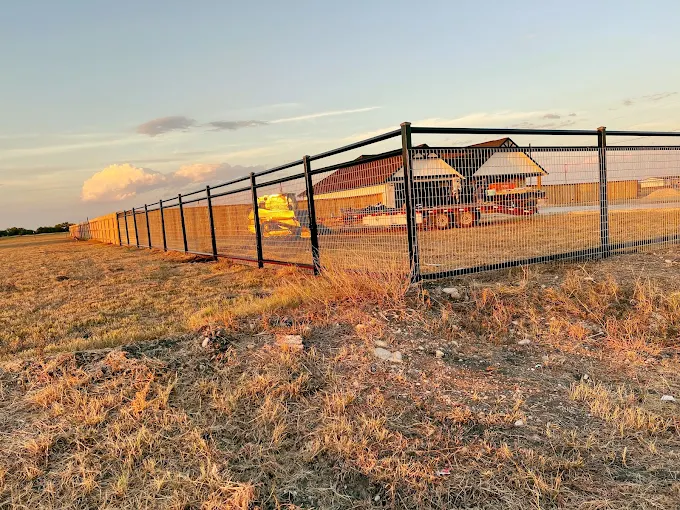
Impact of Residential Fencing on Property Security
On any given evening in Plano, you can drive through neighborhoods and see a clear difference between homes with well-designed fencing and those with no perimeter at all. That difference isn’t just about privacy or curb appeal—it’s about security. According to recent crime data, roughly 60–70% of residential burglaries are crimes of opportunity, where intruders choose the easiest target on the block. A visible, well-maintained fence is often the first signal that a property is not an easy target.
For homeowners in Plano and the greater North Texas area, property values and safety go hand in hand. As the region continues to grow, so does foot traffic, delivery activity, and unfortunately, the potential for trespassing and theft. The right fence can reduce unauthorized access, protect kids and pets, and create a clear boundary between public and private space.
In this guide, you’ll learn how different types of residential fencing impact security, what design features matter most, how to balance aesthetics with protection, and what practical steps you can take to make your home a harder target—without making it feel like a fortress.
Key Insight: Thoughtful residential fencing doesn’t just mark your property line; it shapes how easy—or difficult—it is for someone to approach, enter, and leave your home unnoticed.
How Fencing Changes the Way Intruders See Your Property
Security starts long before someone reaches your front door. It starts at the edge of your property line. A fence is a psychological and physical barrier that affects how a potential intruder evaluates risk.
Criminology research on “target hardening” shows that visible boundaries, lighting, and controlled access significantly reduce the likelihood of crime. In a Plano neighborhood off Preston Road, for example, a cluster of homes without fencing experienced repeated package thefts over one holiday season. After several homeowners invested in Residential Fence Installation—a mix of Wood Fences and Wrought Iron Fences—the number of incidents dropped noticeably, while nearby unfenced homes continued to report issues.
A good fence influences intruders in three key ways:
- Visibility of risk: A solid or tall fence means a thief can’t easily see what’s worth stealing.
- Effort required: Climbing or bypassing a sturdy fence takes time and creates noise and exposure.
- Perceived control: Gates, locks, and signage signal that the property owner is security-conscious.
“Most opportunistic intruders will pass on a property that looks like it will slow them down or draw attention.” — Security Consultant, North Texas
Plano’s family neighborhoods, from Legacy West-adjacent communities to older subdivisions near downtown, benefit from clear boundaries. A fence doesn’t have to look imposing to send a strong message: this property is cared for, and access is controlled.
Choosing Fence Materials with Security in Mind
Not all fences are created equal when it comes to security. The material you choose affects strength, climbability, visibility, and long-term durability—especially in North Texas heat, storms, and shifting soil.
Strength and durability in Plano’s climate
In Plano, we deal with intense sun, heavy rain, and the occasional hailstorm. Materials that warp, rot, or rust quickly can create weak points intruders exploit.
- Aluminum Fences and Wrought Iron Fences offer excellent strength and are difficult to cut or break.
- Quality Vinyl Fences resist rot and insects, and modern products hold up well to UV exposure.
- Properly built Wood Fences provide privacy and strength but require ongoing care to stay secure.
- Corrugated Metal Fences and other Metal Fence Installation solutions can create extremely tough, modern-looking barriers.
In a West Plano cul-de-sac, a homeowner replaced an aging, warped wood boundary with a mixed system: steel posts, horizontal corrugated panels, and accent wood. The old fence had gaps big enough to see and reach through; the new one eliminated handholds and footholds while dramatically improving curb appeal.
“Security failures often start with neglected materials—loose boards, rusted posts, and sagging sections become an open invitation.” — Fence Pros of Texas Project Manager
Quick comparison: common residential fence materials
| Fence Type | Security Level | Privacy | Maintenance (Plano climate) | Typical Use Case |
|---|---|---|---|---|
| Wood | Medium–High | High | Moderate–High | Backyards, privacy, family homes |
| Wrought Iron / Steel | High | Low–Med | Low–Moderate | Front yards, pools, estates |
| Aluminum | Medium–High | Low–Med | Low | Decorative, pools, HOA frontages |
| Vinyl | Medium | High | Low | Suburban lots, low-maintenance privacy |
| Chain Link | Medium | Low | Low | Side yards, dogs, service areas |
| Corrugated Metal / Mixed | High | High | Low–Moderate | Modern homes, alleys, perimeter security |
The right material often depends on where the fence sits on your property. For example, a decorative Aluminum Fence Installation in the front yard with a more private, taller wood or metal fence in the back can give you both visibility from the street and security in your outdoor living space.
Height, Design, and Visibility: Getting the Details Right
Beyond materials, the design of your fence has a huge impact on how secure it really is. Two fences built from the same material can perform very differently depending on height, spacing, and layout.
Height and climb resistance
In Plano’s residential areas, common fence heights range from 6 to 8 feet for backyards. For security, height matters—but so does how easy it is to climb.
- A 6-foot Privacy Fence Installation with smooth surfaces and no horizontal rails on the outside is much harder to scale.
- Tall Chain Link Fences can be climbable unless modified with smaller mesh, privacy slats, or top treatments.
- Ornamental Wrought Iron Fence Installation with spear tops or curved pickets adds a physical and psychological deterrent.
In a neighborhood near Oak Point Park and Nature Preserve, a homeowner dealing with repeated late-night trespassers along a walking trail upgraded from a 4-foot decorative fence to a 7-foot board-on-board wood fence with steel posts. The combination of height and solid coverage eliminated easy handholds and restored peace of mind.
Balancing privacy and natural surveillance
Security experts often talk about “natural surveillance”—the ability for neighbors and passersby to see if something suspicious is happening. Too much privacy at the wrong spot can create hiding places.
- Solid fences along the back and side property lines protect your yard and rear windows.
- Slightly more open designs in the front—such as Decorative Fence Installation with wrought iron or aluminum—allow visibility from the street.
Design details that matter
- Vertical pickets instead of horizontal slats on the exterior side
- Minimal gaps between boards for privacy fences
- Strong, tamper-resistant fasteners and brackets
- Properly anchored posts to resist pushing or pulling
A professional installer can help you design a fence that respects Plano’s HOA guidelines and city codes while still maximizing security.
Gates, Access Control, and Smart Security Integration
A fence is only as secure as its weakest access point. For most homes, that’s the gate. Many break-ins and backyard thefts happen because a gate was left unlocked, poorly latched, or easy to bypass.
Building smarter, stronger gates
Every gate—whether a simple walk gate or a driveway entrance—should be treated as a critical security feature.
- Use heavy-duty hinges and latches that resist sagging and prying.
- Ensure gates are at least as tall and strong as the connecting fence.
- Consider keyed locks, combination locks, or integrated electronic access.
In a Plano home off Coit Road, a family experienced repeated issues with their side gate: deliveries dropped inside the yard, kids leaving it open, and one incident where someone slipped in at night and stole bicycles. Upgrading to a reinforced wood gate with a self-closing hinge and keyed latch immediately tightened security and eliminated the “always left open” problem.
Adding access control and automation
For driveways and larger properties, pairing your fence with the right gate system can significantly enhance security and convenience:
- Residential Gates with keypad entry or remote openers
- Access Control systems that integrate with cameras or smart home devices
- Estate Gates that combine ornamental design with serious perimeter protection
- For businesses or home-based operations, Commercial Gates and Commercial Fence Installation may be appropriate
“An unsecured gate is like a front door without a deadbolt—easy to overlook, but the first place a determined intruder will check.” — Local Locksmith, Collin County
Smart locks, video doorbells at pedestrian gates, and integrated lighting triggered by gate movement are increasingly common in Plano’s newer communities. These tools don’t replace a good fence—they amplify its effectiveness.
Maintenance, Upgrades, and the Hidden Risks of Neglect
A fence that looked secure ten years ago may not be doing its job today. North Texas weather, soil movement, and everyday wear can quietly turn a strong barrier into an easy access point.
Why ongoing maintenance matters
Security is as much about condition as it is about design. Common issues we see around Plano include:
- Rotting posts at the base of older Wood Fence Installation
- Rusted fasteners and loose panels on older metal fences
- Leaning sections after heavy storms or soil shifting
- Gaps under fences where erosion or pets have dug
Any of these can create a convenient opening or weak spot.
Regular Fence Maintenance—tightening hardware, replacing compromised boards, and checking posts—goes a long way. Professional Fence Repair can often restore security without a full replacement.
In an older Plano subdivision near 15th Street, a homeowner believed their tall privacy fence provided solid protection. A storm revealed otherwise: three posts snapped at ground level, and sections tipped over, leaving the backyard fully exposed. An inspection showed extensive rot that had gone unnoticed. The eventual Fence Replacement used steel posts and stained cedar, dramatically improving both appearance and security.
Protective finishes and reinforcements
- Professional Staining of wood fences helps prevent rot, warping, and cracking.
- Adding steel posts to new or existing fences improves resistance to wind and pressure.
- Upgrading hardware and latches increases tamper resistance.
Neglect is one of the most common security vulnerabilities we see. A small investment in upkeep can prevent a much bigger problem later.
Integrating Fencing with Overall Property Security
Your fence shouldn’t work in isolation. The most secure homes in Plano use fencing as one layer in a broader strategy that includes lighting, landscaping, and sometimes technology.
Lighting and sightlines
- Motion-activated lighting near gates and along dark fence lines discourages intruders.
- Avoid dense shrubs or trees pressed right up against the fence—these can create hiding spots.
- Trim branches that hang over the fence to prevent easy climbing.
In a neighborhood near Plano Senior High School, a family added a tall privacy fence but still experienced attempts at backyard access. The missing piece? Lighting. Once they installed motion lights near the back gate and along the alley-facing section, suspicious activity stopped.
Railings, pools, and specific zones
Not every barrier on your property is a traditional fence. Railings on decks and stairs, for example, protect against falls but can also help control access to elevated entries.
For homes with pools, dedicated Pool Fence Installation is critical for both safety and compliance with local codes. Many Plano homeowners opt for Glass Fences or ornamental metal around pools to maintain visibility while restricting access.
“Think in zones: street to yard, yard to home, and home to specific hazards like pools. Each zone should have an intentional barrier or control.” — Safety Consultant, DFW Metroplex
Traditional vs. modern security approach
| Approach Type | Characteristics | Security Impact |
|---|---|---|
| Traditional Only | Basic wood fence, no lighting, simple gate latch | Relies heavily on fence condition, easier to bypass |
| Modern Layered Approach | Secure fence, smart gate, lighting, cameras | Multiple hurdles for intruders, higher deterrence |
A modern, layered approach doesn’t mean your yard has to look like a high-security facility. Subtle, well-designed features can blend into your landscaping and architecture while quietly doing the heavy lifting.
What This Means for Homeowners in Plano, TX
Plano is consistently ranked as one of the safest cities in America, but that doesn’t mean homeowners can be complacent. Growth along major corridors like US-75, the Dallas North Tollway, and Legacy has brought more people, more traffic, and more activity right up against residential neighborhoods.
For local homeowners, this reality creates both opportunity and responsibility:
- Property values: Well-designed, secure fencing can be a selling point in a competitive Plano housing market, especially for families with kids and pets.
- Lifestyle: Outdoor living is a big part of North Texas life. A secure, private backyard lets you fully enjoy that space without worrying about visibility from alleys, trails, or neighboring lots.
- Peace of mind: Whether you’re traveling, working late in Legacy West, or just sleeping more soundly, knowing your perimeter is solid is worth more than most people realize—until something happens.
Homes near parks, schools, alleys, or busy roads especially benefit from strong perimeter security. A good fence and gate system can mitigate risks from cut-through foot traffic, curious teens, or opportunistic thieves looking for an easy target.
Because Plano has a mix of older and newer neighborhoods, many homeowners are working with legacy fencing installed 15–25 years ago. These fences weren’t always built with today’s security expectations—or today’s weather patterns—in mind. Upgrading to modern materials, smarter gates, and integrated systems can make a dramatic difference.
The bottom line for Plano residents: residential fencing is not just a privacy or aesthetic choice. It’s a core part of your home’s security strategy, and getting it right will pay off in safety, comfort, and long-term value.
Frequently Asked Questions
Q: What fence height is best for security around my Plano home?
A: For most Plano backyards, a 6-foot Security Fence Installation is the practical minimum, with 7–8 feet offering added protection where allowed by code and HOA rules. The key is not just height, but how climb-resistant the design is. A 6-foot Wood Fence with smooth exterior surfaces and no horizontal rails is often more secure than a taller but easily climbable design. In front yards, city and HOA restrictions may limit height, so many homeowners choose Aluminum Fences or Wrought Iron Fences that provide visibility while still creating a defined barrier. A professional installer familiar with Plano regulations can help you find the right balance.
Q: Are chain link fences secure enough for a residential property in Plano?
A: Chain Link Fences can provide a reasonable security baseline, especially for side yards, dog runs, and less visible areas. However, standard chain link is relatively easy to climb and doesn’t offer privacy. For higher security, you can reduce mesh size, increase height, add privacy slats, or pair chain link with other elements. Many Plano homeowners prefer using chain link only in utility areas and choosing more secure and attractive options like Metal Fence Installation or Vinyl Fence Installation for main perimeters. If budget is a big factor, upgrading gates and locks on an existing chain link system can still significantly improve security.
Q: How do I balance curb appeal with security so my home doesn’t look like a fortress?
A: The good news is that modern fence design allows you to have both. For front yards, decorative options such as Decorative Fence Installation using aluminum or wrought iron can complement your architecture while signaling a clear boundary. In the backyard, taller Privacy Fence Installation with attractive staining and details can feel like an extension of your outdoor living space rather than a barrier. Mixed Material Fences—combining wood, metal, and sometimes masonry—are popular in Plano because they add texture and style while remaining highly secure. Thoughtful Custom Fence Design lets you integrate planters, lighting, and landscaping for a warm, welcoming look that still protects your home.
Q: How often should I inspect or maintain my fence for security purposes?
A: At minimum, you should visually inspect your fence and gates once or twice a year, plus after major storms. Look for leaning sections, loose or missing boards, rusted hardware, and gaps at the bottom where erosion or animals have created openings. In Plano’s climate, unstained wood fences may need more frequent attention. Scheduling periodic Fence Maintenance or professional Fence Repair can catch small issues before they compromise security. Many homeowners choose to re-stain wood every few years and replace or reinforce older posts as needed. If your fence is more than 15–20 years old, it’s wise to have a pro evaluate whether partial Fence Replacement or a full upgrade would better protect your property.
Q: Are aluminum and vinyl fences strong enough for serious security, or should I stick with wood or iron?
A: Quality Aluminum Fence Installation and Vinyl Fence Installation can absolutely play a role in a secure perimeter, especially when paired with good design and hardware. Aluminum is strong, rust-resistant, and ideal for front yards and pool areas where visibility matters. Vinyl provides solid privacy with low maintenance, making it a good choice for many Plano subdivisions. That said, for maximum strength in high-risk areas, many homeowners favor Wrought Iron Fence Installation, steel, or well-built wood supported by steel posts. Often, the best solution is a combination: aluminum or vinyl where aesthetics and visibility are key, and heavier-duty materials in more vulnerable zones.
Q: What role do gates and access control play in residential security?
A: Gates are often the most critical part of your fence system. A tall, sturdy fence doesn’t help much if the gate is easy to push open or climb. Upgrading to secure Residential Gates with strong hinges, latches, and locks is one of the fastest ways to improve security. For driveways or larger properties, adding Access Control—keypads, remotes, or smart integration—lets you control who comes and goes without leaving gates standing open. In higher-end Plano neighborhoods, Estate Gates combined with cameras and lighting create a strong first line of defense. Even simple changes, like self-closing hardware and better locks, can make a big difference for everyday homeowners.
Q: Can I upgrade security on my existing fence, or do I need to start from scratch?
A: Many Plano homeowners can significantly improve security without a full tear-out. Common upgrades include reinforcing posts, adding height where allowed, replacing weak gates, upgrading latches and locks, and addressing gaps or climbable features. Converting an older wood fence to use steel posts while keeping good panels is another cost-effective option. Adding features like Staining, lighting, and strategic landscaping can also enhance both durability and deterrence. However, if your fence is severely deteriorated or fundamentally flawed in design, a new Residential Fence Installation or even a Commercial Fence Installation style for larger lots may be the safer, more cost-effective long-term solution.
Ready to Get Started?
Security issues rarely announce themselves ahead of time. By the time you discover a problem—an attempted break-in, missing items from the backyard, or a section of fence down after a storm—the damage is already done. Taking a proactive approach now can help you avoid that stress and expense.
If you live in Plano or the surrounding North Texas area, this is an ideal time to assess your fence before spring storms, summer travel, or the busy holiday package season. Start with a simple walkthrough of your property, then consider where stronger materials, better gates, or smarter design could make a difference.
Fence Pros of Texas can help you evaluate your current setup, recommend practical upgrades, and design a fence and gate system that fits your home’s style, your neighborhood’s guidelines, and your family’s security needs. From privacy and pool fences to custom Garden Fence Installation and full-perimeter solutions, you’ll get honest recommendations based on years of local experience.
Take the next step toward a safer, more secure home today.
About Fence Pros of Texas
Fence Pros of Texas is a locally focused fencing contractor serving Plano and the greater North Texas region. Our team specializes in Residential Fence Installation, Commercial Fence Installation, custom gates, and long-lasting finishes tailored to our climate and soil conditions. With years of hands-on experience in Collin County neighborhoods, we understand local codes, HOA expectations, and the unique security challenges of growing communities. Whether you need a simple repair, a full Custom Fence Design, or an integrated gate and access system, we’re committed to quality craftsmanship and dependable service.