
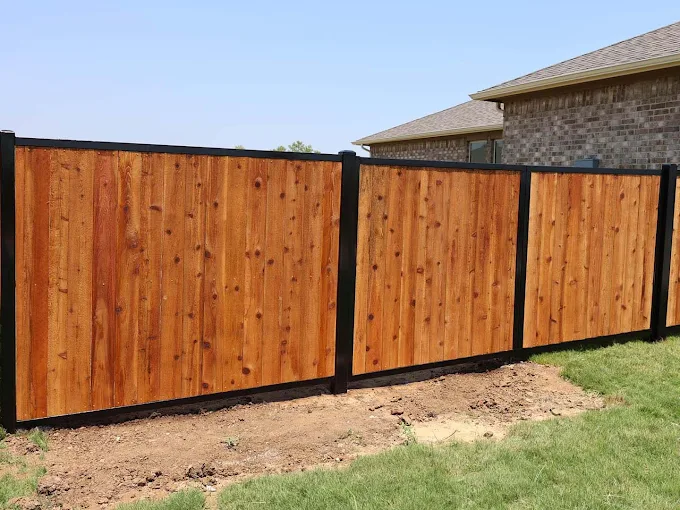
Fence Staining Common Mistakes Homeowners Should Avoid
Summer in Plano can be brutal on wood. Between the intense Texas sun, sudden storms, and high humidity, an unprotected fence can fade, crack, and warp in just a few seasons. Many homeowners try to protect their investment with a weekend staining project—only to be disappointed when the finish peels or turns blotchy months later.
Industry data shows that properly stained and maintained Wood Fences can last up to twice as long as untreated wood. Yet a large percentage of premature fence failures are tied to common staining mistakes, not the wood itself.
This guide breaks down the most frequent fence staining errors Plano homeowners make, why they matter in our climate, and how to avoid them. You’ll learn how to prep correctly, choose the right product, time your project around local weather, and decide when it’s smarter to call in a pro.
Key Insight: Most fence stain failures aren’t bad luck—they’re preventable. With the right prep, products, and timing, you can dramatically extend the life and appearance of your fence.
Mistake #1: Skipping Proper Surface Preparation
The biggest staining mistake we see around Plano is rushing straight to stain without prepping the fence. New or old, your fence needs more than a quick rinse.
Unprepped wood often has:
- Mill glaze or factory residue (common on new Wood Fence Installation)
- Dirt, mildew, or algae from our humid summers
- Old stain or sealer that blocks penetration
When stain can’t soak in evenly, it sits on the surface and peels, flakes, or looks patchy.
A Plano homeowner in the Ridgeview Ranch area called us after staining a brand-new cedar fence. Within six months, the south-facing sections were gray and streaked. The cause? The boards still had mill glaze and had never been cleaned or brightened. We gently washed, brightened, and re-stained with a penetrating oil-based product; the difference was night and day.
Effective prep typically includes:
- Low-pressure cleaning to remove dirt, mildew, and loose fibers
- Stripping or sanding any failing previous coatings
- Using a wood brightener to restore pH and open the grain
- Letting the fence dry thoroughly before staining
“Most stain failures start before the first brush stroke—during prep.” — Senior Staining Technician, Fence Pros of Texas
Mistake #2: Staining at the Wrong Time or in the Wrong Weather
North Texas weather is unpredictable, but stain is not forgiving. Temperature, humidity, and sunlight all affect how stain penetrates and cures.
In Plano, common timing mistakes include:
- Staining in direct, mid-day sun when surfaces are scorching
- Applying stain right after a storm when wood is still saturated
- Working on days with high humidity and no breeze
- Ignoring the forecast and getting hit by a storm before the stain cures
A business owner near Legacy West had a perimeter fence around their parking lot stained during a heat wave. The stain flashed (dried too fast on the surface), leaving lap marks and shiny, uneven areas. We had to strip and reapply under better conditions—an expensive redo that could have been avoided.
Ideal conditions in Plano usually mean:
- Temperatures between 50°F and 90°F
- Overcast or partial shade, especially on south and west-facing runs
- 24–48 hours of dry weather before and after application
- Wood moisture content below about 15%
“Stain doesn’t cure on a calendar—it cures in a climate. Plan your project around the weather, not your weekend.” — Project Manager, Fence Pros of Texas
Mistake #3: Using the Wrong Type or Color of Stain for Texas Conditions
Not all stains are created equal, and what worked for a friend in a milder climate may fail quickly in North Texas. Our intense UV exposure and wide temperature swings demand products that can handle more abuse.
Common product mistakes we see:
- Choosing a cheap, thin stain that offers little UV protection
- Using a clear sealer on full-sun fences (it grays out quickly)
- Picking solid stains on rough, older wood that’s likely to peel
- Mixing incompatible products (for example, oil over certain film-forming acrylics without proper prep)
In a Plano neighborhood near Oak Point Park, a homeowner chose a bargain big-box store stain for their new Privacy Fence Installation. Within a year, the south-facing section looked washed out compared to the shaded sides. We switched them to a high-quality semi-transparent oil stain with more UV blockers and a slightly darker tone; the fence now weathers far more evenly.
Here’s how different stain types generally compare in our area:
| Stain Type | Look & Coverage | Durability in Plano Sun | Typical Recoat Cycle | Best Use Cases |
|---|---|---|---|---|
| Clear Sealer | Natural, no color | Low | 1–2 years | Shaded areas, accent sections |
| Semi-Transparent | Visible grain, added color | Medium–High | 2–4 years | Most residential fences & Farm Fencing |
| Semi-Solid | More color, less grain | High | 3–5 years | Older wood, higher sun exposure |
| Solid (Opaque) | Paint-like, hides grain | High but can peel | 4–6 years | Older, weathered fences needing a uniform look |
For Plano’s sun and wind, a quality semi-transparent or semi-solid oil-based stain is often the sweet spot—especially on cedar and pine.
Mistake #4: Over-Application, Under-Application, and Uneven Coverage
Even with good prep and the right product, application technique can make or break the project. Many DIY jobs fail because the stain is either slathered on too thick or spread too thin.
Common application issues:
- Applying stain like paint, creating a thick film on the surface
- Not back-brushing, which leaves drips, runs, and shiny patches
- Missing edges, end grains, or bottom boards near the soil
- Inconsistent coverage between sun-exposed and shaded sections
We recently helped a homeowner off Spring Creek Parkway who had applied stain with a pump sprayer only. The fence looked striped, with light and dark bands and missed spots between pickets. Our crew re-cleaned, then applied stain with a controlled spray and immediate back-brushing to even out the finish.
Proper technique generally involves:
- Working in manageable sections to maintain a wet edge
- Spraying or rolling, followed by back-brushing into the grain
- Wiping excess stain off areas where it’s not soaking in
- Paying attention to end grains and cut edges, where water enters most easily
“Two thin, even coats that penetrate are better than one thick coat that sits on top.” — Lead Stain Specialist, Fence Pros of Texas
For large properties—especially those with extensive Commercial Fence Installation or long runs of farm fencing—professional spraying and back-brushing can dramatically improve uniformity and speed.
Mistake #5: Ignoring Fence Material, Hardware, and Surrounding Features
Most Plano homeowners think about wood alone when planning a staining project, but your fence is part of a broader system—posts, fasteners, gates, and nearby features all matter.
Overlooking these can create problems like:
- Rust stains bleeding from fasteners onto stained boards
- Overspray on adjacent Residential Gates, siding, or masonry
- Mismatched finishes on mixed-material fences (wood with Metal Fence Installation elements)
- Stain interfering with hinges and Security Fence Installation access control components
In a West Plano subdivision, a homeowner had a beautiful wood-and-steel mixed fence. A DIY stain project left heavy overspray on the powder-coated steel posts and gate frames. Removing it without damaging the metal finish took specialized products and a lot of labor.
Before staining, it’s smart to:
- Inspect and replace heavily rusted or incompatible fasteners
- Mask or shield gate hardware, house walls, AC units, and landscaping
- Coordinate stain color with adjacent Decorative Fence Installation or Railings
- Check operation of gates and access systems after staining
For properties with Estate Gates, pool areas, or integrated Commercial Gates, planning stain work around sensitive electronics and safety features is essential.
Mistake #6: Treating Staining as a One-and-Done Job
A fence in Plano is constantly battling UV radiation, moisture, and temperature swings. Even the best stain won’t last forever. Many homeowners invest in a beautiful initial stain job, then wait too long to maintain it—shortening the fence’s life and increasing long-term costs.
We often see:
- Waiting until the fence is fully gray before re-staining
- Skipping periodic cleaning, allowing mildew and dirt to build up
- Ignoring small peeling or worn spots until they spread
- Failing to schedule regular inspections for busy commercial sites
A homeowner near the Plano Balloon Festival grounds had a cedar fence beautifully stained eight years ago but never touched again. By the time we were called, many boards were cupped, cracked, and structurally compromised. Instead of a simple maintenance coat, they needed substantial Fence Repair and partial Fence Replacement.
A better approach is to think in terms of ongoing Fence Maintenance:
- Light cleaning every 12–18 months to remove surface contaminants
- Visual inspections annually for color fading, water absorption, and damage
- Spot-treating high-wear or high-sun areas before full failure
- Recoating on schedule based on product, exposure, and wood type
“Stain is a maintenance system, not an event. Regular, light upkeep is far cheaper than waiting for a full restoration.” — Operations Director, Fence Pros of Texas
What This Means for Homeowners in Plano, TX
Plano’s mix of intense sun, clay soils, and sudden weather swings makes fence care more demanding than in many parts of the country. A fence that might last 20 years in a milder climate can fail in 10 here if it’s not properly protected and maintained.
For homeowners:
- That new cedar privacy fence around your backyard oasis or pool is a major investment. Protecting it with professional-grade stain and proper technique can save thousands over its lifespan.
- Neighborhood HOAs often have strict rules about fence appearance. Avoiding blotchy or peeling finishes helps you stay compliant and keep curb appeal high.
- If your property includes Garden Fence Installation or decorative elements, coordinated stain work keeps your outdoor space cohesive and inviting.
For businesses and property managers:
- Perimeter Commercial Fence Installation and Security Fence Installation are critical assets. Regular, professional staining and maintenance reduce liability and protect your brand image.
- Mixed-material systems—wood with Wrought Iron Fence Installation, Aluminum Fence Installation, or Corrugated Metal Fences—require careful planning so each material ages gracefully.
The bottom line: Plano’s environment magnifies small staining mistakes. Paying attention to prep, product choice, timing, and ongoing care keeps your fence looking sharp and performing well, whether it’s a simple backyard boundary or part of a larger custom fence design.
Frequently Asked Questions
Q: How soon after a new fence is installed in Plano should I stain it?
A: New Residential Fence Installation projects typically need a short acclimation period before staining, but waiting too long is also a mistake. In Plano’s climate, most new cedar or pine fences are ready for stain within 4–8 weeks, once the surface moisture has dropped and mill glaze is addressed. You don’t want the wood to dry out so much that it cracks or starts to gray. A professional can test moisture levels and inspect the surface to determine the ideal timing for your specific fence and exposure.
Q: What type of stain works best for fences in North Texas sun?
A: For our strong UV exposure, a high-quality semi-transparent or semi-solid oil-based stain usually performs best on Wood Fences. These products penetrate the wood, move with seasonal expansion and contraction, and provide meaningful UV and moisture protection. Clear sealers often fail quickly in full sun, while solid stains can peel if the prep isn’t perfect. The right choice also depends on the age and condition of the fence, as well as whether it’s part of a Custom Fence Design with specific aesthetic goals.
Q: How often should I re-stain my fence in Plano?
A: Frequency depends on sun exposure, product type, and wood species, but most Plano homeowners should expect a maintenance cycle of 2–4 years for semi-transparent stains and 3–5 years for semi-solids. Fences with heavy south and west exposure or near reflective surfaces (like light-colored Vinyl Fences or pool decks) may need attention sooner. Regular inspections and simple tests—like checking how water behaves on the surface—help you time maintenance before the wood starts to degrade.
Q: Can I stain my fence myself, or should I hire a professional?
A: Many homeowners can handle a small, straightforward project, but larger fences, weathered surfaces, or properties with integrated Access Control or Residential Gates often benefit from professional help. Pros bring commercial-grade cleaners, brighteners, and stains, as well as equipment for even application and proper protection of surrounding areas. They also understand how to work around landscaping, Pool Fence Installation, and mixed materials like Aluminum Fences or Wrought Iron Fences.
Q: My fence already looks gray and weathered. Is staining still worth it?
A: Often, yes. Many gray fences in Plano can be revived with proper cleaning, brightening, targeted Fence Repair, and a quality stain. The key is assessing how deep the damage goes. If boards are just surface-gray with minor checking, restoration can dramatically improve appearance and extend service life. If there’s significant rot, warping, or structural failure—especially near the base where our clay soils hold moisture—you may need partial Fence Replacement before staining.
Q: How does staining affect other fence types on my property, like metal or vinyl?
A: Staining is specifically for wood, but it needs to be coordinated with other materials. Overspray can mar Vinyl Fence Installation, Chain Link Fences with coated wire, or powder-coated Wrought Iron Fence Installation. On properties with mixed systems—such as wood privacy sections paired with Metal Fence Installation around a commercial or pool area—masking and shielding are critical. A professional crew experienced with mixed-material and Commercial Fence Installation will plan the project to protect and visually coordinate all elements.
Q: Is there a difference between staining a residential fence and a commercial or farm fence?
A: The principles are similar, but priorities can differ. Residential projects often focus on aesthetics, privacy, and HOA requirements. Commercial Fence Installation and Farm Fencing typically emphasize durability, safety, and ease of maintenance over large areas. Commercial sites may have strict access and scheduling needs, while agricultural fences must withstand livestock, equipment, and wide-open sun exposure. A contractor familiar with both residential and commercial/farm environments can tailor products and maintenance schedules accordingly.
Ready to Get Started?
Plano’s climate isn’t gentle on fences, and every season you wait accelerates wear and tear. If your fence is starting to gray, absorb water, or show uneven color, that’s your early warning system. Addressing these signs now with professional cleaning and staining is far more cost-effective than waiting until boards split, warp, or fail.
Fence Pros of Texas offers dedicated Fence Maintenance and staining services designed for North Texas conditions. Whether you have a simple backyard privacy fence, a mixed-material perimeter around a commercial site, or extensive Farm Fencing, our team can evaluate its condition, recommend the right products, and complete the work with minimal disruption.
Schedule an on-site assessment, review color and product options, and get a clear plan for protecting your fence investment. With local experience, professional equipment, and a focus on long-term performance, we help Plano property owners avoid the most common staining mistakes—and the costly repairs that follow.
About Fence Pros of Texas
Fence Pros of Texas is a locally focused fence and staining contractor serving Plano and the greater North Texas area. Our team designs, installs, and maintains a full range of solutions, from Residential Fence Installation to Commercial Fencing, Residential Gates, and Estate Gates. With years of experience in our unique Texas climate, we emphasize high-quality materials, proven staining systems, and attentive service that keeps your fence looking its best season after season. Learn more about our services at Fence Pros of Texas.