
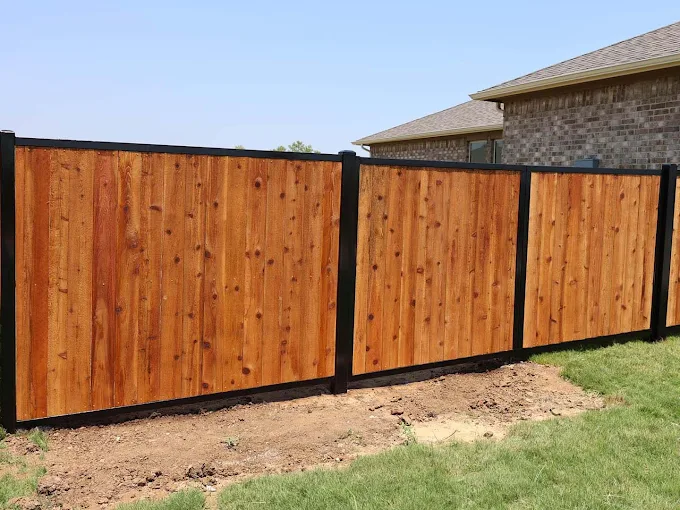
Essential Maintenance Tips for Fence Staining
A Texas summer can turn a brand-new fence dull and weathered in what feels like no time. In Plano, where UV exposure is high and storms can roll through with heavy rain and wind, stained fences take a beating year-round. Homeowners and businesses invest thousands in quality Wood Fence Installation, only to watch that rich color fade, peel, or gray out when maintenance slips down the priority list.
According to home improvement data, a well-maintained stained fence can last 5–10 years longer than an untreated one—and can boost perceived property value by several percentage points. In North Texas, where curb appeal and privacy carry real weight, that’s not just cosmetic; it’s a financial decision.
This guide walks you through practical, field-tested maintenance tips for keeping your stained fence protected and looking sharp in Plano’s climate. You’ll learn how often to clean and re-stain, what to look for during inspections, how to handle repairs, and when it makes sense to call in a professional staining team rather than tackle it alone.
Key Insight: Thoughtful, consistent maintenance is far cheaper—and far less stressful—than letting your stain fail and having to replace large sections of fence prematurely.
Understanding How Texas Weather Affects Your Stained Fence
Fence stain doesn’t fail randomly; it fails because of predictable forces, especially in a place like Plano. Sun, moisture, temperature swings, and even your sprinklers all play a part in how long your stain holds up.
The biggest enemy here is UV exposure. North Texas averages more than 230 sunny days a year. UV rays break down the lignin in wood, which is what holds the fibers together. As that happens, the wood surface fibers loosen, the color fades, and the stain loses its grip. That’s why south- and west-facing fence lines often fade first.
Then you add moisture. We get intense thunderstorms, occasional hail, and high humidity. Water drives into tiny cracks and nail holes, swells the wood, and then it dries out and shrinks again. This cycle accelerates peeling and checking (small surface splits) in stained Wood Fences and can even affect Metal Fence Installation when posts or rails are set in wood.
A recent Plano customer with a three-year-old privacy fence noticed that the side facing their pool had faded twice as fast as the alley side. Between constant sun reflection off the water and overspray from pool maintenance, the stain was getting hammered. Adjusting irrigation heads and applying a higher-quality UV-blocking stain on that side alone extended its life substantially.
“Stain isn’t just color—it’s your fence’s first line of defense against Texas weather.” — Local Fence Maintenance Specialist
CALLOUT: Understanding how your local conditions attack stain helps you plan smarter maintenance instead of reacting after damage appears.
Cleaning First: The Foundation of Any Good Stain Maintenance Plan
You can’t protect what you don’t clean. Dirt, mildew, pollen, and sprinkler residue all create a barrier between your fence and any stain or sealer you apply. If you skip cleaning, even the best stain will fail prematurely.
For most Plano homes and businesses, a light cleaning once a year is a good baseline. That means:
- Rinsing off dust and pollen buildup
- Removing mildew or algae in shaded or damp areas
- Washing away soil splash near the base of the fence
A homeowner near Legacy West recently called because their three-year-old fence looked “ruined.” Up close, the problem wasn’t the stain—it was a layer of mildew and sprinkler residue. After a low-pressure wash and a mild cleaner designed for exterior wood, the original color came back, and we only had to touch up a few high-traffic sections.
How to clean safely:
- Use a garden hose with a spray nozzle or a pressure washer on low pressure (generally under 1,200 PSI for wood).
- Keep the wand moving, 12–18 inches away, to avoid gouging the wood.
- Use a wood-safe cleaner, not bleach or harsh chemicals that can damage fibers or corrode nearby Wrought Iron Fences or Aluminum Fences.
- Rinse thoroughly and allow the fence to dry 24–48 hours before applying new stain.
“The most common mistake we see is over-aggressive pressure washing. It can do more damage in an hour than the sun does in a year.” — Senior Field Technician
How Often Should You Re-Stain in Plano?
One of the most common questions we get is, “How often do I really need to re-stain?” The answer depends on your fence material, stain type, and exposure—but Plano’s climate generally means shorter intervals than milder regions.
Here’s a practical guideline based on what we see in the field:
| Fence & Stain Type | Typical Re-Stain Interval (Plano, TX) | Notes |
|---|---|---|
| Transparent stain on new wood | 2–3 years | Great for highlighting grain; needs more frequent maintenance |
| Semi-transparent on privacy fence | 3–5 years | Balance of color and longevity |
| Solid-color stain on older wood | 4–6 years | Hides imperfections; better UV protection |
| Factory-finished Vinyl Fences | Clean only (no stain) | Just wash; no re-stain needed |
| Wrought Iron Fence Installation with painted finish | 4–7 years (repaint touch-ups) | Focus on rust prevention, not stain |
A Plano business near US-75 installed a large stained Security Fence Installation around their property. They planned for a five-year re-stain interval. After three brutal summers, the south-facing side was clearly ready for attention, while the north-facing panels still looked strong. We spot-treated and re-stained only the high-exposure sections, saving the company money and keeping the whole perimeter looking consistent.
What to watch for between full re-stains:
- Noticeable fading or “dry” look, especially at the top rails
- Water no longer beading on the surface after rain
- Gray or silver patches where stain has worn away
- Hairline cracks or checking in high-sun areas
CALLOUT: Don’t wait until the stain is completely gone. Re-staining while there’s still partial protection on the wood is faster, cheaper, and more effective.
Repair First, Then Stain: Fixing Problems Before They Spread
Stain is not a bandage. Applying it over damaged, rotted, or loose boards only hides the problem for a short time. Proper maintenance means handling repairs first, then protecting everything with fresh stain.
Common repair issues we see in Plano:
- Warped or cupped pickets facing west or south
- Rotted posts where soil stays damp
- Loose rails after high wind events
- Rust at fasteners on older Metal Fence Installation tied into wood sections
A Plano homeowner in a neighborhood off Spring Creek called after a storm knocked a section of their stained Privacy Fence Installation sideways. They planned to “just stain over it” once they pushed it back up. Instead, we found two rotten posts and severe soil erosion. Replacing the posts and adding gravel for drainage before staining meant that fence is now stable for years, not months.
Smart repair sequence:
- Inspect for structural issues: leaning sections, soft spots at the base of posts, loose gates.
- Replace or reset any compromised posts or rails.
- Swap out cracked, split, or rotted pickets.
- Address drainage issues (downspouts, sprinkler heads, pooling water).
- Only then clean and re-stain.
“If you’re staining over structural problems, you’re investing in color, not longevity.” — Project Manager, Fence Pros of Texas
Choosing the Right Stain and Application Method for Longevity
Not all stains perform the same way, especially under North Texas sun. The type of product you choose—and how it’s applied—has a huge impact on how often you’ll be maintaining your fence.
Broadly, stains fall into three categories: transparent, semi-transparent, and solid. Each has pros and cons.
| Stain Type | Look & Coverage | Durability in Plano Sun | Best Use Cases |
|---|---|---|---|
| Transparent | Shows full grain, light tint | Lower | New, high-grade wood; decorative Garden Fence Installation |
| Semi-transparent | Shows some grain, richer color | Medium to high | Most residential privacy fences |
| Solid | Opaque, paint-like finish | High | Older wood, color matching with Residential Gates or trim |
A Plano restaurant near downtown wanted their outdoor seating area to feel like an upscale patio. They had a mix of wood and metal railings around the perimeter. We used a semi-transparent stain on the wood to coordinate with their Decorative Fence Installation and metal features. That gave them warmth and character, but enough pigment to hold up to the sun and frequent cleaning.
Application best practices:
- Apply stain in moderate temperatures (ideally 50–90°F) and avoid direct midday sun.
- Use brushes or pads to work stain into the wood grain, even if you spray it on first.
- Maintain a “wet edge” to prevent lap marks.
- Follow manufacturer spread rates; too much product can lead to sticky or uneven surfaces.
CALLOUT: The right stain, properly applied, can easily double the maintenance interval compared to a bargain product rushed on in poor conditions.
Tailoring Maintenance to Different Fence Types and Properties
Plano properties are diverse. A small backyard privacy fence doesn’t have the same needs as a large commercial perimeter or a rural property with Farm Fencing. The right maintenance plan respects how the fence is used, not just what it’s made of.
Residential Properties
For typical neighborhoods, stained Residential Fence Installation is all about privacy, aesthetics, and HOA standards. Homeowners often:
- Focus on curb-facing sides first
- Need color consistency with neighbors
- Care about matching stain to Residential Gates or deck colors
A family near Oak Point Park wanted their backyard fence to match their pergola and stained concrete patio. We set up a maintenance schedule that included annual cleaning and re-staining every three to four years, timed in the spring before pool season.
Commercial Properties
For businesses, stained fencing supports branding, security, and customer perception. Think:
- Consistent appearance along parking lots and entrances
- Integrated Commercial Gates and Access Control
- Durable finishes that withstand higher traffic and wear
A Plano office park along Preston Road uses a combination of stained wood and Chain Link Fences with privacy slats. They schedule professional maintenance every few years across the entire property to keep the perimeter uniform and professional-looking for tenants and visitors.
Rural and Agricultural Properties
For landowners with Farm Fencing, stain maintenance is more about long-term protection and animal safety:
- Protecting posts and rails from constant exposure
- Using products safe for livestock contact
- Prioritizing boundary lines that see the most wear
Professional Maintenance vs. DIY: Cost, Time, and Quality in Plano
Fence staining and maintenance can be a DIY project, but it’s not always the best choice—especially for large or complex properties. The decision usually comes down to three things: scale, time, and expected finish quality.
Traditional DIY Approach
- Renting or buying a pressure washer and sprayer
- Purchasing stain and supplies at retail pricing
- Learning as you go via online tutorials
Professional Maintenance Approach
- Trained crews with specialized equipment
- Contractor-grade stains and cleaners
- Efficient prep, repair, and application
Here’s a simplified comparison for a typical 150-foot backyard privacy fence in Plano:
| Factor | DIY Homeowner | Professional Service |
|---|---|---|
| Time Investment | 2–3 full weekends | 1–2 days (you don’t have to be there the whole time) |
| Upfront Costs | Lower, but tools add up | Higher per visit, but includes labor & materials |
| Finish Consistency | Varies by skill level | Smooth, even coverage; edges and gates match |
| Long-Term Durability | Depends on prep and product choice | Optimized for local climate and fence condition |
| Safety & Liability | You’re fully responsible | Insured crews; adherence to best practices |
A Plano homeowner in an older neighborhood tried DIY staining their backyard fence. After two long weekends, they realized the coverage was uneven and missed several repair issues. A year later, they brought us in to correct the color, reinforce a leaning section, and apply a higher-quality product. In the end, they spent more than if they’d hired a pro from the start.
“DIY can be a good fit for small, low-visibility projects. For full perimeters or commercial properties, professional maintenance usually pays for itself in longevity and appearance.” — Operations Manager
What This Means for Businesses in Plano, TX
For Plano businesses, fence staining and maintenance isn’t just a cosmetic decision—it’s part of your operational and branding strategy. A well-maintained perimeter sends a clear message: you care about security, professionalism, and the details that customers notice, even if they don’t mention them.
Retail centers along major corridors like Preston or Coit benefit from stained Commercial Fence Installation that looks sharp from the road. Restaurants with patios rely on attractive, durable fencing and railings to define outdoor dining areas. Industrial properties near the George Bush Turnpike need strong, dependable barriers that integrate with Access Control systems and Commercial Gates.
When maintenance falls behind, the impact is real:
- Faded, peeling stain can make an otherwise well-run business feel neglected.
- Rotting posts or leaning sections can raise safety and liability concerns.
- Inconsistent fencing along shared property lines can create tension with neighbors or tenants.
On the other hand, a proactive staining and maintenance plan:
- Extends the life of your existing investment in fencing and gates.
- Keeps your property aligned with local expectations and HOA or city standards.
- Reduces surprise repair costs by catching issues early.
For many Plano businesses, the smartest move is to schedule recurring professional maintenance—similar to HVAC or landscaping. You get predictable costs, consistent appearance, and one less thing for your staff to worry about.
Frequently Asked Questions
Q: How do I know if my fence needs maintenance or a full replacement?
A: Start with a simple inspection. Walk the entire fence line and check for leaning sections, soft or rotten posts at ground level, and broken or missing boards. If more than 25–30% of your wood is severely damaged or rotted, replacement may be more cost-effective than repeated repairs and staining. However, many Plano fences just look tired because stain has faded or failed. In those cases, targeted repairs plus professional cleaning and fresh stain can add years of life. A reputable contractor can help you weigh the cost of Fence Repair versus full Fence Replacement based on your specific fence type and property.
Q: Can I stain only one side of my fence to save money?
A: It’s possible to stain just one side, and some Plano homeowners do this when budgeting. However, you’ll get the best protection when both sides are treated, especially with Privacy Fence Installation. Moisture and UV damage don’t respect property lines; the unstained side will still absorb water and deteriorate, which can eventually affect the entire structure. If your neighbor shares the fence, consider splitting costs so both sides can be stained together. For commercial properties, staining only the public-facing side may be acceptable, but long-term durability is always better when all exposed surfaces are protected.
Q: Is stain or paint better for wood fences in Plano?
A: For most wood fences in North Texas, high-quality stain is the better long-term choice. Stain penetrates the wood, allowing it to breathe and move with temperature and humidity changes. Paint forms a film on top, which can crack and peel as the wood expands and contracts, especially in Plano’s hot summers and occasional freezes. Solid-color stains can deliver a painted look while behaving more like stain. That said, for some decorative Decorative Fence Installation or combined wood-and-metal systems, a coordinated paint and stain system may make sense. A local expert can recommend the right approach based on your specific fence design.
Q: How does stain maintenance differ for other fence materials like vinyl or metal?
A: Vinyl Fences, Aluminum Fences, and Chain Link Fences don’t require stain, but they do need regular cleaning and inspection. Vinyl mainly needs washing to remove dirt, algae, and sprinkler residue. Aluminum and Wrought Iron Fences need periodic checks for chips or rust, especially where they connect to wood or sit near irrigation. Mixed systems—such as wood privacy sections tied into Estate Gates or metal posts—benefit from a coordinated maintenance plan so all materials age gracefully together. A professional who understands both wood and metal fencing can help you time these services efficiently.
Q: What time of year is best for fence staining in Plano?
A: Spring and fall are typically ideal for staining in Plano. Temperatures are moderate, humidity is manageable, and storms are more predictable than in peak summer. Staining in the middle of a 100-degree July day can cause stain to flash-dry on the surface before it penetrates properly, leading to uneven finish and reduced protection. Winter can work if temperatures stay above the product’s minimum rating and rain isn’t in the forecast. Many property owners schedule maintenance in early spring so their fences look fresh for outdoor season, or in fall to protect wood before winter moisture and temperature swings.
Q: How does stain maintenance work for properties with gates and access control systems?
A: Gates and access systems add complexity, but they’re manageable with proper planning. Before cleaning or staining, a professional crew will protect sensitive components on Access Control systems and automatic Commercial Gates or Residential Gates. They’ll work around hinges, latches, and safety sensors, and may adjust or lubricate hardware after the work is complete. For larger estates with Estate Gates, it’s common to coordinate fence staining with gate maintenance to minimize downtime and ensure all visible elements match in color and finish.
Q: I have a custom fence design. Will standard stain maintenance still apply?
A: Custom fences—such as Custom Fence Design using mixed materials, horizontal boards, or integrated lighting—usually follow the same maintenance principles but may need additional care. Horizontal boards hold water longer than vertical ones, so drainage and product choice matter more. Integrated lighting or decorative metal panels require masking and careful application to avoid overspray or drips. In Plano, where custom fences often anchor outdoor living spaces, working with a contractor experienced in both Fence Maintenance and specialty designs is the best way to protect your investment without compromising the look.
Ready to Get Started?
Plano’s weather isn’t gentle on fences, but with a smart maintenance plan, your stained fence can stay attractive and durable for many years. The longer stain protection is ignored, the more likely you are to face bigger expenses—like replacing rotted posts, rebuilding leaning sections, or even installing an entirely new fence when early maintenance could have preserved it.
Right now is a strong time to schedule service, especially if your fence has just come through a harsh season or you’re gearing up for outdoor entertaining or increased customer traffic. A professional evaluation can quickly tell you whether you need light touch-ups, a full cleaning and re-stain, or some targeted repairs first.
Fence Pros of Texas has extensive experience with residential, commercial, and agricultural fencing across Plano and the surrounding North Texas communities. From basic privacy fences to complex perimeters with gates and access control, we can help you create a maintenance plan that fits your property, budget, and long-term goals.
Take the next step toward protecting your fence—and your investment—by scheduling a consultation today.
About Fence Pros of Texas
Fence Pros of Texas is a locally focused fencing contractor serving Plano and the greater North Texas area. Our team specializes in design, installation, and maintenance for wood, vinyl, metal, and custom fence systems, along with gates, railings, and staining services. With years of hands-on experience in Texas weather, we understand how to build and protect fences that last. Whether you manage a commercial property or want to upgrade your home’s privacy and curb appeal, we’re here with practical guidance and reliable craftsmanship. Learn more about our services and local projects at our website.