
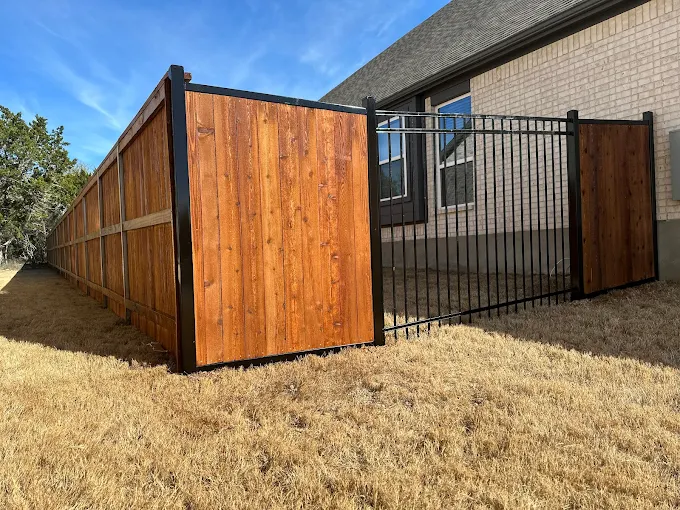
How to Maintain Your Residential Fence Quality
On a hot July afternoon in Plano, a homeowner called us in a panic. A section of her wood fence had blown over during one of those surprise North Texas storms. The posts were rotten at the base, the boards were warped, and the gate hadn’t latched correctly in months. The fence was only eight years old—but it looked and acted more like twenty.
That story isn’t unusual. Between the Texas sun, clay soil that swells and shrinks, and the occasional hail or windstorm, residential fences in Plano take a beating. A well-built fence is a major investment in your home’s value, privacy, and security—but without consistent care, even the best fence will fail early.
The good news: with the right maintenance, you can add years of life to your fence—whether you have wood, vinyl, metal, or a combination. In this guide, you’ll learn how to maintain different fence materials, spot problems before they get expensive, protect your fence from Texas weather, and know when to repair vs. replace.
Key Insight: Thoughtful, regular maintenance can easily double the lifespan of your fence and save you thousands of dollars in premature Fence Replacement costs.
Know Your Fence Type: Different Materials, Different Needs
The first step in maintaining your fence is understanding what you have in your yard. Each material ages differently, especially in a climate like Plano’s, and each one needs a tailored maintenance approach.
Common Residential Fence Types in Plano
You’ll typically see:
- Wood Fences (cedar or pine privacy fences)
- Vinyl Fences (often around side yards and pools)
- Aluminum Fences and Wrought Iron Fences (decorative and pool barriers)
- Chain Link Fences (backyards, dog runs, and side lots)
- Mixed Material Fences like wood and metal frames, or Corrugated Metal Fences with wood posts
In newer Plano neighborhoods, we’re seeing more modern styles: horizontal boards, black metal frames, and even glass or Glass Fences around high-end pools.
“Your fence material dictates 80% of your maintenance plan. Treat wood like metal and you’ll rot it. Treat metal like wood and you’ll rust it.” — Fence Pros of Texas Team
How Maintenance Needs Differ
- Wood
Organic, beautiful, and vulnerable. Needs staining or sealing every 2–4 years, plus monitoring for rot, warping, and insect damage.
- Vinyl
Low maintenance but not no maintenance. Needs cleaning, UV awareness, and occasional hardware checks.
- Aluminum & Wrought Iron
Strong and long-lasting, but you must stay ahead of rust, especially at welds and near sprinklers.
- Chain Link
Structurally tough but can sag, rust at posts, and collect vegetation that shortens its life.
- Modern / Mixed Material
You’ll be balancing the needs of each component: wood boards, metal frames, glass panels, and hardware.
Protecting Wood Fences from Texas Sun, Rain, and Soil Movement
Most Plano homes rely on wood privacy fences. They look great, block noise, and give your backyard that “room of its own” feeling. But our climate is harsh on wood.
Why Wood Fences Fail Early in North Texas
Three big culprits:
- UV exposure: The Texas sun dries and bleaches boards, causing cracking and splitting.
- Moisture cycles: Heavy rains followed by long dry spells make boards swell and shrink, leading to warping and loose fasteners.
- Expansive clay soil: Our soil expands when wet and shrinks when dry, shifting posts and creating lean.
We recently inspected a 6-foot cedar fence in west Plano that was only six years old but already leaning and graying badly. The homeowner had never stained it, and sprinkler heads hit the bottom boards daily. Posts weren’t set deep enough in concrete, and the soil movement made everything worse.
Wood Fence Maintenance Checklist
For any Wood Fence Installation, here’s how to protect your investment:
- Stain and seal regularly
Use a high-quality oil-based stain every 2–4 years. It protects against UV and moisture. Professional Fence Maintenance and staining services can get better penetration and a more even finish than DIY.
- Keep sprinklers in check
Make sure irrigation heads aren’t constantly soaking your fence. Water at the base accelerates rot, especially in posts and bottom rails.
- Trim landscaping away
Vines, shrubs, and tall grass trap moisture against wood and invite insects.
- Inspect posts and hardware
Look for loose posts, rusted nails or screws, and boards pulling away from rails.
CALLOUT: A properly stained and maintained cedar fence in Plano can last 15–20 years or more. An unstained fence may fail in 7–10.
Low-Maintenance Doesn’t Mean No Maintenance: Vinyl and Metal Fences
Vinyl, aluminum, and steel fences are popular in Plano because they promise less upkeep. That’s true—but they still need attention if you want them looking and performing their best.
Caring for Vinyl Fences
Vinyl is a great option for homeowners who want a clean look without regular staining. We often see it used for Privacy Fence Installation and Pool Fence Installation.
Maintenance tips:
- Wash annually
Use a garden hose and mild soap to remove dirt, mildew, and sprinkler stains. Avoid harsh chemicals and high-pressure washers that can damage the surface.
- Check for UV damage and cracks
Extreme heat can make vinyl brittle over time. Inspect high-stress areas like gates.
- Monitor posts and concrete footings
If the ground shifts, panels can warp or pop out of their channels.
A Plano customer with a white vinyl fence around a side yard called us because the panels buckled. The cause? Soil heave and posts that weren’t set deep enough. We re-set the posts properly and the fence went back into alignment.
Maintaining Aluminum and Wrought Iron
Decorative Aluminum Fences and Wrought Iron Fences are common around pools, front yards, and as accent fencing. They’re durable, but metal always wants to rust if you give it a chance.
Key steps:
- Inspect welds and joints
These are the first places to rust, especially near sprinklers.
- Touch up scratches
Even small chips in the coating expose bare metal. A quick touch-up can prevent larger rust areas.
- Keep soil and mulch off the base
Metal in constant contact with moist soil will fail early.
“Metal fences are like cars. If you ignore tiny rust spots, you’ll eventually be dealing with major bodywork instead of a quick patch.” — Fence Pros of Texas Team
Gates, Latches, and Hardware: The Moving Parts That Fail First
Even if your fence panels are in great shape, a sagging gate or broken latch can make the entire system feel like it’s failing. Gates take the most abuse: kids, pets, packages, wind, and daily use.
In Plano, we see more gate problems than any other fence issue.
Common Gate Problems
- Gate won’t latch or close properly
- Sagging or dragging gate
- Loose or rusted hinges
- Misaligned posts
- Warped gate frames on wood gates
A family in east Plano called us because their backyard gate wouldn’t stay closed, and their dog kept escaping. The fence itself was fine—but the gate was hung on undersized hinges, and the post had shifted. We replaced the hinges with heavy-duty hardware and reinforced the post. The dog stayed in, and they avoided an unnecessary full Fence Repair.
How to Keep Your Gate Working Smoothly
- Upgrade hardware
Use heavy-duty hinges, latches, and screws, especially on wider gates or double gates.
- Lubricate moving parts
A few minutes with a good lubricant once or twice a year can extend hinge life dramatically.
- Check alignment
Look at the gap between the gate and the post. If it’s closing up at the top or bottom, you may need to adjust hinges or brace the gate.
- Consider access control
For enhanced security, especially on side yards or driveways, adding Security Fence Installation elements like keypad locks or controlled access systems can improve both convenience and safety.
Preventative Maintenance vs. “Fix It When It Breaks”: What Really Saves You Money?
Many homeowners treat fences like roofs: out of sight, out of mind—until something fails. But fences respond particularly well to preventative care.
Here’s how a proactive approach compares to a reactive one.
Cost and Longevity Comparison
| Approach | Typical Actions | 10-Year Cost (Plano, TX) | Expected Lifespan Impact |
|---|---|---|---|
| Preventative Maintenance | Regular staining, hardware checks, minor repairs | $$ | Extends fence life 5–10+ years |
| “Fix It When It Breaks” | Emergency repairs, panel replacement | $$$$ | Fence often needs full replacement earlier |
| Professional Annual Inspection | Pro check + homeowner basic care | $$$ | Catches structural issues before they grow |
\Relative cost: $ = low, $$$$ = high. Actual numbers depend on fence size, material, and condition.
We worked with a Plano homeowner’s association that decided to move from “repair-only” to scheduled maintenance for their perimeter Commercial Fence Installation. By staining on a set schedule, reinforcing weak posts, and addressing minor damage quickly, they extended the life of their wood fence by an estimated 8–10 years—saving tens of thousands of dollars in early replacement.
What Preventative Maintenance Looks Like in Practice
- Annual or biannual inspections (DIY or professional)
- Scheduled staining for wood (every 2–4 years)
- Tightening and replacing hardware before it fails
- Re-setting leaning posts before they pull panels down
- Keeping vegetation and soil away from critical components
CALLOUT: A small repair today—like re-setting one loose post—can prevent a chain reaction that takes down 20–30 feet of fence in the next storm.
Repair or Replace? How to Make the Right Call
At some point, every fence reaches a crossroads: is it worth repairing, or is it time for a new Residential Fence Installation?
Plano homeowners often ask us, “Can we just fix this section?” The answer depends on age, material, and structural condition.
Signs You Can Likely Repair
You can often choose Fence Repair if:
- Less than 20–25% of the fence is damaged
- Posts are solid and not rotted at the base
- Most boards or panels are still in good shape
- The fence is under 10–12 years old (for wood)
Examples of repairable issues:
- A car backs into one section
- A storm takes out a few posts
- A dog chews or digs under one area
- A gate is sagging or hardware fails
Signs It’s Time to Replace
You’re likely better off with Fence Replacement when:
- Multiple sections are leaning or rotting
- Posts are failing across the yard
- The fence is 15–20+ years old
- Previous repairs are failing
- The style or height no longer meets your privacy or security needs
We recently evaluated a 20-year-old wood fence in central Plano. The homeowner had patched it repeatedly over the years—replacing boards here and there—but most posts were rotted, and the rails were splitting. Any repair would have been a band-aid. We recommended a full replacement with a modern board-on-board privacy fence and a metal-framed gate. The difference in both appearance and function was dramatic.
“Repair is about buying time. Replacement is about resetting the clock and often upgrading your fence to match how you use your home today.” — Fence Pros of Texas Team
Modern Fence Upgrades That Improve Quality and Reduce Maintenance
If you’re already considering repairs or replacement, it’s a great opportunity to upgrade material choices and design so future maintenance is easier.
Smarter Material Choices
- Metal frames with wood infill
A popular option in Plano neighborhoods. Metal frames reduce sagging, while wood boards give you warmth and privacy.
- Decorative Fence Installation
Combining Metal Fence Installation with wood or glass can give you a modern, upscale look with less annual work.
- Corrugated Metal Fences
These offer a sleek, contemporary style and require less frequent maintenance than traditional wood.
- Garden and Pool Zones
A dedicated Garden Fence Installation or Pool Fence Installation with the right material (often metal or vinyl) can keep moisture and soil contact away from your main privacy fence.
Functional Upgrades
- Stronger railings and handrails
For stairs, decks, and elevated patios, upgrading to durable Railings can improve safety and cut down on repairs.
- Better gates and access
Upgrading to high-quality Residential Gates, or even Estate Gates with Access Control, reduces daily wear and tear and improves security.
- Commercial-grade solutions at home
In some cases, using components designed for Commercial Gates or Commercial Fence Installation—like heavier posts or upgraded hinges—can make a residential fence far more durable.
What This Means for Businesses in Plano, TX
Although this guide focuses on residential fences, the same principles apply if you manage a commercial property, HOA, or small business in Plano.
Our local conditions—intense sun, clay soil, and periodic storms—don’t care whether your fence is around a home, restaurant, warehouse, or office park. The maintenance strategies are similar, but the stakes can be higher for businesses.
For commercial properties:
- Security is critical
A failing perimeter fence or gate can mean theft, liability, or code issues. Proactive Security Fence Installation and maintenance is essential.
- Curb appeal matters
A rusted or leaning fence can turn customers away before they ever walk in the door.
- Traffic is heavier
Gates at driveways, loading docks, and employee entrances see more use and need more robust hardware and regular checks.
We’ve worked with Plano offices and industrial sites that chose to upgrade from standard chain link to mixed-material solutions—like chain link with privacy slats, or ornamental metal with strategic screening. The goal wasn’t just looks; it was durability and reduced maintenance.
For both homeowners and businesses in Plano, a well-maintained fence is one of the simplest ways to protect your property, manage access, and present a professional, cared-for image to the community.
Frequently Asked Questions
Q: How often should I stain my wood fence in Plano’s climate?
A: In North Texas, you should plan to stain or seal your wood fence every 2–4 years, depending on the product used, sun exposure, and sprinkler patterns. South- and west-facing fences in Plano usually fade fastest because they get the most direct sun. You’ll know it’s time when water no longer beads on the surface or when the color looks noticeably faded and dry. Professional Fence Maintenance and staining ensures even coverage and proper surface prep, which can extend the life of each application.
Q: My fence is leaning in several spots. Can it be repaired or do I need a full replacement?
A: Leaning is typically a sign of failing posts or shifting soil. If only a few posts are affected and the boards are in good shape, targeted Fence Repair—re-setting or replacing those posts—may be enough. However, if many sections are leaning, or the posts are rotted at the base across the yard, it often makes more financial sense to consider Fence Replacement. A professional inspection will evaluate the age of the fence, soil conditions, and overall structural integrity so you can choose the most cost-effective option.
Q: Are metal or vinyl fences really lower maintenance than wood in Plano?
A: Generally, yes—but they’re not maintenance-free. Vinyl Fences don’t need staining, but they do require occasional cleaning and inspections for cracks or UV damage. Aluminum Fences and Wrought Iron Fences are long-lasting, but you must stay ahead of rust and protect coatings, especially at welds and where they contact soil or sprinklers. Wood offers a classic look and excellent privacy but does require more regular care. During a consultation, we can walk you through the pros and cons of each material for your specific yard and budget.
Q: What’s the best fence type for my dog and kids in a typical Plano backyard?
A: For families, a solid, well-constructed wood privacy fence is still one of the most popular choices because it offers security, privacy, and noise reduction. Many Plano homeowners pair a wood perimeter fence with a reinforced gate and sometimes a small section of Chain Link Fences or Garden Fence Installation for dog runs or garden protection. The key is proper Residential Fence Installation: posts set deep in concrete, quality hardware, and, if needed, dig guards for dogs that like to tunnel. We’ll also look at local HOA rules and any pool safety requirements if you have a backyard pool.
Q: How can I make my fence more secure without making my yard feel like a fortress?
A: Security and aesthetics can absolutely go together. You can increase security by upgrading gates and latches, adding Access Control on side yards or driveways, and choosing fence heights and styles that discourage climbing. For example, a board-on-board wood privacy fence with a metal-framed gate and keypad lock offers strong security while still looking warm and residential. Decorative Metal Fence Installation in the front yard can provide visibility and style while protecting entry points. During a site visit, we’ll consider sightlines, lighting, and how you use your yard to recommend the right balance.
Q: I manage a small business in Plano. Are fence maintenance needs different for commercial properties?
A: The fundamentals are the same, but the priorities shift. For businesses, Commercial Fence Installation and maintenance focus more heavily on security, access control, and durability under higher use. Gates may see dozens or hundreds of cycles per day, so hardware and Commercial Gates systems must be robust and regularly inspected. A failing fence can create liability and security risks, so preventative maintenance is especially important. Many Plano businesses schedule annual or semi-annual inspections to ensure perimeter fences, loading dock gates, and employee access points stay secure and code-compliant.
Q: Does soil movement in Plano really affect my fence that much?
A: Yes. Our expansive clay soil is one of the biggest hidden threats to fences in this area. When the soil gets wet, it swells; when it dries, it shrinks. Over time, this movement can push posts out of alignment, create gaps under fences, and stress rails and panels. Proper Fence Installation—including the right post depth, concrete footings, and drainage considerations—helps a lot. Ongoing maintenance, like monitoring leaning posts and addressing drainage issues, keeps that natural movement from turning into structural failure.
Ready to Get Started?
Every season you wait, the Texas sun, storms, and soil are quietly working on your fence. Small issues—like a slightly leaning post or a gate that sticks—rarely fix themselves. They grow, often turning into larger, more expensive problems right when you least expect them, like after a big storm or right before you list your home for sale.
Taking action now means you’re working on your schedule, not scrambling after a failure. Whether you need a straightforward repair, a professional staining refresh, or you’re ready to upgrade to a more durable, modern fence design, Fence Pros of Texas can help you protect your investment and keep your property looking its best.
Next steps are simple:
- Walk your fence line and note any issues (leaning, rot, rust, loose gates).
- Decide whether you’re looking to maintain, repair, or replace.
- Reach out to schedule an on-site assessment and clear, written estimate.
We’ve served Plano and the surrounding communities for years, and our team understands both the local climate and local expectations for quality. You’ll get honest guidance, not a pushy sales pitch, and solutions designed to last in North Texas conditions.
About Fence Pros of Texas
Fence Pros of Texas is a locally focused fence contractor serving Plano, TX and neighboring communities. Our team specializes in Residential Fence Installation, Commercial Fence Installation, custom gates, staining, and railings designed specifically for North Texas soil and weather. With years of hands-on experience, industry-best practices, and a commitment to craftsmanship, we help homeowners and businesses protect and enhance their properties with fences built to last.