
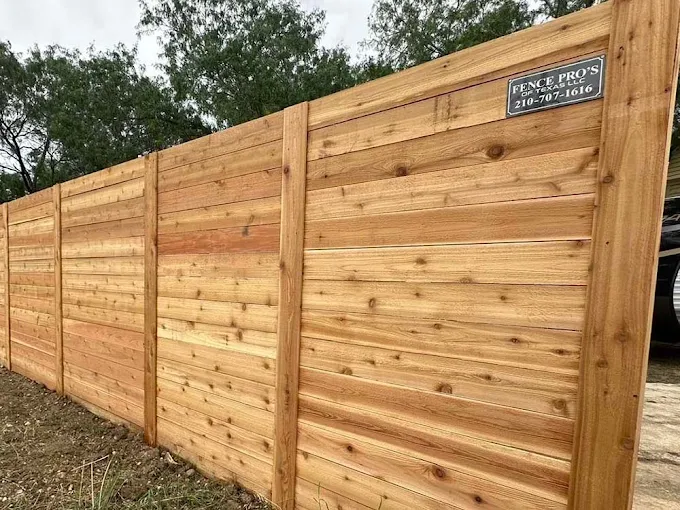
How to Choose the Right Fence Staining Color
North Texas sun can be brutal on wood. In Plano, where we average well over 230 sunny days a year, an unstained fence can start to gray, crack, and warp in as little as 12–18 months. Yet when most property owners finally decide to stain, they get stuck on one thing: color.
If you’ve ever stood in front of a wall of stain samples at a home center, you know how overwhelming it can feel. Oak? Cedar? Walnut? Transparent? Solid? And then there’s the bigger question: how will this look with your home, landscaping, and the rest of your property?
Color choice isn’t just cosmetic. It affects curb appeal, perceived property value, maintenance needs, and even how secure and private your fence feels. That’s true whether you’re protecting a backyard in west Plano, a retail strip off Preston Road, or acreage on the edge of Collin County.
In this guide, you’ll learn how to choose the right fence stain color with confidence—how it will look today, how it will age in our Texas climate, and how it will complement your home or business for years to come.
Key Insight: The “right” stain color is where design, wood type, and Plano’s sun and soil conditions meet. When you consider all three, you get a fence that looks great longer and works harder for your property.
Start with Your Wood Type and Fence Style
Before you think about color names, you need to understand what you’re actually staining. The same stain can look completely different on two types of wood—or on two different fence styles.
Most Wood Fence Installation projects in Plano use:
- Cedar – Naturally reddish, rich grain, takes stain very well.
- Pressure-treated pine – More yellow or greenish when new, more knots, can blotch if not prepped correctly.
- Mixed-material fences – Wood with metal posts or top rails, often paired with Metal Fence Installation on commercial properties.
The same “dark walnut” stain on cedar might read as warm and rich, while on pine it can skew cooler and muddier. That’s why professional fence companies always test a small hidden area first.
Style also matters. A tall privacy fence will show more color and read as a large “wall” from the street, while a lower picket or decorative fence behaves more like trim. If you have a mix of fencing—say, a backyard privacy fence plus a front-facing Decorative Fence Installation or railing—you may want coordinated but not identical shades.
Real Plano example:
A homeowner near Legacy West had a new cedar privacy fence installed. They originally chose a very dark brown stain they’d seen online. Once we tested it on their cedar, it looked almost black in the afternoon shade and made their narrow yard feel smaller. We shifted to a medium-walnut tone that still offered great UV protection but kept the space feeling open.
“The wood underneath is your canvas. If you don’t know your canvas, you can’t pick the right paint.” — Senior Staining Technician, Fence Pros of Texas
Coordinate with Your Home or Building, Not Just the Fence
Your fence doesn’t live in isolation. The best stain colors feel like they belong with your roof, brick or siding, windows, and even your landscaping. This is especially important in established Plano neighborhoods and commercial corridors with strong architectural styles.
Think in terms of undertones:
- Warm homes (red brick, tan stucco, brown roofs) pair best with stains that have golden, red, or chocolate undertones.
- Cool homes (gray stone, blue/gray siding, black roofs) look better with neutral or slightly gray-brown stains.
- Mixed-material properties—such as offices with Wrought Iron Fence Installation or Security Fence Installation—often benefit from darker stains that complement black or bronze metal.
Example: Residential coordination
A family in east Plano had a light-gray brick home with black windows and a charcoal roof. Their existing fence was an older, faded orange color that clashed badly. We sampled three options: a warm cedar tone, a neutral brown, and a cool, slightly gray-brown. In full sun, all three looked good. But when the house was in afternoon shade, only the gray-brown harmonized with the brick and metal accents. That’s the one they chose—and it instantly made the whole property feel more cohesive.
Example: Commercial coordination
A retail center off Spring Creek Parkway used a combination of Security Fence Installation and wood screening around dumpsters and mechanical areas. The owner wanted the wood to disappear visually. We selected a solid, darker stain that nearly matched the powder-coated metal fencing. From the street, the result is a clean, unified perimeter with no “patchwork” look.
CALLOUT:
Color should support your architecture, not fight it. If you’re unsure, stand across the street, snap a photo of your property, and view potential stain colors against that photo, not in isolation.
Consider Light, Shade, and the Harsh North Texas Sun
Plano’s climate is a big part of the color conversation. UV exposure here is no joke, and it changes how stains look over time. A color that seems perfect on day one can fade, yellow, or wash out if it’s not chosen—and applied—with our conditions in mind.
How sun exposure affects color
- South- and west-facing fences take the brunt of UV and heat. Lighter stains here can fade faster, while very dark stains can absorb heat and stress the wood.
- North-facing fences stay cooler but may see more mildew or algae, especially with sprinkler overspray. Slightly darker, more opaque stains can help hide minor discoloration.
- Shaded yards (mature trees, tall neighboring homes) can make dark stains feel heavy. Medium tones often strike the right balance.
“The color you see on day one is your starting point. In Plano, you need to love how it looks after a couple of summers, not just in the first week.” — Project Manager, Fence Pros of Texas
Transparent vs. semi-transparent vs. solid
Here’s a simple comparison table that reflects what we typically see in Collin County:
| Stain Type | Color Intensity | Wood Grain Visibility | Typical Longevity in Plano | Best For |
|---|---|---|---|---|
| Transparent | Light | High | 1–2 years | New premium cedar, showpiece fences |
| Semi-Transparent | Medium | Moderate | 2–4 years | Most residential privacy fences |
| Semi-Solid / Solid | Strong | Low to none | 3–5+ years | Older fences, commercial screening |
A homeowner in central Plano with a heavily sun-exposed backyard chose a semi-transparent medium brown instead of a very light tone. Two years later, the fence still looks warm and even, with only minor fading. In the same neighborhood, a similar fence stained with a very light, transparent product needed touch-ups within 18 months.
Match the Mood: Privacy, Security, and First Impressions
Color has a psychological impact. For both homes and businesses, the right stain can reinforce privacy, security, and the kind of welcome you want to offer.
For homes in Plano neighborhoods
- Warm, medium browns feel inviting and natural. They’re ideal for backyards where you entertain, pool areas, and garden spaces.
- Darker browns and espresso tones can feel more private and upscale, especially when paired with Residential Fence Installation and matching gates.
- Lighter, golden tones brighten smaller yards but may show weathering sooner in full sun.
A homeowner near Oak Point Park wanted their yard to feel like an extension of the park’s natural trails. We went with a warm cedar-tone semi-transparent stain on their new Privacy Fence Installation. The result blends beautifully with the surrounding trees and native landscaping, making the fence feel like part of the environment rather than a hard boundary.
For commercial and farm properties
- Darker, more uniform colors often work best for businesses. They project professionalism, pair well with Commercial Fence Installation, and hide minor scuffs from daily operations.
- On agricultural or larger tracts, we often see mid-tone browns on Farm Fencing that feel rustic but still clean from the road.
- Facilities prioritizing security—like light industrial or storage sites—may combine darker stains with Security Fence Installation and access control systems for a cohesive, secure perimeter.
CALLOUT:
Think of your fence as part of your brand. For a business, the stain color should support the impression you want customers to have before they even step inside. For a home, it should support how you actually use your outdoor space day to day.
Plan for Aging, Maintenance, and Long-Term Costs
Color choice isn’t just about day-one beauty; it’s also about how that color will look after years of sun, rain, and North Texas windstorms. Some shades and products are more forgiving than others when it comes to Fence Maintenance, Fence Repair, and eventual Fence Replacement.
How color affects maintenance
- Mid-tone and darker browns tend to age more gracefully. Minor fading or unevenness is less noticeable.
- Very light or very red tones can show streaking, water marks, and UV fade more quickly.
- Solid stains can be great for older fences but may require more prep work when it’s time to restain or change color.
Here’s a simple cost/benefit snapshot based on what we see in the Plano area:
| Color / Opacity Choice | Typical Recoat Interval | Visual Aging | Upfront Cost | Long-Term Value in Plano |
|---|---|---|---|---|
| Light Transparent | 1–2 years | Fades, grays quickly | $ | Low–Medium |
| Medium Semi-Transparent | 2–4 years | Even, gradual fade | $$ | High |
| Dark Semi-Transparent | 3–4 years | Slight lightening | $$ | High |
| Solid / Opaque | 3–5+ years | Peeling if neglected | $$$ | Medium–High |
\Intervals assume professional application and normal local exposure.
A homeowner off Coit Road, for example, had a 10-year-old fence that had never been stained. Instead of replacing it immediately, they opted for repairs plus a darker semi-solid stain. The color helped mask older boards and created a uniform appearance, delaying full replacement for several years and saving thousands in the short term.
Test Before You Commit: Samples, Lighting, and Neighbor Considerations
The biggest mistake we see? Choosing a stain color from a tiny chip indoors and applying it to 200+ feet of fence outdoors. Color decisions deserve a little field testing.
How to test effectively
- Ask your contractor to apply sample swatches on an inconspicuous section of your actual fence.
- View those samples at multiple times of day: morning, midday, late afternoon, and even under porch or security lights.
- Step back to the street and look at the fence with your whole property in view.
“Color that looks perfect up close can read completely differently from 50 feet away. Always judge stain from the same distance people will actually see it.” — Lead Color Consultant, Fence Pros of Texas
Think about neighbors and HOA rules
In many Plano subdivisions, HOAs have guidelines on fence color, sheen, and even opacity. Some require natural wood tones only; others may specify a certain range of browns. Before you fall in love with a specific shade, verify:
- Any HOA or neighborhood requirements
- City of Plano visibility or height rules if you’re combining staining with new Residential Fence Installation or Residential Gates
We recently worked in a west Plano community where the HOA approved only “natural cedar tones.” The homeowner wanted a very dark espresso. We found a middle-ground shade—richer than standard cedar but still within the HOA-approved palette—and secured written approval before staining. Everyone was happy: the homeowner, the HOA, and the neighbors.
What This Means for Businesses in Plano, TX
For Plano businesses, stain color is more than a design decision—it’s a strategic one. Your fence often acts as the first physical touchpoint with your brand. The right color can support security, wayfinding, and perceived quality.
- Retail and customer-facing properties benefit from warm, clean, and consistent fence colors that match signage and building finishes. A well-chosen stain on screening fences or Commercial Gates can make loading areas and dumpsters visually disappear.
- Office parks and medical facilities often prefer more neutral, subdued tones. Matching or complementing Aluminum Fence Installation or Wrought Iron Fence Installation with darker stains creates a professional, cohesive perimeter.
- Industrial and logistics sites need stains that hold up to higher wear and tear. Darker, more opaque colors are better at hiding scuffs from pallets, vehicles, and equipment, especially when combined with Security Fence Installation and access control systems.
Plano’s competitive business climate means details matter. A faded, patchy fence can undermine the investment you’ve made in landscaping, signage, and building improvements. On the other hand, a well-chosen stain color:
- Reduces visual clutter
- Enhances security without feeling harsh
- Demonstrates attention to detail—something customers notice subconsciously
For multi-tenant properties, thoughtful stain selection also reduces complaints and keeps common areas looking consistent, even as individual tenants change. In many cases, the right color choice plus a professional Fence Maintenance plan can extend the life of your existing fencing, freeing up budget for other improvements.
Frequently Asked Questions
Q: How do I know if my fence is too old to stain, no matter what color I pick?
A: Age alone doesn’t disqualify a fence from staining; condition does. In Plano, we regularly revive 10–15-year-old fences if the posts are solid, boards aren’t rotted through, and the structure is still sound. We’ll inspect for rot at the base of posts, excessive warping, and loose panels. If more than 25–30% of boards are failing, it may be more cost-effective to consider Fence Replacement or partial rebuild plus staining. Darker, more opaque colors can help older but structurally sound fences look uniform again.
Q: Will a darker stain color make my yard feel smaller?
A: It can—but not always. In wide, open Plano backyards, a darker stain on a tall Privacy Fence Installation often adds a sense of enclosure and luxury without making the space feel cramped. In smaller urban-style yards or narrow side yards, very dark colors may feel heavy, especially if there’s limited natural light. We often recommend medium tones in those situations. The best way to know is to test a small area and view it from different spots in your yard and home before committing to the entire fence.
Q: How does stain color interact with other fence types like metal or vinyl?
A: Many Plano properties use a mix of materials—wood privacy fencing in back, Aluminum Fences or Wrought Iron Fences in front, or even Corrugated Metal Fences for modern accents. In those cases, we treat stain color as part of a larger palette. Darker browns pair well with black or bronze metal, while mid-tone neutrals often work best next to lighter Vinyl Fences. If you have or are planning Mixed Material Fences, it’s smart to choose a stain that complements both the wood and any metal or glass elements.
Q: How often will I need to re-stain my fence in Plano’s climate?
A: Frequency depends on stain type, color depth, and exposure. In our experience around Plano and Collin County, transparent stains may need refreshing every 1–2 years, semi-transparent every 2–4 years, and solid or semi-solid products every 3–5+ years. Darker colors with more pigment generally last longer because they block more UV. South- and west-facing fences may need more frequent attention than shaded or north-facing sections. A professional Fence Maintenance plan can help you stay ahead of fading before it becomes an eyesore.
Q: Can stain color help with security or is that just about fence type?
A: Fence type is primary—think Security Fence Installation, Access Control, and height—but color plays a supporting role. Darker, uniform stains are less visually “busy,” which makes it easier for cameras and staff to spot unusual activity along a fence line. They also pair well with Chain Link Fence Installation or Metal Fence Installation around secure areas. For residential properties, a darker stain can discourage casual climbing and makes it harder to see footholds compared to a patchy, weathered fence.
Q: I’m planning a pool. Should that affect my stain color choice?
A: Yes. Around pool areas, many Plano homeowners prefer slightly lighter or medium tones to keep the space bright and reduce heat absorption. Dark stains can get noticeably hotter in full sun. If your fence is part of a Pool Fence Installation, we also consider how the color will look with water reflections, decking, and coping. Chlorine and frequent splashing can affect stain over time, so we may recommend a product and color that’s easier to touch up in those high-moisture zones.
Q: Can I match my new stain color to an existing gate or railing?
A: Absolutely. Many homes and businesses in Plano already have Residential Gates, Estate Gates, or railings in place when they decide to stain their fence. We’ll look at your existing finishes—whether that’s painted metal, powder coat, or stained wood—and select a fence stain that complements or closely matches them. In some cases, we can also update the gate or railing finish as part of the same project so everything looks intentional and unified.
Ready to Get Started?
Plano’s weather won’t wait, and neither should your fence. Every month your wood sits unprotected, UV rays and moisture are quietly breaking it down, changing not just the color but the lifespan of your investment. Choosing the right stain color now means you’re locking in curb appeal, protecting your fence structure, and avoiding the “gray and tired” look that can creep up faster than you expect in North Texas.
This is the ideal time to plan your project—before peak-season schedules fill up and before another summer of sun exposure. Whether you’re refreshing an older fence, finishing a new Residential Fence Installation, or coordinating stain with new Estate Gates or Commercial Gates, our team can walk you through real samples, local examples, and a maintenance plan that fits your property.
You don’t have to guess at color. We help Plano homeowners, HOAs, and businesses choose stain colors that look great on day one—and still make you proud years from now.
About Fence Pros of Texas
Fence Pros of Texas is a locally focused fence and gate contractor serving Plano and the greater North Texas area. Our team brings years of hands-on experience in Residential Fence Installation, Commercial Fence Installation, custom gates, and professional staining services. We understand Plano’s climate, soils, and neighborhood standards, and we’ve helped countless property owners extend the life and beauty of their fences with smart color choices and expert application.