
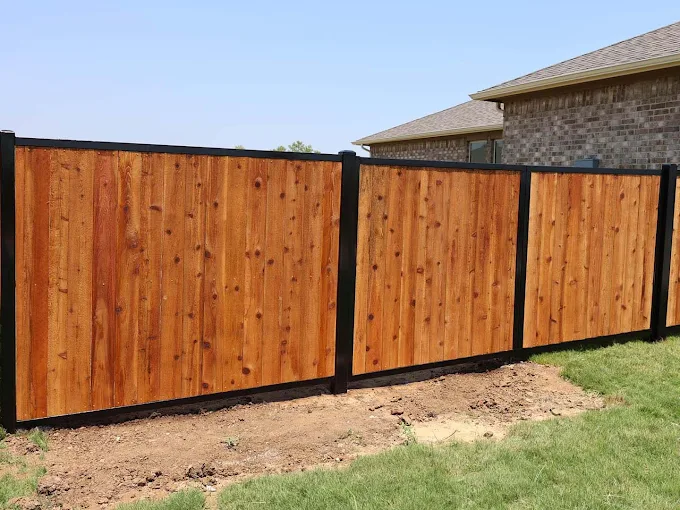
How to Choose the Perfect Fence Stain
Hot Texas sun. Sudden storms. Sprinklers running every morning. If you have a wood fence in Plano, you already know how fast it can go from rich and beautiful to gray, warped, and cracked. In Collin County, UV exposure alone can fade an unstained fence by 50% in color and sheen in as little as 12–18 months. Add moisture and heat, and many homeowners end up replacing fences years earlier than they should.
That’s why the stain you choose isn’t just about color—it’s about protection, longevity, and the overall look of your property. For businesses and homeowners in Plano, the right fence stain can double the life of your fence, reduce maintenance costs, and significantly improve curb appeal.
In this guide, you’ll learn how to choose the perfect fence stain for your wood fence: how stain types differ, what works best in our North Texas climate, how color really affects maintenance, and how to match your stain to your property—whether you have a simple backyard fence, a ranch-style perimeter, or an upscale estate with custom Wood Fence Installation.
Key Insight: The “perfect” fence stain is a balance of color, protection level, and maintenance that fits your fence type, property style, and Plano’s demanding climate—not just what looks good in the can.
Understanding Fence Stain Types (And Why It Matters in Plano)
Before you worry about color, you need to decide what type of stain you want. The main options are transparent, semi-transparent, semi-solid, and solid stains. Each offers a different level of protection and a different look.
Transparent and Semi-Transparent Stains
These stains show off the natural grain of your wood. They’re popular for new Residential Fence Installation where the lumber is still in great shape.
- Transparent: Lightest color, most natural look, least pigment
- Semi-transparent: More color, better UV protection, still shows grain
In Plano, where summer UV levels are intense, transparent stains tend to fade faster. Many homeowners we work with who chose transparent stain for a new cedar fence loved the look the first year—but by year two, they were calling us to re-stain because the color had washed out.
“Pigment is your fence’s sunscreen. The more pigment, the better the UV protection.” — Senior Stain Specialist, Fence Pros of Texas
Semi-Solid and Solid Stains
Semi-solid and solid stains provide heavier pigmentation and a more “painted” look, though stain still penetrates the wood instead of just sitting on top.
- Semi-solid: Minimal grain visibility, strong color, excellent UV protection
- Solid: Opaque color, hides imperfections, maximum UV protection
For older fences or fences that have weathered unevenly, a semi-solid or solid stain can bring them back to life without the cost of a full Fence Replacement.
Plano Case Example:
A homeowner near Legacy West had a 9-year-old cedar fence—structurally sound but badly faded and spotted. Instead of replacing it, we cleaned, repaired a few pickets, and applied a semi-solid medium brown stain. The result looked like a newer fence at roughly one-third the cost of replacement.
CALLOUT: If your fence is more than 5–7 years old or has uneven weathering, semi-solid or solid stain often gives the best long-term value in North Texas.
Matching Stain to Your Wood Type and Fence Style
Different wood species absorb and show stain differently. In Plano, most wood fences are built from cedar or pressure-treated pine. Knowing which you have helps you set realistic expectations and choose the right product.
Cedar vs. Pine: How They Take Stain
Cedar naturally resists decay and insects and has a beautiful grain. Pine is more affordable but more prone to warping and discoloration.
| Wood Type | Typical Use in Plano | How It Stains | Best Stain Types |
|---|---|---|---|
| Western Red Cedar | Premium privacy fences, estates | Even absorption, rich color | Transparent / Semi-transparent |
| Spruce / Pine | Budget privacy, perimeter fencing | Blotchy if not prepped, can darken | Semi-transparent / Semi-solid |
| Treated Pine | Utility, farm, and ranch fencing | Must dry first, can look greenish | Semi-transparent / Solid |
On custom projects like mixed-material or Decorative Fence Installation with cedar and steel accents, a semi-transparent stain often highlights the wood while contrasting nicely with black metal posts or railings.
Matching Stain to Fence Style
- Privacy fences: Usually benefit from mid-tone browns or cedars that hide dust and sprinkler marks.
- Ranch and farm fencing: Often look best with more natural, lighter browns that blend with open land. For long runs of Farm Fencing, a stain that’s easy to re-coat is crucial.
- Estate and decorative fences: Darker stains can create a high-end look, especially when paired with Residential Fence Installation and iron or aluminum gates.
Real-World Example:
A Plano homeowner in Willow Bend had a beautiful board-on-board cedar fence but chose a very dark solid stain. It looked sharp initially, but every little scratch and nick from dogs and lawn tools showed as bright cedar underneath. On their next maintenance cycle, we shifted them to a slightly lighter semi-solid, which still offered strong protection but hid wear much better between re-stains.
Choosing the Right Color for Your Home or Business
Color is where most people focus—and where many make decisions they regret a year later. The right stain color should complement your building, landscaping, and neighborhood while also being realistic for maintenance.
Consider Your Roof, Brick, and Trim First
The easiest way to choose a fence stain color is to look at the permanent colors on your property:
- Warm brick (reds, tans): Works well with warm browns, cedar, or redwood tones.
- Cool brick/stone (grays, whites): Pairs nicely with cooler browns or gray-tinted stains.
- Dark roofs: Can handle deeper, richer fence colors without making the yard feel too dark.
In many Plano neighborhoods—like those around Preston Road or Coit Road—HOAs may also have guidelines or preferences. We frequently work with HOA boards to confirm acceptable stain colors before we start.
“Your fence is the backdrop to every outdoor photo you’ll ever take at home. Choose a color you’ll still like in 10 years.” — Project Manager, Fence Pros of Texas
Light vs. Dark Stains: Maintenance and Heat
- Lighter stains show grain more and don’t absorb as much heat, which can be helpful in Texas summers. However, they may show dirt or mildew more easily and need more frequent refreshes.
- Darker stains hide imperfections and provide more UV protection but can make small yards feel smaller and may show scratches as lighter wood underneath.
Plano Case Example:
A business off US-75 installed a new cedar fence as part of a Commercial Fence Installation project. They initially wanted a very dark espresso color to match their brand palette. After a test section, they realized the dark fence made their parking lot feel cramped. We shifted to a medium walnut tone that kept the upscale feel without overwhelming the space.
CALLOUT: For most Plano properties, mid-tone browns offer the best balance of aesthetics, heat absorption, and long-term maintenance.
How Climate and Exposure Affect Your Stain Choice
Plano’s climate should be one of your biggest decision drivers. Between intense UV, high summer temperatures, and periodic heavy rains, your fence is under constant stress.
Sun Exposure
If your fence faces south or west with no shade, it’s going to take a beating from the sun.
- High UV exposure breaks down lignin in the wood, causing graying and surface cracking.
- Transparent stains in these areas may need re-coating every 1–2 years.
- Semi-transparent or semi-solid stains can extend that to 3–5 years with proper Fence Maintenance.
Moisture and Irrigation
Frequent sprinklers, poor drainage, or low-lying yards can all accelerate rot and mildew.
- Choose stains with strong mildew and water resistance.
- Slightly darker tones can help hide water spotting along the bottom of the fence.
- In areas with heavy water exposure, routine cleaning is just as important as the stain itself.
| Exposure Type | Recommended Stain Type | Typical Re-Stain Interval (Plano) |
|---|---|---|
| Full sun, west-facing | Semi-transparent / Semi-solid | 3–5 years |
| Partial shade | Transparent / Semi-transparent | 3–4 years |
| Heavy sprinkler zone | Semi-solid / Solid | 3–5 years |
Real-World Example:
A homeowner near Oak Point Park had a long run of fence backing up to a greenbelt with no shade. After trying a transparent stain and needing a refresh after 18 months, they switched to a semi-solid. Three years later, the color still looked strong, and the wood showed far fewer hairline cracks.
Professional vs. DIY Staining: Cost, Quality, and Risk
Plenty of Plano homeowners consider staining their fence themselves—especially after a new Wood Fence Installation. Sometimes that can work; other times it leads to uneven color, lap marks, and premature failure.
What Professionals Bring to the Table
A professional staining crew brings:
- Proper surface prep (washing, mildew removal, drying time)
- Commercial-grade sprayers and back-brushing techniques
- Knowledge of how different woods absorb stain
- Experience working around landscaping, pools, and structures
“Most stain failures we see are not product failures—they’re prep or application failures.” — Lead Staining Technician, Fence Pros of Texas
On a large property or a commercial site with Security Fence Installation, professional staining is almost always more cost-effective than tying up your staff or trying to DIY in 100-degree heat.
Cost Perspective in Plano
While prices vary based on fence height, condition, and access, here’s a simplified comparison:
| Approach | Upfront Cost | Typical Lifespan of Application | Common Issues |
|---|---|---|---|
| DIY Staining | Lowest | 1–3 years | Uneven color, overspray, drips |
| Pro Staining | Moderate | 3–5+ years | Minimal if maintained properly |
Plano Case Example:
A homeowner in West Plano tried DIY staining their back fence using a big-box-store sprayer. Without proper back-brushing, the stain flashed and dried unevenly, leaving stripes. We were brought in to correct it, which required stripping, cleaning, and re-staining—essentially paying twice.
CALLOUT: For long-term value—especially on larger fences—professional staining usually pays for itself in extended life and fewer re-dos.
Planning for Maintenance: Thinking Beyond the First Coat
The perfect fence stain isn’t just about day-one appearance. It’s about how that fence will look and perform in 3, 5, or 10 years. In Plano, where fences are a major part of your property’s visual footprint, planning a maintenance schedule matters.
How Often Will You Need to Re-Stain?
Several factors determine your re-stain interval:
- Stain type and color (more pigment = longer protection)
- Sun and moisture exposure
- Initial prep quality
- Whether the fence was sealed on both sides
Typical Plano ranges:
- Transparent: 1–3 years
- Semi-transparent: 3–4 years
- Semi-solid / Solid: 3–5 years
Building a Simple Fence Care Plan
A realistic plan for a Plano homeowner might look like this:
- Year 0: New fence, professional stain, minor Fence Maintenance and repairs as needed
- Year 2–3: Light cleaning, touch-up staining on high-sun or high-splash areas
- Year 4–5: Full re-stain, replace any damaged pickets or rails
- Year 8–10+: Assess for larger repairs or partial Fence Repair vs. replacement
Real-World Example:
A client in the Kings Ridge area committed to a 4-year maintenance schedule for their stained cedar fence and Estate Gates. Eight years in, the fence still looks high-end, and they’ve avoided the cost of a full replacement that many neighbors have already faced.
CALLOUT: Think of stain as part of your fence’s life cycle, not a one-time event. A little planning saves thousands over the life of your property.
What This Means for Businesses in Plano, TX
For businesses in Plano, your fence is more than a boundary—it’s part of your brand. Whether you’re securing a warehouse near the President George Bush Turnpike or enhancing the look of a medical office near Preston Road, a well-chosen stain supports both security and image.
Commercial properties often combine materials—like Metal Fence Installation with wood accents, or wood screening paired with Security Fence Installation and access control systems. The stain you choose should complement these elements and hold up under heavier use and exposure.
Key business considerations:
- Consistency: Multiple entrances, fences, and screens should share a unified look.
- Durability: High-traffic areas, such as loading docks and employee entrances, need stains that resist scuffing, UV damage, and weather.
- Brand alignment: Darker, more formal stains might suit corporate or financial offices, while lighter, natural tones can feel more inviting for restaurants, retail, or wellness spaces.
- Regulations and HOAs: Many business parks and mixed-use developments in Plano have specific aesthetic standards that your stain choice must meet.
Businesses also benefit from predictable maintenance. Scheduling stain work for off-hours or slower seasons minimizes disruption. Working with a contractor who understands both Commercial Fence Installation and staining means your fence, gates, and access systems are all protected and coordinated.
For agricultural or large-lot businesses using Farm Fencing, stain can significantly extend the life of long fence runs exposed to sun and livestock. Choosing a product that’s easy to re-apply and safe around animals is critical.
Ultimately, choosing the right stain in Plano is about protecting your investment, reflecting your brand, and avoiding premature replacement—whether your property is a single-tenant office or a large commercial complex.
Frequently Asked Questions
Q: How soon after a new fence installation should I stain it in Plano?
A: In Plano’s climate, you generally want to stain a new wood fence once the lumber has dried enough to accept stain but before UV and moisture start doing serious damage. For cedar, this is often 2–4 weeks after installation, depending on weather. For pressure-treated pine, it can take 2–3 months to dry out. A simple test: sprinkle water on the boards—if it soaks in rather than beads up, the wood is usually ready. If you’ve just had a Residential Fence Installation, ask your contractor to recommend timing based on the specific material used.
Q: Will staining my fence really extend its life, or is it mostly cosmetic?
A: Staining is absolutely more than cosmetic, especially in North Texas. A quality stain with UV inhibitors and water repellents helps prevent the two main causes of fence failure: sun damage and moisture intrusion. Over time, unstained or poorly protected fences dry out, crack, warp, and rot much faster. Compared to replacing a full perimeter fence, the cost of periodic staining and Fence Maintenance is relatively small, and it can add years—sometimes a decade or more—to the life of your fence.
Q: My fence is already gray and weathered. Is it too late to stain it?
A: In many cases, no—it’s not too late. As long as the fence is structurally sound, cleaning and staining can dramatically improve its appearance and extend its life. The process usually involves washing to remove mildew and dirt, using a wood brightener to restore color, making necessary Fence Repairs, and then applying a semi-transparent, semi-solid, or solid stain. We regularly revive 8–12-year-old fences in Plano neighborhoods so they look close to new, saving homeowners thousands compared to full replacement.
Q: What’s the best stain color if I might sell my Plano home in a few years?
A: If resale is on your mind, aim for a neutral, mid-tone brown that complements most brick and roof colors. These shades appeal to the widest range of buyers and photograph well in listing photos. Very light or very dark stains can be more polarizing. Many Plano buyers are familiar with the look of professionally stained cedar, so a warm, natural cedar or walnut tone is often a safe choice. Keeping your fence looking fresh with regular Fence Maintenance can also help your home stand out in a competitive market.
Q: How does stain choice differ for commercial fences versus residential fences?
A: Commercial properties often have different priorities: durability, brand alignment, and low maintenance. On a business property with Commercial Fence Installation, we usually recommend more pigmented stains—semi-solid or solid—that can stand up to heavy sun exposure and daily wear. Colors may be chosen to match company branding or existing site finishes. For residential projects, aesthetics and blending with the neighborhood often take priority, and semi-transparent stains are more common. Either way, the products and application methods are selected to balance appearance with long-term performance.
Q: Can I stain a fence that has metal or mixed materials, like corrugated panels or iron accents?
A: Yes, and this is increasingly common in modern Plano neighborhoods where Mixed Material Fences and decorative designs are popular. When staining around metal—such as steel posts, Wrought Iron Fence Installation, or corrugated inserts—proper masking and application technique are critical to avoid overspray and staining the metal. The stain color should complement the metal finish (often black or dark bronze) and the architectural style of the home or business. A professional crew familiar with these systems will coordinate the look and protect all surfaces during the process.
Q: How do gates and access systems factor into stain decisions?
A: Gates are high-touch, high-visibility elements that need special attention. If you have Residential Gates or Access Control systems, we recommend choosing a stain that’s durable and easy to touch up around latches, hinges, and keypads. For properties with Estate Gates, we often coordinate stain color with the gate’s metal finish and surrounding fencing to create a cohesive entrance. Hardware and moving parts are always protected during staining, and we verify that all access systems function correctly once the work is complete.
Ready to Get Started?
Plano’s climate is tough on fences, but with the right stain and a smart maintenance plan, your fence can stay beautiful and durable for years instead of fading and failing before its time. Whether you’ve just installed a new wood fence, you’re trying to rescue a weathered one, or you’re planning a larger project that includes gates and access control, the stain you choose now will determine how your property looks and performs down the road.
This is an ideal time to act—before another summer of UV exposure or another round of storms pushes your fence past the point where staining alone can help. A professional assessment can tell you whether you’re a good candidate for staining, what products fit your fence and budget, and how to coordinate everything with your existing Residential Fence Installation or Commercial Fence Installation.
Fence Pros of Texas has years of experience working on Plano homes, businesses, and ranch properties, and we stand behind every project. If you’re ready to protect your investment and choose a stain you’ll love living with, we’re here to help you make the right call.
About Fence Pros of Texas
Fence Pros of Texas is a locally focused fence and staining contractor serving Plano and the surrounding North Texas communities. Our team specializes in wood, metal, and mixed-material fencing, as well as professional staining and maintenance services for homes, businesses, and farms. With years of hands-on experience in our unique climate, we know how to design, install, and protect fences that last. To learn more about our services or schedule a consultation, visit our website.