
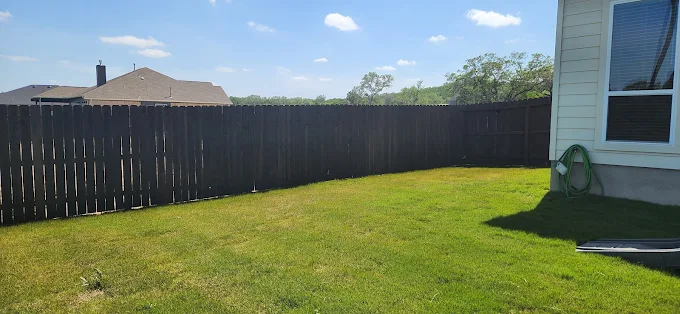
Fence Staining: Transforming Your Outdoor Space
On a sunny Saturday in Plano, you can walk any neighborhood and spot the difference immediately: one backyard framed by a rich, warm cedar fence that looks almost new—and right next door, a gray, splintering fence leaning toward collapse. Same Texas sun. Same storms. Completely different outcomes.
In North Texas, UV exposure, heat, and sudden storms are brutal on exterior wood. Studies show unprotected outdoor wood can start to degrade in as little as 3–6 months, and in high-UV regions like ours, unstained fences can lose up to half their original strength in 5–7 years. That’s not just a cosmetic issue; it’s a real hit to your property value and privacy.
This guide will walk you through how professional fence staining protects and transforms your outdoor space—whether you’re a Plano homeowner, a business with a visible perimeter, or a landowner managing large runs of fencing. You’ll learn how staining works, what products perform best in our climate, how it compares to replacement, and how to plan a long-term maintenance strategy that keeps your fence looking sharp for years.
Key Insight: Thoughtful, professional fence staining doesn’t just make your fence look better—it dramatically extends its life, reduces long-term costs, and boosts curb appeal across residential, commercial, and agricultural properties.
Why Fence Staining Matters So Much in North Texas
North Texas weather is tough on fences. Plano sits in a zone with high UV index, frequent temperature swings, and the occasional hail or windstorm. All of that punishes exposed wood.
Unstained wood fences absorb moisture when it rains, then dry out quickly in the sun. That constant cycle leads to:
- Warping and cupping
- Cracking and splintering
- Fading to a dull gray
- Mildew, algae, and mold growth
“UV light is the single most destructive element for exterior wood,” — Many industry coating manufacturers agree on this point.
A stained fence, on the other hand, has a protective barrier that:
- Blocks UV rays
- Repels water
- Reduces warping and cracking
- Helps prevent fungus and mildew
In Plano neighborhoods like Legacy West and areas around Oak Point Park, many homeowners have invested heavily in outdoor living: patios, pools, outdoor kitchens. A faded, failing fence can drag down all that investment. For businesses along major corridors, a weathered perimeter fence can send the wrong message about maintenance and security.
Real-world example:
A Plano homeowner with a 6-foot cedar privacy fence noticed graying and minor cracking after just 18 months. Instead of waiting for major damage, they opted for a professional stain and seal. The crew cleaned, prepped, and applied a premium oil-based stain. Two years later, the fence still looks rich and even, with no visible warping—while several neighbors are already replacing sections of their untreated fences.
CALLOUT: In our climate, staining is not a luxury finish—it’s a protective system that can double or even triple the usable life of your wood fence.
How Staining Transforms Different Types of Fences
Staining is most commonly associated with wood, but it plays a role in mixed-material and specialty fencing designs as well. Understanding how it interacts with various fence types helps you plan a cohesive look across your property.
Wood fences: The biggest transformation
Wood is where staining has the most dramatic impact. Whether you have a new Wood Fence Installation or an older fence needing some love, stain:
- Enhances grain and color
- Adds depth and richness
- Evens out weathering and discoloration
- Protects vulnerable end grains and posts
Many Plano homeowners choose warm cedar tones to complement brick and stone exteriors. For more modern homes, darker espresso or walnut stains can create a striking backdrop for landscaping.
Mixed and specialty materials
While you won’t stain an Aluminum Fence Installation the same way you treat wood, stain still matters when you combine materials:
- Mixed Material Fences with wood and metal frames benefit from stained wood panels that contrast with powder-coated steel or aluminum.
- Corrugated Metal Fences often incorporate stained wood posts or trim to soften the industrial look.
- Glass Fences around pools or patios may use stained wood framing for warmth and visual balance.
On commercial sites using Metal Fence Installation for security, stained wood screening can be added along key frontages to provide a more welcoming appearance for customers.
Mini case study:
A Plano office park used standard Chain Link Fence Installation along its perimeter but wanted a more polished entry along the main road. By adding a stained cedar overlay and coordinating stained entry structures, they kept the durability and cost-efficiency of chain link while presenting a much higher-end look at the front of the property.
“Stain is where function and aesthetics meet. It’s protection that you can actually see.” — Local Fence Specialist
Stain Types, Colors, and Finishes: Choosing What Works in Plano
Not all stains are created equal, and in a place like Plano, product choice matters. You want something that performs under strong sun and heat while still delivering the look you want.
Main types of stain
- Transparent stain
Light tint, shows the most wood grain, shortest lifespan between re-coats.
- Semi-transparent stain
Still shows grain but adds more pigment and UV protection. Very popular in residential settings.
- Semi-solid and solid stain
More pigment, less visible grain, maximum UV protection, ideal for older or mismatched wood.
For most privacy Residential Fence Installation projects in Plano, semi-transparent or semi-solid stains strike the best balance between beauty and durability.
Color considerations
In North Texas, common choices include:
- Warm cedar or redwood tones for traditional homes
- Honey or natural tones for newer subdivisions with lighter brick
- Dark walnut or espresso for modern or transitional homes
- Gray-based tones for contemporary designs and mixed-material fences
Darker stains generally offer more UV protection but can absorb more heat. Lighter tones stay cooler but may require more frequent maintenance.
Oil-based vs. water-based
- Oil-based stains penetrate deeply, provide excellent water repellency, and are widely used for fence applications.
- Water-based stains can be more environmentally friendly and easier to clean up, but not all perform equally in high-UV climates.
Local example:
A Plano homeowner with a brand-new cedar Privacy Fence Installation wanted to preserve the fresh, natural cedar look. After sampling several products, they chose a high-quality, lightly tinted oil-based stain. The result kept the wood looking “new” while adding invisible protection against sun and rain.
Staining vs. Replacing: Cost, Longevity, and Value
If your fence is looking tired, you might wonder whether to stain it or replace it altogether. In many cases, staining is the smarter financial move—especially in a market like Plano where property values are high and curb appeal matters.
Cost and benefit comparison
Below is a simplified comparison for a typical 6-foot privacy fence around a Plano home (actual numbers vary by project, material, and market conditions):
| Option | Upfront Cost (Approx.) | Lifespan Impact | Best For |
|---|---|---|---|
| Professional stain on new fence | Low–Moderate | Doubles or triples fence life | New or recently installed fences |
| Professional re-stain (maintenance) | Low | Maintains like-new appearance | Fences in fair to good condition |
| Full fence replacement (wood) | High | Resets lifespan | Severely damaged or failing fences |
| Upgrade to Vinyl Fence Installation or Aluminum Fences | Higher upfront | Very low ongoing maintenance | Long-term, low-maintenance priorities |
For many Plano homeowners, the ideal path is:
1. Install a quality wood fence.
2. Professionally stain it after proper curing.
3. Maintain it with periodic re-staining rather than premature replacement.
Commercial perspective:
A business owner off the Dallas North Tollway was facing a major bill to replace a long run of weathered wood fencing. An inspection showed the structure was still sound, but the boards were gray and dry. Instead of replacing, they invested in cleaning and a professional stain system. The project cost was a fraction of full replacement and restored the property’s appearance without operational disruption.
CALLOUT: In many cases, staining is not an expense—it’s a cost-saving strategy that postpones or even prevents costly fence replacement.
The Professional Staining Process: What to Expect
High-quality staining is more than just rolling a color onto wood. A professional process is methodical and tailored to the condition of your fence and the North Texas climate.
Typical steps
1. Inspection and evaluation
- Check for rot, loose boards, and structural issues.
- Identify prior coatings, mildew, or heavy grime.
2. Repairs and prep
- Replace damaged boards and secure loose fasteners.
- Light sanding or scraping of rough or peeling areas.
3. Cleaning
- Use appropriate cleaners to remove mildew, dirt, and graying.
- Gentle washing to avoid damaging the wood fibers.
4. Drying time
- Allow wood to fully dry—critical in our humid summers and after storms.
5. Stain application
- Apply stain by sprayer, brush, or a combination for even coverage.
- Pay special attention to end grains, cut edges, and post tops.
6. Final walkthrough
- Inspect coverage, touch up missed spots, and clean the work area.
“Surface prep determines 80% of how long your stain will last.” — Coatings Industry Guideline
On larger properties—like those using Farm Fencing or long commercial runs—planning and staging are essential to keep operations flowing while work is completed.
Timing and weather
In Plano, the best windows for staining are typically:
- Late spring and early summer, before peak heat
- Early fall, when temperatures are moderate and humidity drops
Extreme heat or unexpected thunderstorms can interfere with drying and curing, so a local contractor who understands our weather patterns is a real asset.
Long-Term Fence Care: Staining as Part of a Maintenance Plan
Staining isn’t a one-and-done task. To truly protect your investment—whether it’s a backyard privacy fence, a Residential Gates system, or a commercial perimeter—you need a simple, realistic maintenance plan.
How often should you re-stain?
In Plano’s climate, a quality stain typically lasts:
- 2–3 years for transparent finishes
- 3–5 years for semi-transparent and semi-solid finishes
- 5+ years for solid stains, depending on exposure
Areas with full sun exposure, such as south-facing fences, may need more frequent attention than shaded sections.
Simple annual checkup
Once a year, walk your fence line and look for:
- Fading or uneven color
- Exposed raw wood or graying
- Splitting or cupping boards
- Signs of rot at the base of posts
- Rust or wear on hardware and Security Fence Installation components
Addressing small problems early—like a failing board or loose post—prevents them from becoming major repairs or safety issues.
Integrating with other systems
If you have:
- Access control gates on commercial sites
- Decorative railings on decks or balconies
- Estate-style entries with Estate Gates
…you can often coordinate staining and coating schedules to keep all wood and metal elements looking consistent and protected.
Local example:
A small Plano HOA schedules a combined maintenance weekend every 3–4 years: common-area fence staining, entry monument touch-ups, and light landscaping. By planning ahead, they lock in better pricing, keep the neighborhood looking sharp, and avoid special assessments for emergency Fence Repair or replacement.
What This Means for Properties in Plano, TX
Plano has grown into a vibrant mix of established neighborhoods, new developments, shopping districts, and corporate campuses. Across all of these, outdoor spaces and first impressions matter.
For homeowners near places like Arbor Hills Nature Preserve or the Heritage Farmstead area, fences often define the entire feel of the backyard. A well-stained fence turns a basic yard into a private retreat—a place that feels intentional rather than unfinished. It also plays a role in safety when paired with features like Pool Fence Installation or Residential Gates at side yards and driveways.
Businesses along Preston Road, the Tollway, or in legacy office parks rely on curb appeal and security. Stained perimeter fencing and entry structures send a clear message: this property is maintained, secure, and professional. When combined with Commercial Gates and access control, the fence system becomes part of a broader brand and security strategy.
Landowners and those managing Farm Fencing around Plano and surrounding areas benefit as well. Stained boards and posts resist rot and sun damage longer, reducing the frequency of Fence Replacement and labor-intensive repairs across large properties.
The bottom line for Plano: between our property values, climate, and community standards, staining isn’t just about looks. It’s about protecting your investment, supporting safety and privacy, and presenting the right image—whether that’s for your family, your customers, or your community.
Frequently Asked Questions
Q: How soon after a new fence is installed should I have it stained in Plano?
A: Most new wood fences need a curing period before staining so the wood can release excess moisture and mill glaze. In Plano’s climate, that typically means waiting 4–8 weeks for cedar and sometimes a bit longer for pressure-treated pine. Your contractor will check moisture levels or perform a simple water test on the boards: if water beads up on the surface, it’s too soon; if it absorbs within a few minutes, the wood is ready. Staining too early can prevent proper penetration, while waiting too long can expose the fence to unnecessary UV and moisture damage.
Q: My fence is already gray and weathered—can staining still help, or do I need a full replacement?
A: Many gray, tired-looking fences can be revived with cleaning, minor Fence Repair, and professional staining. The key is evaluating the structure: if posts are solid, boards are mostly intact, and there’s no widespread rot, restoration is usually a cost-effective option. A professional cleaning removes surface graying and mildew, and a quality stain can dramatically improve appearance and extend life. If your fence is leaning, posts are rotted at the base, or boards crumble under light pressure, it may be time to discuss Fence Replacement or an upgrade to something like Vinyl Fences or Wrought Iron Fences.
Q: How often will I need to re-stain my fence in North Texas conditions?
A: Frequency depends on stain type, color, and exposure. In Plano, transparent stains may need reapplication every 2–3 years, while semi-transparent and semi-solid products often last 3–5 years. Darker tones with more pigment tend to hold up better against UV. South- and west-facing fences that get full sun will show wear sooner than shaded sections. A quick annual inspection—checking for fading, dry or rough areas, and exposed raw wood—will tell you when it’s time. Building staining into your long-term Fence Maintenance plan keeps costs predictable and avoids major deterioration.
Q: Will staining help with security, or is it just cosmetic?
A: Staining primarily protects and preserves wood, but that directly supports security. A well-maintained, solid fence is harder to breach than one that’s rotting, warped, or broken. When combined with Security Fence Installation features like controlled access control, secure Commercial Gates, and reinforced framing, staining becomes part of a comprehensive system. For businesses and estates, maintaining a strong, well-coated perimeter also sends a clear deterrent message. Staining is not a replacement for security measures, but it helps ensure the physical fence structure remains strong and reliable.
Q: Can I stain my fence myself, or should I hire a professional?
A: DIY staining is possible for smaller projects, but there are trade-offs. Professionals bring commercial-grade cleaners and stains, specialized equipment, and experience with North Texas weather patterns and wood types. They know how to handle overspray near pools, landscaping, or neighboring properties and how to prep older fences without causing damage. For large properties, mixed-material systems, or fences integrated with Residential Gates and railings, professional service usually delivers better, longer-lasting results and saves you time. If you do choose DIY, be sure to use high-quality, exterior-grade stain suitable for our climate and follow manufacturer guidelines closely.
Q: Does staining change how my fence works with gates, hardware, or access control systems?
A: Properly done, staining should enhance performance, not interfere with it. Professionals will remove or mask sensitive components on access control systems, gate operators, or sensors to prevent overspray or buildup. Hinges, latches, and moving hardware are typically protected or cleaned to ensure smooth operation after staining. For decorative or Estate Gates, coordinating stain color with metal finishes can create a cohesive look. If your property includes a mix of wood fencing and Decorative Fence Installation or Metal Fence Installation, your contractor can recommend a palette and schedule that keeps everything working and looking its best.
Q: What if I plan to upgrade to a different fence material later—should I still stain my existing fence?
A: If replacement is years away, staining is usually worth it. It maintains curb appeal, protects privacy, and may even improve resale value if you sell before upgrading. If you’re planning a near-term switch to something like Aluminum Fences, Vinyl Fences, or a custom Custom Fence Design, talk with your contractor about timing and budget. In some cases, a light refresh or targeted Fence Repair may be all you need to bridge the gap until your upgrade project is ready.
Ready to Get Started?
Plano’s weather isn’t gentle, and every season you wait is another round of sun, rain, and wind working against your fence. A thoughtful staining plan can stop that damage in its tracks, restore the look of your outdoor space, and protect your investment for years to come.
Now is an ideal time to schedule staining—before peak summer heat or the next round of storms. Professional crews book up quickly during prime weather windows, and planning ahead helps you secure ideal timing, especially if your project includes additional elements like Residential Gates, Commercial Gates, or railings.
Your next steps are simple: walk your fence line, note any problem areas, and reach out for an on-site evaluation. A local expert can help you choose the right stain type and color, plan any needed repairs, and build a maintenance schedule that fits your property and budget.
A few days of work now can add years of life and value to your fence—and completely transform how your outdoor space looks and feels.
About Fence Pros of Texas
Fence Pros of Texas serves Plano and the surrounding North Texas communities with expert fence installation, staining, and maintenance services. Our team brings years of hands-on experience with local soils, weather, and building standards, delivering solutions that are both durable and attractive. From residential privacy fences and custom entries to commercial perimeters and Farm Fencing, we focus on quality materials, proven techniques, and honest guidance tailored to your property.