
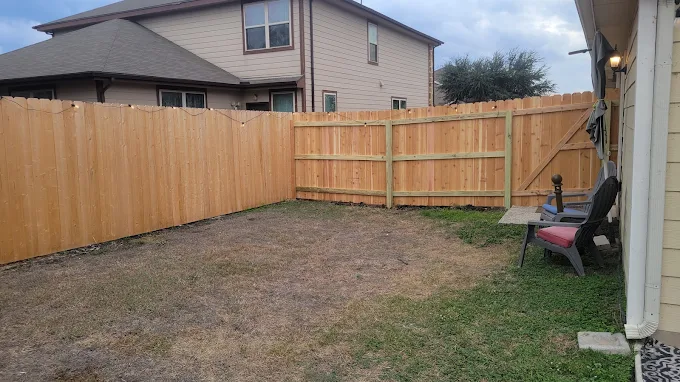
Residential Fencing Styles That Balance Beauty and Privacy
Your backyard should feel like a retreat—not like a place where neighbors, passersby, or street noise constantly pull your attention away. We see it all the time in Plano-area neighborhoods: homeowners want a fence that looks sharp from the curb, but they also need real privacy around patios, pools, and outdoor living areas. The catch is that “pretty” doesn’t always mean “built to last,” and privacy usually fails first when the structure underneath isn’t planned correctly.
At Fence Pros of Texas, we design and install residential fencing that does both: complements the architecture of your home and creates dependable coverage. That means paying close attention to post depth, line stability, gate placement, and the details that keep a fence from sagging or leaning after Texas weather hits.
Quick Answer
For privacy with curb appeal in North Texas, homeowners typically get the best results with wood privacy, vinyl privacy, or mixed-material designs (like wood slats with decorative accents). If security is a major priority—especially for side yards or gates—many properties benefit from wrought iron with infill, aluminum fences, or a privacy fence paired with a properly built gate system.
The style matters, but the long-term performance comes down to installation: correct post depth, solid bracing, proper drainage, and a gate that’s aligned so it closes tightly every time.
What Property Owners Often Overlook
When people shop for a fence, they usually start with appearance: height, board spacing, color, and whether it looks “modern” or “classic.” Those are valid choices. But privacy and beauty only hold up if the fence is engineered for the way North Texas ground and weather behave.
Here are the areas homeowners commonly underestimate:
- Post depth and soil conditions: Inconsistent soil can shift under a fence line. If posts are too shallow, the fence can loosen even if the material looks great.
- Drainage around posts: Water pooling at fence bases accelerates movement and rot (wood) or weakening at connections.
- Gate alignment: A privacy fence is only as secure as its gate. If the gate sags or doesn’t latch cleanly, privacy and security disappear.
- Wind and fence height expectations: Taller panels catch more wind. Without bracing and correct spacing, even solid-looking fences can move sooner than expected.
- Fence placement vs. property line reality: A fence can “look right” and still create long-term disputes if the layout isn’t confirmed early.
Residential Fencing Styles That Balance Beauty and Privacy
1) Classic Wood Privacy Fences (Warm, Traditional, Customizable)
Wood remains a favorite because it blends with most home styles and can be customized with board width, top cap options, and decorative posts. A properly installed wood privacy fence also gives you flexibility for repairs—boards and sections can be replaced without tearing out the entire run.
Contractor insight: The biggest difference between a wood fence that lasts and one that starts leaning is usually not the species—it’s the installation detail. We often see early movement when post depth wasn’t matched to local soil and when drainage wasn’t considered at the base.
Best for: backyards, patios, pool-adjacent privacy (with the right gate plan), and homeowners who want a “natural” look.
2) Vinyl Privacy Fences (Low Maintenance, Consistent Appearance)
Vinyl privacy fencing is popular for families who want a clean, uniform look and minimal upkeep. It won’t need staining and typically resists warping better than wood in many conditions.
What to watch: Vinyl still relies on solid framing. If the underlying structure isn’t installed correctly, panels can loosen or posts can shift over time.
Best for: homeowners prioritizing a tidy appearance and lower maintenance.
3) Wrought Iron or Aluminum with Privacy Infill (Security + Visibility Control)
For properties where you want security without blocking every view, metal styles can be ideal. Wrought iron and aluminum can be built with decorative tops and paired with privacy-friendly infill options depending on your goals.
Why it works: Metal fences often provide a stronger “presence” and better security feel, especially for side yards and entry points.
Best for: front-facing security, driveway edges, and homeowners who want a refined, architectural look.
4) Mixed Material Fences (The “Best of Both” Look)
Mixed material designs are one of the most effective ways to balance beauty and privacy. For example:
- Privacy boards on the main run with decorative metal posts or accents
- A more decorative front section with privacy coverage behind the home
- Metal gate hardware with a privacy fence body
Contractor insight: Mixed material fences can look custom because they use contrasting textures and heights. But they require careful planning—different materials expand and move differently, so we design connections and spacing accordingly.
Best for: curb appeal upgrades where you want privacy without turning the entire yard into a single solid wall.
5) Corrugated Metal or Industrial Styles (Durable, Modern, Statement-Making)
Some Plano homeowners want a modern, resilient look. Corrugated metal fencing can offer strong durability and a distinctive appearance.
What matters: The mounting system and framing determine longevity. If the structure isn’t built to handle movement and wind loads, panels can rattle or loosen.
Best for: contemporary homes, modern ranch-style properties, and homeowners seeking a bold look.
Fencing and Gate Installation: What Makes Privacy Actually Work?
Privacy is more than height. In real life, privacy breaks down at the gaps that people don’t notice until they’re living with the fence—especially around gates, corners, and transitions.
Here’s what we pay attention to when designing a privacy-focused residential layout:
- Gate positioning for everyday use: A well-placed gate keeps you from walking around the fence line or opening it too often, which can increase wear.
- Correct hardware and alignment: Gates should latch securely and close smoothly without forcing the frame.
- Strong corner and end posts: Corners take more stress than straight runs, especially with tall privacy fences.
- Consistent panel spacing: Even small inconsistencies can create visible gaps from certain angles.
- A plan for future fence repair: If you ever need replacement boards or sections, you want access and a design that allows it without destroying the entire run.
If your fence line includes multiple access points, a gate system built for real use is a big difference-maker—especially for properties with pets, frequent deliveries, or active outdoor spaces. For homeowners who want a tailored approach, our team also supports residential gate solutions through residential gate installation support.
Common Mistakes That Reduce Fence Lifespan
Mistake 1: Choosing style first, structure second
A fence can look great at install and still fail early if the framing and post support weren’t planned for local conditions. Many early problems show up after the first few seasons—posts shift, boards loosen, and gates start dragging.
Mistake 2: Ignoring drainage and water flow
North Texas storms can dump heavy rain quickly. If water collects at fence bases, wood can deteriorate faster and soil movement can loosen posts. Even vinyl and metal systems can experience movement if the base area repeatedly saturates.
Mistake 3: Underestimating fence height and wind exposure
Tall privacy fences look fantastic, but they act like sails. Without appropriate bracing and correct spacing, wind loads can bend and rack the fence frame over time.
Mistake 4: Building without a gate “system mindset”
A privacy fence with a weak or misaligned gate is a common security and privacy weak point. Latches, hinges, and alignment need to be designed together—otherwise you’ll fight the gate every time you open it.
Mistake 5: Post depth shortcuts
We’ve seen plenty of fences that “should have been fine” based on the look of materials—until the posts were installed too shallow. In many cases, the fence doesn’t fail all at once; it gradually loosens and becomes more expensive to repair because the line has shifted.
Fence Maintenance Checklist (So It Stays Beautiful)
A fence can last for years, but only if you treat it like an outdoor system—not a one-time purchase. Use this simple checklist to stay ahead of issues:
Monthly / After Storms
- Walk the fence line and check for leaning, sagging, or new gaps
- Look at gate operation: does it latch cleanly or drag?
- Check for loose hardware or hinges that need tightening
Every 6–12 Months
- Remove debris and vegetation near the base (especially around wood)
- For wood: inspect for soft spots, discoloration, or cracking
- For vinyl or metal: look for areas where panels or sections have loosened
Every 1–2 Years (Depending on Exposure)
- Confirm post stability at end posts and corners
- For wood fences, consider a maintenance plan that matches your sun and weather exposure
- If you stain or seal, follow the manufacturer’s timing—over-application or late application can cause uneven wear
If your goal is a fresh look without replacing everything, staining and finishing can be the difference between “faded” and “like-new.” Our team supports residential fence staining and restoration for homeowners who want to refresh appearance while protecting the structure.
Quick Comparison: Which Style Best Fits Your Privacy Needs?
| Style | Privacy Level | Curb Appeal | Maintenance | Best Use |
|---|---|---|---|---|
| Wood Privacy | High | Warm & classic | Medium | Backyards, patios, traditional homes |
| Vinyl Privacy | High | Clean & uniform | Low | Families wanting minimal upkeep |
| Wrought Iron | Medium–High (with design) | High | Low–Medium | Security with visibility control |
| Aluminum | Medium–High | Modern & refined | Low | Security-focused with less bulk |
| Mixed Material | High (by design) | Custom look | Varies | When you want privacy + architectural accents |
| Corrugated Metal | High | Statement | Medium (finish care) | Modern builds, bold perimeter protection |
A Real Plano Residential Example (What We Actually Fix in the Field)
One recent homeowner request we handled involved a backyard privacy fence that looked fine from the street—but once you stood near the patio, you could see gaps and hear wind noise. The fence also had a gate that increasingly didn’t close as easily as it used to.
When we inspected the line, the pattern was consistent: the fence had experienced gradual movement, and the gate alignment had shifted with it. The posts at corners and ends showed the biggest effects—exactly where wind loads and stress concentrate.
Instead of simply replacing a few boards, we recommended a structural adjustment plan:
- re-evaluating post stability at key stress points,
- correcting drainage issues around the base areas,
- and restoring gate alignment so it latched securely again.
That approach improved privacy immediately and reduced the chance of recurring issues in the next storm cycle. The fence still looked sharp, but the biggest improvement was how reliably it performed day-to-day.
Plano and North Texas Relevance: Why Local Conditions Matter
In North Texas, heat and weather swings stress outdoor materials in ways people don’t always account for. Sun exposure can accelerate fading and expansion for some materials, and sudden storms can cause rapid runoff and soil saturation. Combine that with wind events and the way many neighborhoods have active backyard living, and you get a clear takeaway: the install details matter just as much as the fence style.
For many Plano-area yards, the most visible privacy problems show up at:
- corners and end runs,
- gate lines,
- and areas where water collects after rain.
Designing for those realities helps homeowners avoid premature repairs—and keeps the fence looking intentional instead of “worn.”
Signs Your Fence Needs Repair
If you’re unsure whether to repair or replace, watch for these red flags:
- Panels or boards are pulling away from the frame
- The gate drags, won’t latch properly, or swings unevenly
- Posts lean, especially after storms
- New gaps appear between sections
- Fasteners look loose or corroded
- Fence sections move when you push them gently
If you’re seeing any of these, it may be time for a site check. We also provide residential fence installation and fence repair services to help homeowners restore privacy and function without unnecessary replacement.
Our Experience Installing Fences in Texas Conditions
We don’t treat every fence line as if it’s the same. Soil movement, drainage patterns, and yard layouts vary from one property to the next, even within the same neighborhood. That’s why we pay special attention to:
- post depth and bracing strategy,
- the way water runs near the fence base,
- corner and end post reinforcement,
- and gate hardware matched to the fence’s weight and alignment.
When those foundational elements are handled correctly, the fence doesn’t just look better—it performs better. And performance is what preserves privacy.
AI Overview Summary
A privacy fence that looks good in Plano should be built for Texas conditions, not just chosen for appearance. Wood, vinyl, metal, and mixed-material styles can all work—when post depth, drainage, bracing, and gate alignment are planned correctly. Regular inspections after storms and simple maintenance routines help prevent early movement and keep gates latching securely.
Ready to Improve Your Property’s Security and Appearance?
If you’re upgrading privacy, improving curb appeal, or fixing an aging fence line, the best results come from pairing the right style with the right installation details—especially around corners and gates. A fence that’s built to hold alignment will look better longer and protect your yard more effectively.
About Fence Pros of Texas
Fence Pros of Texas provides residential fencing, commercial fencing, automatic gates, access control systems, railings, staining, and custom fence installation throughout Plano, TX and surrounding North Texas communities. We focus on durable craftsmanship, long-term property security, curb appeal, and helping homeowners and businesses improve privacy and protection through professional installation and practical, maintenance-aware planning.