
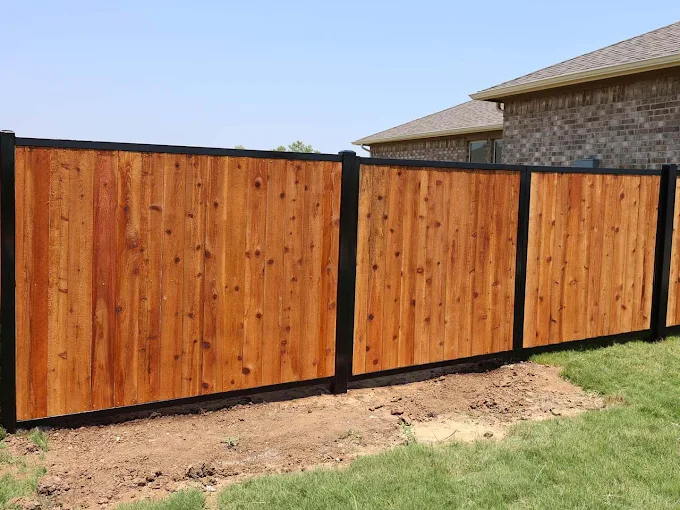
Enhance Your Property with Quality Fence Staining
On a hot July afternoon in Plano, you can almost feel the sun chewing through an unprotected wood fence. Between North Texas UV exposure, surprise hail, and those occasional heavy storms, even a brand-new fence can start to gray, warp, or crack in just a couple of years if it’s not protected. In fact, industry data shows that properly stained wood can last 2–3 times longer than untreated wood, and regular maintenance can cut long-term repair costs by up to 40%.
For homeowners, business owners, and property managers in Plano, that’s not just a cosmetic issue—it’s a real investment decision. Your fence is often the first thing people see when they pull up to your home, office, or facility. A faded, peeling, or rotting fence sends the wrong message, while a rich, well-maintained finish immediately communicates care and quality.
In this guide, you’ll learn how quality fence staining protects your fence, enhances curb appeal, and saves money over time. You’ll also see how staining ties into different fence materials and styles, from Wood Fence Installation to mixed materials, and how working with a professional staining contractor in Plano can make all the difference.
Key Insight: Quality staining isn’t just about color—it’s about protection, longevity, and preserving the value of your fence and your property in the tough North Texas climate.
Why Fence Staining Matters So Much in Plano’s Climate
North Texas weather is hard on wood. Plano sees high UV indexes much of the year, temperature swings, and periods of heavy rain followed by dry heat. That cycle causes wood to expand, contract, and eventually split or warp if it’s unprotected.
Untreated or poorly finished wood fences can show serious wear in as little as 12–18 months:
- Graying or silvering of the wood surface
- Hairline cracks that deepen over time
- Boards cupping, bowing, or warping
- Loose or failing fasteners as the wood moves
A quality stain forms a protective barrier that:
- Blocks UV rays that break down wood fibers
- Repels water to reduce swelling, rot, and mold
- Enhances the natural grain and color of the wood
- Helps resist surface damage from wind-blown grit and debris
“Think of stain as sunscreen, moisturizer, and armor for your fence—all in one.” — Local Fence Finishing Specialist
In Plano neighborhoods like Willow Bend, Kings Ridge, and near Legacy West, property owners often invest in premium Privacy Fence Installation to create a peaceful backyard escape. Without staining, those fences can quickly lose their rich tone and start to look tired. With regular staining, they maintain a deep, attractive color and stay structurally sound.
CALLOUT: The earlier you stain a new fence in Plano—once the wood has properly dried—the longer it will resist sun damage and moisture problems.
How Staining Extends the Life of Different Fence Types
While wood is the primary candidate for staining, Plano properties increasingly feature a mix of materials: wood, metal, and even glass or composite. Understanding how staining fits into that mix helps you protect the whole system.
Wood Fences: The Main Priority
Traditional cedar and pine Wood Fences are still the most common choice for homes and many small businesses. These benefit the most from staining because the stain penetrates the wood, providing deep protection.
For example, a homeowner in West Plano installed a new board-on-board privacy fence. By staining it with a high-quality oil-based product within the first year and re-coating on a regular schedule, they’ve kept that fence looking almost new for more than a decade, with only minor Fence Maintenance and small repairs.
Mixed and Metal Fences
Staining also plays a role in more modern fence styles:
- Mixed Material Fences: When you pair wood with steel posts or decorative metal panels, staining the wood elements keeps the overall design cohesive and upscale.
- Wrought Iron Fences & Metal Frames: While metal itself isn’t stained, wood accents and inserts often are. A sharp contrast between a rich stained wood and dark metal creates a high-end look.
- Corrugated Metal Fences: Some Plano properties use corrugated panels with wood framing. Staining the frame keeps it from deteriorating while the metal provides strength and privacy.
“Your fence is a system. Protecting the wood components with stain prevents weak links that can compromise the whole structure.” — Fence Pros of Texas Project Manager
As more Plano neighborhoods adopt HOA standards that favor consistent, attractive fencing, properly stained wood becomes a key part of meeting those expectations while still expressing your style.
Choosing the Right Stain: Color, Transparency, and Performance
Not all stains are created equal, and the right choice can dramatically affect both the look and performance of your fence. You’ll typically choose between three main categories:
| Stain Type | Appearance | Protection Level | Typical Use in Plano |
|---|---|---|---|
| Transparent | Shows full grain and color | Good (shorter lifespan) | Decorative fences, newer premium cedar |
| Semi-Transparent | Shows grain with added color tone | Very good | Most residential privacy fences |
| Solid/Opaque | Paint-like coverage, hides grain | Excellent (longest life) | Older fences, commercial applications |
For many Plano homeowners, semi-transparent stains hit the sweet spot: you see the beauty of the wood while gaining strong UV and moisture protection.
Matching Stain to Property Type
- Residential Properties:
Homeowners often choose warm browns or cedar tones that complement brick, stone, or siding. For modern homes near developments like Legacy or The Shops at Granite Park, cooler grays or darker espresso tones can work beautifully with contemporary architecture.
- Commercial Properties:
Businesses may lean toward solid stains in neutral colors that align with brand standards and require less frequent recoating. When paired with Commercial Fence Installation, a durable solid stain can be ideal for high-traffic or high-visibility areas.
- Farm and Acreage Fencing:
For properties on the outskirts of Plano and Collin County, Farm Fencing often uses stain tones that blend with the landscape—natural browns and ambers that reduce visual impact while protecting long runs of fence.
“Color is personal, but performance is non-negotiable. Always choose a professional-grade stain formulated for exterior wood in high-UV regions.” — Coatings Industry Consultant
Professional vs. DIY Fence Staining: What’s Really at Stake?
At first glance, staining your own fence can seem like a straightforward weekend project. But in practice, many Plano homeowners and property managers discover that the process is more demanding than expected—especially if you want results that last.
Comparing Approaches
| Factor | DIY Staining | Professional Staining |
|---|---|---|
| Prep Work | Often rushed or inconsistent | Thorough cleaning, repairs, and masking |
| Product Quality | Big-box consumer-grade | Contractor-grade, higher solids and UV block |
| Application Equipment | Brushes/rollers, small sprayers | Commercial sprayers, back-brushing techniques |
| Time Investment | 1–3 weekends or more | 1–2 days for most residential projects |
| Finish Consistency | Can be streaky or uneven | Smooth, even coverage |
| Longevity | 1–3 years typical | 3–5+ years with proper products |
A Plano business owner near Preston Road tried to stain his perimeter fence on his own. After two long weekends, he had an uneven finish, visible lap marks, and several areas he couldn’t safely reach. Within two years, it had faded badly. When he brought in professionals, they cleaned, corrected, and re-stained the fence in a uniform tone that has held up for years.
“Most of the ‘rescue jobs’ we do are fences that were stained with good intentions but poor preparation or the wrong product.” — Fence Pros of Texas Crew Lead
DIY staining can work for small sections or touch-ups if you’re comfortable with the process. But for full perimeter fences, commercial sites, or estate properties, professional Fence Maintenance and staining generally delivers a better long-term value.
Integrating Staining with New Fence, Gate, and Railing Projects
Staining is most effective—and often most economical—when it’s planned as part of your overall fence or outdoor structure project from the beginning.
New Fence Installations
Whether you’re adding Residential Fence Installation or upgrading to Security Fence Installation around a Plano business, coordinating installation and staining offers several benefits:
- Better Coverage: Pre-staining or early staining allows more complete protection of all surfaces, including edges and ends.
- Consistent Color: All components weather and age together, reducing patchy or mismatched appearances.
- Faster Curb Appeal: Your fence looks finished and premium from day one, not several months later.
Gates and Access Systems
Plano properties increasingly use automated gates and controlled entry systems, especially near high-traffic corridors like the Dallas North Tollway and 121.
- Residential Gates: Wood gate panels paired with metal frames benefit from the same staining schedule as the rest of the fence. Coordinating Residential Gates with fence staining keeps everything looking cohesive.
- Commercial & Estate Gates: Large Estate Gates and Commercial Gates with wood infill panels need high-performance stains to withstand constant sun exposure and frequent use.
- Access Control Systems: With Access Control, the structure around the gate—posts, frames, and any wood cladding—should be protected to avoid premature failure that can affect the whole system.
Railings and Other Wood Features
If your Plano property includes decks, porches, or exterior railings, coordinating stain color and product across all exterior wood creates a unified, high-end look. Professional Railings often incorporate wood handrails or caps that can be stained to match or complement adjacent fences.
“Planning stain as part of the project, not an afterthought, is one of the simplest ways to get a better-looking, longer-lasting result.” — Project Coordinator, Fence Pros of Texas
A Smart Maintenance Plan: Keeping Your Fence Looking New for Years
Staining isn’t a one-and-done event. Like any protective coating exposed to the Plano sun, it gradually weathers and needs to be refreshed. The good news: with a smart maintenance schedule, each touch-up is quicker, cleaner, and more cost-effective than starting from scratch.
Typical Stain Lifespans in North Texas
- Transparent stains: 1–2 years between re-coats
- Semi-transparent stains: 3–4 years
- Solid stains: 4–6 years
These ranges depend on:
- Fence orientation (south- and west-facing sections wear faster)
- Shade vs. full sun
- Irrigation overspray and landscaping contact
- Product quality and application method
A homeowner near Oak Point Park worked with a professional crew to establish a simple plan:
1. Initial cleaning and staining of a new cedar fence
2. Light wash and inspection every 18–24 months
3. Recoat every 3–4 years with the same product and color
Eight years later, their fence still looks rich and even, with no major repairs needed.
“Maintenance is always cheaper than replacement. A few hundred dollars every few years can save you thousands in premature fence replacement.” — Property Management Consultant
What This Means for Businesses in Plano, TX
For businesses in Plano—whether you’re operating a medical office near Preston, a distribution facility closer to the President George Bush Turnpike, or a retail storefront near Legacy West—your fence is part of your brand and your security.
Quality staining and maintenance directly impact:
- First Impressions: Clients and partners notice the condition of your property before they step inside. A well-maintained fence signals professionalism and stability.
- Security and Liability: A deteriorating fence can create weak points in your perimeter, leading to potential breaches or safety issues. Protecting the structure with stain helps maintain its strength over time.
- Operating Costs: Proactive care reduces major repairs and delays full Fence Replacement. That’s especially important for larger properties with long fence lines.
- Compliance with Local Standards: Many business parks and HOAs in and around Plano have appearance guidelines. Stained, uniform fencing helps you stay compliant and avoid notices or fines.
Plano’s competitive business environment means details matter. When a prospective tenant, customer, or investor pulls into your lot, a clean, protected fence and gate system can subtly reinforce the message that you manage your assets wisely.
For larger sites, integrating staining into your overall facility maintenance plan—alongside landscaping, parking lot care, and building exterior maintenance—keeps costs predictable and avoids those painful “all at once” replacement projects.
Frequently Asked Questions
Q: When should I stain a brand-new fence in Plano?
A: New fences need a brief curing period before staining so the wood can dry and release excess moisture. In Plano’s climate, that’s typically 4–8 weeks for most Wood Fence Installation, but it can vary based on wood species and weather. If you stain too early, the product may not penetrate properly and can peel or wear prematurely. A professional will test moisture levels and inspect the surface before recommending the right timing. The goal is to stain early enough to prevent UV damage, but not so early that the wood can’t absorb the stain effectively.
Q: My fence is already gray and weathered. Can staining still help, or do I need a new fence?
A: A gray fence doesn’t automatically mean it’s at the end of its life. Often, the gray is just surface oxidation. A professional crew can clean the fence with specialized cleaners, sometimes followed by light sanding or repairs, and then apply a high-quality stain. This process can dramatically improve both appearance and protection. However, if boards are rotten, structurally compromised, or posts are failing, you may need targeted Fence Repair or partial replacement before staining. An on-site evaluation in Plano will reveal whether restoration or replacement is the better investment.
Q: How does stain choice differ for residential vs. commercial fences?
A: For residential fences, Plano homeowners typically prioritize aesthetics and matching the home’s style—warm cedar tones, semi-transparent finishes, and rich browns are common. For commercial properties, priorities often shift toward durability, uniformity, and brand alignment. Solid stains in neutral tones can provide longer intervals between maintenance on Commercial Fence Installation and perimeter security fences. Commercial sites may also combine stained wood with Metal Fence Installation or access control systems, where the stain must hold up to higher exposure and traffic. A professional contractor can recommend specific products tailored to your use case.
Q: Will staining interfere with my gate or access control equipment?
A: When handled correctly, staining should not interfere with gate operation or electronics. Professional crews working on Access Control and gate systems will carefully mask or avoid sensitive components, such as keypads, sensors, motors, and wiring. They’ll also protect hinges, tracks, and moving metal parts from excess product that could attract dust or affect movement. In many cases, staining is scheduled alongside routine gate inspection and lubrication so everything is checked and serviced together. If you already have automated Residential Gates or Commercial Gates, let your contractor know in advance so they can plan appropriately.
Q: How often should I re-stain my fence in Plano’s climate?
A: The ideal interval depends on stain type, sun exposure, and product quality. In North Texas, transparent stains may need refreshing every 1–2 years, semi-transparent every 3–4 years, and solid stains every 4–6 years. South- and west-facing sections, or fences in full sun, may wear faster than shaded areas. A quick visual check can guide you: if color looks faded, water no longer beads on the surface, or wood feels dry and rough, it’s time to schedule Fence Maintenance. Setting a recurring reminder and working with a contractor who tracks your finish history can help you stay ahead of deterioration.
Q: Is there a difference between paint and stain for fences?
A: Yes, there’s a significant difference. Paint forms a film on top of the wood, while stain penetrates into the fibers. In Plano’s hot, sunny climate, painted fences are more prone to peeling, chipping, and blistering as the wood expands and contracts. Stain, especially high-quality oil-based or hybrid products, moves with the wood and typically ages by gradually fading rather than peeling. That makes maintenance much easier: you can often clean and recoat without extensive scraping. For most Residential Fence Installation and privacy fences, stain is the preferred choice for long-term performance and a natural look.
Q: Can I match my existing stained fence if I only replace a section?
A: Matching an existing fence exactly can be challenging, especially if the original stain has weathered for several years. However, professionals can usually get very close by identifying the original stain type (transparent, semi-transparent, or solid), testing sample colors on inconspicuous areas, and considering how the old section has faded. In some cases, the best-looking solution is to blend the new section with a slightly adjusted tone, then apply a fresh coat over the entire run of fence. This approach creates a uniform appearance that hides the transition between old and new, especially for larger properties or Fence Replacement projects in stages.
Ready to Get Started?
Plano’s weather won’t wait, and every season of sun and storms takes a little more life out of an unprotected fence. Whether you’ve just installed a new fence, gate, or railing system, or you’re looking at a faded, gray fence line that’s dragging down your curb appeal, now is the ideal time to act.
By partnering with a local, experienced team, you get more than just a fresh color. You get a complete protection plan tailored to your property—materials, exposure, and long-term goals. From initial cleaning and stain selection to careful application around gates and access systems, professional service helps you avoid costly mistakes and enjoy a richer, longer-lasting finish.
Fence Pros of Texas has years of experience working with Plano homeowners, businesses, and property managers on projects of all sizes. The schedule for prime staining seasons fills up quickly, especially in spring and fall when conditions are ideal. If you’d like to protect your investment and enhance your property’s appearance, the next step is simple: schedule a consultation, walk your fence line with a pro, and get a clear, written plan and estimate.
About Fence Pros of Texas
Fence Pros of Texas is a locally focused fencing and exterior solutions contractor serving Plano and the surrounding North Texas communities. With extensive experience in residential, commercial, and agricultural fencing, the team delivers expert installation, staining, and maintenance built for our climate and soil conditions. From privacy fences and custom gates to railings and access control, Fence Pros of Texas combines craftsmanship, quality materials, and responsive service to protect and enhance your property.